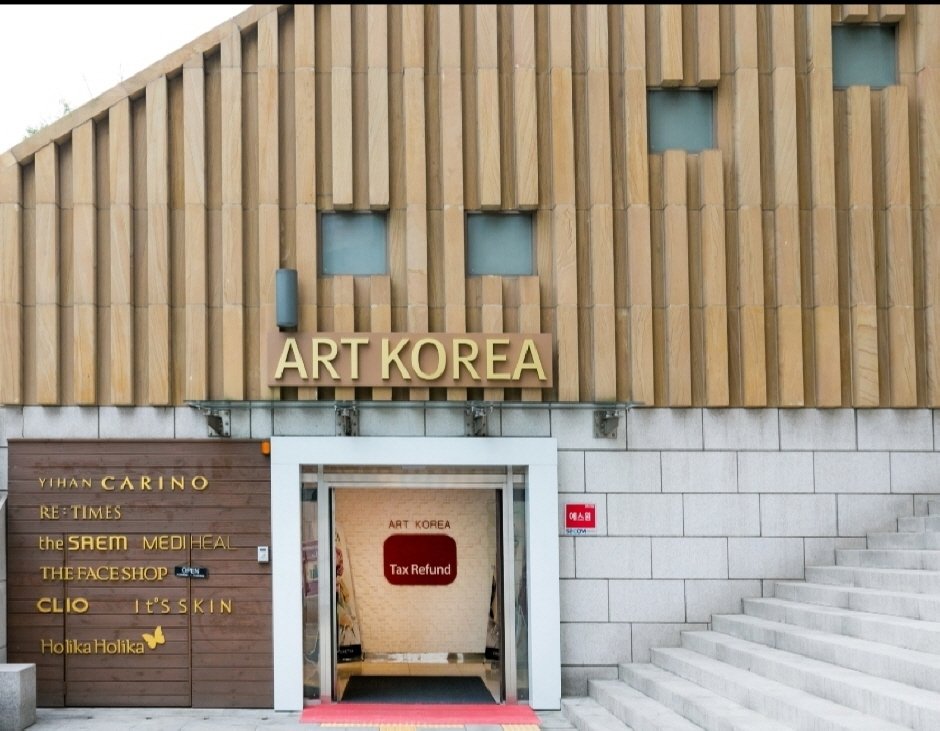
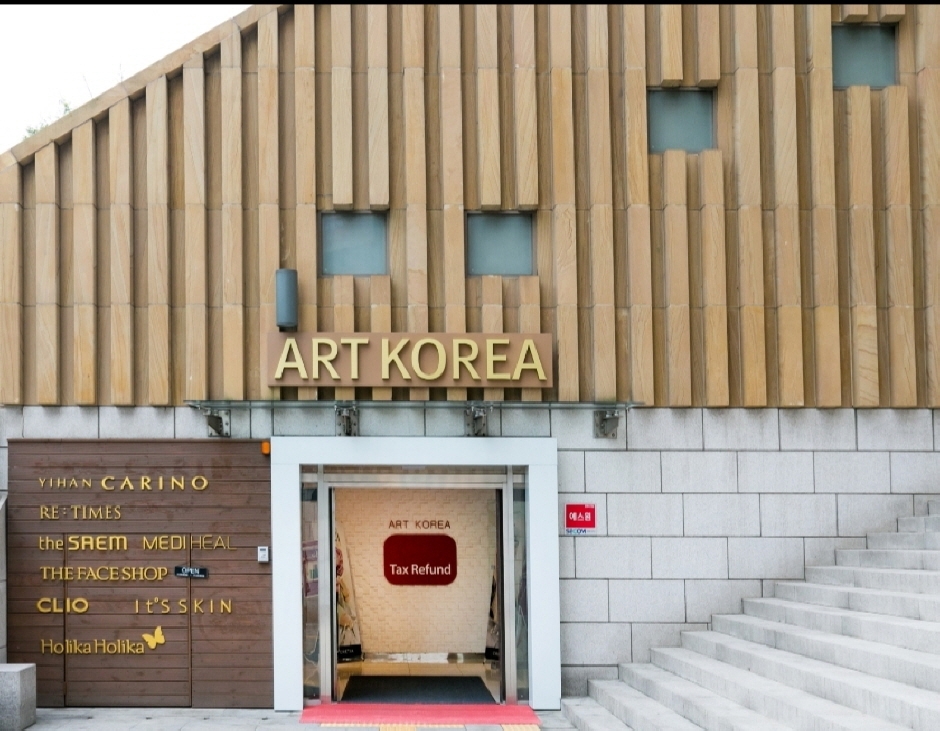
Art Korea[Tax Refund Shop](아트코리아)
Art Korea[Tax Refund Shop](아트코리아)
 – Homepage
artloreagroup.com
Art Korea is a cultural art platform and brand that connects the creative passion of Korean artists with the world. Through contemporary art exhibitions and design product curation, we lead a culture where everyone can easily and closely enjoy art.
– Address : 231, Jahamun-ro, Jongno-gu, Seoul
※ Presentation Information
– Fair Day
Monday – Sunday
– Information and Guides
02-394-5551
– Opening Hours
09:00~17:00
– Parking
Available
– Restroom
Available
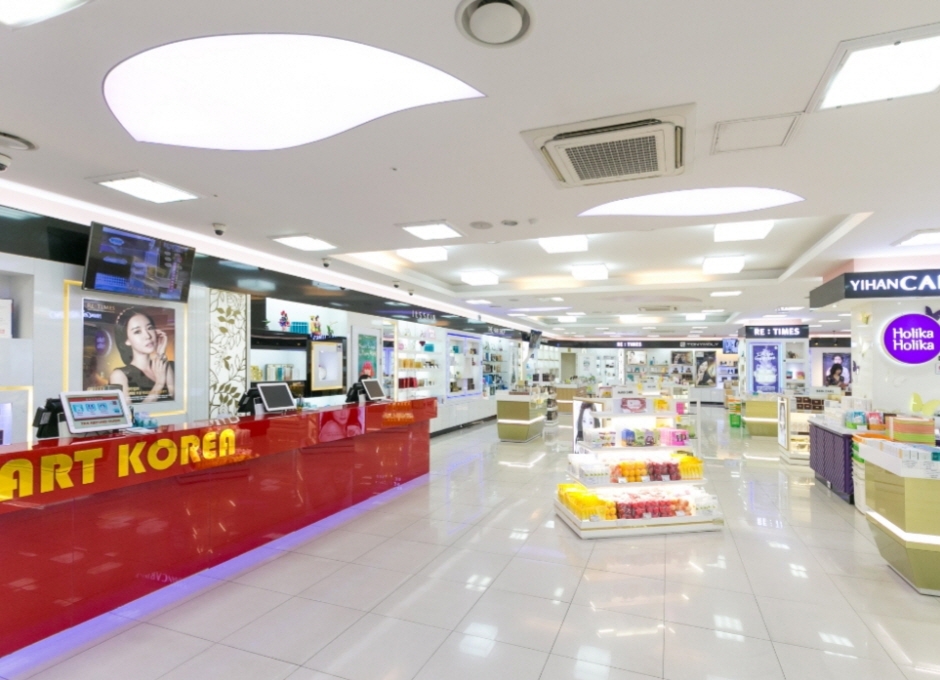
– Items for Sale
Perfume / cosmetics
– Shop Guide
Refund method (Time-frame) : Claim for refund
◎ Nearby Tourism Infobox
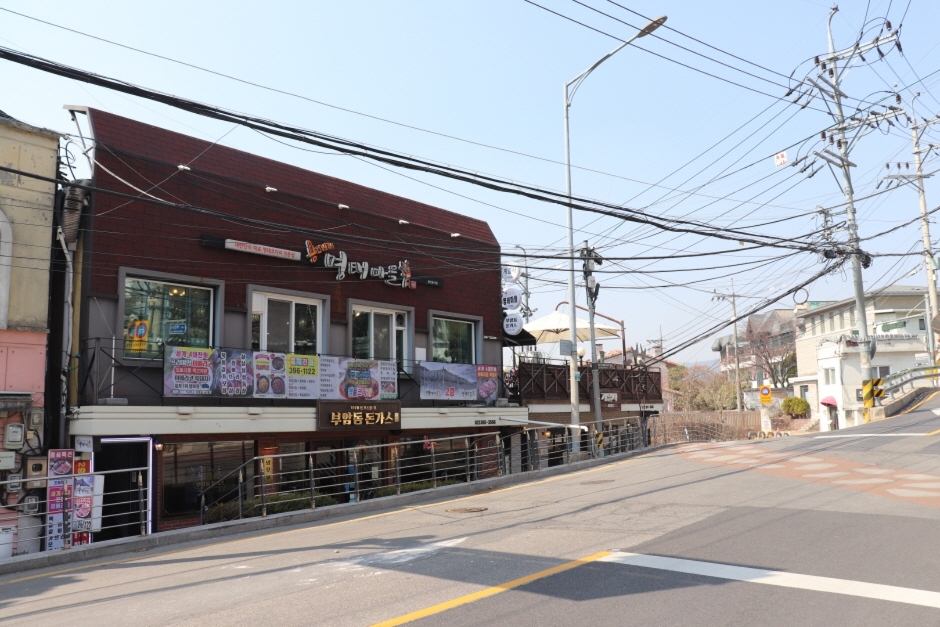
⊙ Buam-dong (부암동)
View detailed guide on Korea Trip Guide →
– Homepage
tour.jongno.go.kr
– Tel
+82-2-2148-1807
Buam-dong is a village located north of Gyeongbokgung Palace. It is designated as a development-restricted zone due to its proximity to the Cheong Wa Dae, preserving the old neighborhood’s appearance. There are numerous bakeries, cafés, restaurants, and small galleries housed in renovated traditional houses, making it a delightful place for a leisurely stroll. The nearby hiking trails connected to Bugaksan Mountain offer a tranquil journey through the forest, ideal for those seeking a peaceful retreat.
⊙ Whanki Art Museum (환기미술관)
View detailed guide on Korea Trip Guide →
– Homepage
www.whankimuseum.org
– Tel
+82-2-391-7701
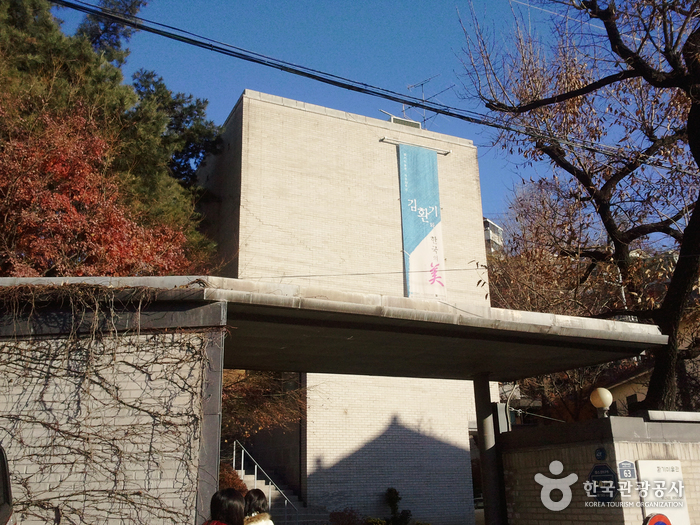
Whanki Art Museum exhibits the works of Kim Whanki (1913-1974), the pioneer of Korean abstract art. Kim was inspired by traditional features such as Korean mountains and streams, the sky, moons and clouds, the white porcelain and traditional patterns, and worked to express them in abstract forms through points, lines, and surfaces. The main collection features nearly 300 works by Kim. One can also find an art shop and a café.
⊙ Bugaksan Mountain (북악산)
View detailed guide on Korea Trip Guide →
– Homepage
www.jongno.go.kr/English
– Tel
+82-2-765-0297
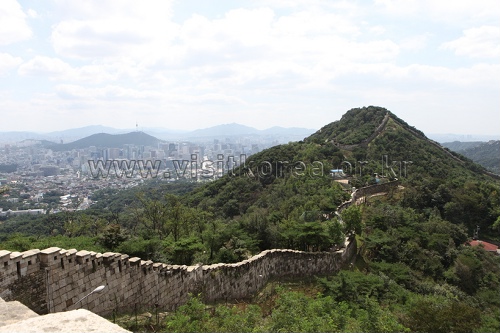
Bugaksan Mountain is the mountain that one can see behind the Gyeongbokgung Palace and the Cheong Wa Dae to the north. Hanyangdoseong, the city wall that surrounded the historic capital of Hanyang, was built by connecting the ridges of this mountain. These walls can still be found today, having been preserved quite well. Different trails weave through the area along the Hanyangdoseong, the Seoul City Wall, and one can visit these trails at night as well. Bugak Skyway is a road that connects Changuimun Gate to Jeongneung Royal Tomb, and one can get a great view of Seoul’s city center from the Palgakjeong Pavilion on Bugak Skyway.
⊙ Chengha Korea Ginseng Co., Ltd.[Korea Quality] (청하고려인삼(주)[한국관광 품질인증])
View detailed guide on Korea Trip Guide →
– Homepage
http://www.chkoreags.co.kr
– Tel
+82-2-395-1688
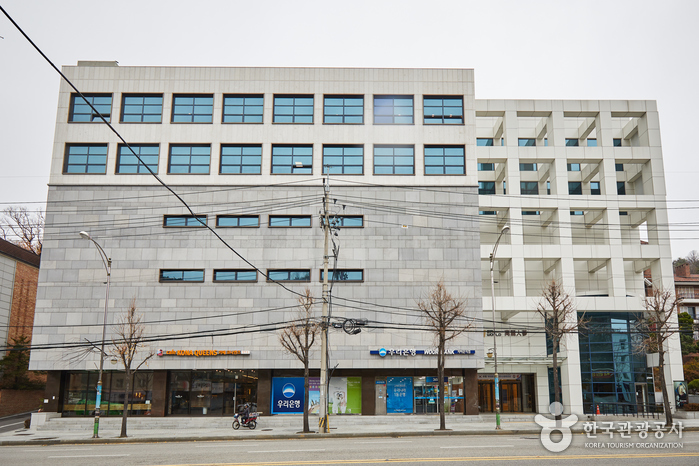
Cheonghagoryeo Ginseng Co Ltd in Jongno-gu, Seoul, is a specialist Korean ginseng company aiming to promote the history, culture, and efficacy of Korean ginseng to foreign tourists. The headquarters building houses a ginseng museum, two stores, a bank and a cafe. There are staff who are fluent in foreign languages, to help visitors with reservations, museum guidance, product consultation, and sales. We operate a thorough follow-up support service to ensure customer satisfaction.
⊙ Cheongha Korean Ginseng [Tax Refund Shop] (청하고려인삼)
View detailed guide on Korea Trip Guide →
–
⊙ Cheongun Literature Library (청운문학도서관)
View detailed guide on Korea Trip Guide →
– Homepage
www.jfac.or.kr
Cheongun Literature Library is located at the foot of Inwangsan Mountain and can be reached by following the mountain’s walking trail starting from Changuimun Gate along the fortress wall. This public hanok library is designed in consideration of the sloped topography and the natural scenery of Inwangsan Mountain. The library consists of two floors: an underground floor and a ground floor. While the ground floor is designed as a traditional hanok, the underground floor is made of concrete to support the hanok building and the spacious outdoor yard. By implementing the natural slope in the library’s design, the underground southern entrance is exposed, allowing sunlight to enter. The underground floor features a wide collection of books while the ground floor serves as a place for reading. The natural environment surrounding the library adds to the hanok building’s traditional and peaceful charms.
⊙ Mok In Museum Mok Seok Won (목인박물관 목석원)
View detailed guide on Korea Trip Guide →
– Homepage
www.mokinmuseum.com
– Tel
+82-2-722-5066
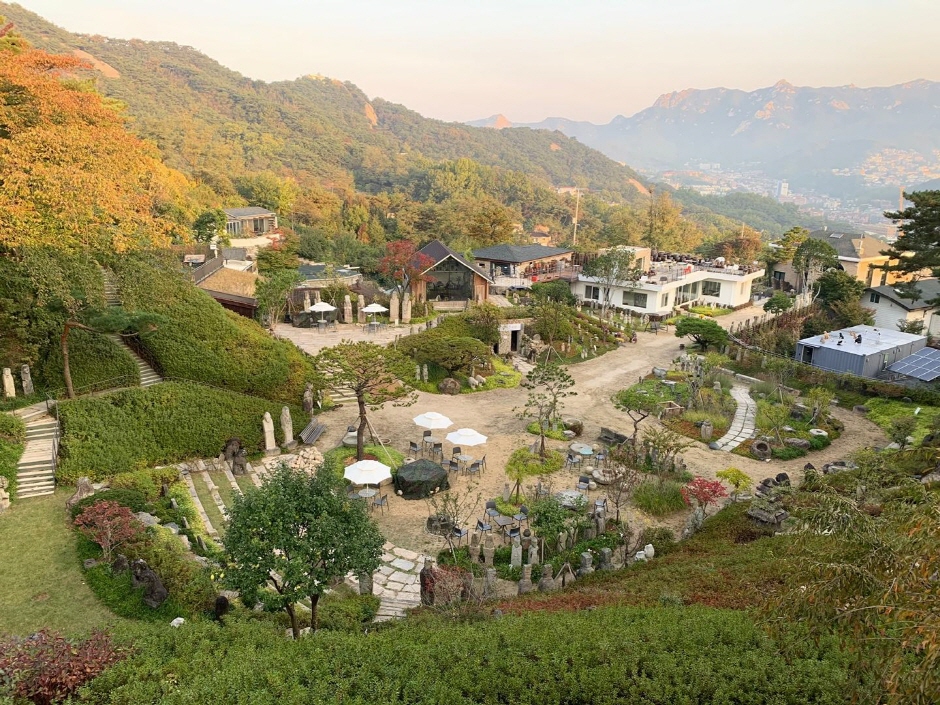
Mok In Museum Mok Seok Won relocated in 2019 from Insa-dong to Buam-dong. Six exhibition halls offer visitors a look at wooden figures from around the world. Mokin refers to traditional wooden sculptures carved in shapes of human figures or various animals. The museum holds around 12,000 wooden folk sculptures including those used to decorate funeral carriages and temples mostly from the Joseon dynasty up to modern times. The museum also has an outdoor exhibition hall that harmonizes the sculptures with nature.
⊙ Seokparang (석파랑)
View detailed guide on Korea Trip Guide →
– Homepage
https://www.instagram.com/seokparang
– Tel
+82-2-395-2500
Seokparang is a place built by relocating the Sarangchae of Heungseon Daewongun, the father of King Gojong of the Joseon dynasty. It boasts beautiful late Joseon-style gardens and three traditional hanok buildings. Here, one can enjoy authentic Gungjung hanjeongsik (royal Korean table d’hote) for both lunch and dinner, featuring meticulously prepared dishes such as traditional porridge, chilled salads, steamed prawns, kimchi cabbage wraps with pork, soybean paste jjigae set menu, and desserts. Diners can also savor traditional liquors crafted by artisans from across the country.
⊙ Suseongdonggyegok Valley (수성동계곡)
View detailed guide on Korea Trip Guide →
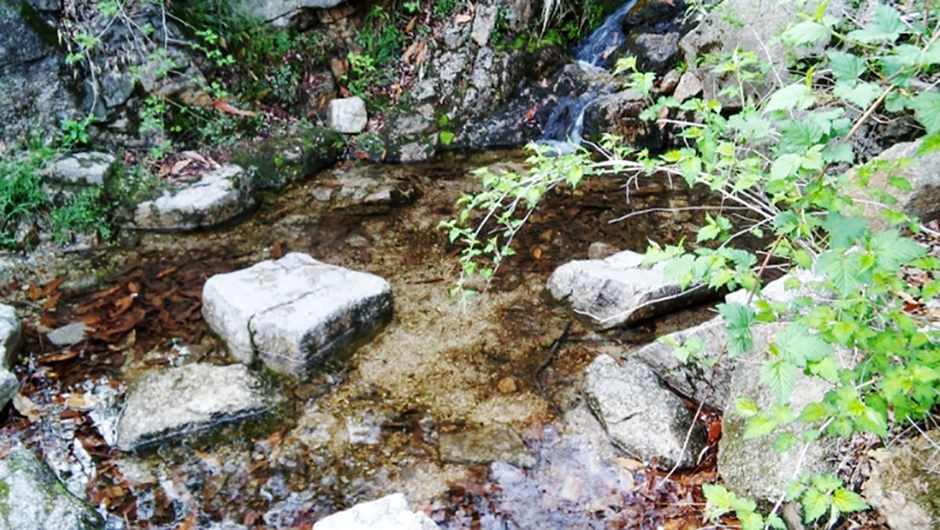
Suseong-dong Valley’s stream runs down from Inwangsan Mountain and joins Cheonggyecheon Stream, and it is said that the name of the village was called Suseong-dong during the Joseon dynasty due to the loud and clear sound of the flowing water. It appears in the painting “Jangdong Palgyeongcheop,” which is Jangdong Eight Scenic Views, that depicts the eight scenic views of Bugaksan Mountain and Inwangsan Mountain as well as in other historical books of the Joseon dynasty as a place of scenic beauty. The valley was so famous for its beauty, that Prince Anpyeong of the Joseon dynasty built his house “Bihaedang” to fully enjoy the view, and the valley and its stone bridge were designated as a cultural property of Seoul in 2010.
⊙ Sangchonjae House (상촌재)
View detailed guide on Korea Trip Guide →
– Homepage
www.jfac.or.kr/site/main/content/sangchj01
Sangchonjae House, run by the Jongno Cultural Foundation, is a traditional hanok cultural space located in Sejong Village, Ogin-dong, Jongno-gu, and operates various cultural Korean programs such as exhibitions, educational experiences, and events to fully experience Korea’s four seasons. The name Sangchonjae was conceived from the old name of Sejong Village, the western part of Gyeongbokgung Palace and the birthplace of King Sejong. The house reflects the lifestyle of an ordinary peasant during the Joseon dynasty. It consists of three buildings: the main building, the guesthouse known as sarangchae, and the annex. There is an experience center indoors offering tea ceremonies and traditional game experiences.
![Idolllook – Hongdae Branch [Tax Refund Shop] (아이돌룩 홍대)](https://ktrip.blogsailing.com/wp-content/uploads/2026/02/2888708_image2_1-768x366.jpg)
![Paris Miki – Lotte Avenuel Jamsil Branch [Tax Refund Shop] (파리미키 에비뉴엘잠실)](https://ktrip.blogsailing.com/wp-content/uploads/2026/02/2879002_image2_1-768x576.jpg)
](https://ktrip.blogsailing.com/wp-content/uploads/2026/03/4020005_image2_1.jpg)