Beodeul Maru – Korea Cultural Heritage Foundation Branch [Tax Refund Shop] (한국문화재재단 버들마루)
Beodeul Maru – Korea Cultural Heritage Foundation Branch [Tax Refund Shop] (한국문화재재단 버들마루)
–
– Address : 37, Samcheong-ro, Jongno-gu, Seoul
※ Presentation Information
– Fair Day
Monday – Sunday
– Information and Guides
+82-2-722-0787
– Opening Hours
09:00-18:30
– Parking
Not available
– Items for Sale
Services
– Shop Guide
Refund method (Time-frame) : Claim for refund
◎ Nearby Tourism Infobox
⊙ Osulloc – National Museum of Modern and Contemporary Art Branch [Tax Refund Shop] (오설록 현대미술관)
– Homepage
www.osulloc.com
–
⊙ Hwangsaengga Kalguksu (황생가칼국수)
View detailed guide on Korea Trip Guide →
– Homepage
http://xn--o39a20aq04bcfbdy7a0gl.com/theme/daontheme_pro01/html/store/01.php
– Tel
+82-2-739-6334
Hwangsaengga Kalguksu is a specialty restaurant located near Gyeongbokgung Palace, known for its kalguksu (noodle soup). Kalguksu is a type of noodle soup made by thinly slicing dough into noodles with a knife and boiling them in a broth made from beef bones, clams, or seafood. Their menu includes options like wang mandu (jumbo mandu), hanu suyuk (boiled Korean beef slices), kongguksu (noodles in cold soybean soup), beoseot jeongol (mushroom hot pot), and mandutguk (mandu soup). It was selected as a Michelin Guide Seoul 2023 restaurant.
⊙ K-Royal Culture Festival (궁중문화축전)
View detailed guide on Korea Trip Guide →
– Homepage
www.kh.or.kr
– Tel
+82-1522-2295
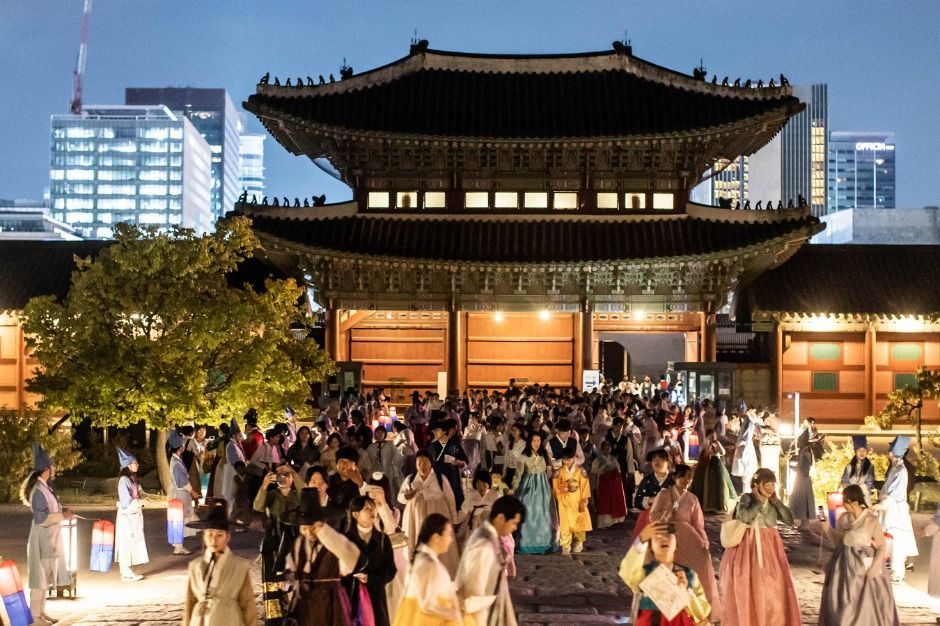
The K-Royal Culture Festival is held at the five Royal Palaces and Jongmyo Shrine. The festival first began in 2014 and provides visitors with first-hand knowledge of these important cultural heritages through unique performances, exhibitions, experiences and programs. The festival expanded in 2021 to be hosted twice a year, in spring and in fall.
⊙ Gyeongbokgung Palace (경복궁)
View detailed guide on Korea Trip Guide →
– Homepage
royal.khs.go.kr
– Tel
+82-2-3700-3900
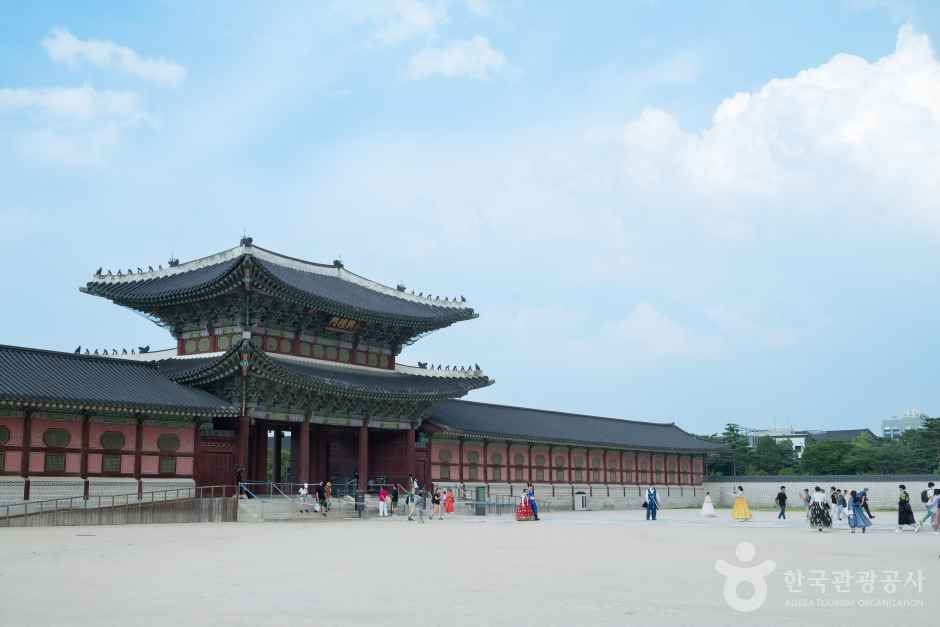
Gyeongbokgung Palace was built in 1395 as the official palace of the Joseon dynasty by Yi Seong-gye, the future King Taejo and founder of the new regime. Gyeongbokgung Palace is commonly referred to as the Northern Palace because of its location to the north, comparied to Changdeokgung Palace in the east and Gyeonghuigung Palace in the west. Gyeongbokgung Palace is arguably the most beautiful and is the largest of all five palaces. Many Joseon kings were crowned here. The premises were once destroyed by fire during the Imjin War (1592-1598). However, all of the palace buildings were later restored under the leadership of Heungseondaewongun during the reign of King Gojong. The assassination of Empress Myeongseong, however, resulted in Gyeongbokgung Palace losing its function as a royal palace, eventually witnessing the downfall of the Joseon dynasty. Gyeongbokgung Palace retains the original Gyeonghoeru Pavilion, a prime example of Joseon architecture, and the Hyangwonjeong Pavilion and pond. The sculptures in the Geunjeongjeon Hall exemplify Joseon-era sculpture techniques. The west side of the area outside Heungnyemun Gate is occupied by the National Palace Museum of Korea, while the eastern side of Hyangwonjeong Pavilion within the Gyeongbokgung Palace is occupied by the National Folk Museum of Korea.
⊙ Palace Royal Guard Changing Ceremony (수문장 교대의식)
View detailed guide on Korea Trip Guide →
– Homepage
www.chf.or.kr
– Tel
+82-2-3210-1645
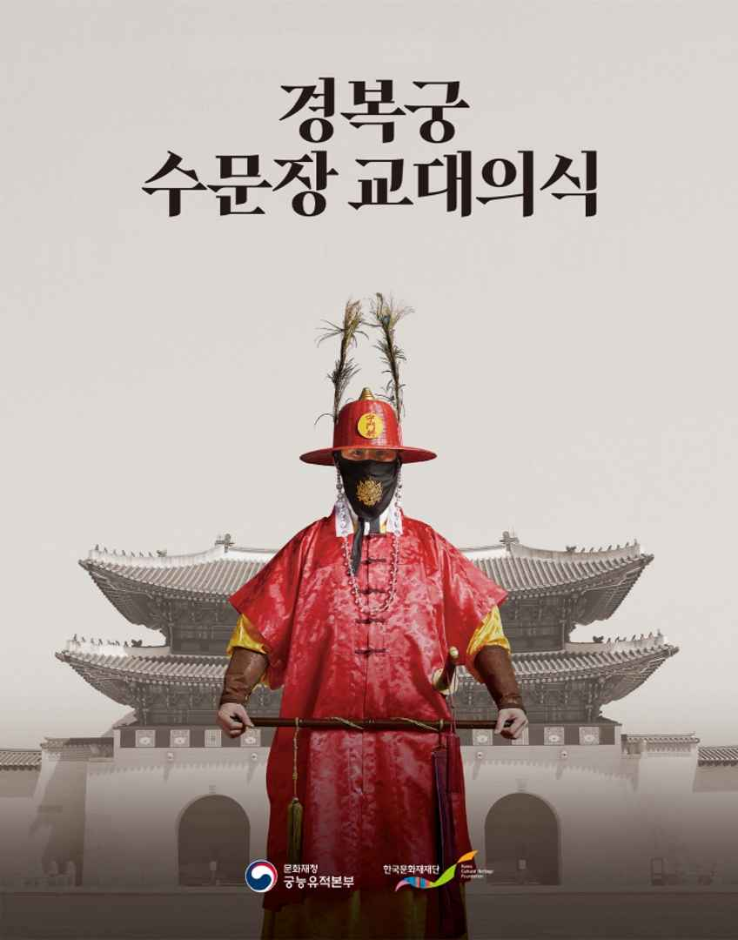
In the Joseon dynasty, the royal guards of the palace were gatekeepers who were responsible for guarding the the main gates of Gyeongbokgung Palace as well as the main gates of the city such as Heunginjimun Gate and Sungnyemun Gate. The royal guards worked in shift duties and were in charge of opening and closing Gwanghwamun Gate. Before the royal guard system was enforced in 1469, the palace gates were protected by soldiers of the central army. The Palace Royal Guard Changing Ceremony held at Gyeongbokgung Palace and the Gwanghwamun area reenacts the guard-changing procedure that took place during the Joseon dynasty, along with the reproduction of costumes and weapons, based on historical records.
⊙ Africa Museum of Art (아프리카미술관)
View detailed guide on Korea Trip Guide →
– Tel
+82-2-730-2430
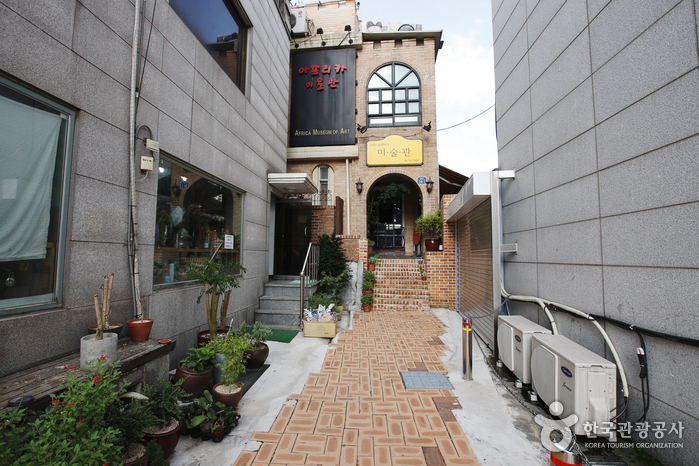
The Africa Museum of Art was established with the purpose of hosting various art festivals and providing the grounds for researching various art themes. A major principle of the gallery is to promote works of art that actively attempt to explore the human mind.
⊙ The Hanok Smith Likes (스미스가 좋아하는 한옥)
View detailed guide on Korea Trip Guide →
– Tel
+82-2-722-7003
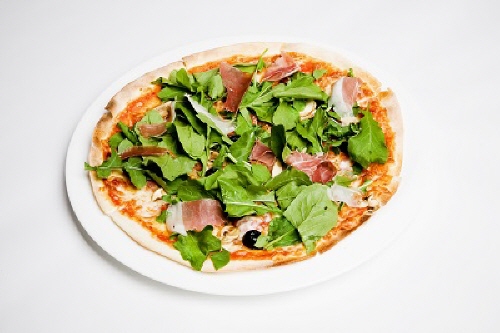
The Hanok Smith Likes is a restaurant located near Gyeongbokgung Palace, housed in a renovated hanok. It offers a fusion of Korea’s traditional beauty with Italian cuisine. Specializing in oven-baked pizza and pasta, it also features a variety of Italian dishes. The oven-baked pizzas are particularly popular, known for their chewy crusts and generous toppings. In 2023, it was selected for the Michelin Guide Seoul.
⊙ Kukje Gallery (국제갤러리)
View detailed guide on Korea Trip Guide →
– Homepage
www.kukjegallery.com
– Tel
+82-2-735-8449
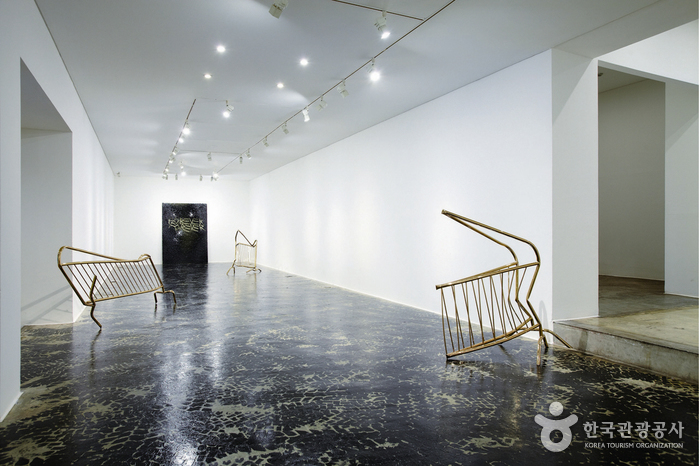
The Kukje Galley has been committed to presenting the work of significant Korean and international contemporary artists to the public since 1982. The gallery has established itself as a leading venue for international exhibits such as Helen Frankenthaler, Sam Francis, Jim Dine, Frank Stella, Robert Mangold, Anthony Caro, Cy Twombly, Edward Ruscha, Anselm Kiefer, Joseph Beuys, and Bill Viola, attracting enthusiastic responses from both the public and the media.
The gallery has placed emphasis on collaborations between artists, galleries, and art dealers around the world and nurturing upcoming artists by sponsoring their artwork and giving them international exposure.
⊙ Aēsop – Samcheong Branch [Tax Refund Shop] (이솝 삼청)
–
](https://ktrip.blogsailing.com/wp-content/uploads/2026/03/4029397_image2_1.jpg)
](https://ktrip.blogsailing.com/wp-content/uploads/2026/03/4024495_image2_1-768x576.jpg)
![Series; Corner [Tax Refund Shop] (시리즈코너)](https://ktrip.blogsailing.com/wp-content/uploads/2026/02/2891109_image2_1-768x432.jpg)
![H&M – Lotte Mall Gimpo Branch [Tax Refund Shop] (에이치엔엠 롯데몰 김포공항점)](https://ktrip.blogsailing.com/wp-content/uploads/2026/02/2889937_image2_1.jpg)
One Comment