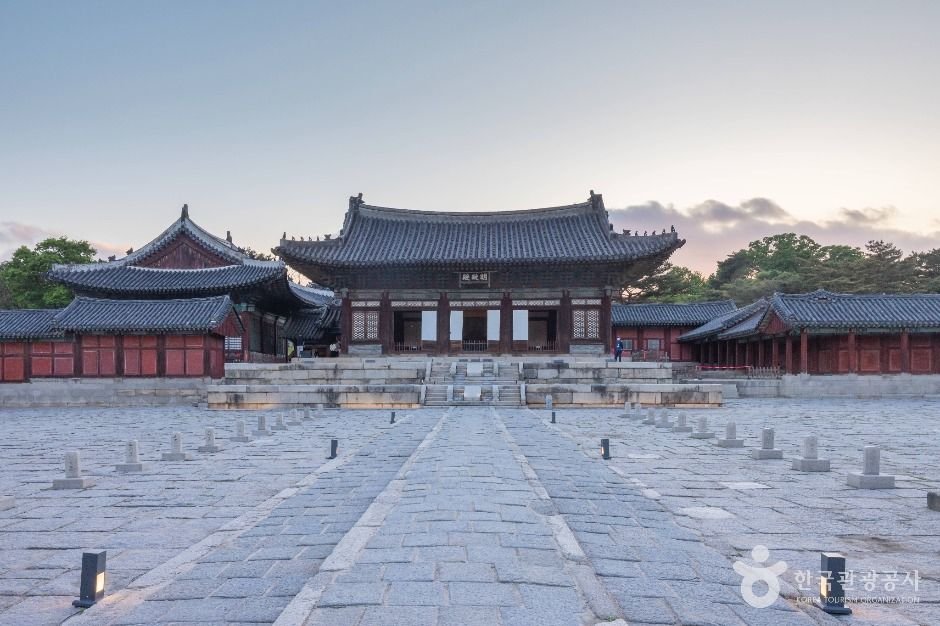
Changgyeonggung Palace (창경궁)
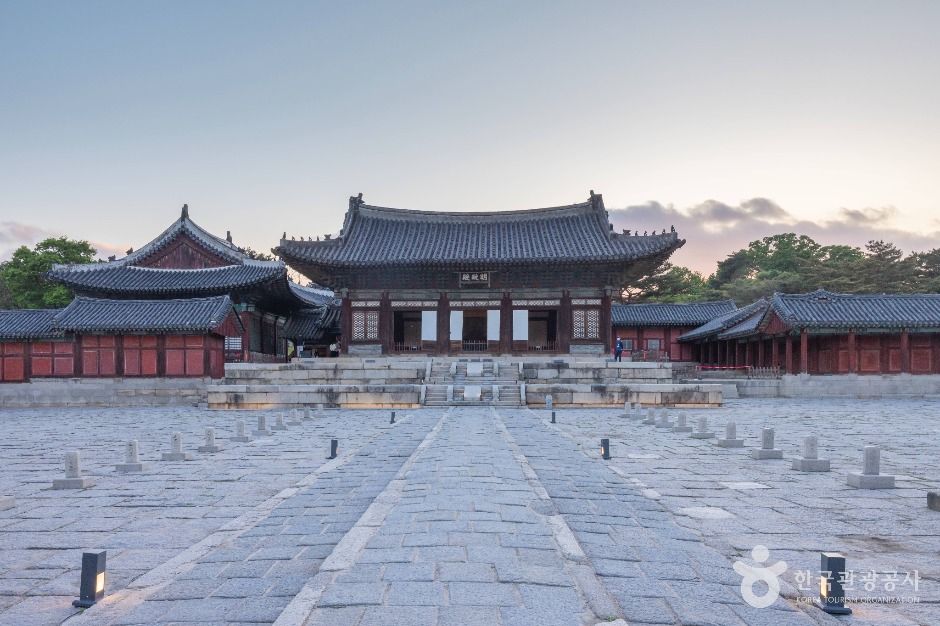
Changgyeonggung Palace (창경궁)
 – Homepage
royal.khs.go.kr/cgg
– Tel
+82-2-762-4868
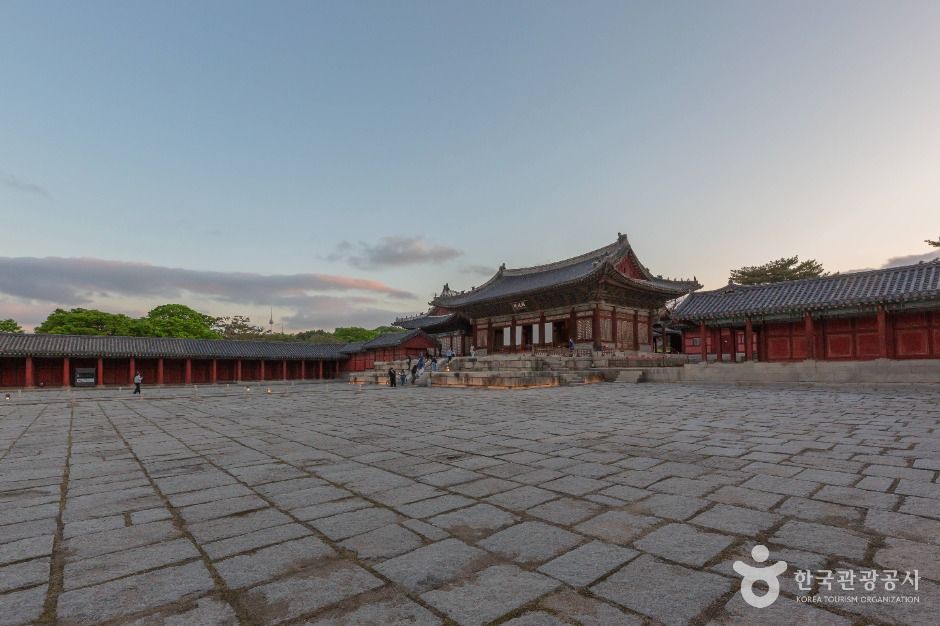
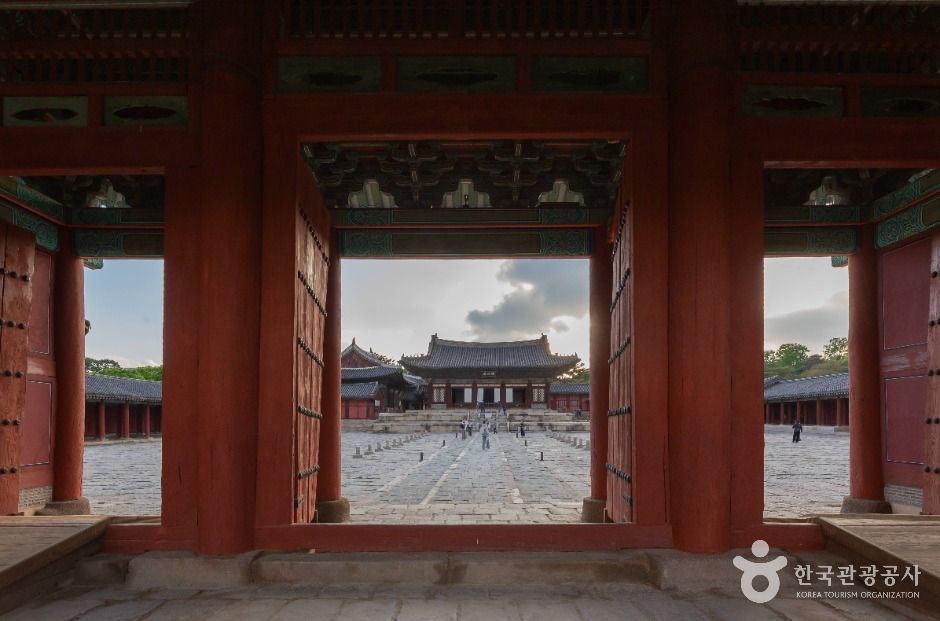
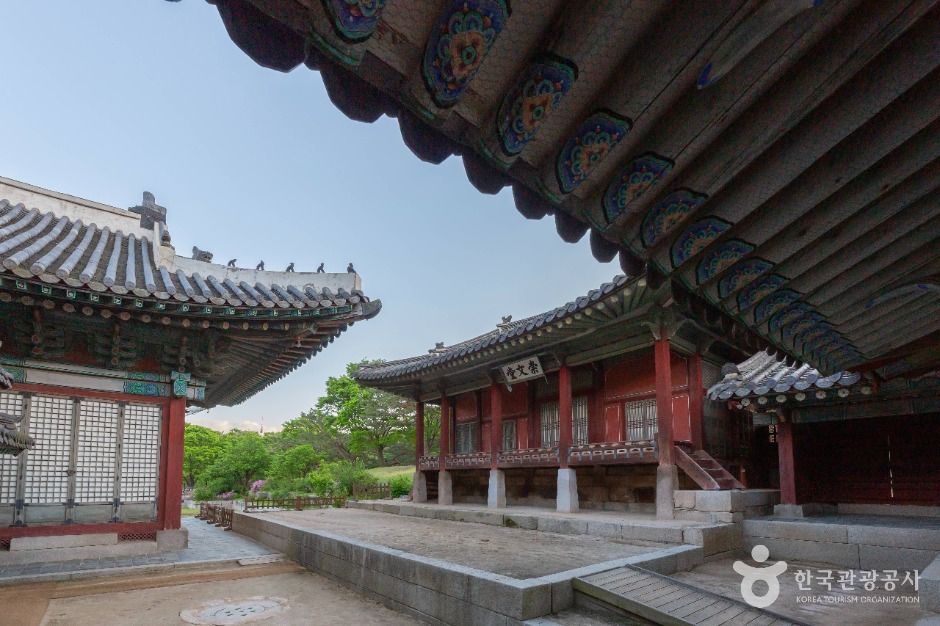
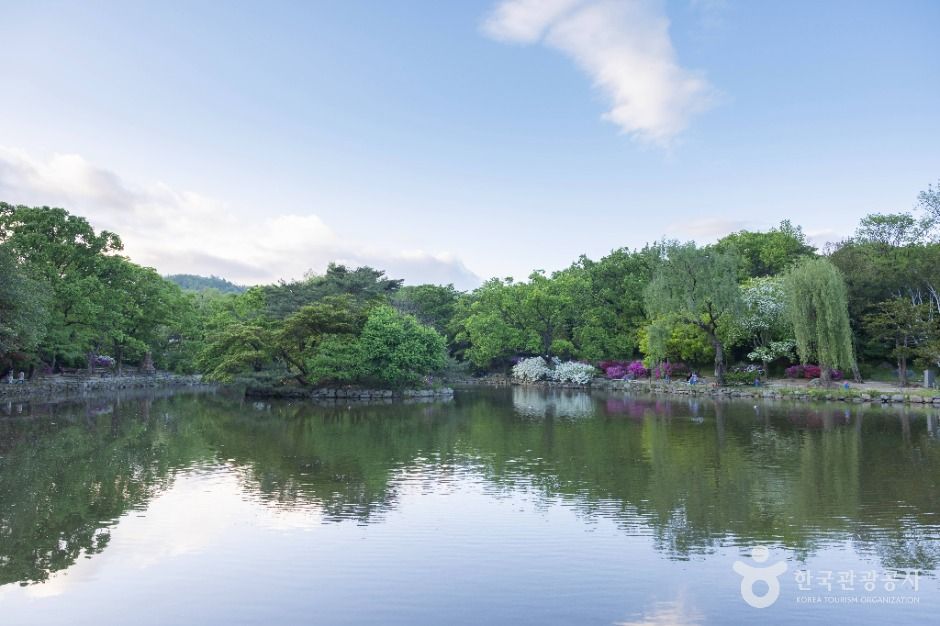
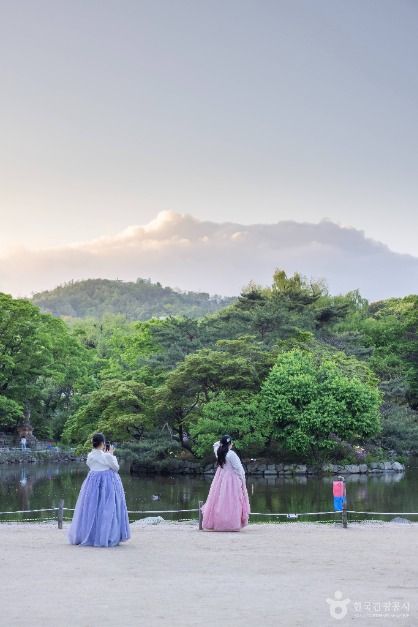
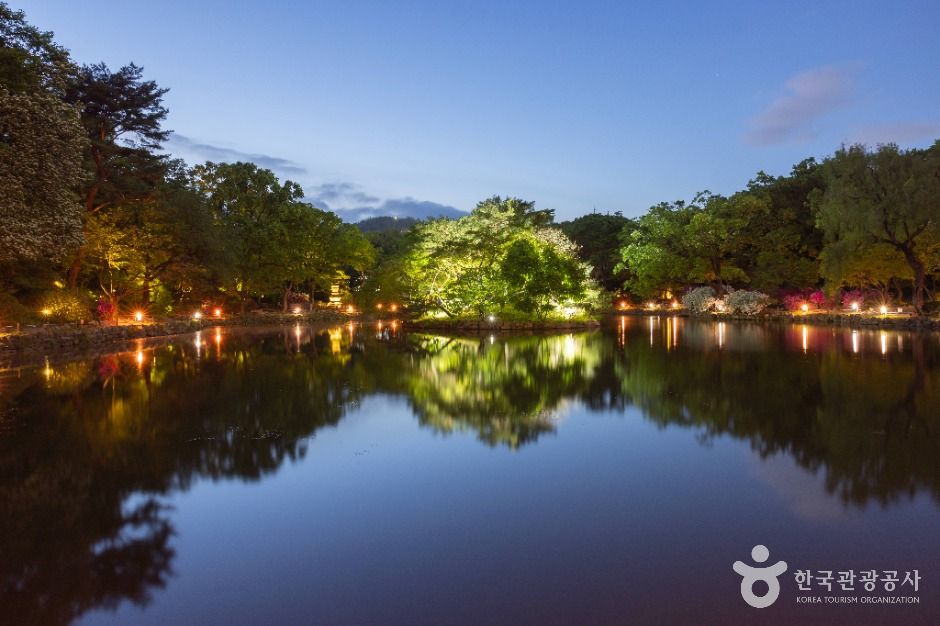
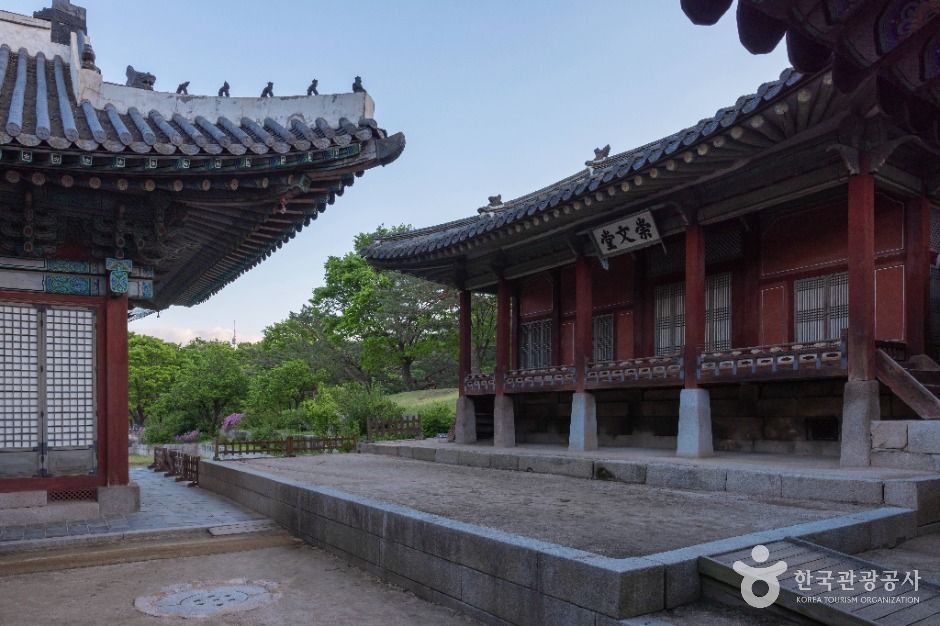
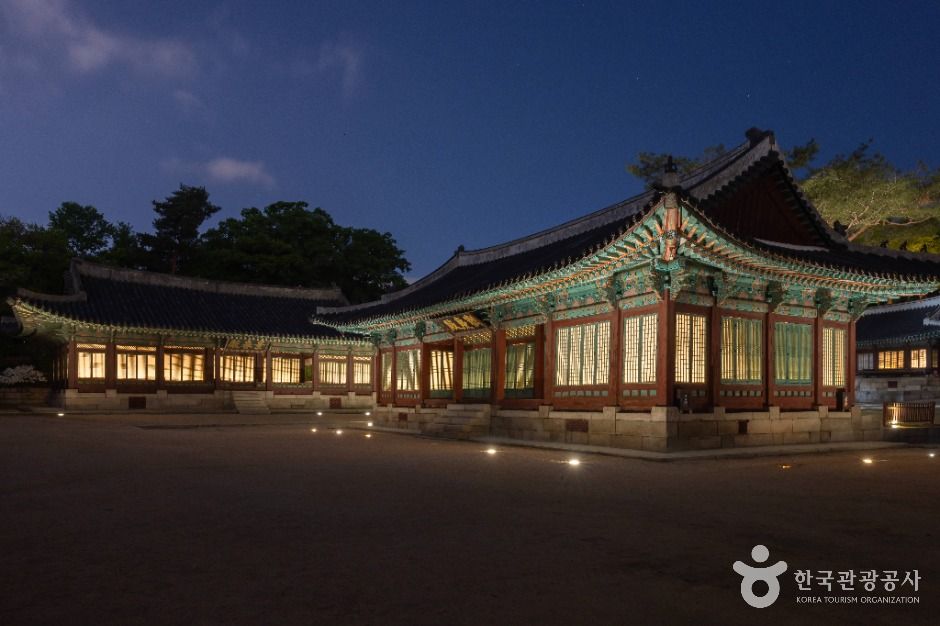
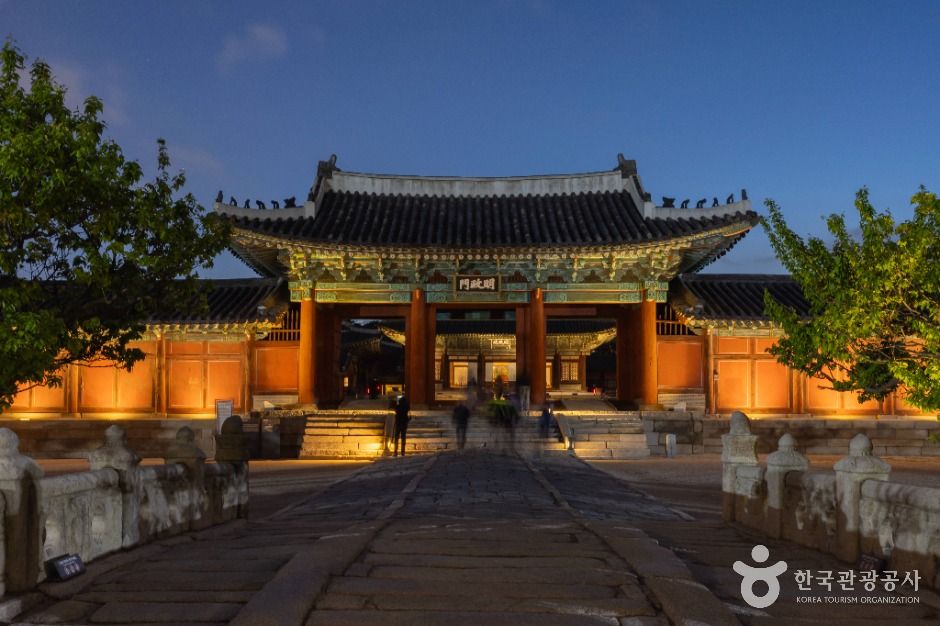
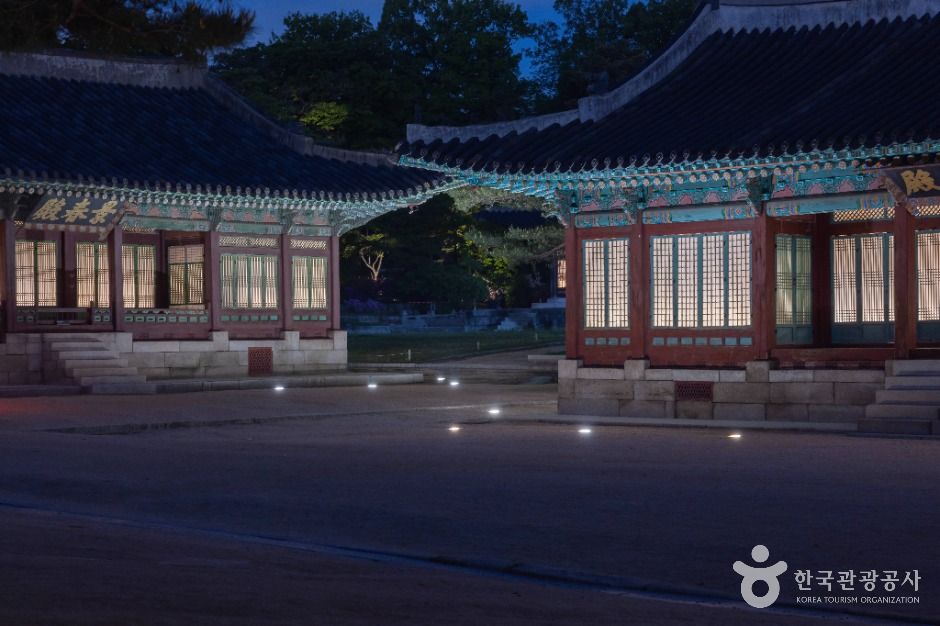
Located in the heart of Seoul, Changgyeonggung Palace was originally built as Suganggung Palace by the 4th ruler of the Joseon dynasty, King Sejong (r.1418-1450), for his retiring father, King Taejong. It often served as residential quarters for queens and concubines. During the reign of King Seongjong (r.1469-1494), the palace was renovated and renamed to Changgyeonggung Palace. It later became a park with a zoo and a botanical garden during Japanese colonial rule. The palace grounds remained this way until 1983 when restoration of its old grace was completed.
– Address : 185 Changgyeonggung-ro, Jongno-gu, Seoul
※ Presentation Information
– Information and Guides
+82-2-762-4868
– Parking
Available (22 parking spaces)
– Day Off
Mondays * Closed the next business day if Monday is a holiday
– Operating Hours
09:00-21:00 (Last admission 20:00)
◎ Nearby Tourism Infobox
⊙ The Museum of Medicine (서울대학교병원의학박물관)
View detailed guide on Korea Trip Guide →
– Homepage
http://medicalmuseum.org
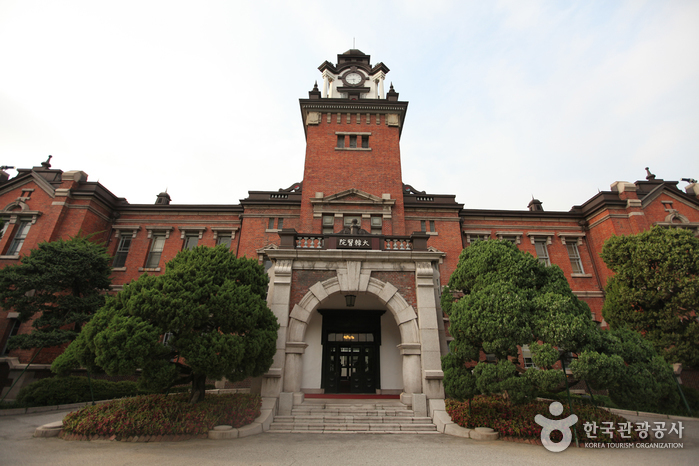
The Museum of Medicine is located in the building of the former Daehan Medical Center, the oldest modern hospital in Korea. It is a medical museum that provides a comprehensive view of the development of modern medicine in Korea, the history of medical devices, and the transformation of Seoul National University Hospital. Through permanent and special exhibitions, the museum showcases medical artifacts and documents related to the history of medicine.
⊙ Seoul Daehan Hospital (서울 대한의원)
View detailed guide on Korea Trip Guide →
– Homepage
tour.jongno.go.kr
www.cha.go.kr
– Tel
+82-2-2148-1842
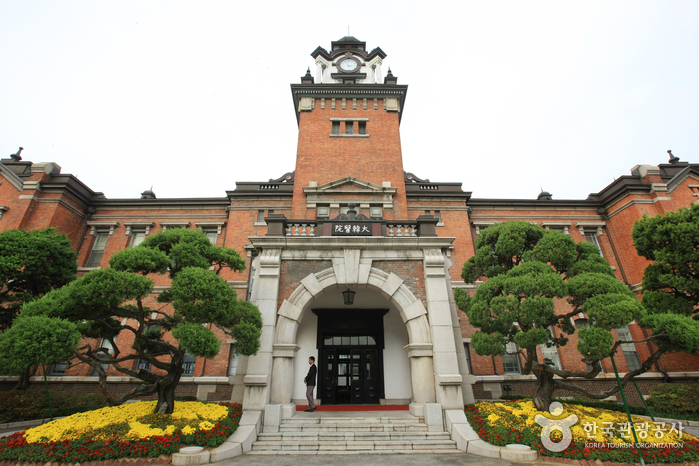
Daehanuiwon (Daehan Medical Center) is an antique two-story brick building within the grounds of Seoul National University Hospital. It was established under the direct administration of the Uijeongbu (State Council), combining the Gwangjewon (under the Home Ministry), Gyeongseong Medical School and the Korean Red Cross Hospital (under the Royal Household).
Built in the Madubong Hill area, this location where Hamchunwon, the outer garden of Changgyeonggung Palace, once stood in 1484 (15th year of King Seongjong), was also once the site of Gyeongmogung Palace, where King Jeongjo enshrined the mortuary tablet of his birth father Crown Prince Sado Seja in 1776 (the year King Jeongjo ascended to the throne).
These places that held importance for the royal family were destroyed as the Japanese built Gyeongseong Empire University in its place. In 1907, with the announcement of the plan to establish Daehan Medical Center, construction began on the main building, seven wards and affiliated buildings. Construction was completed in November 1908.
The Daehan Medical Center opened in Gwangjewon, but upon Japanese colonization in 1910, its name was changed to the Japanese Viceroyalty Hospital. In 1926, it was included as a part of Gyeongseongjeguk University to become a university hospital. Since the liberation of Korea in 1945, it has been a hospital affiliated with Seoul National University.
⊙ Nakseonjae Hall (낙선재)
View detailed guide on Korea Trip Guide →
– Tel
+82-2-2148-1822
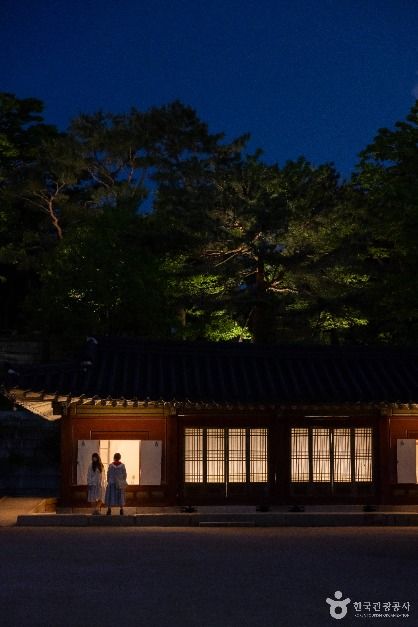
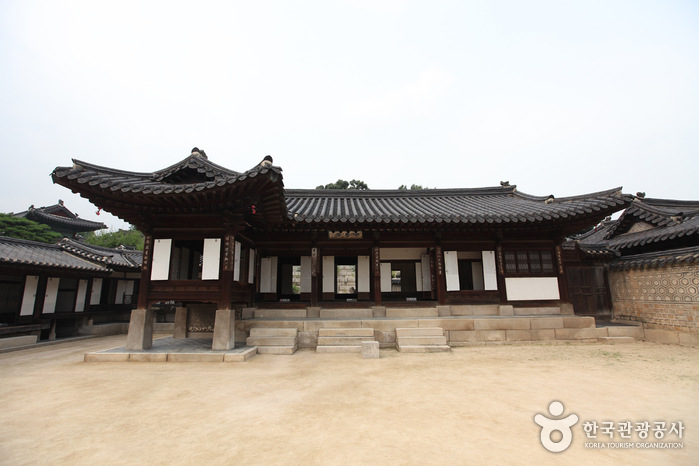
Located inside Changdeokgung Palace, Nakseonjae Hall is a one-story structure built in ikgong style (bird wing-shaped eaves placed on top of the pillars) with a hip tiled and gable roof. It has 6 kan in the front and 2 kan (traditional unit of measurement of the space between pillars) to the sides. It originally belonged to the nearby Changgyeonggung Palace, but came to be considered a part of Changdeokgung Palace in more recent years.
The hall was constructed in 1846 (12th year of King Heonjong’s reign) and it is collectively called Nakseonjae together with the adjacent Seokbokheon Hall and Sugangjae Hall.
Behind the building is a flower garden made of stacked large stones. The chimney, the flowers, and the oddly shaped stones harmoniously blend into one another to create an outstanding landscape gardening.
⊙ Changgyeonggung Palace Honghwamun Gate (창경궁 홍화문)
View detailed guide on Korea Trip Guide →
– Homepage
tour.jongno.go.kr
cgg.cha.go.kr
– Tel
+82-2-762-4868
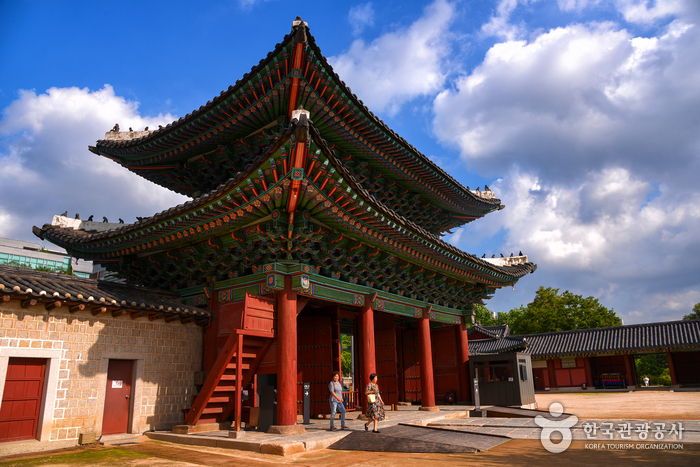
Honghwamun Gate is the main gate of Changgyeonggung Palace. It has three opening gates in the front and two to the side with a sophisticated locking mechanism.
⊙ Changdeokgung Injeongmun Gate (창덕궁 인정문)
View detailed guide on Korea Trip Guide →
– Homepage
https://royal.khs.go.kr/
– Tel
+82-2-3668-2300
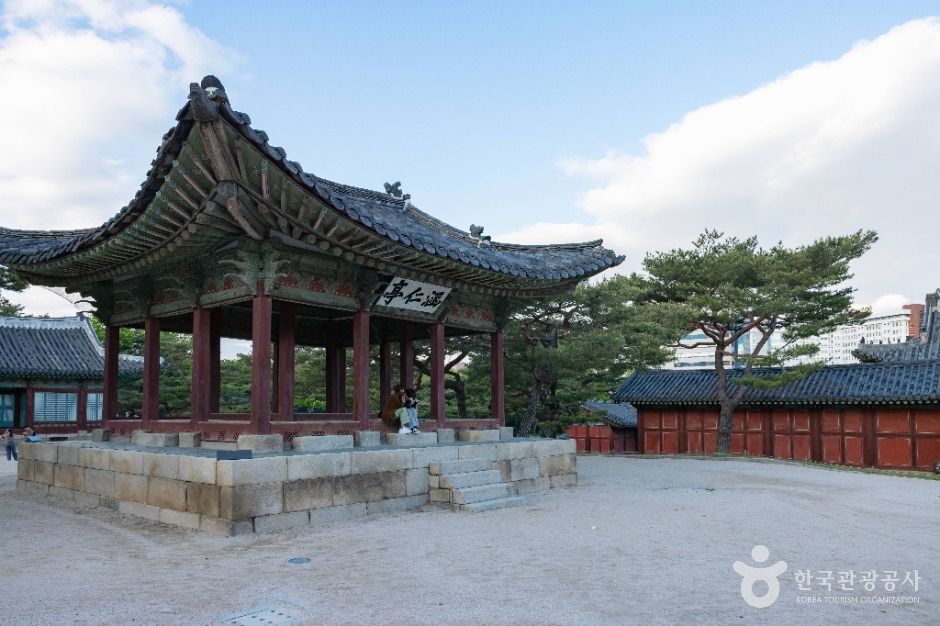
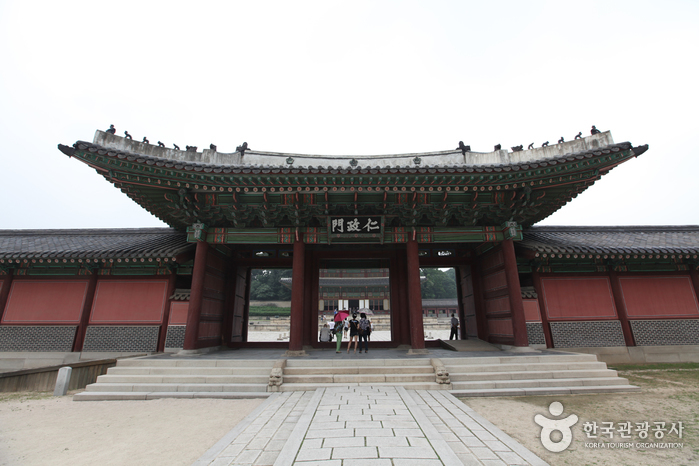
Serving as the main gate of Injeongjeon Hall, Injeongmun Gate was established in 1405 (5th year of King Taejo’s reign during the Joseon dynasty). Later on, the gate was destroyed by multiple fires during the Imjin War (Japanese invasion of Korea in 1592), therefore current form of the establishment displays designs that are more often seen in the late 19th century’s. In addition, a lot
of subsidary marks and buildings are removed from the original places and relocated passing the time, however, still remains to represent prestigious ambience.
Injeongmun Gate served as the place for several coronation ceremonies of kings, prince’s succession of throne, and many other national affairs celebrated by the royal members who gathered and aligned around this gate.
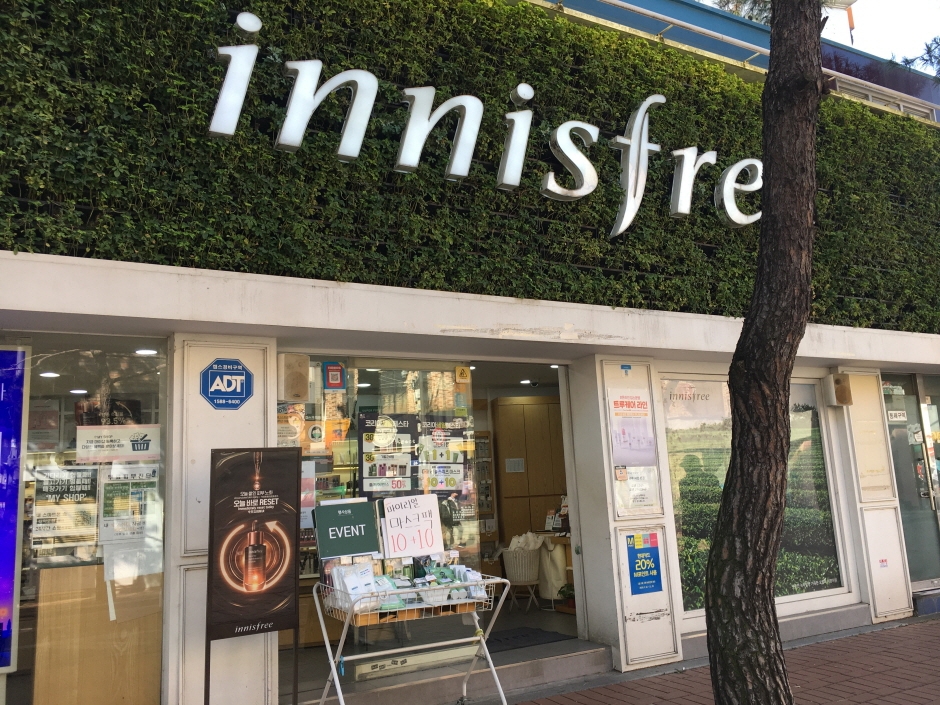
⊙ Innisfree – Daehangno Branch [Tax Refund Shop] (이니스프리 대학로)
–
⊙ Olive Young – Daehakro Branch [Tax Refund Shop] (올리브영 대학로점)
–
⊙ Seoul National University Hospital (서울대학교병원)
View detailed guide on Korea Trip Guide →
Seoul National University Hospital, a national central hospital that has led Korean medicine for over 130 years, is a top-tier hospital equipped with world-class medical professionals and cutting-edge systems. For 25 consecutive years, it has ranked first in brand power in the hospital sector. The hospital is renowned for its cancer research, the most comprehensive pediatric care in the country, and treatments for rare and intractable diseases. Through patient-centered, personalized services, it has established itself as a trusted healthcare institution.
⊙ Olive Young – Hongdae Daehangno Branch [Tax Refund Shop] (올리브영 홍대대학로)
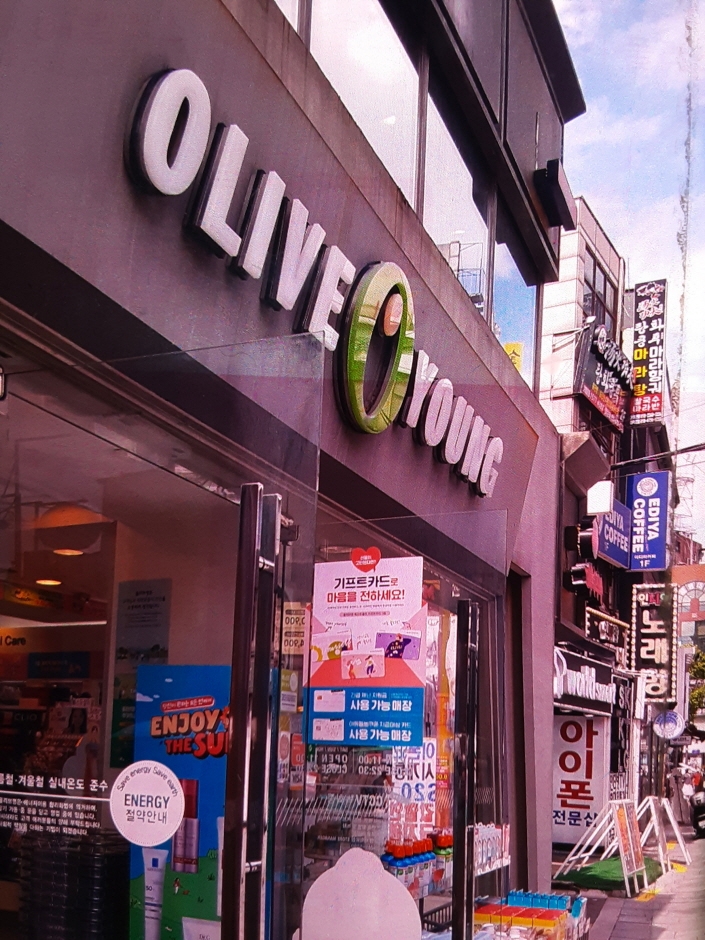
– Homepage
www.o1iveyoung.co.kr
–
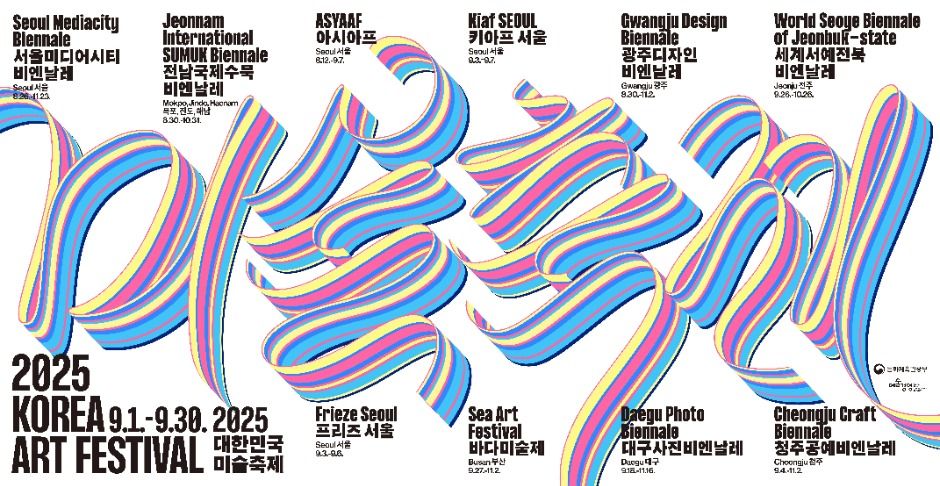
⊙ Korea Art Festival (대한민국 미술축제)
View detailed guide on Korea Trip Guide →
– Homepage
k-artfestival.com
– Tel
+82-70-7575-0980
Korea Art Festival is the nation’s largest art festival that connects the 12 major art fairs and biennales taking place nationwide. The 2025 festival takes place in September, inviting visitors to enjoy the world of art.
![Olive Young – Hwigyeong-dong Branch [Tax Refund Shop] (올리브영 휘경동)](https://ktrip.blogsailing.com/wp-content/uploads/2026/02/2888937_image2_1-768x576.jpg)
![Himart – Apgujeong Branch [Tax Refund Shop] (하이마트 압구정점)](https://ktrip.blogsailing.com/wp-content/uploads/2026/02/2879755_image2_1-768x576.jpg)
![Westwood [Tax Refund Shop] (웨스트우드)](https://ktrip.blogsailing.com/wp-content/uploads/2026/02/3312888_image2_1-768x576.jpg)
![Soda [Tax Refund Shop] (소다)](https://ktrip.blogsailing.com/wp-content/uploads/2026/01/3313332_image2_1-768x576.jpg)
One Comment