Cheongchun Balsan Village (청춘발산마을)
Cheongchun Balsan Village (청춘발산마을)
 – Homepage
www.bal-san.com: Visit site
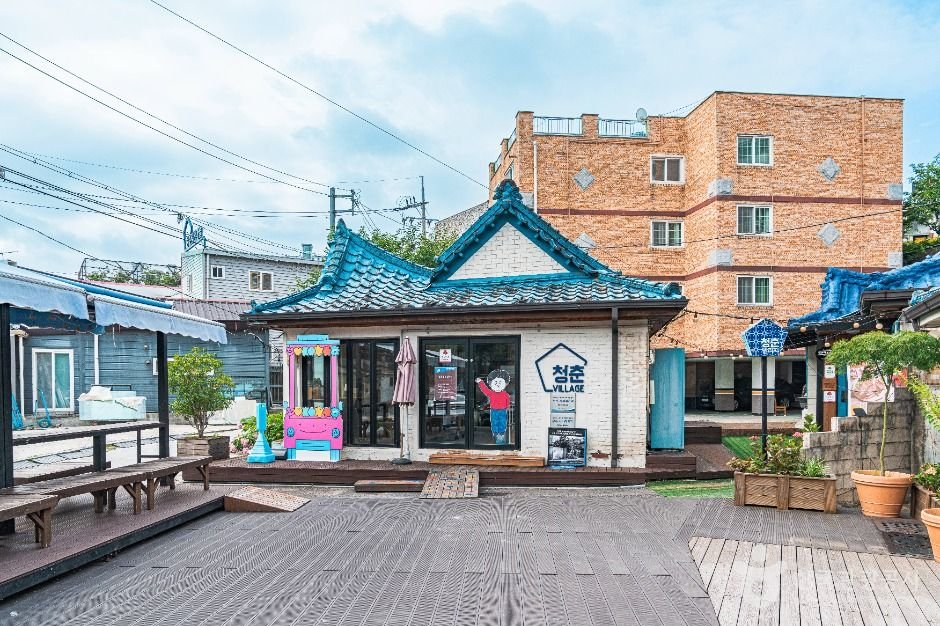
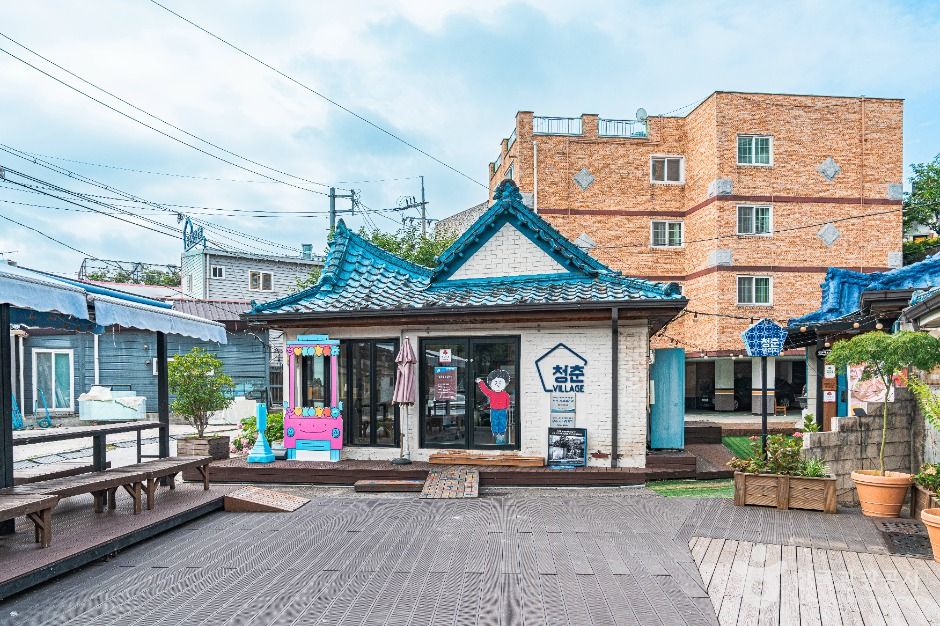
Balsan Village is a representative neighborhood of Jeonnam-Gwangju Special Metropolitan City and is a prime example of how something amazing can come out of hardship. First settled by Korean war refugees, the small houses jam-packed on a hillside attracted young people looking for work in the 1970s and ’80s, mainly females working in the garment factories nearby. Recently, the addition of colorful murals and public spaces has given the village a breath of new life.
– Address : 12-16 Cheonbyeonjwa-ro, Seo-gu, Jeonnam-Gwangju Special Metropolitan City
※ Presentation Information
– Age Range
Open to visitors of all ages
– Information and Guides
+82-70-4910-0339
– Parking
Not available
– Day Off
N/A (Open all year round)
– Operating Hours
Open 24 hours


◎ Nearby Tourism Infobox
⊙ Creation & Love Women’s Hospital (CLWH) (시엘병원)
View detailed guide on Korea Trip Guide →
Based on over 25 years of clinical experience, Ciel Fertility Hospital provides comprehensive medical services including infertility diagnosis, artificial insemination, IVF (in vitro fertilization), and laparoscopy and hysteroscopic surgery. It is a global infertility hospital that operates an international medical center and provides interpretation and concierge services to patients overseas, including in Mongolia, Russia, and the United States, and guarantees safe and reliable medical services and an environment where patients can focus on treatment.
⊙ Gwangju KIA Champions Field (광주-기아 챔피언스 필드)
View detailed guide on Korea Trip Guide →
– Homepage
tigers.co.kr: Visit site
Gwangju KIA Champions Field is the first open-air stadium in the country and houses INC COFFEE, making it a must-visit attraction for baseball fans. The café offers spacious seating and various bakery items– with the baseball-shaped bread being the most popular. There is also a photo zone, allowing visitors to capture the memories of their trip. With a seating capacity of 20,500, tickets for the seats can be purchased online or on-site.
⊙ H1 Hotel (에이치원호텔)
View detailed guide on Korea Trip Guide →
– Homepage
www.h1hotel.co.kr: Visit site
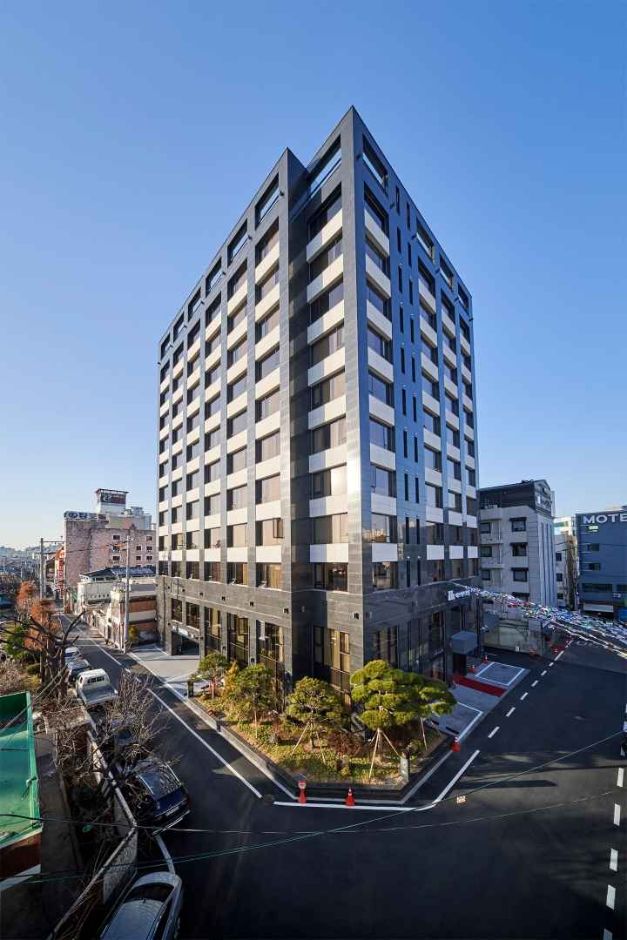
H1 Hotel Gwangju is a business hotel that provides the comfort of a hotel with the cozy feeling of home. Offering a variety of room options to suit the diverse preferences of the guests, the hotel features a unique interior, neat and convenient facilities, affordable prices, and exceptional services. Guests can also enjoy various cultural activities or unwind at the rooftop swimming pool.
⊙ Geumnam-ro Street (금남로)
View detailed guide on Korea Trip Guide →
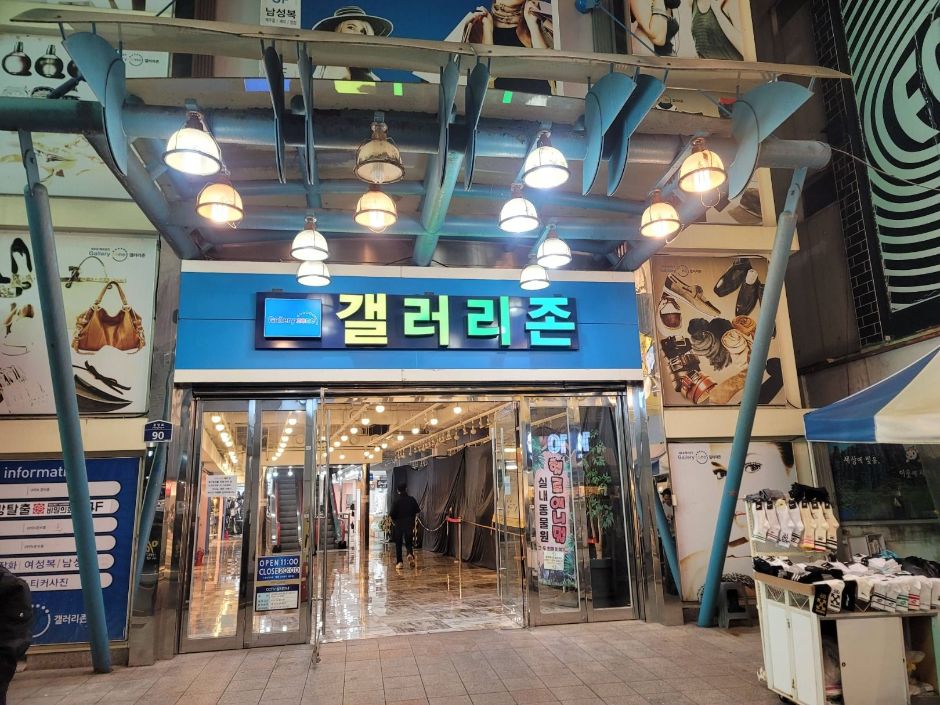
Geumnam-ro Street used to be in the government office quarters, and is now the center of the city’s finacial sphere, with many banks, insurance companies and public offices lining the street. During the May 18 Movement, the citizens gathered at Geumnam-ro Steet and marched together to express their sadness and give support for the sublimation of the nation. In modern times, the street serves as a meeting space for citizens, with an underground shopping mall and a plaza around a fountain, where events and performances freely take place.
⊙ Chonnam National University Museum (전남대학교 박물관)
View detailed guide on Korea Trip Guide →
– Homepage
museum.jnu.ac.kr: Visit site
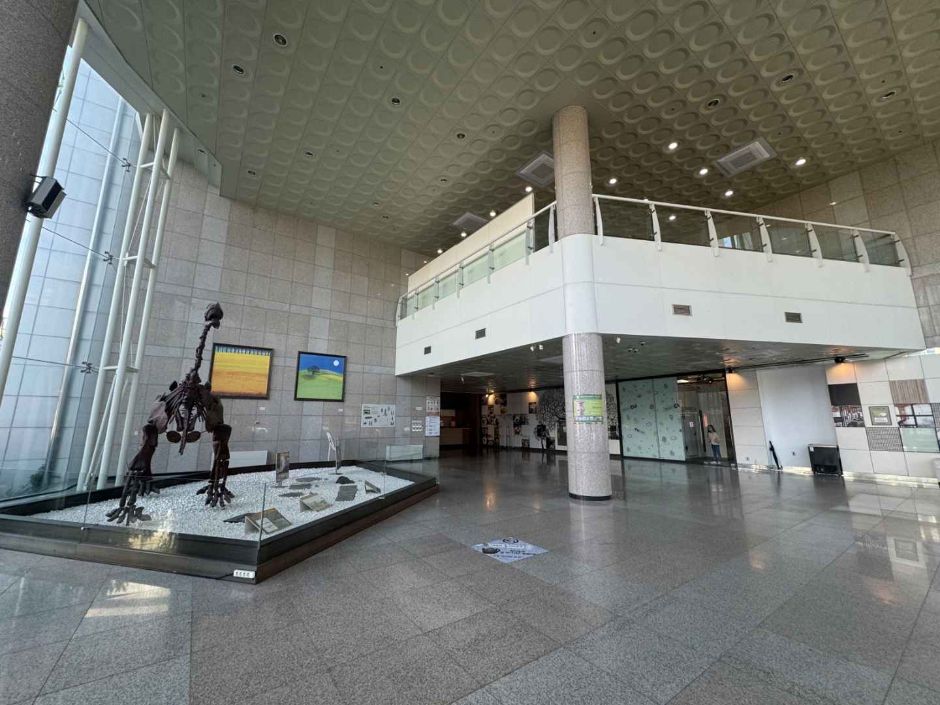
The Cheonnam National University Museum showcases a variety of domestic and international works on history, anthropology, culture, and folklore, along with providing research materials. Initially established as a research center for the faculty and students, the museum has evolved into its current form since 2002. Visitors can explore exhibitions on diverse topics and immerse themselves in different cultures at the learning center of the museum.
⊙ Kwangju Bank Museum (KJB금융박물관 (광주은행 금융박물관))
View detailed guide on Korea Trip Guide →
– Homepage
museum.kjbank.com: Visit site
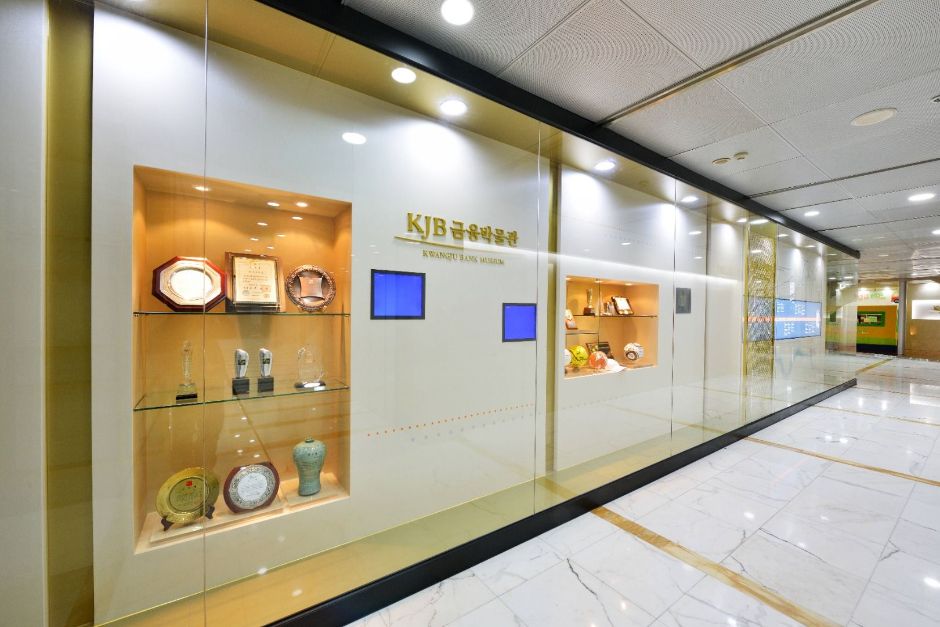
Kwangju Bank Museum established to celebrate the 44th anniversary of the bank, is the first financial bank in the Honam region. Visitors can explore a collection of over one thousand financial artifacts and learn about the history of financial institutions in the region, as well as the evolution of Korean and global currency at the museum. The museum offers financial educational programs for various age groups and also provides a cultural space, allowing visitors to connect through art and learn more about the region’s heritage.
⊙ Dream People Enter (드림피플엔터)
View detailed guide on Korea Trip Guide →
– Homepage
www.gjski.co.kr: Visit site
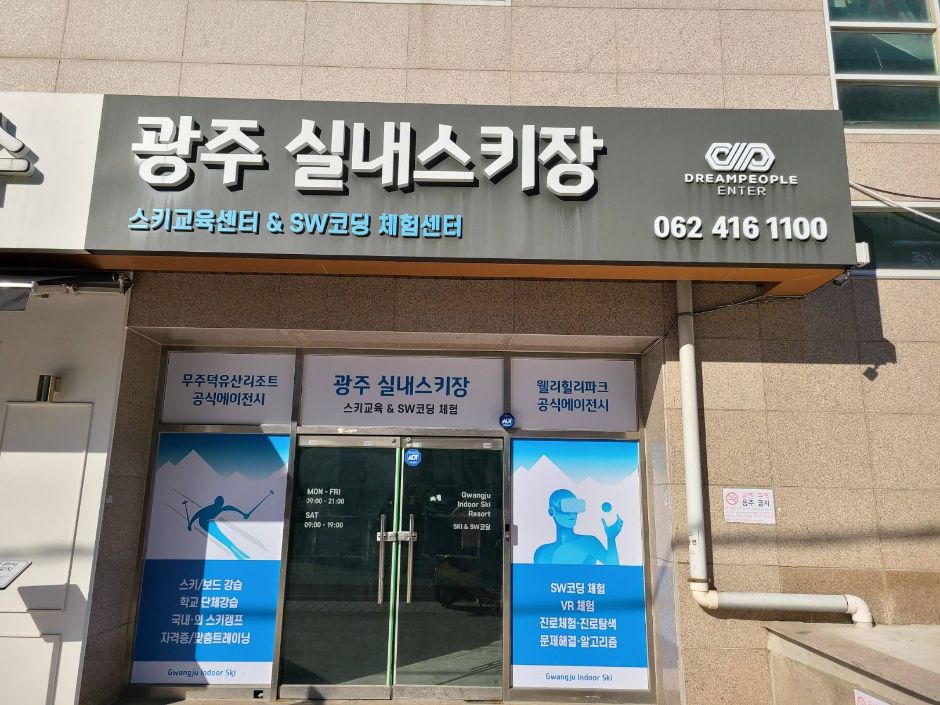
Dream People Enter is an indoor ski class facility that visitors can enjoy throughout the year with beginner and intermediate slopes and auto slope for advanced learners. The class also go on field trips to Muju Deogyusan Resort and Welli Hilli Park for ski camps and lessons. There are ski and snowboard classes for both individuals and groups. It also has facility to repair ski gears, a storage, and a ski shop.
3 Comments