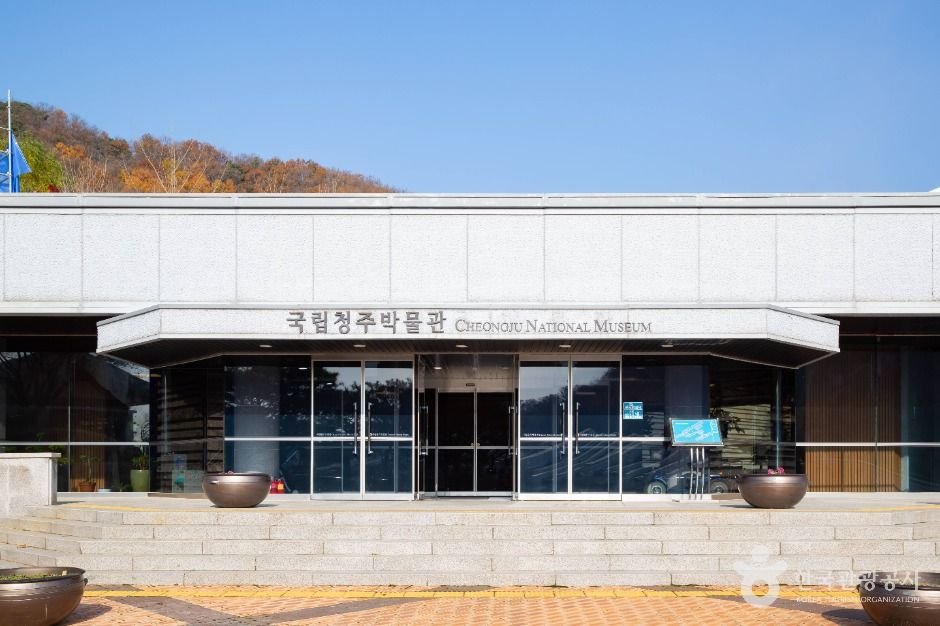
Cheongju National Museum (국립청주박물관)
Cheongju National Museum (국립청주박물관)
 – Homepage
cheongju.museum.go.kr
– Tel
+82-43-229-6300
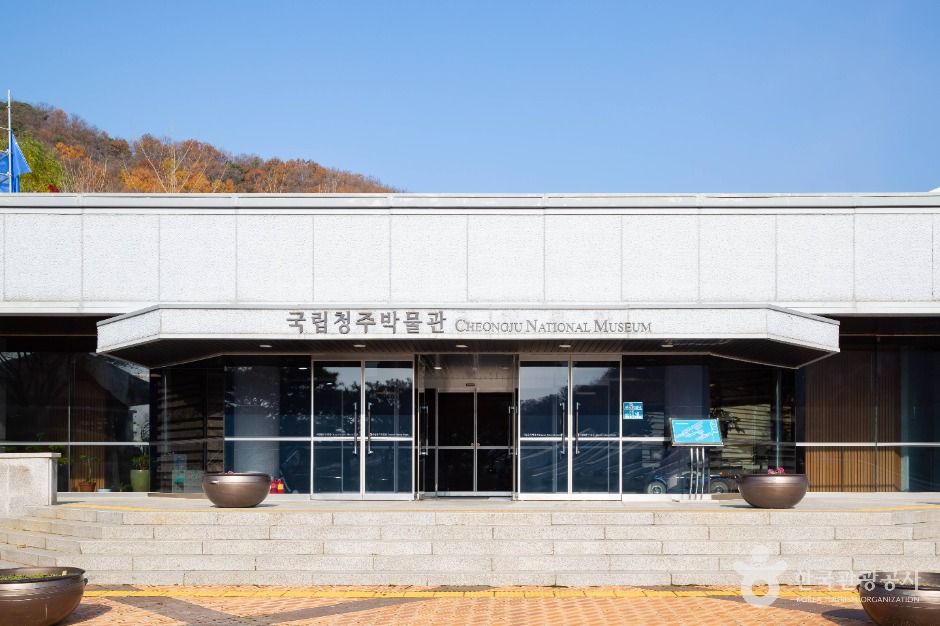
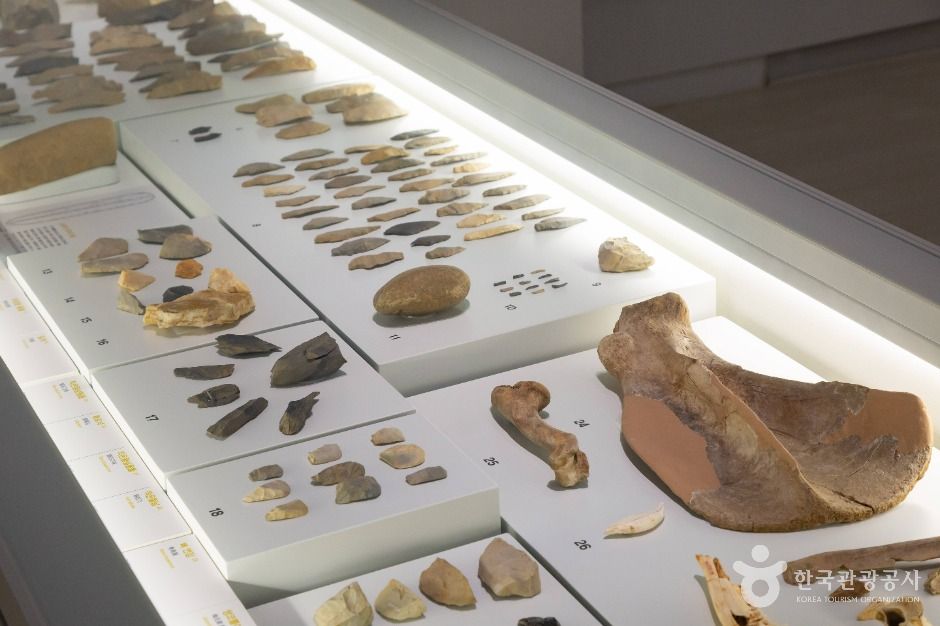
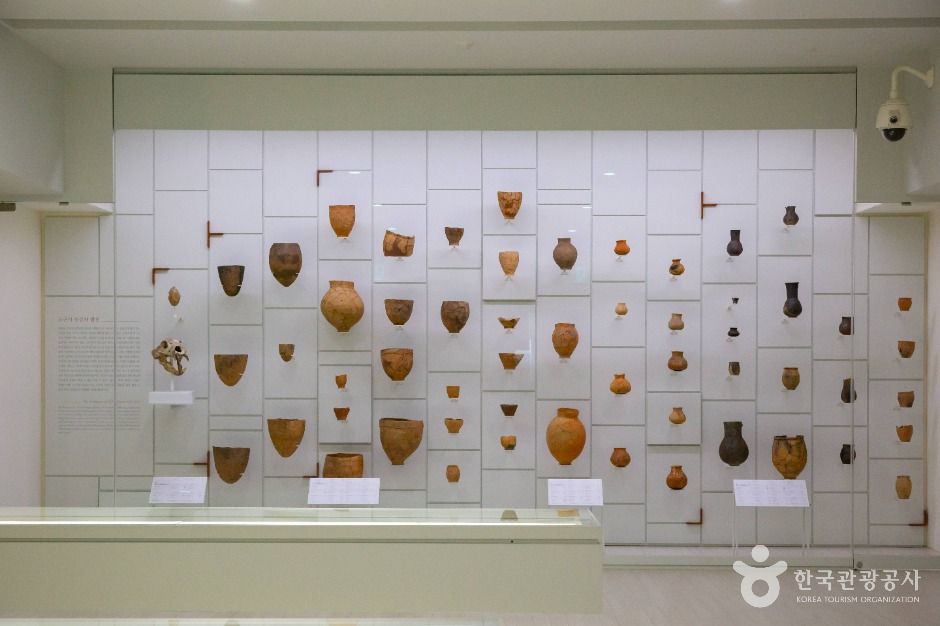
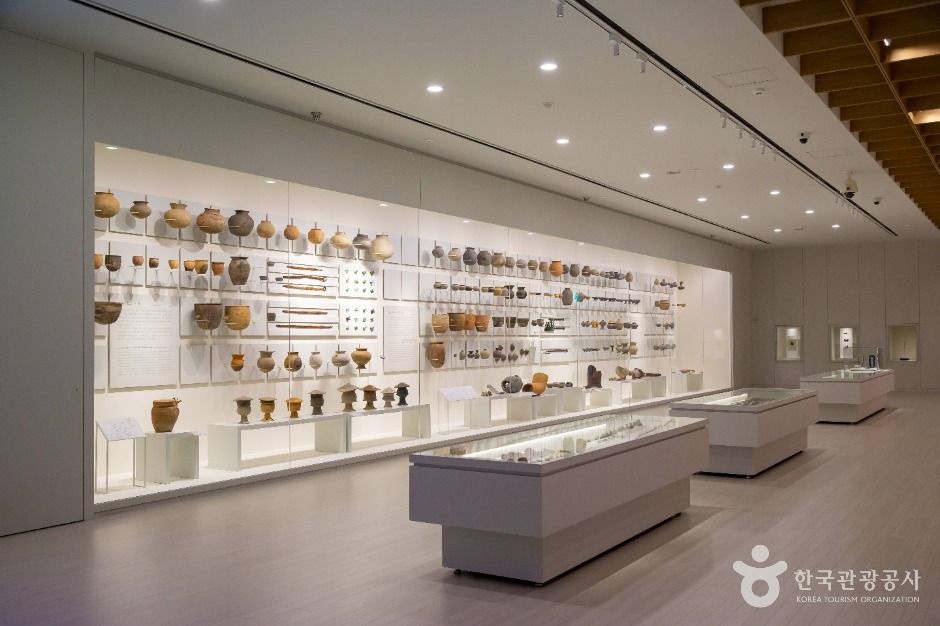
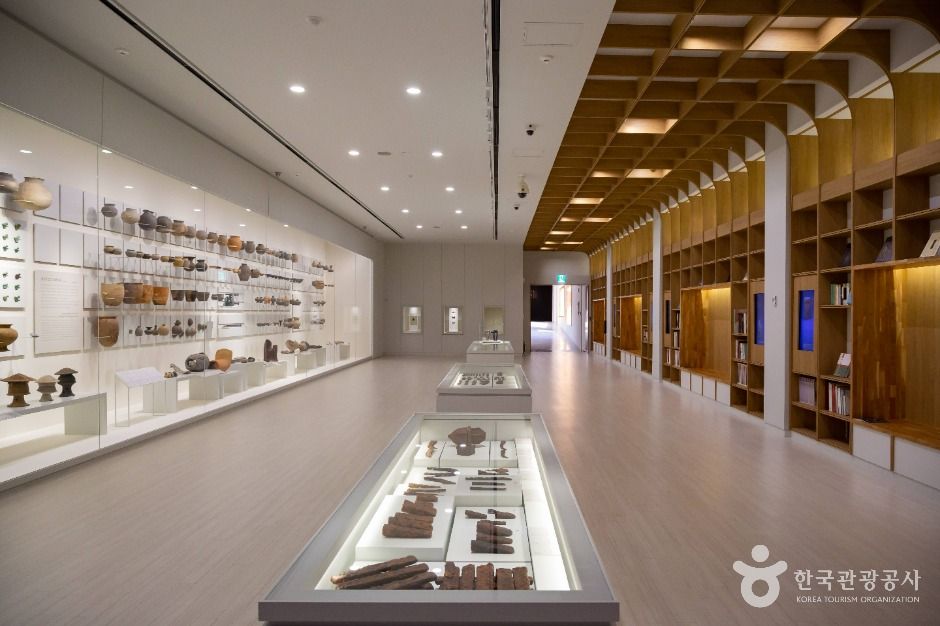
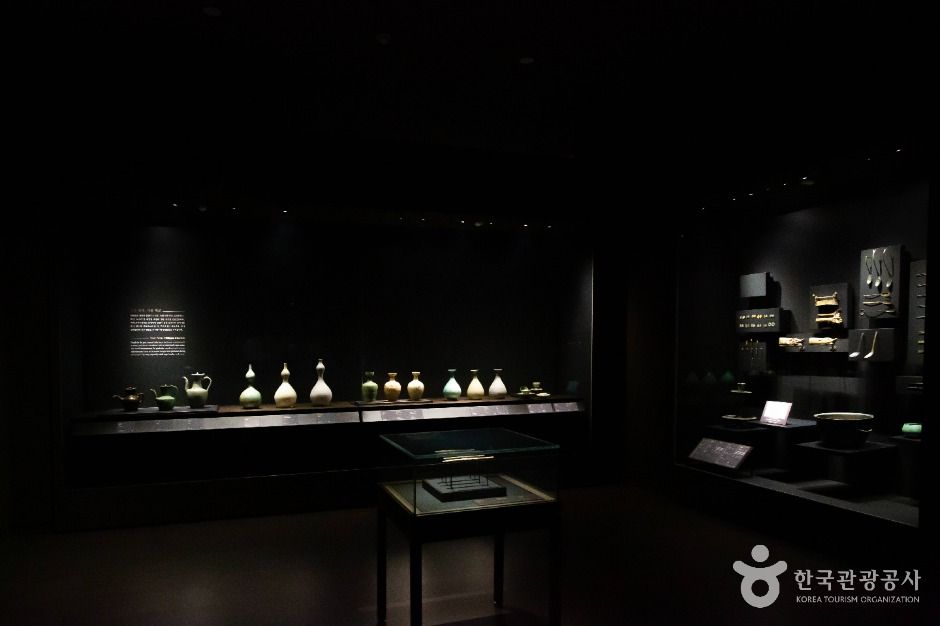
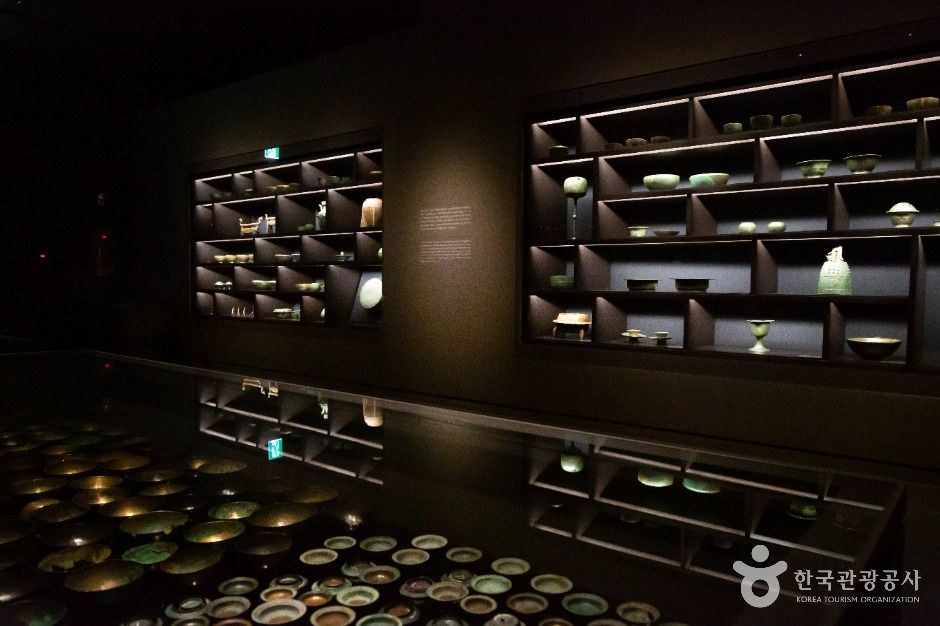
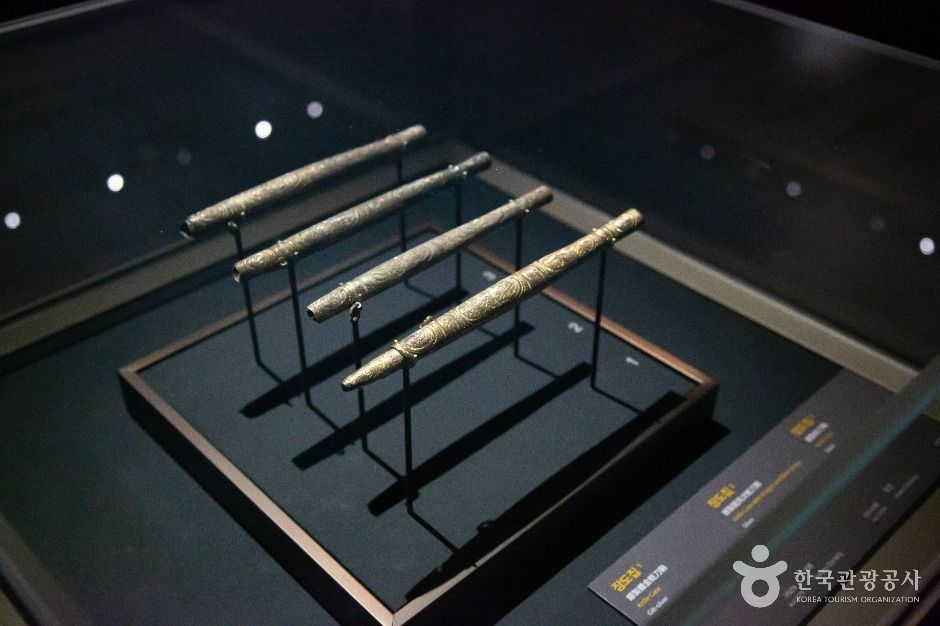
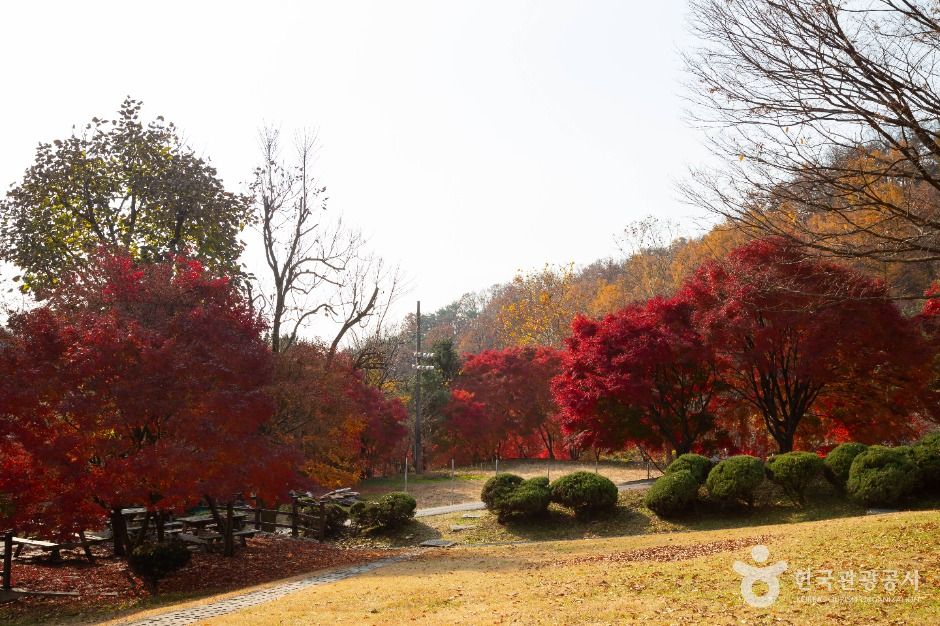
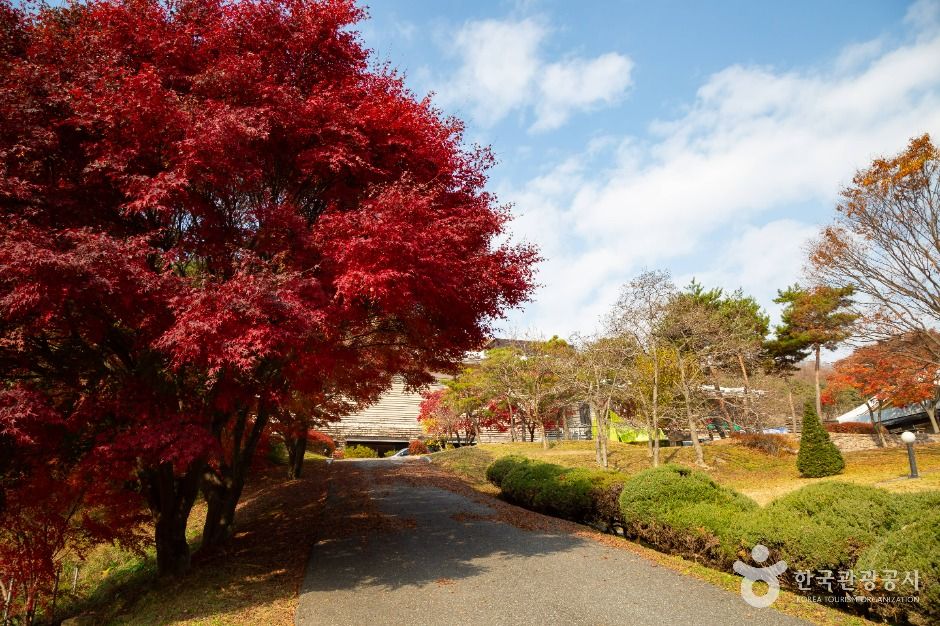
Cheongju National Museum, opened in 1987, collects and preserves national cultural treasures. The museum holds more than 42,000 artifacts with approximately 1,200 pieces on display. The museum has exhibition halls, outdoor exhibition hall, children’s museum and more, displaying artifacts from the Old Stone Age to the Joseon period. The special exhibition hall holds themed exhibitions every spring and fall.
– Address : 143 Myeongam-ro, Sangdang-gu, Cheongju-si, Chungcheongbuk-do
※ Presentation Information
– Information and Guides
+82-43-229-6300
– Day Off
New Year’s Day, Mondays, the day of Seollal (Lunar New Year’s Day) & Chuseok (Korean Thanksgiving Day)
– Usage Fee
Free (fees apply for special exhibitions cosponsored with other companies)
– Operating Hours
09:00-18:00
– Tour Duration
Approx. 1 hr and 30 min
◎ Nearby Tourism Infobox
⊙ Cheongju Zoo (청주동물원)
View detailed guide on Korea Trip Guide →
– Homepage
www.cheongju.go.kr
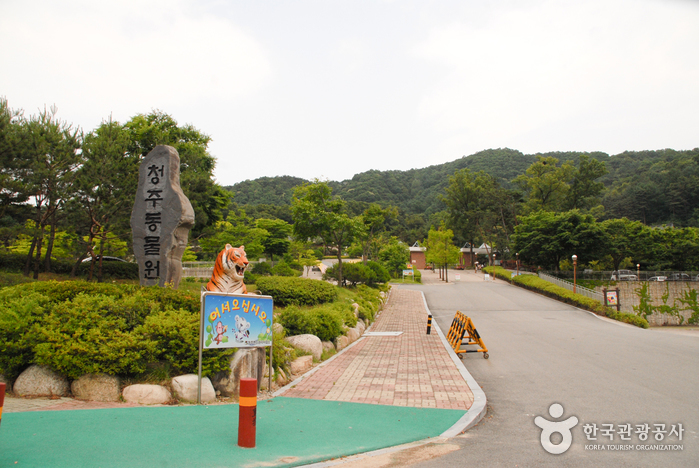
Cheongju Zoo houses mammals, birds, and reptiles as its main attractions, featuring iconic animals such as tigers, lions, elephants, giraffes, zebras, penguins, seals, and monkeys. Visitors can engage in animal classrooms to learn about the ecology and characteristics of various species. Guided tours by zookeepers offer insights into wildlife ecology and unique stories exclusive to Cheongju Zoo.
⊙ OHJI (오지)
View detailed guide on Korea Trip Guide →
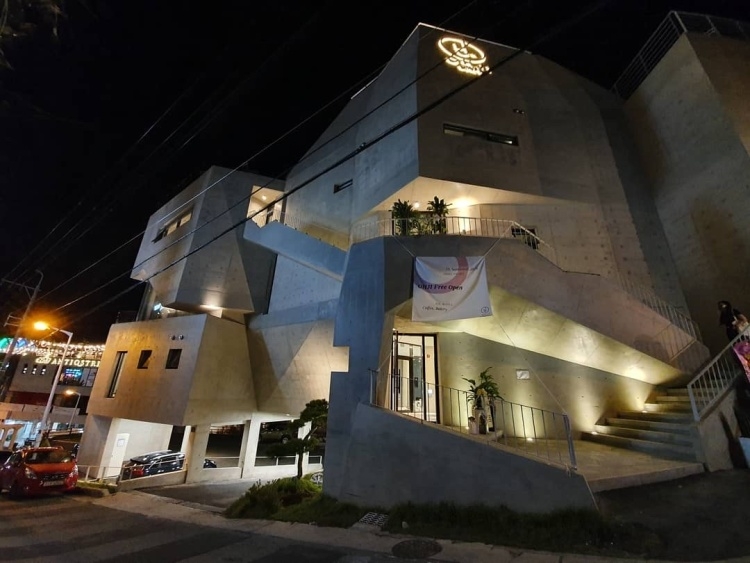
OHJI is a large café located on Suamgol Café Street. It is located on the way up to Suamgol Observatory, making it a great place to drop by on the way. It has three floors, with seating on the second and third floors, so one can enjoy the view of Cheongju city center in a comfortable ambience. Due to its location, it is also a great place to enjoy the view of the sunset through the floor-to-ceiling windows on a clear evening and enjoy the view of Cheongju at night after dark. The café offers a variety of cakes and other desserts that go well with coffee, so make sure to sample them as well. The interior design tends toward industrial chic, with an emphasis on modern sensibilities.
⊙ Cheongjuhyanggyo Confucian School (청주향교)
View detailed guide on Korea Trip Guide →
– Homepage
www.skkcj.com
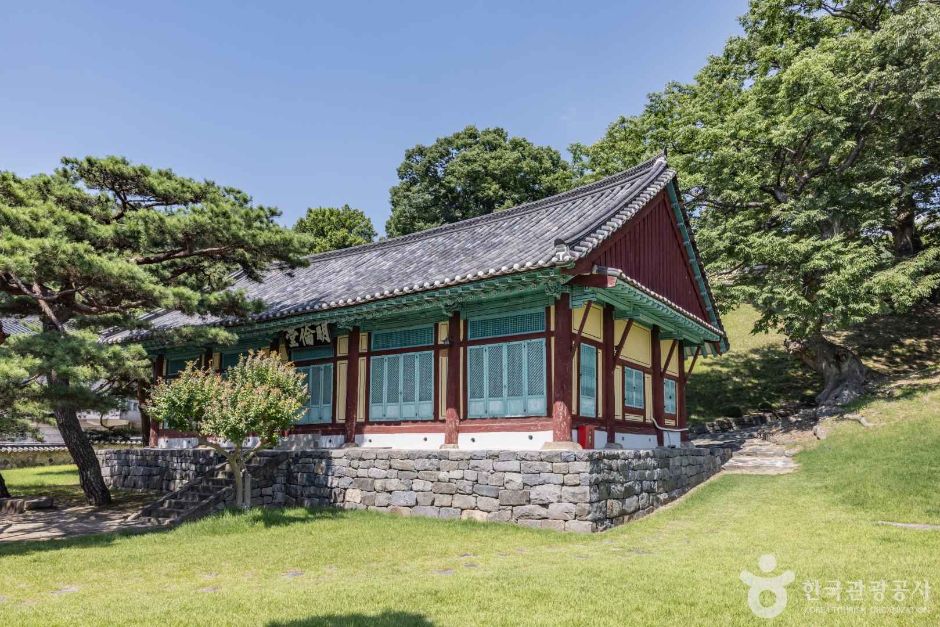
Hyanggyo is a national educational institution from the Joseon dynasty that housed the tablets of esteemed Confucian scholars and held rituals in their honor. It consists of six hanok buildings, including the Daeseongjeon Hall, a space for rituals, and Myeongnyundang Hall, the space for education. Today, various Confucian cultural experience programs, such as Confucian student experiences, tea ceremonies, and calligraphy classes, are offered. They also provide accommodations for guests wishing to experience a “Hyanggyo Stay.”
⊙ Dongbu Warehouse (동부창고)
View detailed guide on Korea Trip Guide →
– Homepage
www.dbchangko.org
– Tel
+82-43-715-6861
Dongbu Warehouse, once a tobacco leaf warehouse of an old tobacco manufacturing factory, was recreated as a cultural and art space through the cultural regeneration project by the Ministry of Culture, Sports and Tourism. It currently maintains the original form of the factory warehouse and has great preservation value as a modern cultural heritage built with red bricks and wooden truss. This attractive cultural space, which contains the modern and contemporary looks of the 1900s, provides various programs such as planned performances and festivals, as well as a space rental.
![Uniqlo – Chungju Branch [Tax Refund Shop] (유니클로 충주)](https://ktrip.blogsailing.com/wp-content/uploads/2025/12/2882940_image2_1.jpg)