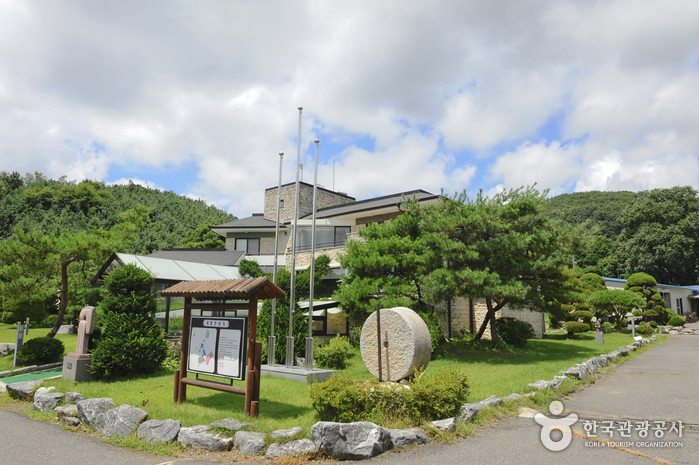
Gimpo Tea Etiquette Museum (다도박물관)
Gimpo Tea Etiquette Museum (다도박물관)
 – Homepage
cafe.daum.net/iyemyung
– Tel
+82-31-998-1000
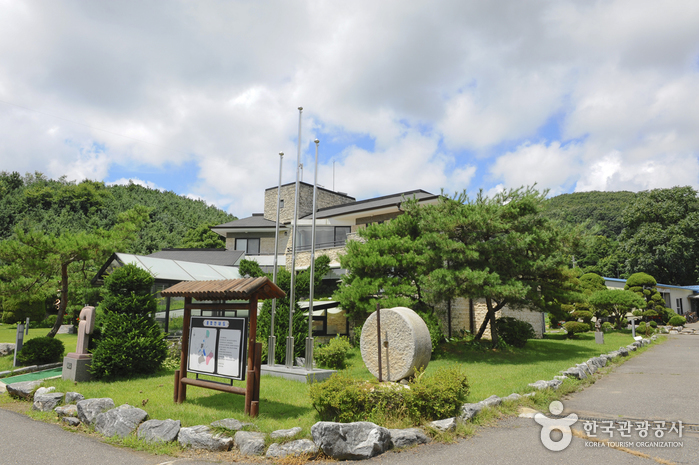
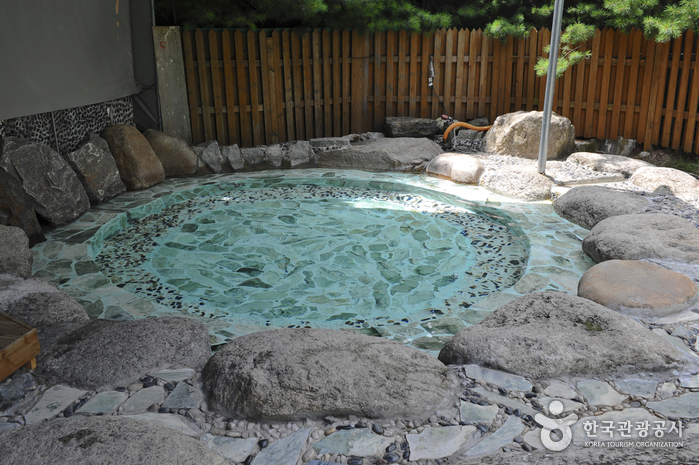
The Gimpo Tea Etiquette Museum is a private museum where visitors can learn about the history of Korea’s tea culture, dado, meaning tea ceremony in Korea. Approximately 3,000 tea ceremony utensils are on display within the museum, and outside lies a sculpture park and an open-air installation art museum. The museum also has various auxiliary facilities for holding cultural events and performances. There is a pond, a spacious lawn, and a pavilion where visitors can learn about Korea’s traditional culture and ethics in a natural setting.
– Address : 187-49, Aegibong-ro 275beon-gil, Gimpo-si, Gyeonggi-do
※ Presentation Information
– Capacity
1,000 people
– Information and Guides
• 1330 Travel Hotline: +82-2-1330
(Korean, English, Japanese, Chinese)
• For more info +82-31-998-1000
– Parking
Available
– Parking Fee
Free
– Day Off
Mondays
– Usage Fee
[Adults]
Individuals 5,000 won / Groups 4,000 won
[Students]
Individuals 4,000 won / Groups 3,000 won
[Infants/Toddlers]
Individuals 3,000 won / Groups 2,000 won
* Groups of 20 people or more
– Operating Hours
March-October 10:00-18:00
November-February 10:00-17:00
– Scale
Land area 33,058 ㎡
Building area 347 ㎡
– Collections Status
* Ceramics: White porcelain, celadon porcelain, earthenware, etc.
* Metal exhibits: Brazier, cooking stove, rouge container, etc.
* Paintings and writings: Dongdasong folding screen that depicts a tea ceremony; folding screen portraying flowers; engraved seal, etc.
* Woodenware: Small table for refreshments to be served in a boudoir; small table for refreshments used by male scholars; octagonal table; yeonsang table; flat bench made from white paulownia tree, etc.
* Embroidery: Embroidered uigeori wardrobe (pair), wardrobe embroidered with flowers (pair), box, chest of drawers, square table, etc.
– Program Information
* Tea ceremony experience: Individual tea ceremony table (hands-on experience of how to brew and drink tea), and a comparison of the tea ceremonies of Korea, China and Japan.
* Traditional folk games: Tuho (throwing sticks into a barrel), yut (board game), jegi (playing shuttlecock with the feet), neol (seesawing), rolling a hoop, making dasik (pattern-pressed candy), etc.
* Korean culture: Learn how to bow and how to wear traditional Korean clothes and accessories.
* Coming-of-age ceremony: Experience coming-of-age-ceremonies for boys and girls, and compare the ceremonies of the past and present
* Wedding culture: Wear traditional wedding clothes (men-officials’ garb and hat, women-wonsam dress, headpiece, hwarot dress, etc.) and experience a traditional wedding ceremony.
* Preparing ancestral memorial service tables: Learn how to prepare a table for ancestral memorial service for lunar New Year’s Day and Chuseok (harvest holiday) and the differences between holiday tables and memorial service tables.
– Industry Information
1) Exhibition – Special exhibitions in addition to the permanent exhibition of tea ceremony utensils.
2) Event – Cultural exchange among Korea, China, and Japan; Lotus Festival; outdoor tea ceremony; hands-on experience, etc.
3) Education – Dado Museum’s culture university, classes in etiquette and tea ceremony.
4) Free education and special lecture – Special lectures on ‘etiquette and tea ceremony’ and ‘how to prepare a table for the ancestral memorial service for lunar New Year’s Day and Chuseok’ are held during summer and winter vacations.
– Reservations
Available via phone call +82-31+998+1000


◎ Nearby Tourism Infobox
⊙ Aegibong Peak (Gimpo Section) (애기봉 (김포))
View detailed guide on Korea Trip Guide →
– Homepage
https://aegibong.or.kr
– Tel
+82-31-988-6128
Aegibong Peak is located at the northern tip of Gimpo city about an hour’s drive from the downtown area. The mountain is where North and South Korea engaged in a fierce battle at the end of the Korean War; after the battle, Korea was divided into two nations. Since the peak is still a restricted area, visitors must present their passport in order to be admitted. From the peak, an open view of North Korean territory unfolds below and visitors can see South Korean territory as far as Songhaksan Mountain in Chungcheongnam-do.
![Petroglyphs of Bangudae Terrace in Daegok-ri [UNESCO World Heritage] (울주 대곡리 반구대 암각화 [유네스코 세계유산])](https://ktrip.blogsailing.com/wp-content/uploads/2026/01/2675629_image2_1-768x491.jpg)
![Descente – Lotte Icheon Branch [Tax Refund Shop] (데상트 롯데이천)](https://ktrip.blogsailing.com/wp-content/uploads/2026/01/2889639_image2_1-768x576.jpg)
![Mark & Lona – Paju Premium Outlets Branch [Tax Refund Shop] (마크앤로나 신세계아울렛 파주점)](https://ktrip.blogsailing.com/wp-content/uploads/2025/12/2890591_image2_1.jpg)