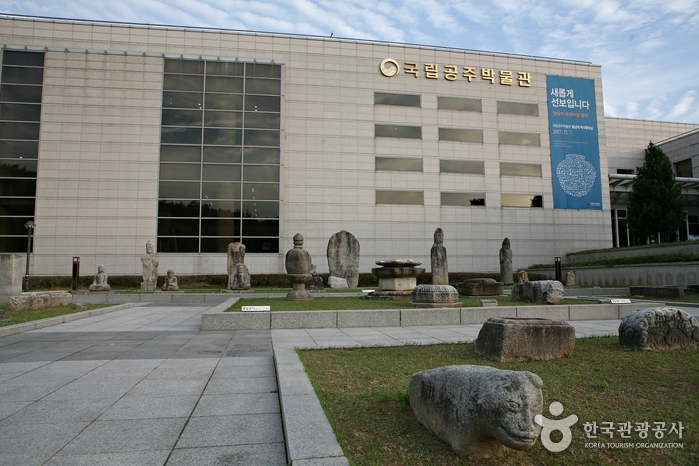
Gongju National Museum (국립공주박물관)
Gongju National Museum (국립공주박물관)
 – Homepage
gongju.museum.go.kr
– Tel
+82-41-850-6300
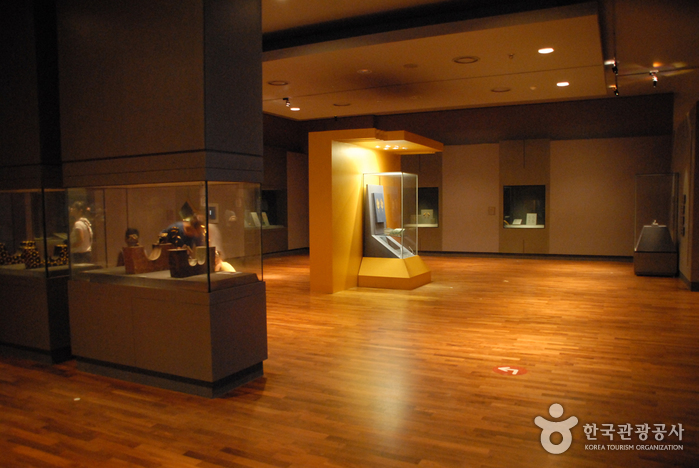
Gongju National Museum preserves and displays cultural treasures, as well as provides educational programs for locals. The museum collection includes over 10,000 relics, including 19 National Treasures and three Treasures, all excavated from the Chungcheongnam-do & Daejeon areas. The most important of these artifacts are displayed permanently, while the remaining items rotate with special exhibitions. In front of the main building is a garden visitors can enjoy after touring the museum.
– Address : 34, Gwangwangdanji-gil, Gongju-si, Chungcheongnam-do
※ Presentation Information
– Capacity
Auditorium: 200 seats
– Information and Guides
• 1330 Travel Hotline: +82-2-1330
(Korean, English, Japanese, Chinese)
• For more info: +82-41-850-6300
– Parking
Available
– Parking Fee
Free
– Day Off
Mondays (The next weekday if Monday is a public holiday), New Year’s Day, the day of Seollal (Lunar New Year’s Day) & Chuseok (Korean Thanksgiving Day)
– Usage Fee
Free
* Varies by exhibition
– Operating Hours
09:00-18:00
– Scale
Total site 69,514 ㎡ / Building site 5,034 ㎡
– Tour Duration
Approx. 1-2 hr
– Reservations
Reservation required for group visits.



◎ Nearby Tourism Infobox
⊙ Gongju Hanok Village (공주한옥마을)

– Homepage
http://www.gongju.go.kr/hanok
– Tel
+82-41-881-2828
Gongju Hanok Village is in Gongju, Chungcheonnam-do, midway between the Songsan Ancient Tombs – burial place of King Muryeong of Baekje and his queen – and Gongju National Museum. The hanok are ondol-heated and have a card key security system. The village offers both individual and group accommodation, each in a different building; in the group buiding each room has a separate locker room and shower. Baekje history and culture programs on offer include a Baekje costumes experience, a royal tea ceremony, royal candies and Baekje relics.
⊙ Baekje Experience Center (백제오감체험관)
View detailed guide on Korea Trip Guide →
– Homepage
www.gongju.go.kr
The Baekje Experience Center offers a rich array of activities that allow visitors to engage with the history they have observed at the nearby ancient tombs in Songsan-ri and the Gongju National Museum in a tactile manner. This center features eight themed halls across the first basement, and the first and second above-ground floors, offering interactive and gaming programs designed to stimulate all five senses. Activities such as rubbing pattern experience and luminous stamps allow visitors to learn about and appreciate the culture and history of Woongjin Baekje in an intuitive way. One of the center’s highlights is the Window of Sympathy in the first-floor lobby. This impressive two-story panel changes its color in response to sound and touch, promising to attract significant attention from tech-savvy visitors. It showcases content that guests have captured within the center and shared on social media, complete with hashtags. Additionally, the Window of Creation on the same floor offers a unique creative outlet. Here, visitors can color Baekje-era relics with crayons. These artworks are then transformed into graphic mapping images on the wall via a scanner, allowing for a personalized and immersive historical experience.
⊙ Gongju Tomb of King Muryeong and Royal Tombs [UNESCO World Heritage] (공주 송산리 고분군과 무령왕릉 [유네스코 세계문화유산])
View detailed guide on Korea Trip Guide →

– Homepage
www.gongju.go.kr
www.cha.go.kr
The Songsan-ri Tombs and Royal Tomb of King Muryeong (r. 462-523) contain representative relics of the Baekje period (234-678). The Songsan-ri Tombs contain the graves of kings from the period when Baekje’s capital was Gongju, and it is believed to contain 17 such graves. Only seven graves have been discovered so far. There are two types of tomb designs: traditional Baekje-style rock and earth fortification tomb and Chinese-influenced rock tomb. The tombs number one to five were made using the traditional Baekje-style design while tomb number six and the Royal Tomb of King Muryeong were made using the Chinese-influenced design. Even though many artifacts were stolen from the tombs, the tombs serve as an important evidence of Baekje culture and the foreign exchanges from during that period.
⊙ Gomanaru 1999 (고마나루1999)

– Tel
+82-41-857-9999
Gomanaru 1999 is a Korean restaurant located near Gongsanseong Fortress. Their menu features a single set meal called gomanaru bapsang (rice and side dishes), which includes a hearty spread of pot rice, boiled pork slices, grilled marinated pork shoulder, and grilled dried pollack. Using rice from Gongju, the rice is flavorful and nourishing, complemented by fresh vegetables from Jirisan Mountain, making for a healthy meal. Rice is considered a staple in Korean cuisine, and Jirisan Mountain is renowned as a pristine region, making the food here particularly special.
⊙ Gongju Sanseong Market (공주산성시장)

– Homepage
blog.naver.com/sansung8657
www.gongju.go.kr
Opened in 1937, this expansive market features a variety of items across its five sections. It’s conveniently located near tourist attractions like Gongju National Museum, Gongsanseong Fortress, and Tomb of King Muryeong. The arcade-style roof allows for comfortable exploration in any weather or season. The Food Alley offers an irresistible selection of local delicacies, making it hard to choose from options like gimbap, banquet noodles, and bulgogi. Not to be missed are Gongju’s specialties: chestnut makgeolli (rice wine) and chestnut sweet rice cake, made from local chestnuts.
⊙ Yeonmisan Nature Art Park (연미산자연미술공원)
View detailed guide on Korea Trip Guide →
– Homepage
www.natureartbiennale.org
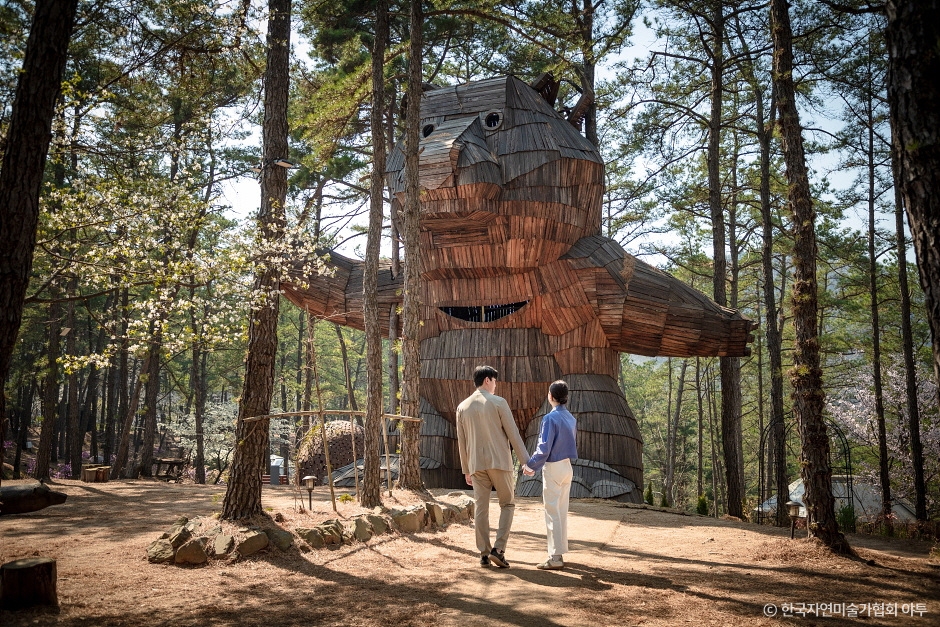
Yeonmisan Nature Art Park features sculptures created from natural materials, such as clay, wood, and stone. The park exhibits new works each year under different themes as part of the Geumgang Nature Art Biennale, an international festival of nature art. It includes indoor and outdoor exhibitions, as well as a promotion hall. Visitors can participate in experience programs such as woodcraft workshops and nature art school activities.
⊙ Gongju Gongsanseong Fortress [UNESCO World Heritage] (공주 공산성 [유네스코 세계문화유산])
View detailed guide on Korea Trip Guide →

– Homepage
www.gongju.go.kr
– Tel
+82-41-856-7700
Gongsanseong Fortress is a fortification situated at the heart of Gongju, which served as the capital of the ancient Baekje kingdom (18 BCE – 660 CE) from 475 to 538. Even after Baekje’s fall, subsequent dynasties such as Silla (57 BCE – 935 CE), Goryeo (918-1392), and Joseon (1392-1897) continued to use Gongju as a regional administrative center. As a result, numerous historical sites have accumulated in the area over time. From the fortress, visitors can enjoy a panoramic view of Gongju’s city center and the Geumgang River.
⊙ Mireuseom Island (미르섬)
View detailed guide on Korea Trip Guide →
– Homepage
www.gongju.go.kr
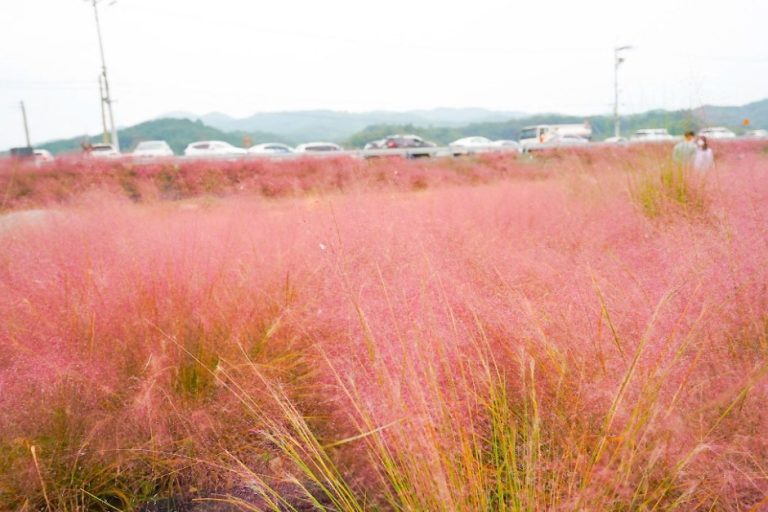
Mireuseom Island is covered in a blanket of beautiful plants every fall, from cosmos to pink muhly, broom cypress and pearl millet. The pink muhly growing along the Geumgang River is a popular photo spot. The beautiful landscape unfolds the longer you walk towards Gongjudaegyo Bridge.
⊙ Former Gongju-eup Office (옛 공주읍사무소)
View detailed guide on Korea Trip Guide →
– Homepage
www.khs.go.kr
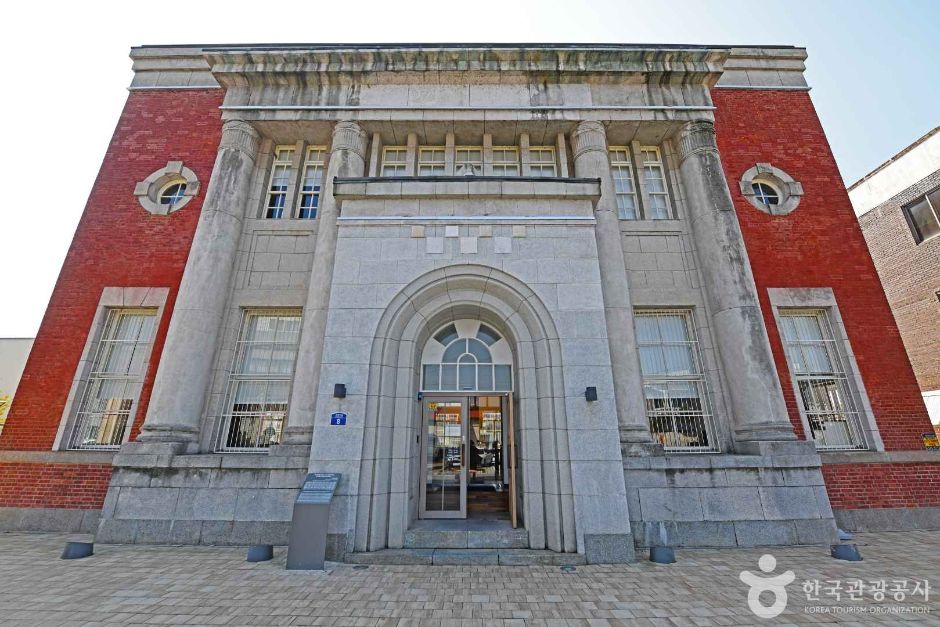
The Former Gongju-eup Office, a two-story Western-style red brick building built in 1923, stands as a symbol of Gongju’s modern history. Its interior showcases old photographs of Gongju, antique furniture, and a model of the current city. It also serves as a central venue for the annual Gongju Culture Night, held every fall, featuring performances, hands-on activities, and a flea market.
![E-Mart Traders – Cheonan Asan Branch [Tax Refund Shop] (이마트트레이더스 천안아산)](https://ktrip.blogsailing.com/wp-content/uploads/2025/12/2883276_image2_1-768x576.jpg)
One Comment