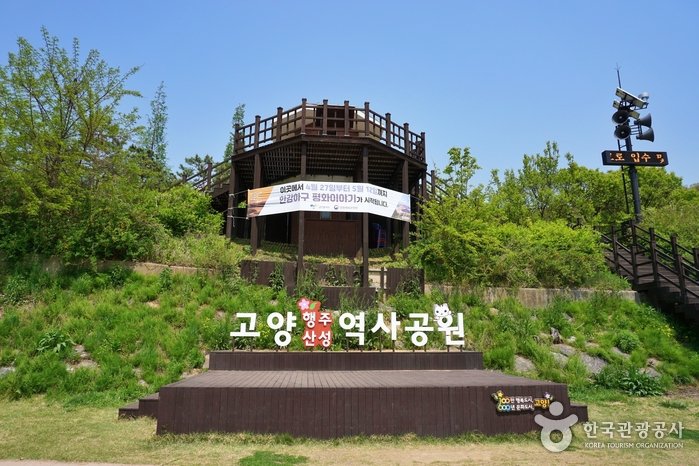
Haengjusanseong Fortress History Park (행주산성 역사공원)
Haengjusanseong Fortress History Park (행주산성 역사공원)
 – Homepage
www.goyang.go.kr
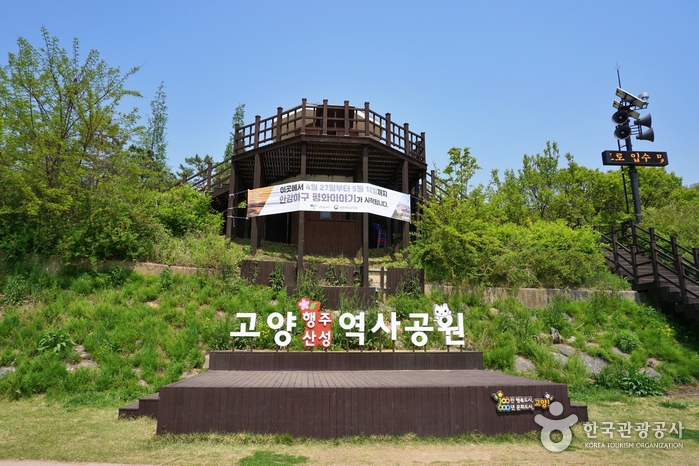
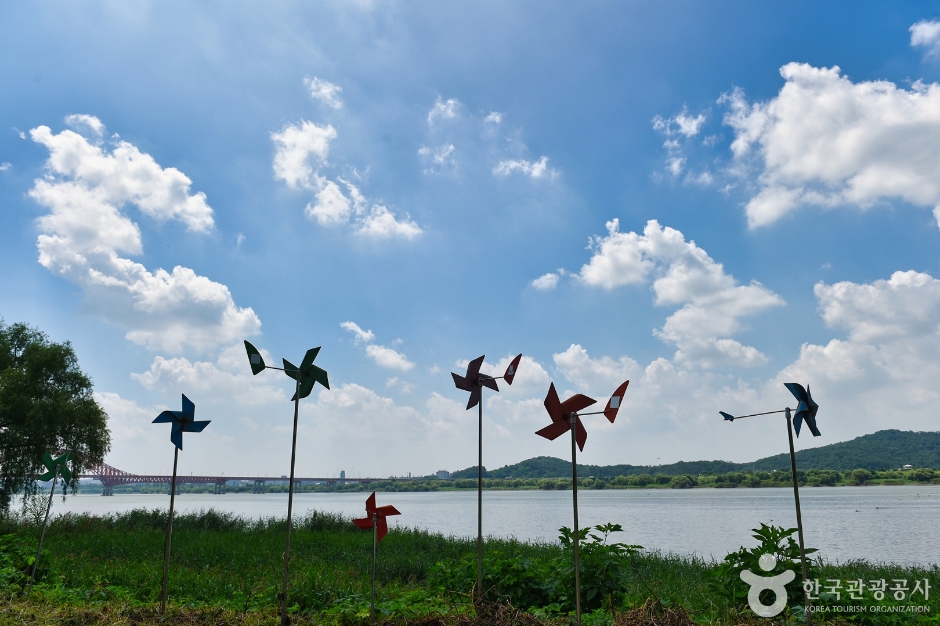
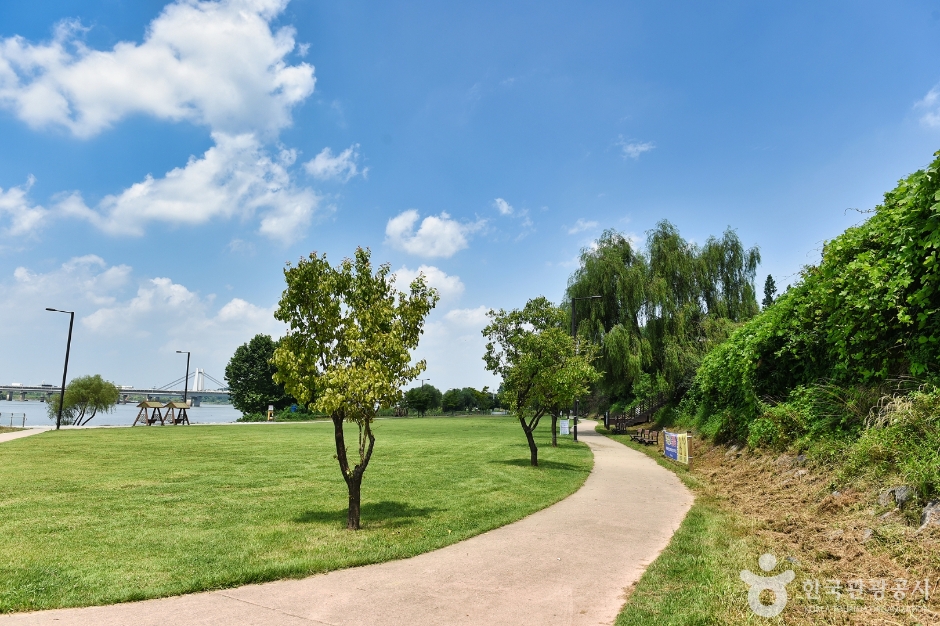
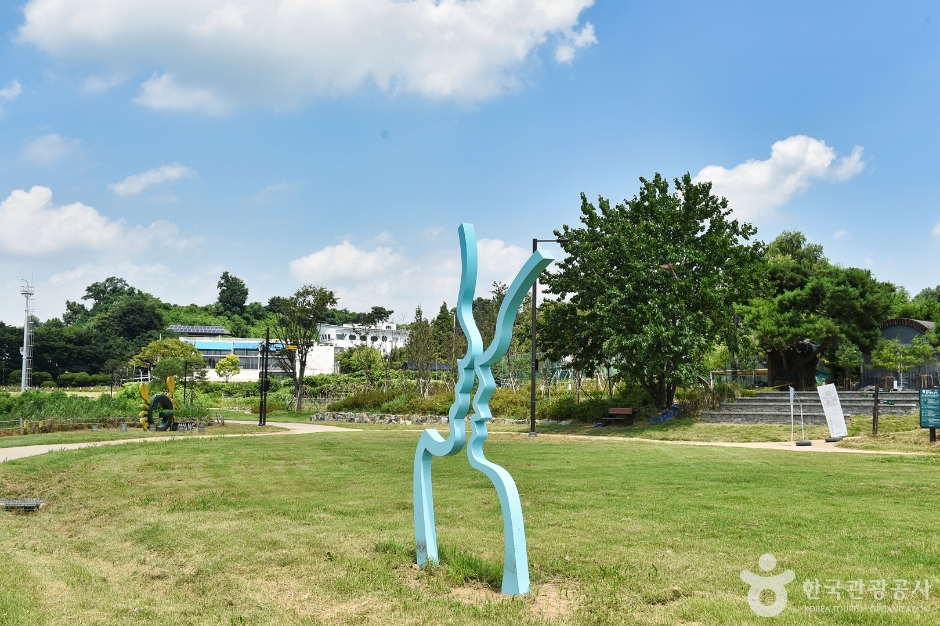
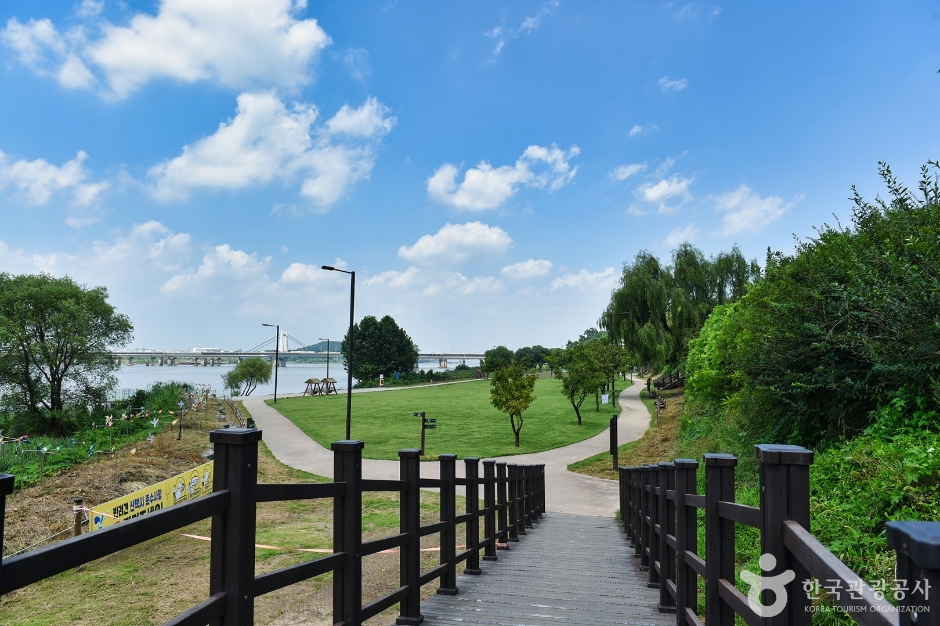
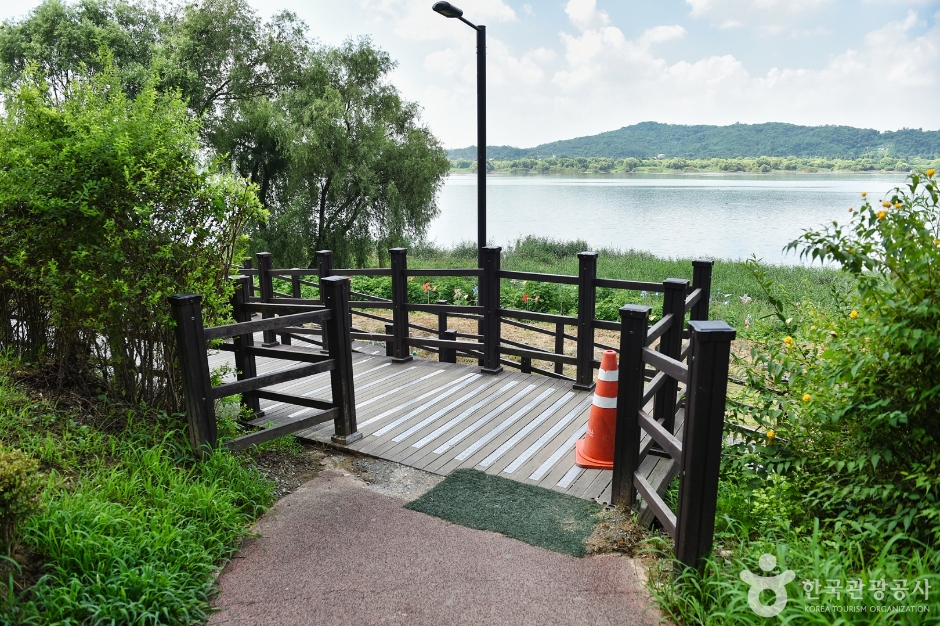
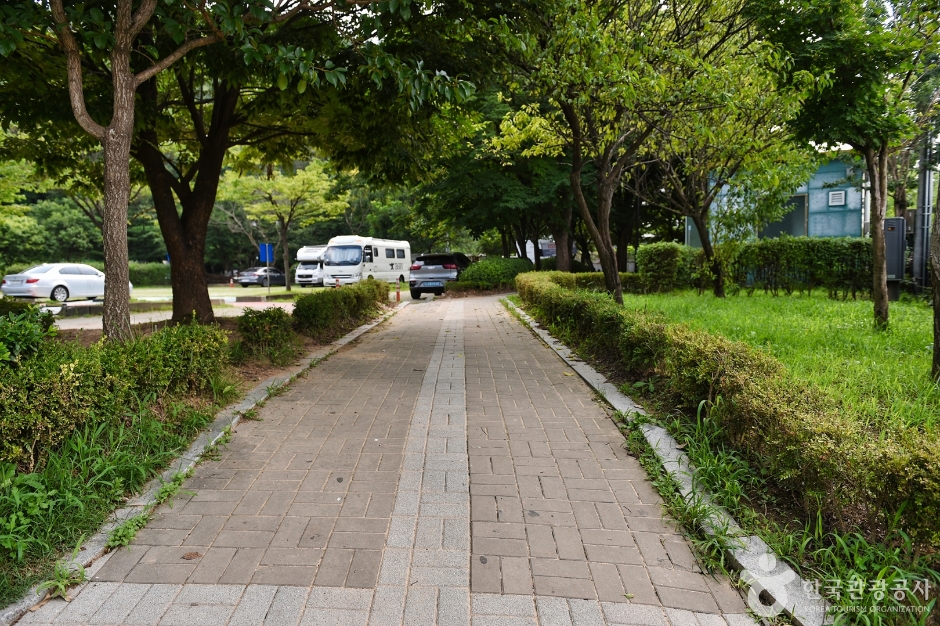
Haengjusanseong Fortress History Park, located next to the Haengjusanseong Fortress near the Hangang River, is a site steeped in history. It played a significant role as a witness to the battles between Joseon and Japanese forces during the Imjin War (1592-1598). The park includes several features such as the Hangang River Observatory, which has been repurposed from military posts, a fence photo zone, Baramgaebi Hill, and a vast lawn area. Additionally, as part of the Haengjusanseong Trail, the park is known for offering a spectacular view of the sunset, making it a picturesque spot for visitors.
– Address : Hengjuoe-dong, Deogyang-gu, Goyang-si, Gyeonggi-do
※ Presentation Information
– Information and Guides
+82-31-8075-4319
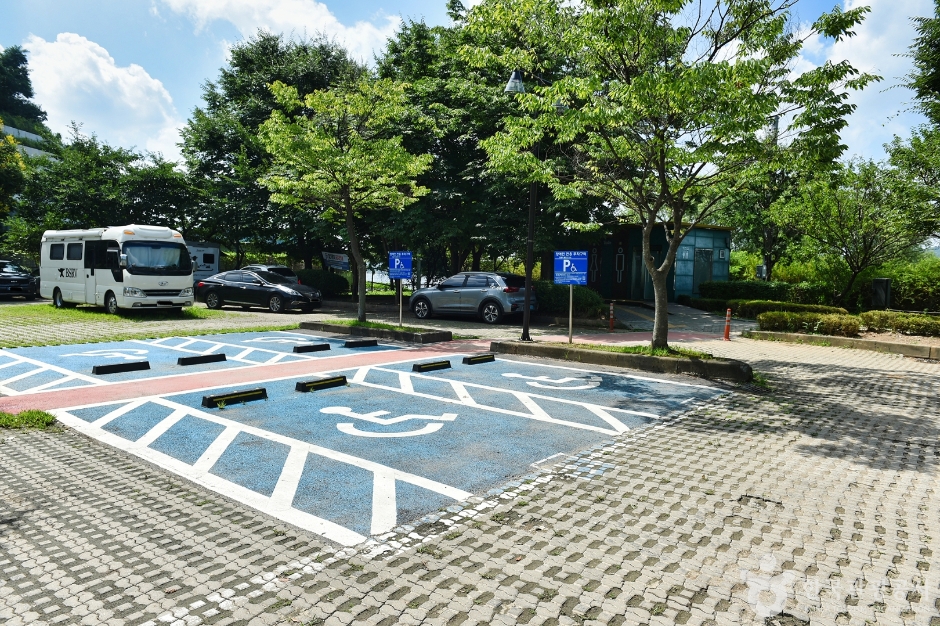
– Parking
Available
– Day Off
N/A (Open all year round)
– Operating Hours
Open 24 hr
◎ Nearby Tourism Infobox
⊙ Gangseo Marsh Ecological Park (강서습지생태공원)
View detailed guide on Korea Trip Guide →
– Homepage
hangang.seoul.go.kr
– Tel
+82-2-3780-0621
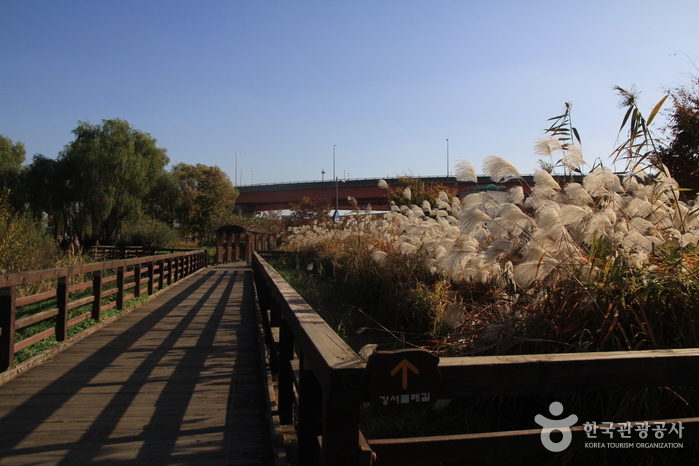
The Gangseo Marsh Ecological Park is an eco-park located on the Hangang River between the southern side of Banghwadaegyo Bridge and southern side of Haengjudaegyo Bridge. Established in July 2007, the park is partly comprised of low wetlands, freshwater lakes, and various aquatic plants. Eco-trails wind around the park through reed areas, around willow trees, and past the migratory bird observation. At the park, visitors can watch and learn about a variety of migratory birds during summer and winter or join one of the park’s organized eco-education programs.
![Lotte Mart – Goyang Branch [Tax Refund Shop] (롯데마트 고양점)](https://ktrip.blogsailing.com/wp-content/uploads/2026/01/2887817_image2_1-768x432.jpg)
![Giordano – Starfield Goyang Branch [Tax Refund Shop] (지오다노 스타필드 고양점)](https://ktrip.blogsailing.com/wp-content/uploads/2026/01/2890518_image2_1.jpg)
![LG Best Shop – Baran Branch [Tax Refund Shop] (엘지베스트샵 발안점)](https://ktrip.blogsailing.com/wp-content/uploads/2026/01/2882389_image2_1.jpg)
![The Handsome Mine – Shinsegae Paju Branch [Tax Refund Shop] (한섬 마인 신세계파주)](https://ktrip.blogsailing.com/wp-content/uploads/2026/01/2880820_image2_1.jpg)
![Homeplus – Paju Munsan Branch [Tax Refund Shop] (홈플러스 파주문산)](https://ktrip.blogsailing.com/wp-content/uploads/2026/01/2880745_image2_1.jpg)
One Comment