Incheon Jayu Park (자유공원 (인천))
Incheon Jayu Park (자유공원 (인천))
 – Homepage
www.icjg.go.kr
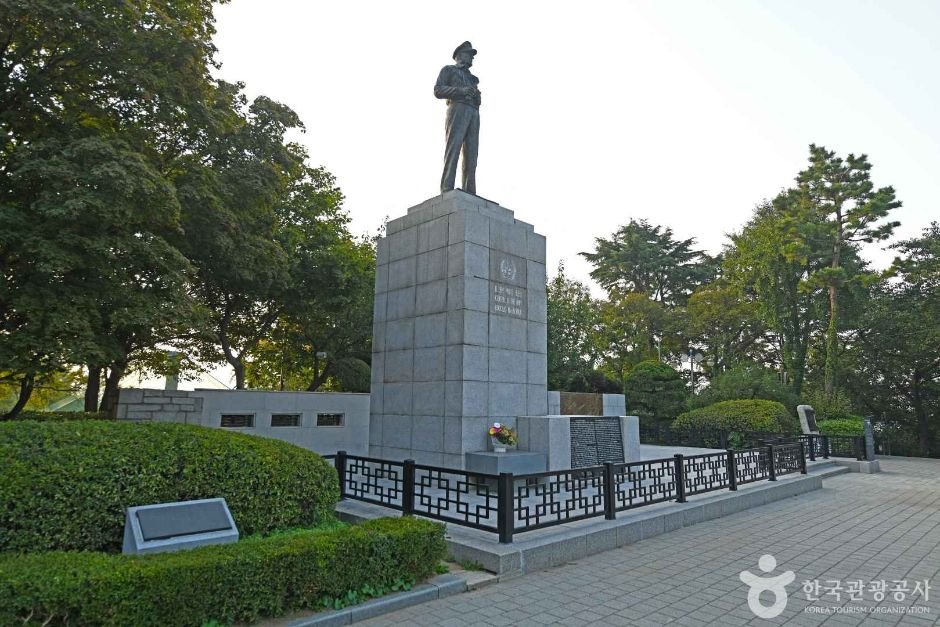
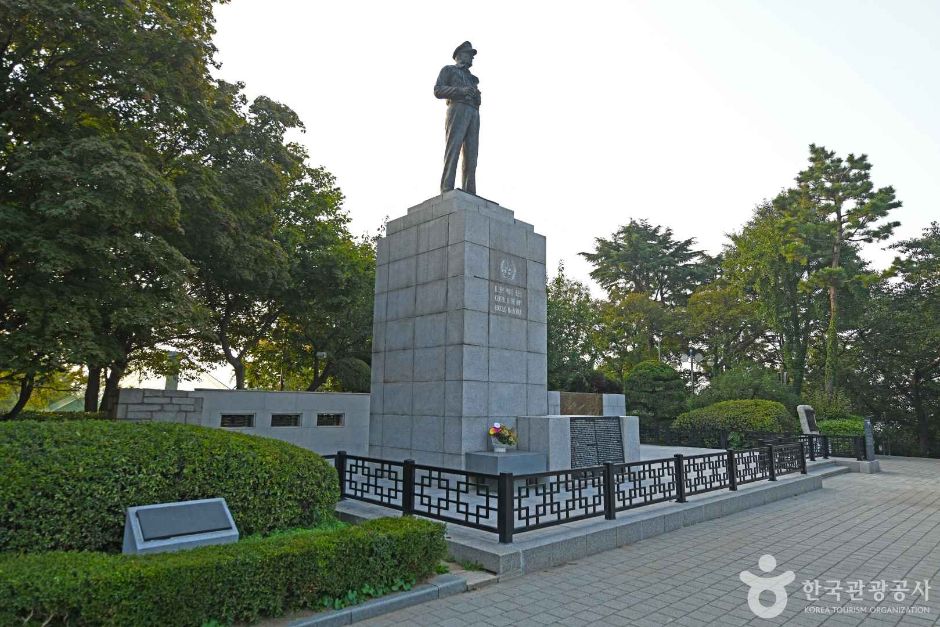
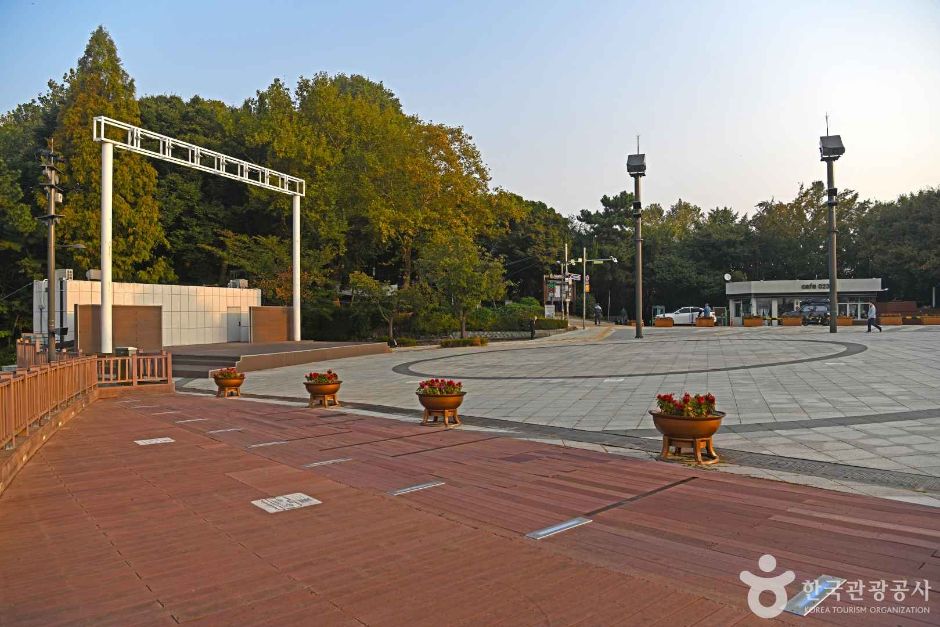
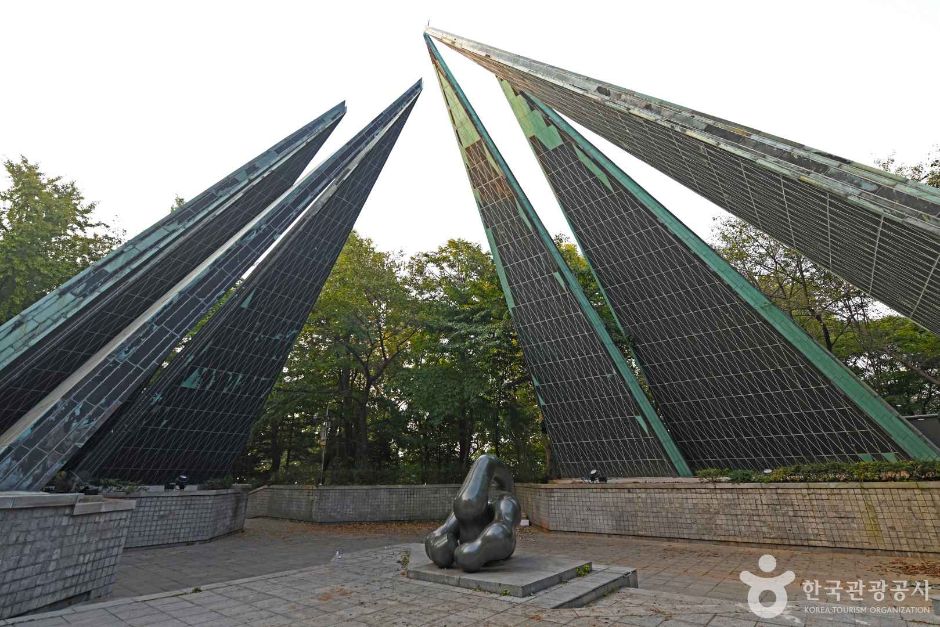
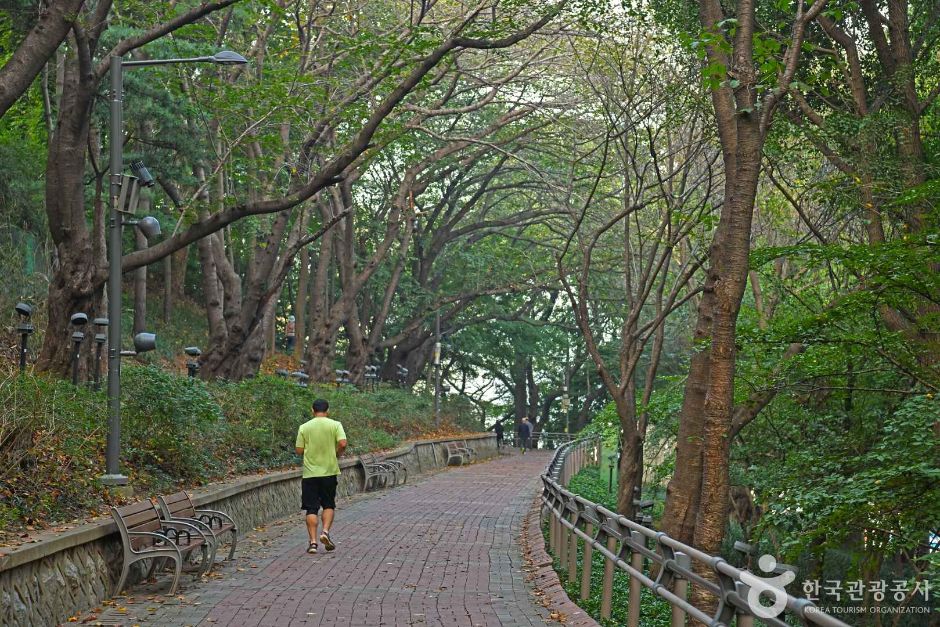
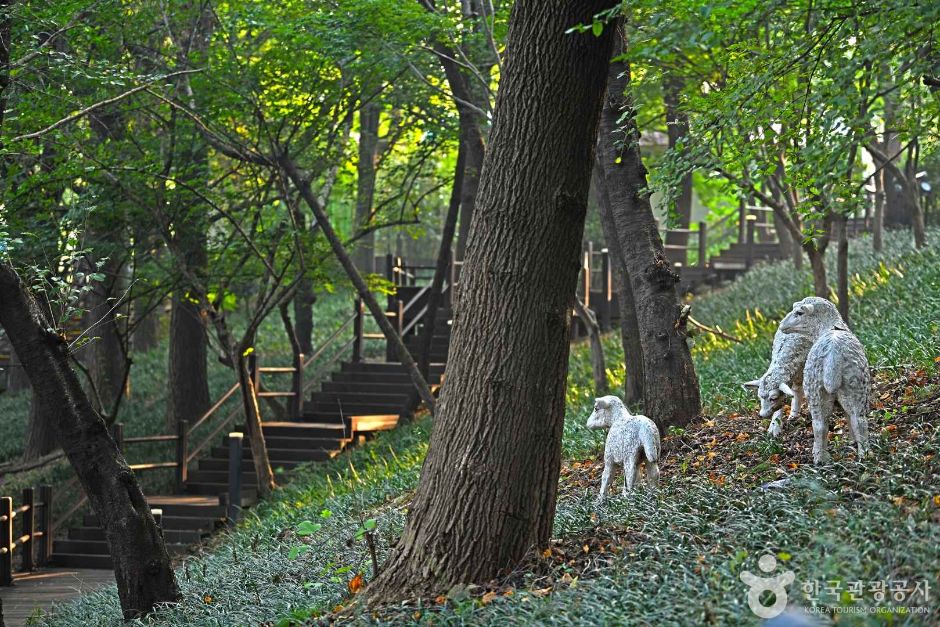
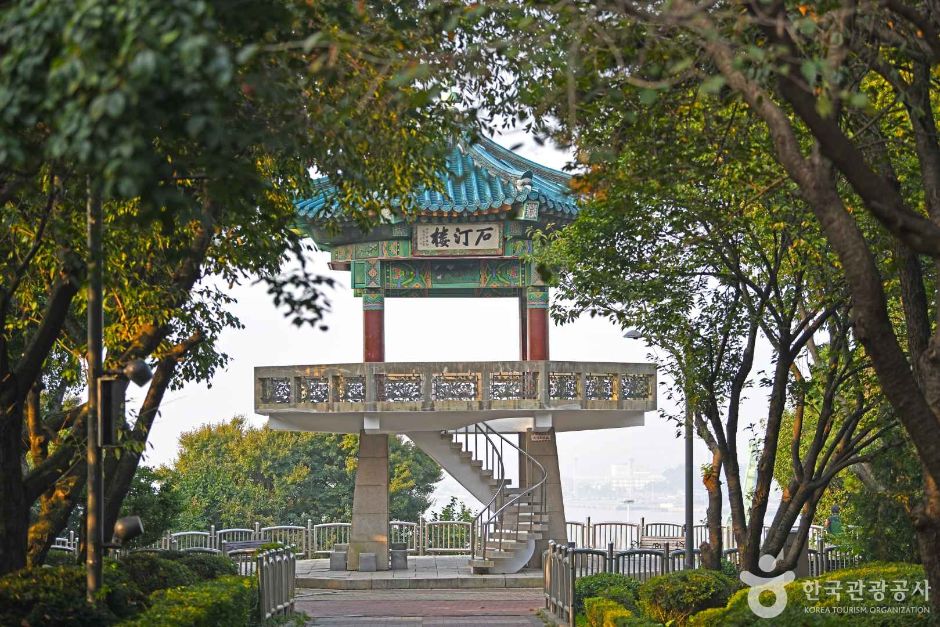
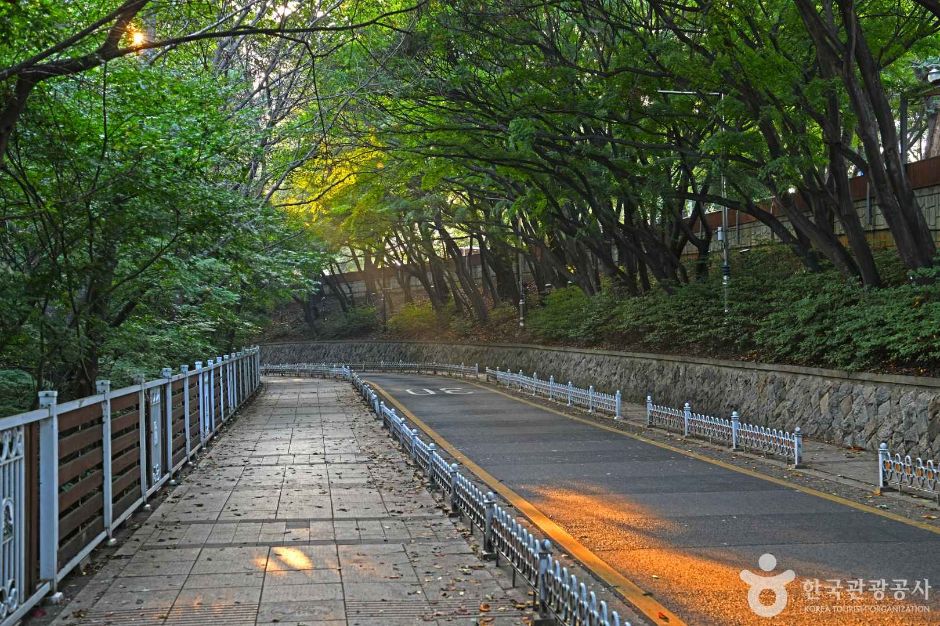
Jayu Park is the first Western-style park in Korea, built five years after the opening of Incheon Port. The location is perfect for a nice stroll as it is located high above sea level with spacious areas and a thick forest. At top of the park is the Korea-U.S.A. Centennial Monument built in 1982 to commemorate the 100th anniversary of the treaty of peace, commerce and navigation between Korean and the US. Within the park, visitors can enjoy a small zoo, a pagoda, benches and other rest areas. A statue of General MacArthur stands in the park as a memorial of the general’s feat of Operation Chromite during the Korean War. Every April, a cherry blossom festival is held as the cherry blossoms fill the park, attracting many visitors. The panoramic view of the city is breathtaking with nightscape especially popular for couples. There are many attractions nearby for visitors to enjoy food and history.
– Address : 46 Jemullyang-ro 232beon-gil, Jung-gu, Incheon
※ Presentation Information
– Information and Guides
+82-32-760-7597
– Parking
Available (Public Parking Lot)
– Day Off
N/A (Open all year round)
– Operating Hours
Open 24 hr
– Restrooms
Available
– Admission Fees
Free
– Available Facilities
General MacArthur statue, 100th Anniversary monument of Korea-U.S. diplomatic relations, convenience store, etc.
◎ Nearby Tourism Infobox
⊙ Jemulpo Club (제물포구락부)
View detailed guide on Korea Trip Guide →
– Homepage
jemulpoclub.org
– Tel
+82-32-765-0261
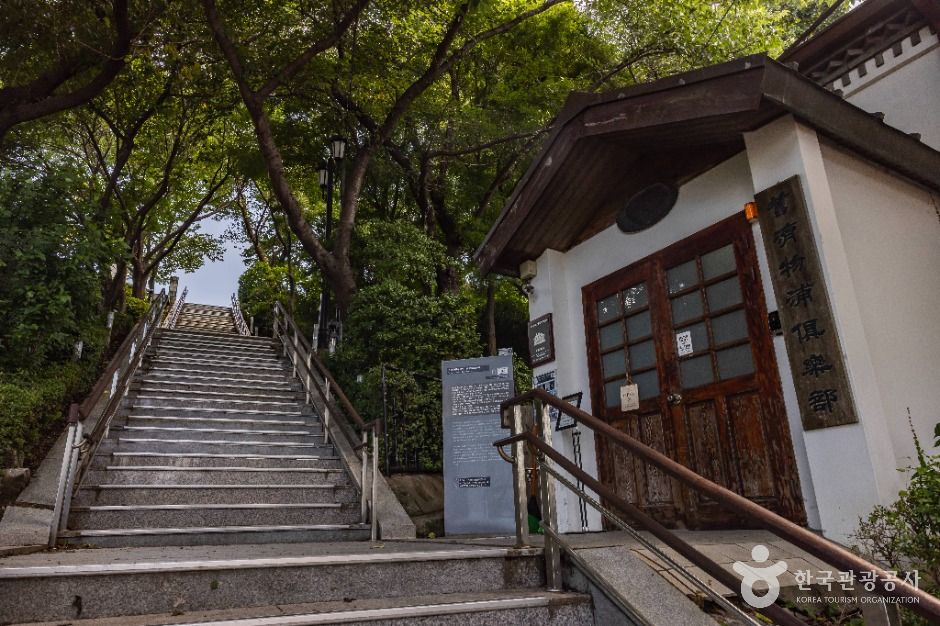
Jemulpo Club, also called Jeumulpo Gurakbu, was established in 1901 to be used as the venue for foreigners such as American, English, German, French, Russian and a small minority of Chinese and Japanese all living in Incheon to build up friendships before opening the port. The two-story brick building was comprised of a library room, pool table, tennis court and others facilities.
The site was used as Incheon Museum from 1953 to 1990 and Incheon Cultural Center from 1990 to 2006. In 2007, the name was changed to Jemulpo Gurabu, imphasizing the Japanese pronunciation of “club.” It now offers a site for experiencing modern culture interactions.
⊙ Songwol-dong Fairy Tale Village (송월동 동화마을)
View detailed guide on Korea Trip Guide →
– Homepage
www.icjg.go.kr
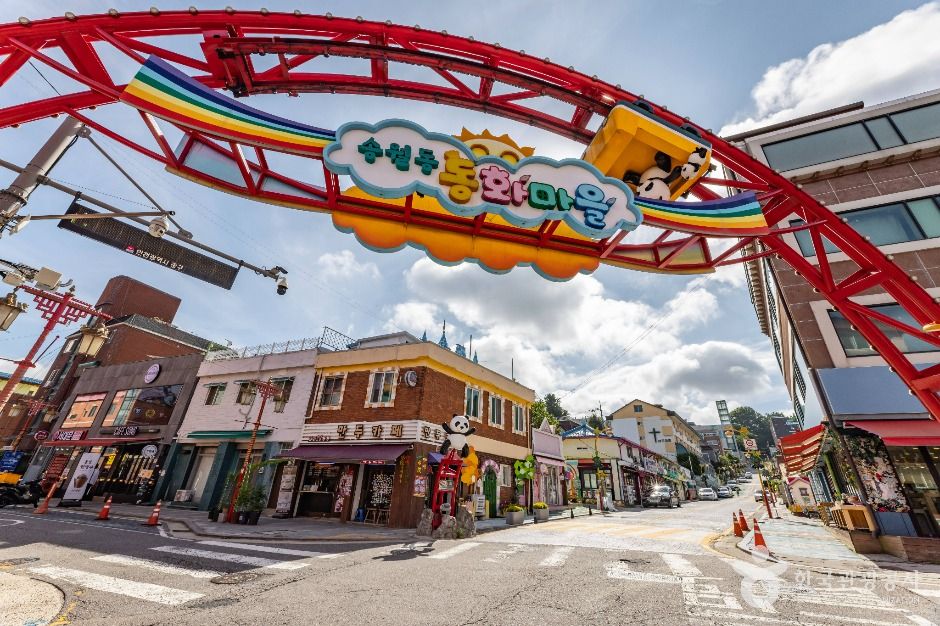
Songwol-dong was named for its view of the moon between the pine forest. The opening of Incheon Port in 1883 led to the start of many foreigners coming into the area for settlement, and it turned into a rich village. However, young people gradually moved out, leaving the village in a state of stagnation. As such, a renovation project was brought about to improve the development of the village by decorating with murals and sculptures of classic fairy tales.
⊙ Incheon Japanese Street (인천일본풍거리)
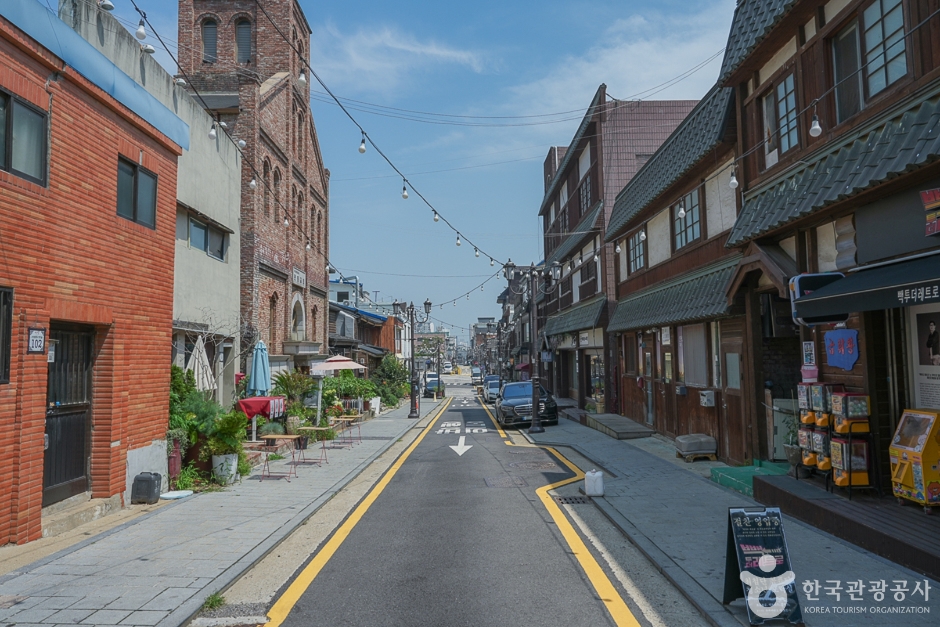
Incheon Japanese Street, established following the opening of Incheon and Jemulpo Ports in 1883, was home to the Japanese concession. It preserves several Japanese-style wooden houses and stone structures from that era. These wooden houses, designed in the distinctive style of Japanese architecture where a storefront is integrated into the residential building, have been renovated and are now serving as cafés and exhibition halls. Nearby, visitors can also explore Incheon Chinatown and the Gaehangjang (Open Port Area) Street.
⊙ Mandabok (만다복)
– Homepage
https://blog.naver.com/mandabok
This restaurant offers baengnyeon jjajang (meaning “hundred-year jjajang”), a traditional style of hayan jjajang, or old-fashioned black bean sauce noodles. The dish features noodles topped with a soy sauce-based sauce along with pork, seafood, and vegetables.
⊙ Incheon Open Port Museum (인천개항박물관)
– Homepage
ijcf.or.kr
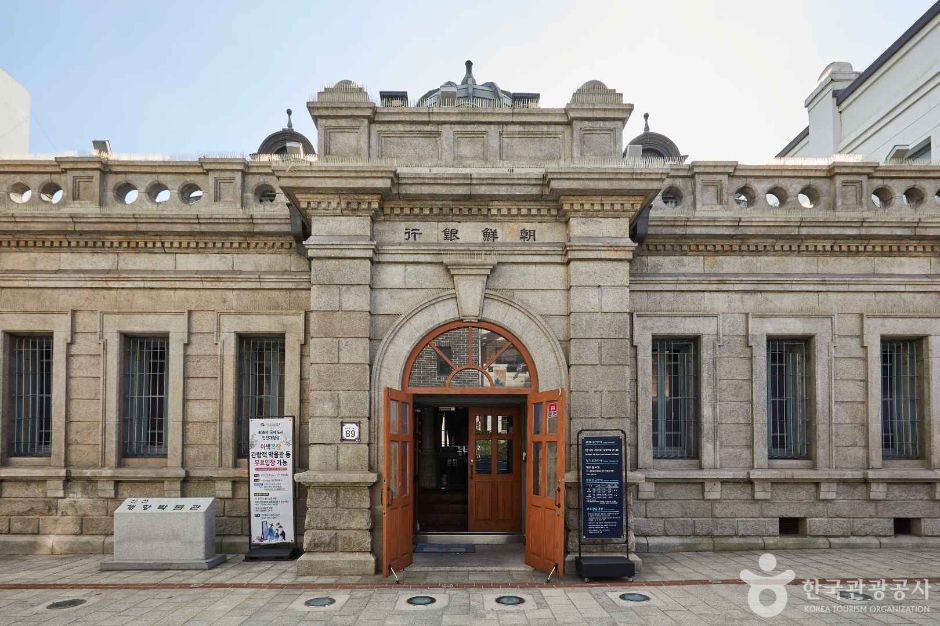
Designated as a Tangible Cultural Heritage of Incheon Metropolitan City, the Incheon Open Port Museum is housed in the former Bank of Japan building, an architectural masterpiece constructed in the late Renaissance style. With four permanent exhibitions, the museum offers a glimpse into various aspects of modern culture and artifacts that were first introduced after the opening of Incheon Port. (Credit: Incheon Jung-gu Cultural Foundation)
⊙ Daebul Hotel Exhibition Hall (대불호텔전시관)
– Homepage
ijcf.or.kr
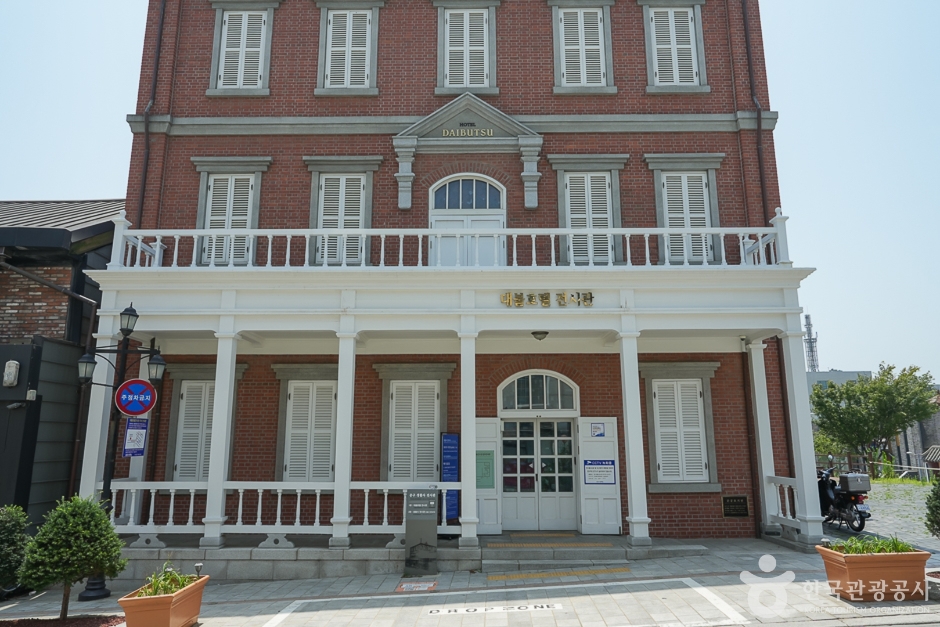
This museum is located on the site of Daebul Hotel, Korea’s first Western-style hotel, established in 1889. The hotel was demolished in 1978, but parts of the hotel structure were discovered in 2011 and rebuilt to preserve the hotel’s original appearance. The first floor is the Daebul Hotel Exhibition Hall, through which visitors can see traces of Daebul Hotel at the time. The second floor is the Jung-gu Life History Museum, where visitors can get a glimpse of life in Incheon’s Jung-gu area in the 1960s and 1970s.
⊙ Cheongil Jogyeji Stairway (청일조계지 경계 계단)
View detailed guide on Korea Trip Guide →
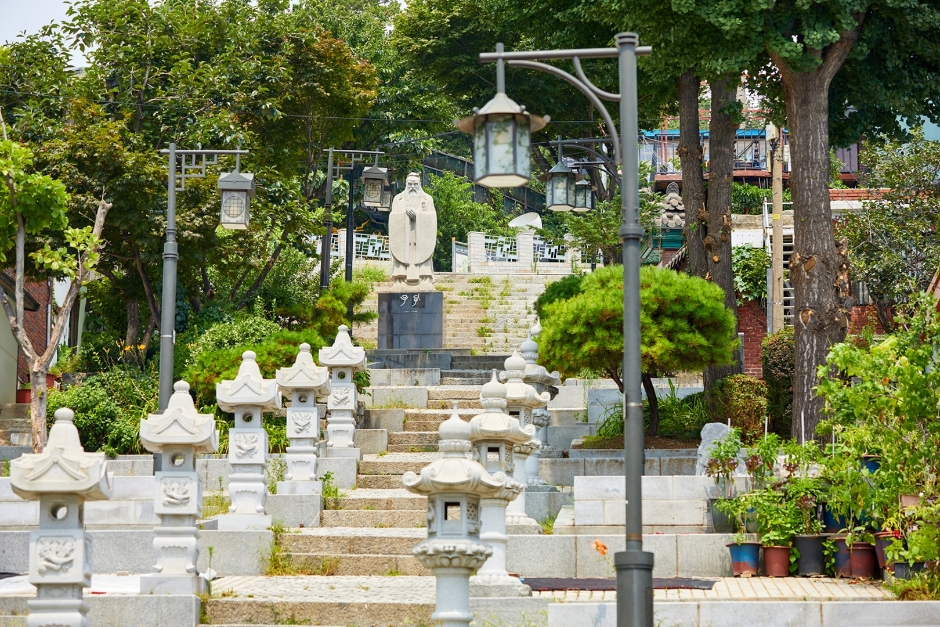
The border stairs of the Sino-Japanese Concession (an exclusive residential area set up for foreigners to live freely in ports opened for foreign trade) are located on a steep hill southwest of Jayu Park. It is a meaningful attraction with a history of about 120 years. The concession areas are divided into the Qing Dynasty concession on the left and the Japanese concession on the right with the stone stairs in the center. The buildings on the left and right clearly show each country’s architectural styles and characteristics of the past.
⊙ Gaehangjang (Open Port Area) Street (개항장 거리)
View detailed guide on Korea Trip Guide →
– Homepage
itour.incheon.go.kr
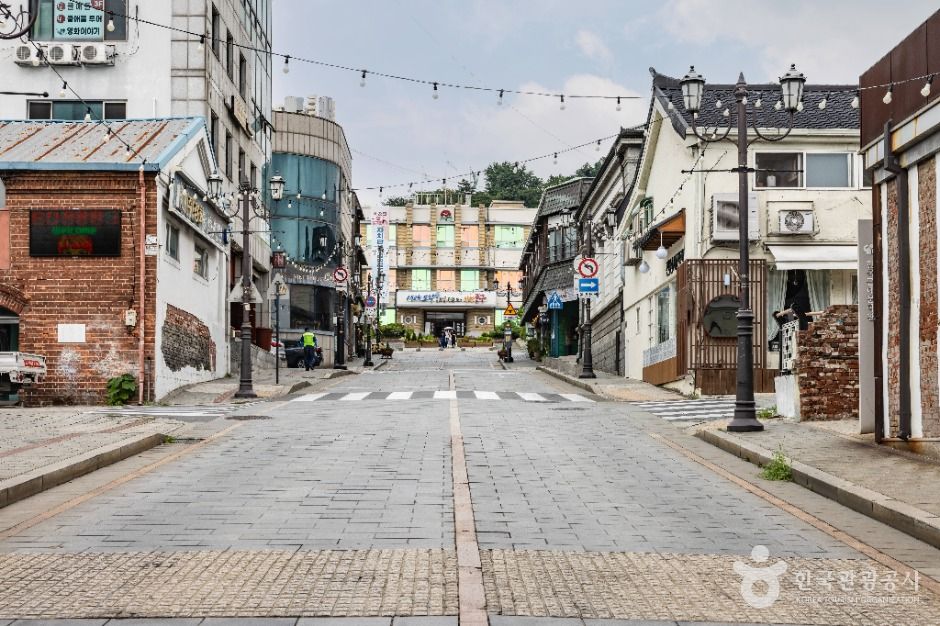
As the Incheon Port was opened in 1883, this is where one could feel the rich history and culture accumulated over 126 years. Formerly used by the Japanese consulate, the Jung-gu Office, the Incheon branch of Japan’s 1st, 18th and 58th Bank and other modern historical architecture can be found intact here. Other historical remains like Former Japan Mail and Shipping Inc., Incheon Art Platform, Jemulpo Gurakbu, and more are also available for visitors to see at the Incheon Gaehangjang (Open Port Area). For those who are interested in learning more, a guided tour by an Incheon cultural tourism expert is available upon reservation.
⊙ Incheon Chinatown (인천 차이나타운)
View detailed guide on Korea Trip Guide →
– Homepage
itour.incheon.go.kr
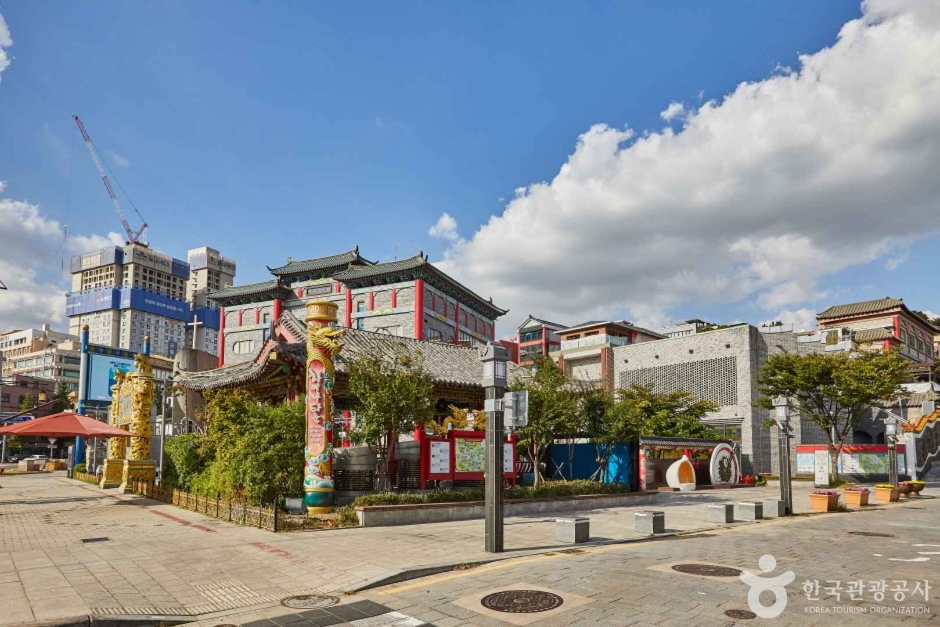
Incheon’s Chinatown came into being with the opening of Incheon Port in 1883 and Incheon’s designation as an extraterritoriality of the Ching dynasty in the following year. In the past, the area held many stores trading goods imported from China, but currently most Chinese businesses in the area are restaurants. Today, the residents of Chinatown are mostly 2nd or 3rd generation Chinese, descendents of the early Chinese settlers. The area harbors many of the flavors of China, while the traditional culture of the first generation is preserved.
![Dolmen in Bugeun-ri [UNESCO World Heritage] (강화 고인돌 유적 [유네스코 세계문화유산])](https://ktrip.blogsailing.com/wp-content/uploads/2026/03/1876577_image2_1.jpg)