K-Royal Culture Festival (궁중문화축전)
K-Royal Culture Festival (궁중문화축전)
 – Homepage
www.kh.or.kr
– Tel
+82-1522-2295
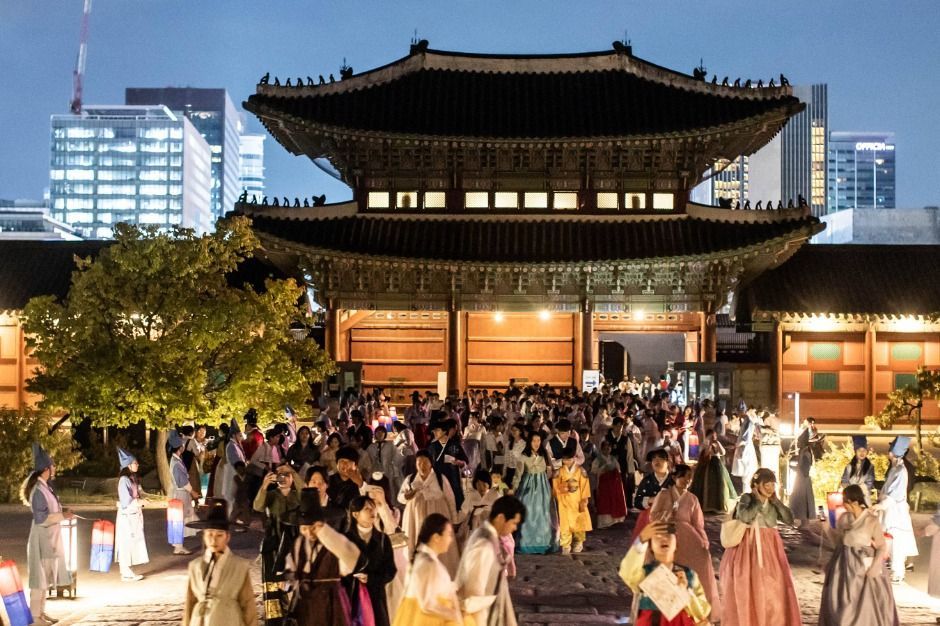
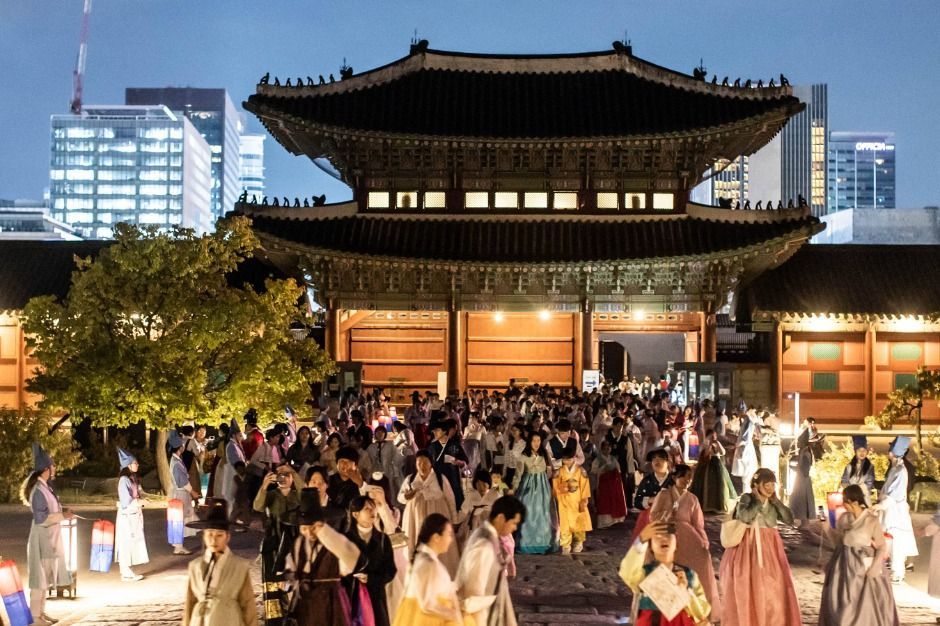
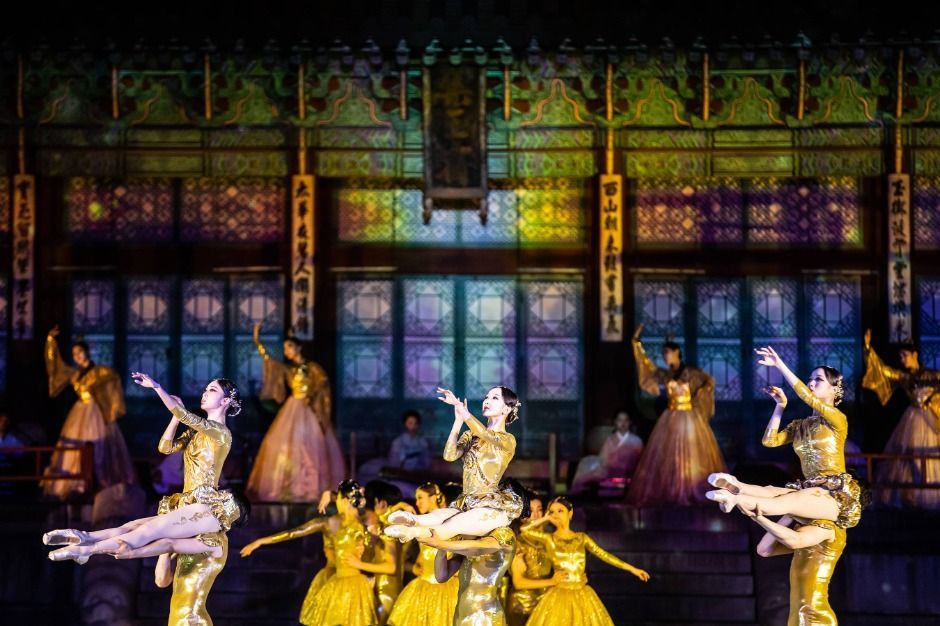
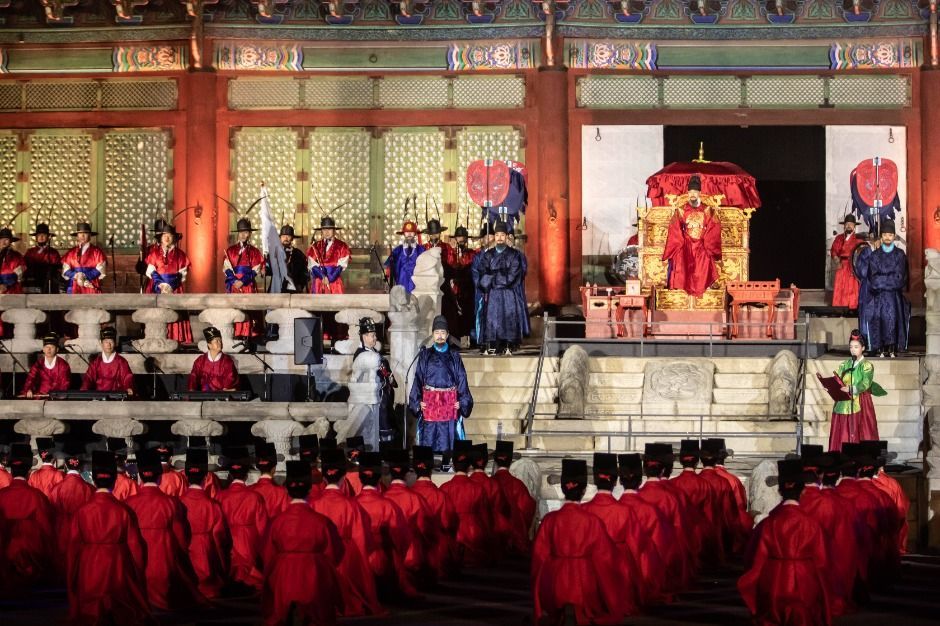
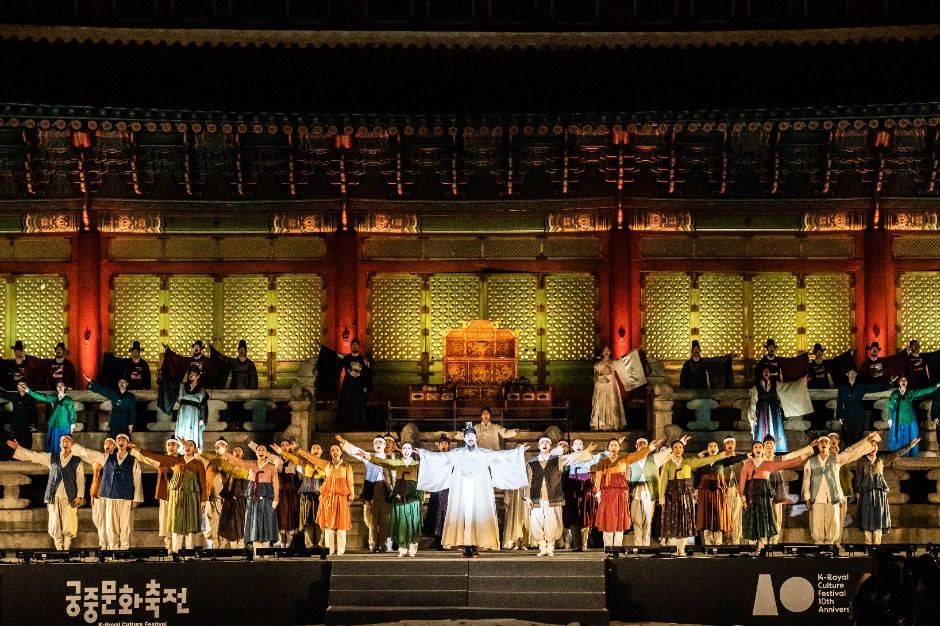
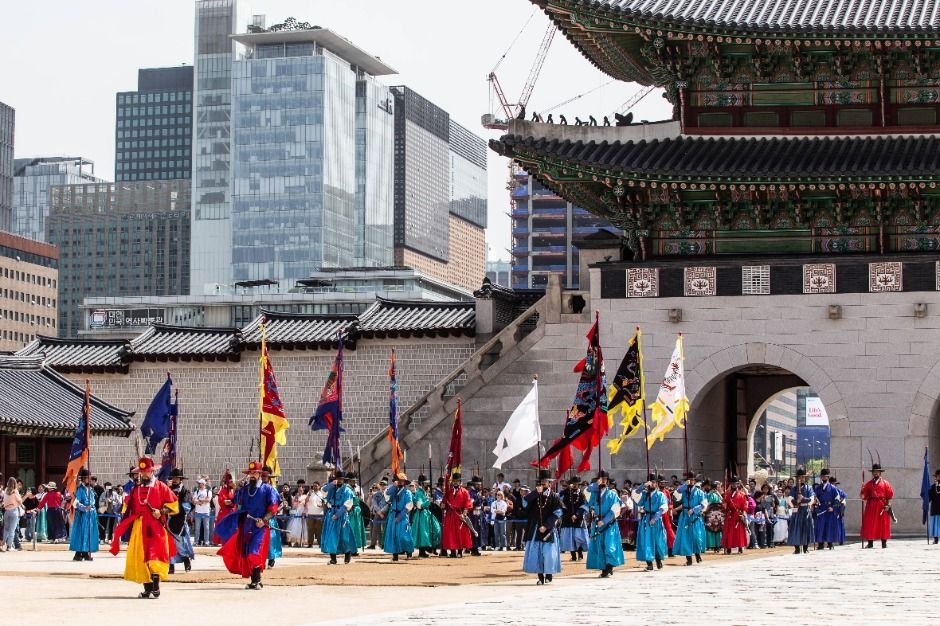
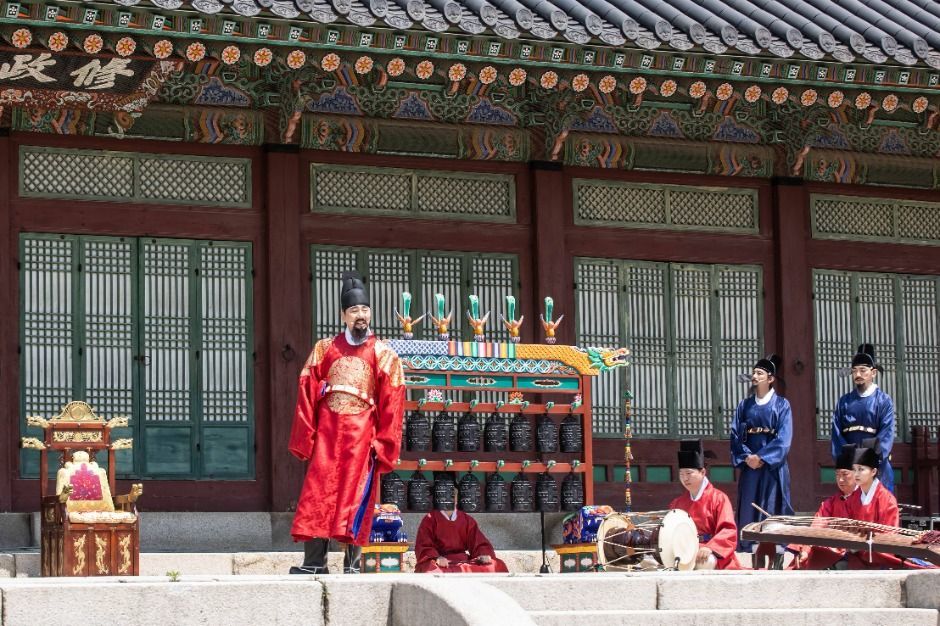
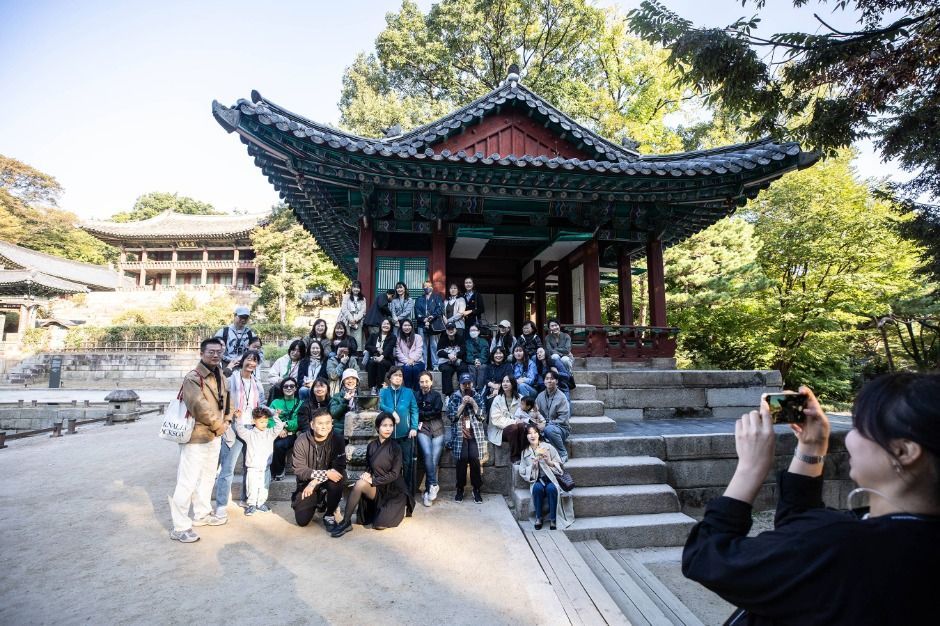
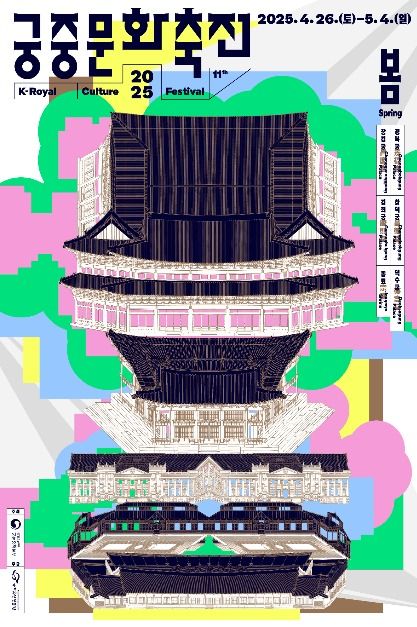
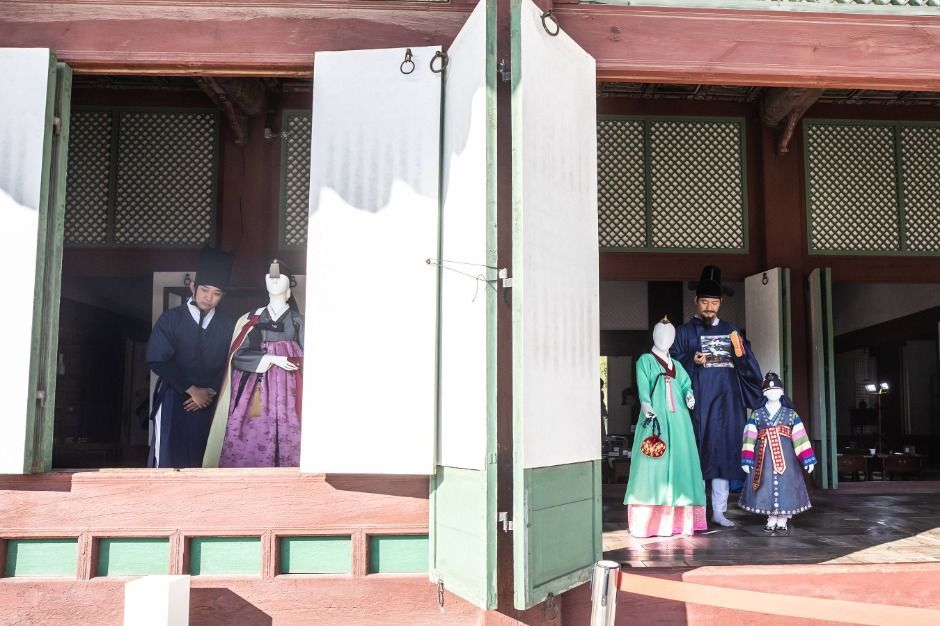
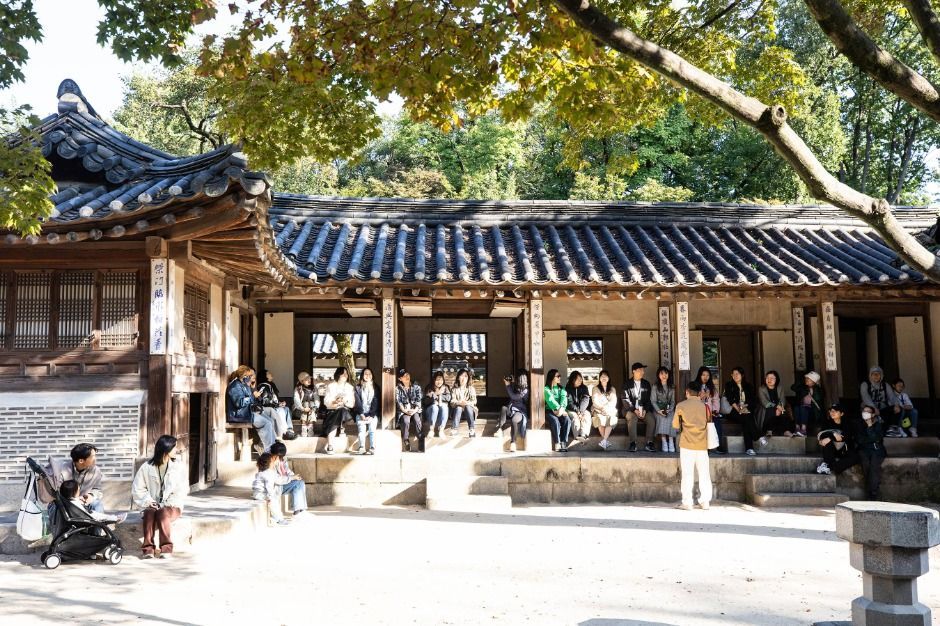
The K-Royal Culture Festival is held at the five Royal Palaces and Jongmyo Shrine. The festival first began in 2014 and provides visitors with first-hand knowledge of these important cultural heritages through unique performances, exhibitions, experiences and programs. The festival expanded in 2021 to be hosted twice a year, in spring and in fall.
– Address : 161 Sajik-ro, Jongno-gu, Seoul
※ Presentation Information
– Event Date
20251008 ~ 20251012
– Schedule
Varies by venue (No closed days during the event period)
– Location
Gyeongbokgung Palace, Changdeokgung Palace, Deoksugung Palace, Changgyeonggung Palace, Gyeonghuigung Palace, & Jongmyo Shrine
– Sponsor
Cultural Heritage Administration
– Sponsor Phone
+82-1522-2295
– Co-Sponsor
Cultural Heritage Agency
– Co-Sponsor Phone
+82-1522-2295
– Fees
Varies by venue
– Introduction
The K-Royal Culture Festival is held at the five Royal Palaces and Jongmyo Shrine. The festival first began in 2014 and provides visitors with first-hand knowledge of these important cultural heritages through unique performances, exhibitions, experiences and programs. The festival expanded in 2021 to be hosted twice a year, in spring and in fall.
◎ Nearby Tourism Infobox
⊙ Palace Royal Guard Changing Ceremony (수문장 교대의식)
View detailed guide on Korea Trip Guide →
– Homepage
www.chf.or.kr
– Tel
+82-2-3210-1645
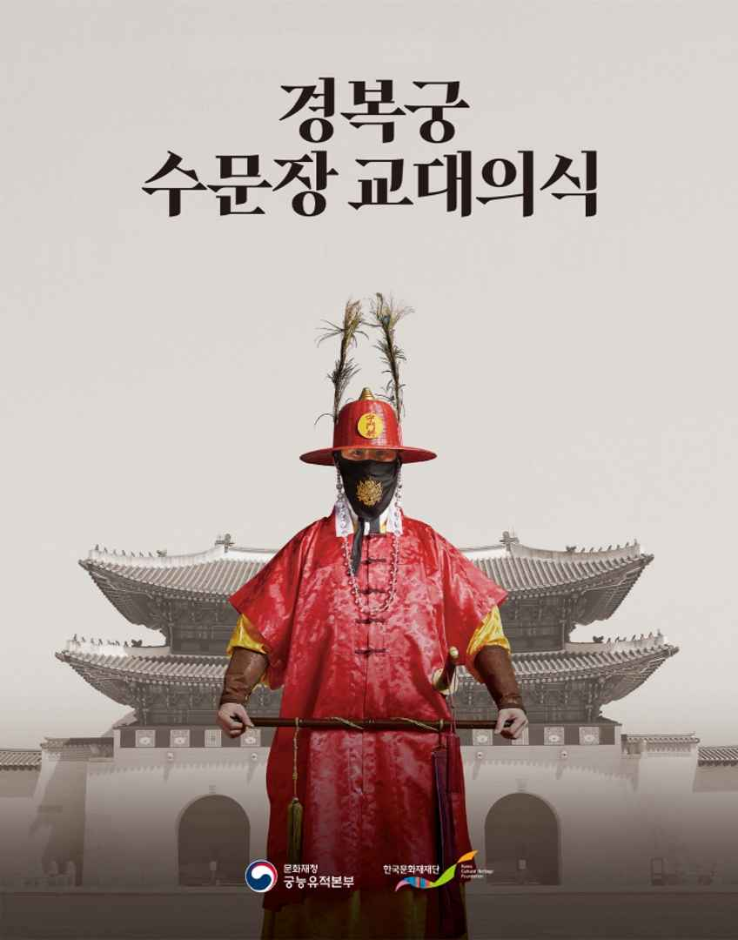
In the Joseon dynasty, the royal guards of the palace were gatekeepers who were responsible for guarding the the main gates of Gyeongbokgung Palace as well as the main gates of the city such as Heunginjimun Gate and Sungnyemun Gate. The royal guards worked in shift duties and were in charge of opening and closing Gwanghwamun Gate. Before the royal guard system was enforced in 1469, the palace gates were protected by soldiers of the central army. The Palace Royal Guard Changing Ceremony held at Gyeongbokgung Palace and the Gwanghwamun area reenacts the guard-changing procedure that took place during the Joseon dynasty, along with the reproduction of costumes and weapons, based on historical records.
⊙ Beodeul Maru – Korea Cultural Heritage Foundation Branch [Tax Refund Shop] (한국문화재재단 버들마루)
–
⊙ Osulloc – National Museum of Modern and Contemporary Art Branch [Tax Refund Shop] (오설록 현대미술관)
– Homepage
www.osulloc.com
–
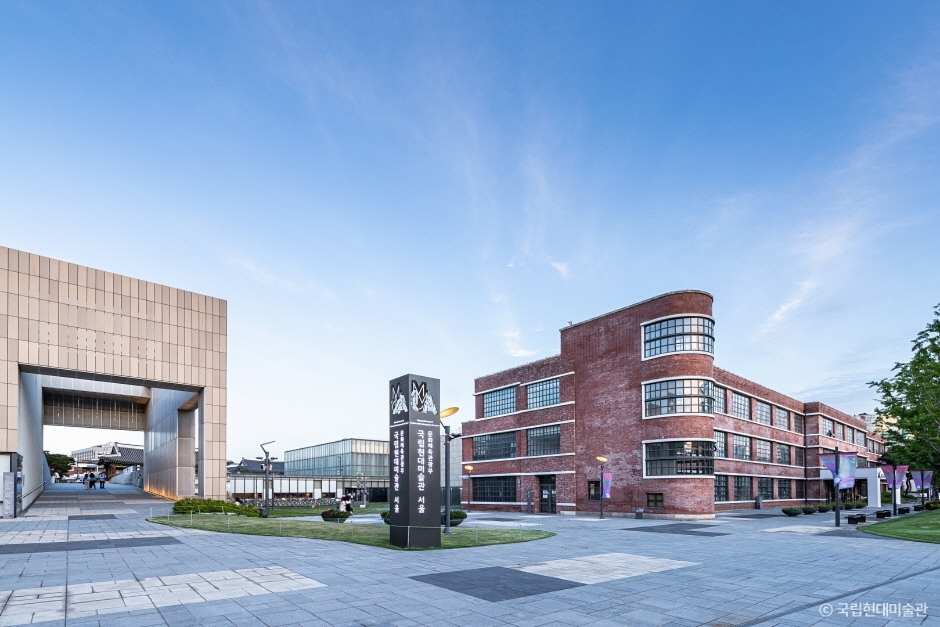
⊙ National Museum of Modern and Contemporary Art, Seoul [MMCA Seoul] (국립현대미술관 서울관)
View detailed guide on Korea Trip Guide →
– Homepage
www.mmca.go.kr
– Tel
+82-2-3701-9500
The National Museum of Modern and Contemporary Art, Seoul (MMCA Seoul) opened in 2013 as a city venue of the MMCA, which opened in 1986 in Gwacheon. The museum site was where many of Korea’s historical and political developments were achieved, both during the Joseon dynasty and after the Korean War. The Seoul venue of MMCA stands out from other museums through its use of Korea’s traditional architectural concept of “madang,” a spacious courtyard where people can come and gather to socialize. The exterior of the building stands in harmony with the surrounding landscape. Inside, the museum is equipped with many facilities, including a reference center, project gallery theater, and multipurpose hall. MMCA Seoul strives to accommodate every mode of new artistic endeavor and to communicate with the public.
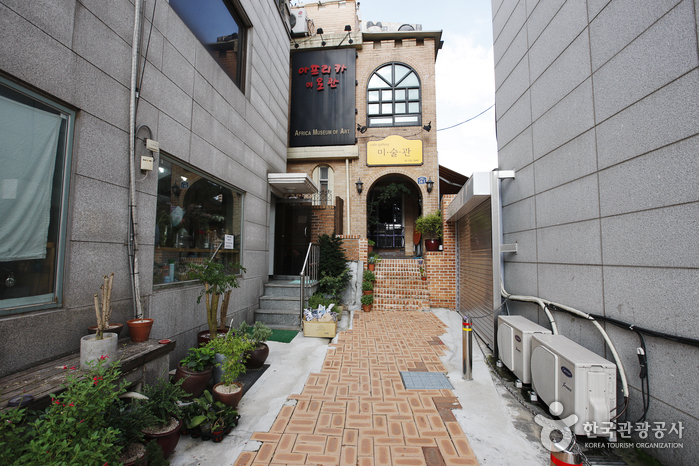
⊙ Africa Museum of Art (아프리카미술관)
View detailed guide on Korea Trip Guide →
– Tel
+82-2-730-2430
The Africa Museum of Art was established with the purpose of hosting various art festivals and providing the grounds for researching various art themes. A major principle of the gallery is to promote works of art that actively attempt to explore the human mind.
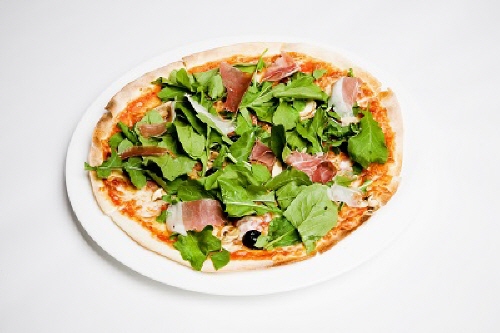
⊙ The Hanok Smith Likes (스미스가 좋아하는 한옥)
View detailed guide on Korea Trip Guide →
– Tel
+82-2-722-7003
The Hanok Smith Likes is a restaurant located near Gyeongbokgung Palace, housed in a renovated hanok. It offers a fusion of Korea’s traditional beauty with Italian cuisine. Specializing in oven-baked pizza and pasta, it also features a variety of Italian dishes. The oven-baked pizzas are particularly popular, known for their chewy crusts and generous toppings. In 2023, it was selected for the Michelin Guide Seoul.
⊙ Lee Ri-Ja Hanbok Museum (이리자 한복전시관)
View detailed guide on Korea Trip Guide →
– Tel
+82-2-734-9477
The Lee Ri-Ja Hanbok Museum displays the traditional clothing worn in Korea from birth to death. All hanbok displayed at the museum are created by the hanbok designer Lee Ri-Ja herself, who has over 40 years of experience.
⊙ Boan1942 (보안1942)
View detailed guide on Korea Trip Guide →
– Homepage
b1942.com
Prior to becoming an art space in 2007, Tongui-dong Boan served as a place for rest for travelers from 1942 to 2005. After a short suspension, the place was renovated into a cultural space in 2017 to carry on the historical legacy and provide creative inspiration under the concept of “Boanstay.”
Boan1942 is divided into a cultural space consisting of a cafe, project workshop, book shop, and exhibition area, and Boanstay on the 3rd and 4th floors that offer temporary lodging services to the cultural nomads. Located in Seochon, the center of culture, history, and convenient traffic in Seoul, Boanstay offers a splendid view of Seoul’s historical and cultural assets such as Gyeongbokgung Palace, Cheong Wa Dae, and Seochon Hanok Village.
<Credit: Boanstay>
](https://ktrip.blogsailing.com/wp-content/uploads/2026/03/4018206_image2_1-768x576.jpg)
](https://ktrip.blogsailing.com/wp-content/uploads/2026/03/4028545_image2_1-768x337.jpg)
![Dior [Tax Refund Shop] (디올)](https://ktrip.blogsailing.com/wp-content/uploads/2026/01/3314783_image2_1.jpg)
![Kinloch [Tax Refund Shop] (킨록)](https://ktrip.blogsailing.com/wp-content/uploads/2026/01/3313589_image2_1.jpg)
![Tandy – Hyundai Dongdaemun Branch [Tax Refund Shop] (탠디 현대동대문)](https://ktrip.blogsailing.com/wp-content/uploads/2026/02/2889225_image2_1.jpg)
2 Comments