Kkum Brewery (꿈브루어리)
Kkum Brewery (꿈브루어리)
 – Homepage
www.kkumbrewery.com: Visit site
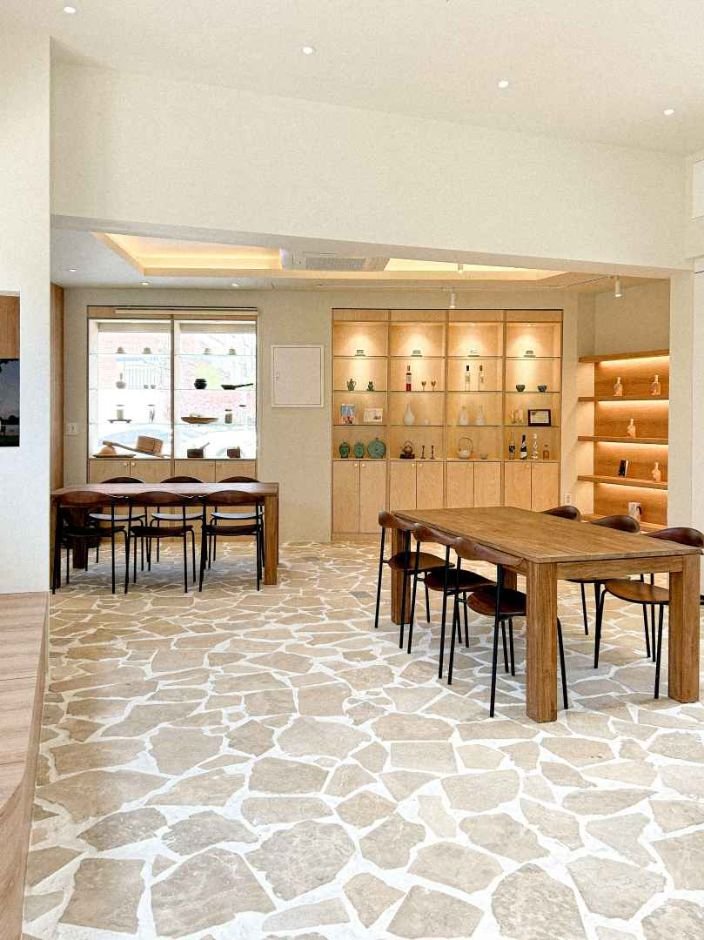
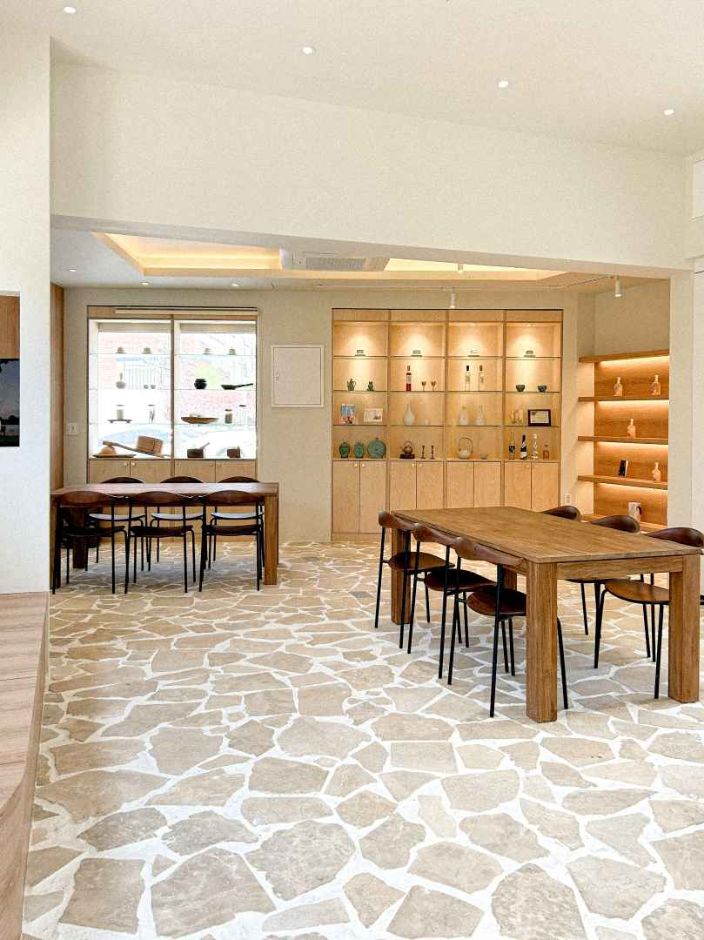
Kkum Brewery produces Gwangju’s local specialty rice wine, Kkumui Daehwa, blending traditional brewing methods with a modern touch. Kkumui Daehwa, the Gwangju specialty, won the grand prize in the 8-10% alcohol category at the 2024 Korean Makgeolli Awards. The brewery offers special experience programs to visitors allowing them to learn more about the Korean traditional liquor culture and cultural heritage of Jeonnam-Gwangju Special Metropolitan City.
– Address : 18-15 Donggyecheon-ro 95beon-gil, Dong-gu, Jeonnam-Gwangju Special Metropolitan City
※ Presentation Information
– Age Range
18 and above
– Experience Guide
Makgeolli making, traditional liquor tasting
– Information and Guides
+82-507-1371-8430
– Parking
Not available
– Day Off
Weekends
– Operating Hours
13:00-18:00* Advance reservation is required


◎ Nearby Tourism Infobox
⊙ Bium Museum (비움박물관)
View detailed guide on Korea Trip Guide →
– Homepage
Visit site · Visit site · Visit site
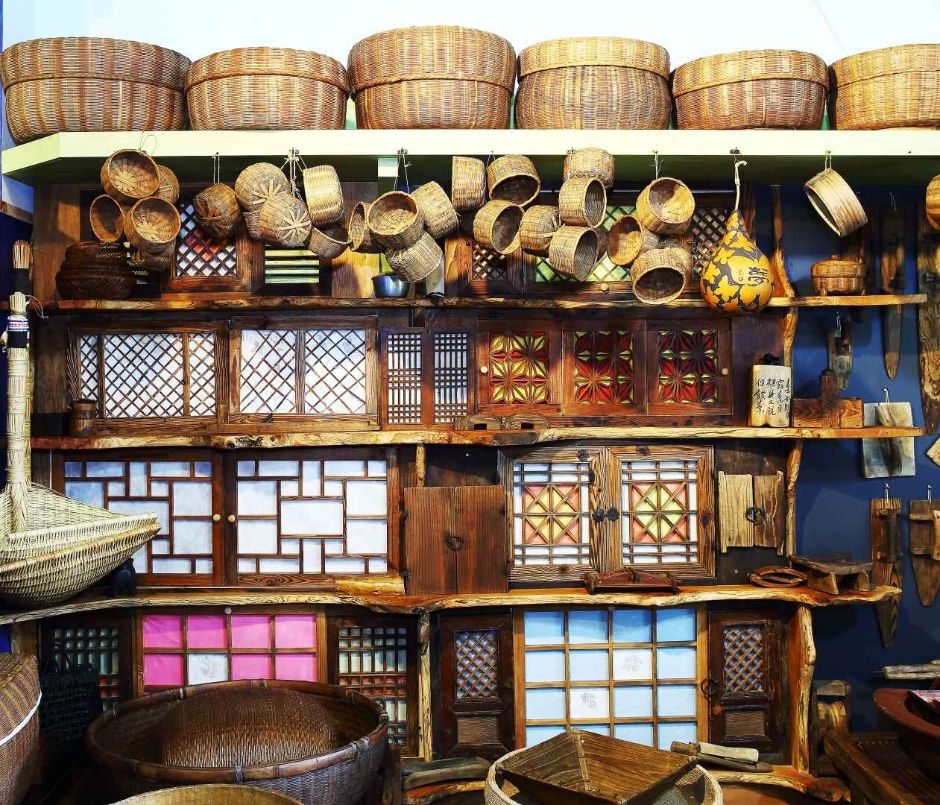
Opened in 2016, the Bium Museum is a folk museum showcasing around 30 thousand Korean modern and traditional artifacts collected by Lee Young-hwa for about 50 years. The art pieces portray the life of poor commoners in the agricultural era before Korea went through industrialization, allowing visitors to get a glimpse of the adaptability and resilience of people in hard times.
⊙ Eunam Museum of Art (은암미술관)
View detailed guide on Korea Trip Guide →
– Homepage
eunam.org: Visit site
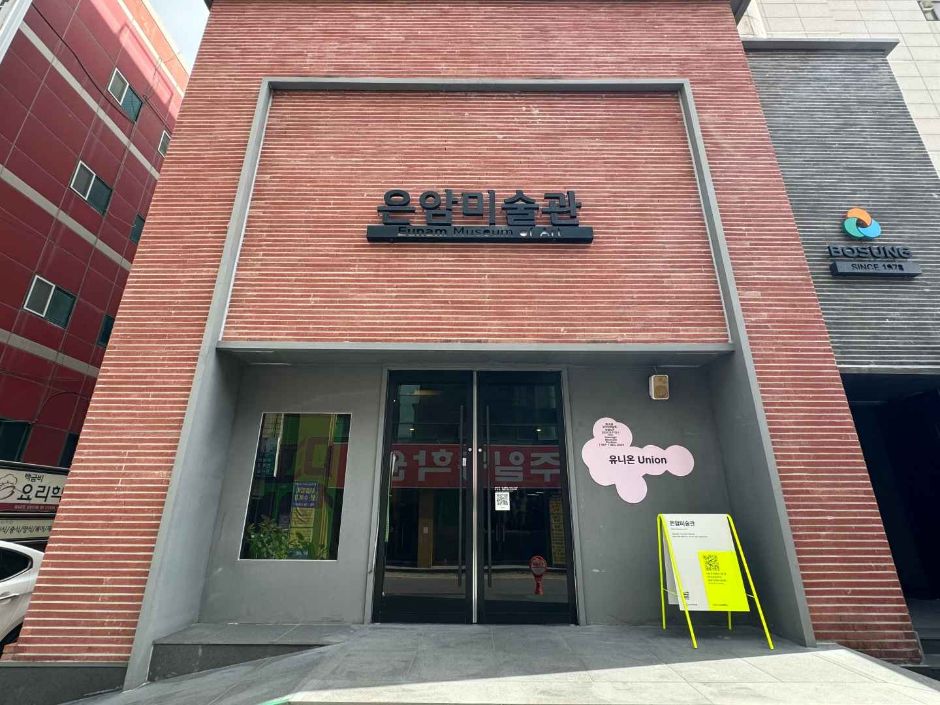
Opened in 2010, the Eunam Museum of Art offers a range of exhibitions, including permanent exhibitions and invitational exhibitions, humanities lectures, and concerts, and provides a cultural space for people to connect. It also runs international exchange exhibitions and residency program inviting artists from the country and abroad.
⊙ Gajokhwegwan (가족회관)
View detailed guide on Korea Trip Guide →
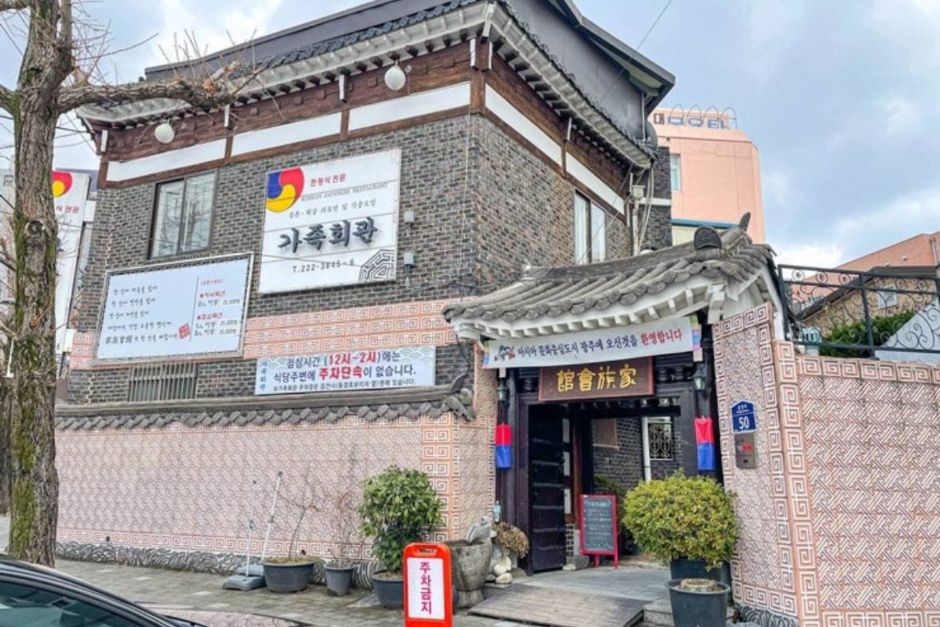
Gajokhwegwan is a Korean table d’hote restaurant with 36 years of tradition. Visitors can experience the charms of Jeolla Province style food that only uses fresh ingredients in season. There are both private rooms and large group seats to enjoy the meal.
⊙ Chireunsibill (치른시빌)
View detailed guide on Korea Trip Guide →
– Homepage
studio711.kr: Visit site
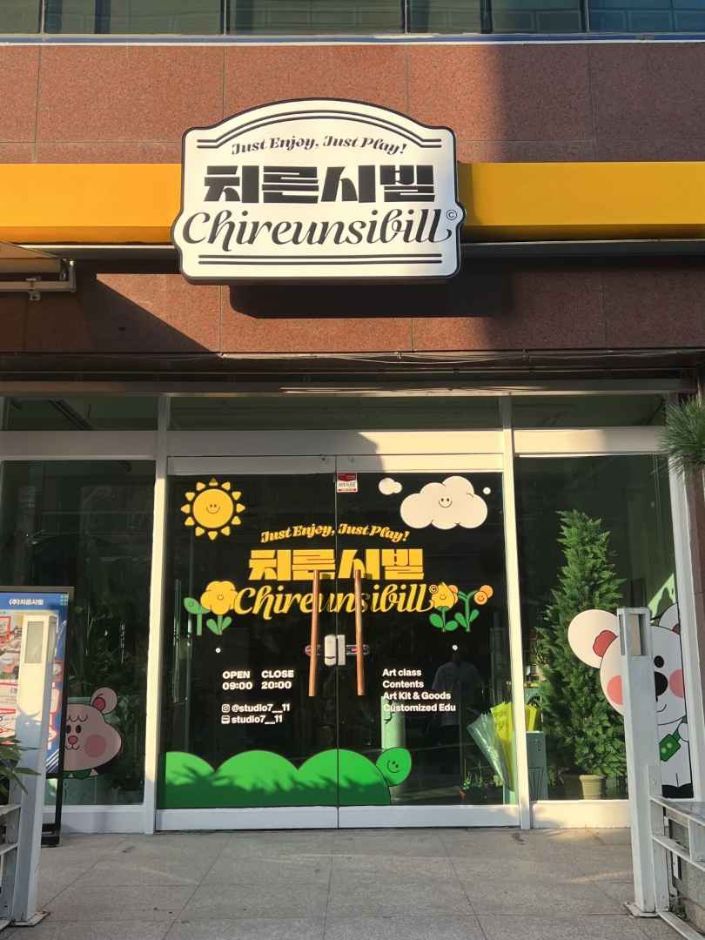
Chireunsibill was founded in 2022, offering educational programs and art kits with young artists both online and offline. The educational programs are open to all , and cover a wide genre of art types, from painting to music. It is a popular attraction for travelers with children.
⊙ May 18 Democratic Uprising Archives (5•18민주화운동 기록관)
View detailed guide on Korea Trip Guide →
– Homepage
www.518archives.go.kr: Visit site
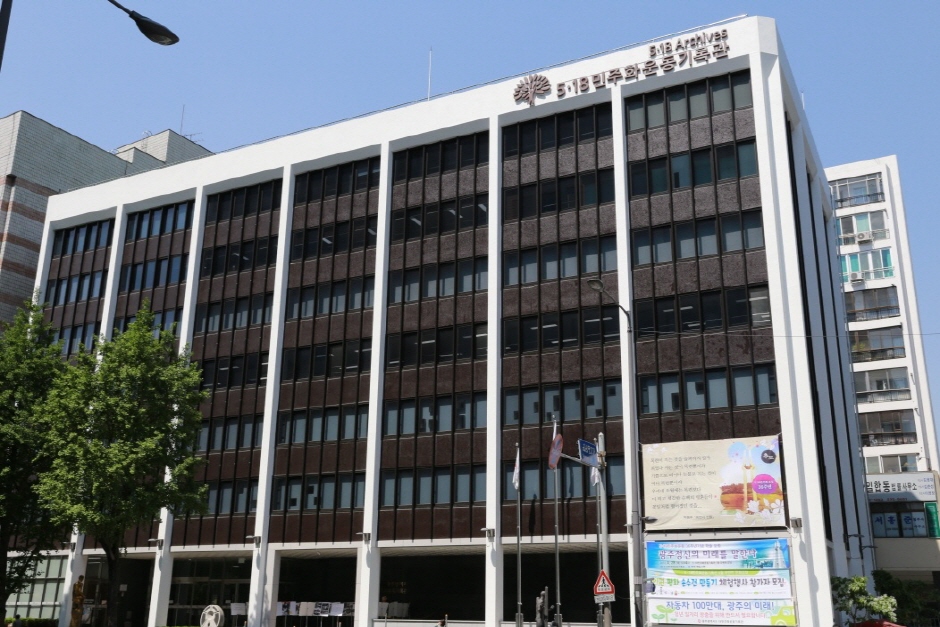
The May 18 Democratization Movement was a righteous uprising by citizens that took place in Gwangju for ten days from May 18 to 27 in 1980. The May 18 Democratic Uprising Archives was established in 2015 at the former Gwangju Catholic Center, a historical site of May 1980, to systematically collect and preserve the May 18 Democratization Movement’s heritage that led to the democracy in Korea today. Through the efforts of Gwangju citizens, visitors can see the original records of the May 18 Democratization Movement, inscribed on the UNESCO Memory of the World in 2011. Visitors can also view the records with a guide or through online exhibitions. The May 18 Democratic Uprising Archives is a place that preserves the history of all Korean citizens.
⊙ Geumnam Butterfly Garden (금남로공원 금남나비정원)
View detailed guide on Korea Trip Guide →
– Homepage
tour.gwangju.go.kr: Visit site
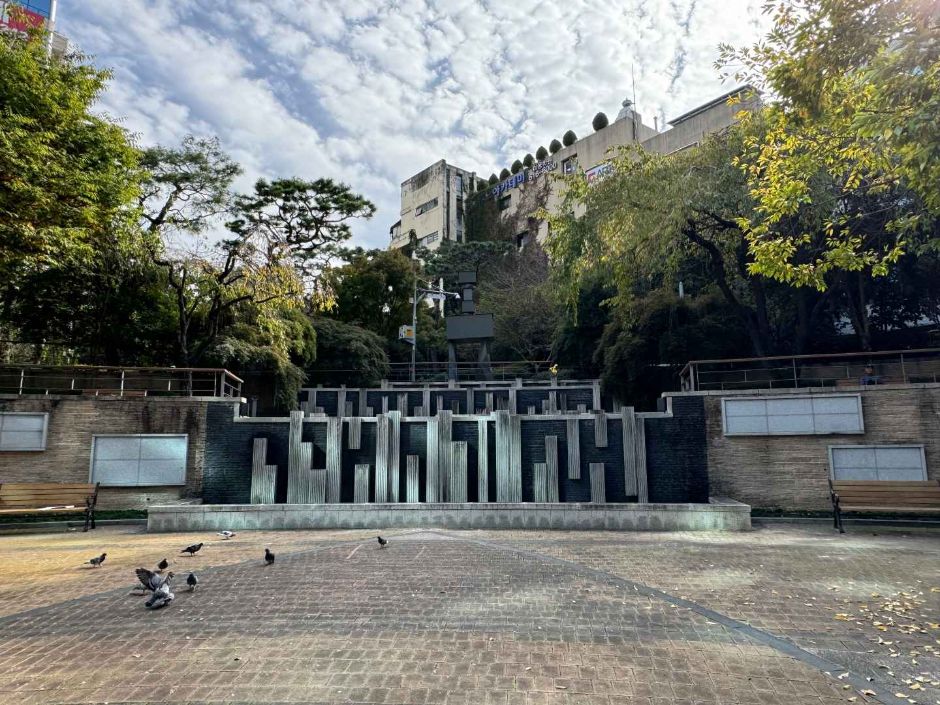
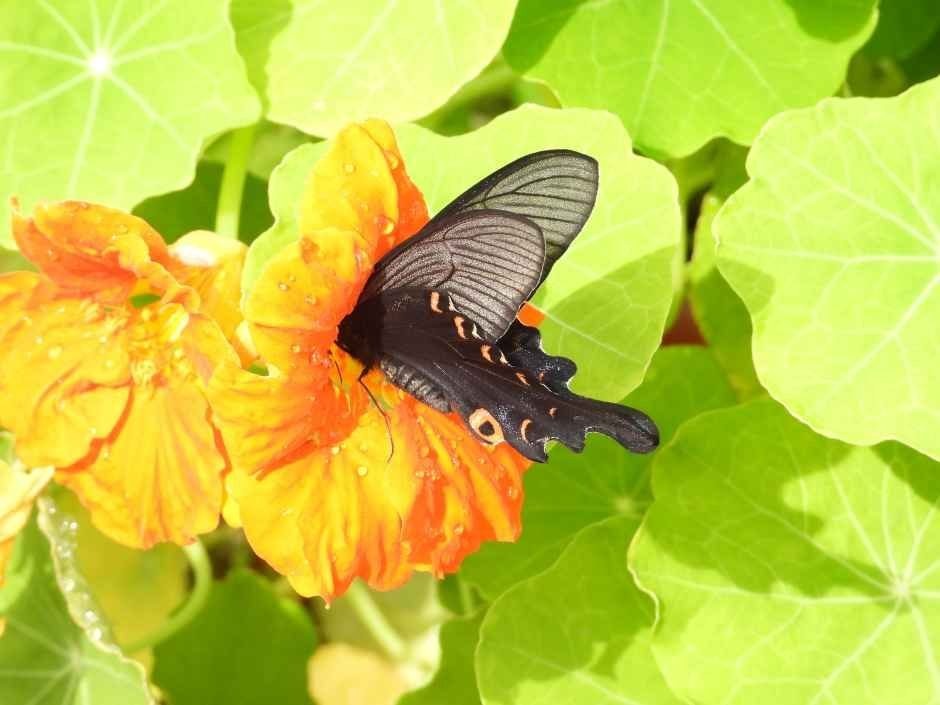
Geumnamro Neighborhood Park, once the site of the Bank of Korea’s Gwangju branch, now hosts the enchanting Geumnam Butterfly Garden. Inspired by the glowing butterflies, the garden is a stunning curation by Gwangju, a UNESCO Creative City of Media Arts. It offers a magical setting for a night tour, transporting visitors into a fantasy world of vibrant colors and purple hues.
⊙ Mimiwon (미미원)
View detailed guide on Korea Trip Guide →
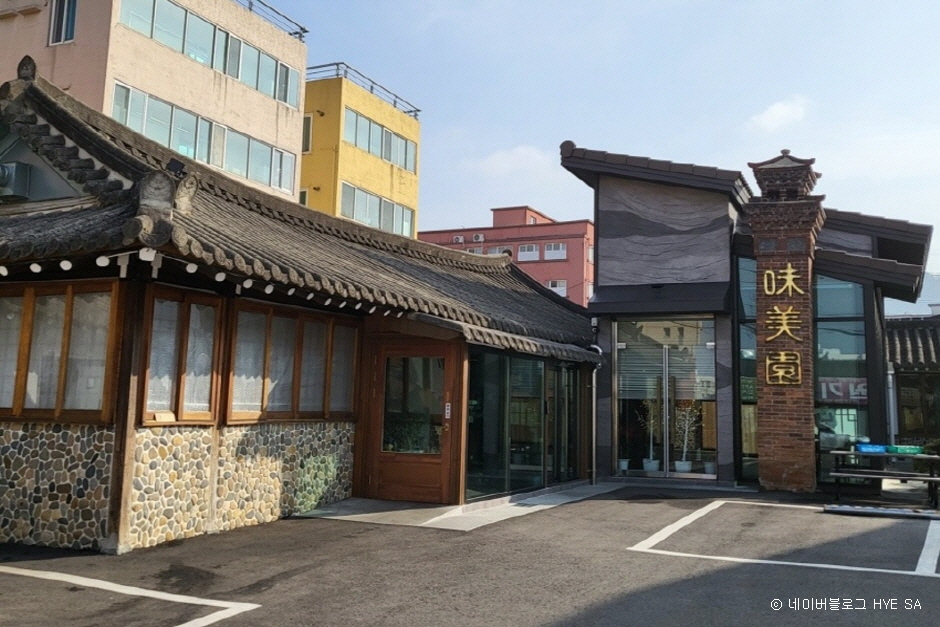
Emerging as a leading spot for yukjeon (Pan-fried Battered Beef) in Gwangju, Mimiwon has gained popularity through multiple media features. The restaurant’s traditional hanok building creates a neat atmosphere.
⊙ Gwangju Chungjang-ro KPOP STAR Street(광주 충장로 케이팝 스타의 거리)
View detailed guide on Korea Trip Guide →
– Homepage
tour.gwangju.go.kr: Visit site
J-hope Hope World
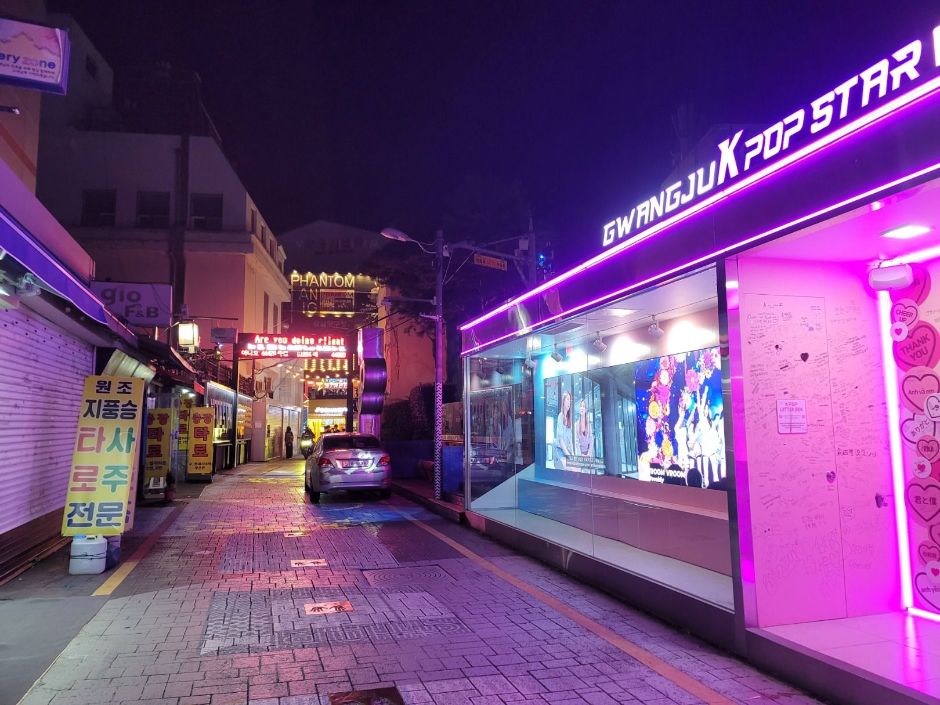
This street was created to commemorate K-pop stars from Gwangju. Within the street, there are murals depicting singers’ album jackets, benches decorated with song titles, handprints, and sculptures. After j-hope personally stopped by the bench decorated with the theme of a BTS song and posted a proof shot, it became a holy place for fans. It is one of the essential courses that ‘ARMY’ cannot miss because he left a message of appreciation and impressions of visiting this place.
⊙ Kwangju Bank Museum (KJB금융박물관 (광주은행 금융박물관))
View detailed guide on Korea Trip Guide →
– Homepage
museum.kjbank.com: Visit site
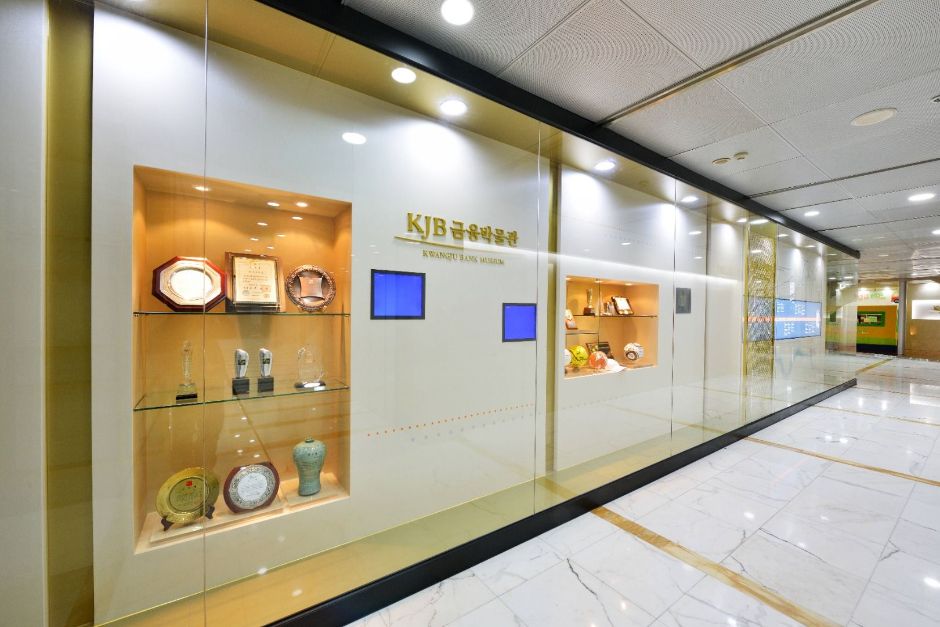
Kwangju Bank Museum established to celebrate the 44th anniversary of the bank, is the first financial bank in the Honam region. Visitors can explore a collection of over one thousand financial artifacts and learn about the history of financial institutions in the region, as well as the evolution of Korean and global currency at the museum. The museum offers financial educational programs for various age groups and also provides a cultural space, allowing visitors to connect through art and learn more about the region’s heritage.
⊙ Palace Tourist Hotel (파레스 관광호텔)
View detailed guide on Korea Trip Guide →
– Homepage
palace-hotel.kr: Visit site
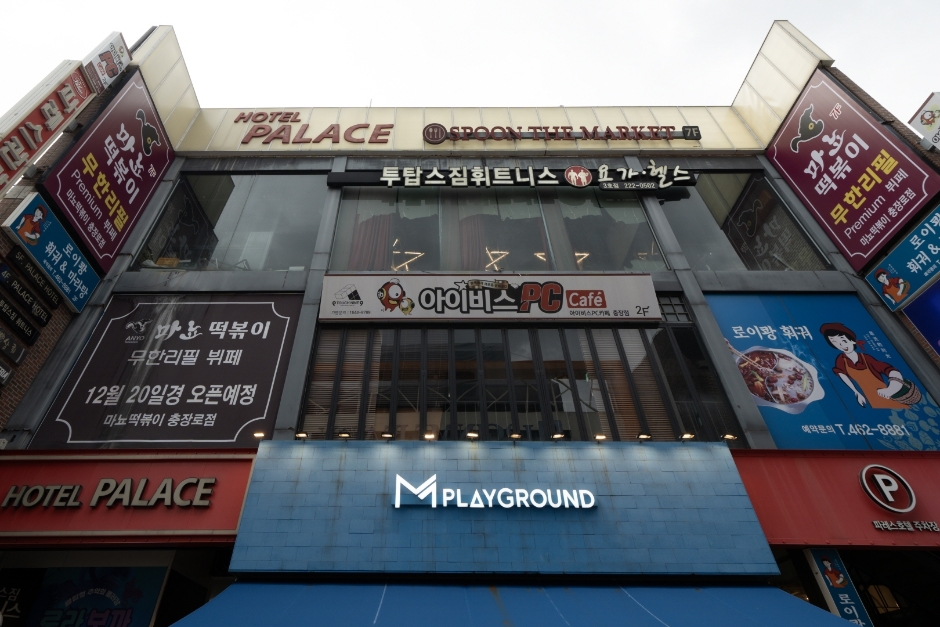
Palace Tourist Hotel is located only a six-minute walk from Geumnamro 4(sa)-ga Station on Gwangju Subway Line 1. Nearby attractions within walking distance include Gwangju Art Street and Yangdong Market.

3 Comments