Mungyeongsaejae Open Set (문경새재 오픈세트장)
Mungyeongsaejae Open Set (문경새재 오픈세트장)
– Homepage
www.gbmg.go.kr/tour (Korean only)
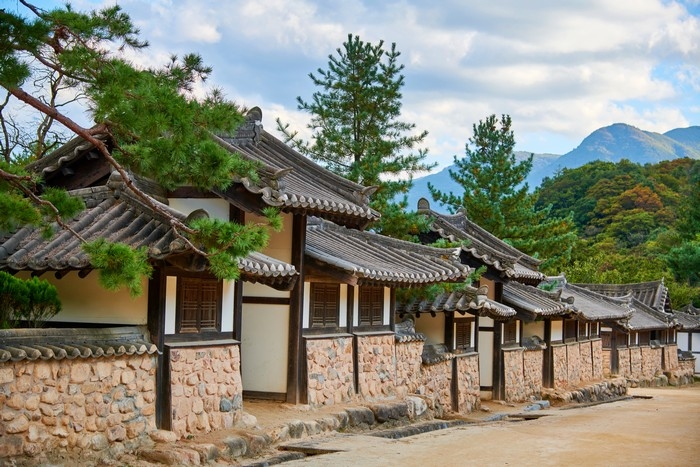
Mungyeongsaejae Open Set has been used for a variety of historical publications, including “Taejo Wang Geon (2000),” “Dae Jo Yeong (2006),” “Sungkyunkwan Scandal (2010),” “Moon Embracing the Sun (2012),” “Jeon Woo-chi (2012),” and “Masquerade (2012).” In 2008, the Goryeo Dynasty set was dismantled and redesigned into a Joseon-era set. Visitors can get a glimpse of life in the past through the replica houses and various structures throughout the open set.
– Address : 932, Saejae-ro, Mungyeong-si, Gyeongsangbuk-do
※ Presentation Information
– Age Range
Open to visitors of all ages
– Experience Guide
Set tour, experience programs
– Information and Guides
• 1330 Korea Travel Hotline: +82-2-1330
(Korean, English, Japanese, Chinese)
• For more info: +82-54-571-0709
– Parking
Available
– Day Off
Jan. 1, the day of Seollal (Lunar New Year’s Day) & Chuseok (Korean Thanksgiving Day)
– Operating Hours
Open all year round
– Admission Fees
Adults 2,000 won / Group: 1,500 won
Teenagers 1,000 won / Group: 800 won
Children 500 won / Group: 400 won
* Group: 20 people or more
– Available Facilities
[Replicas]
Gwanghwamun Gate, Geunjeongmun Gate, Sajeongjeon Pavilion, Gangnyeongjeon Pavilion, Gyotaejeon Pavilion, Donggung Palace, Gwollaegaksa Temple, Aristocratic neighborhood, etc.
◎ Nearby Tourism Infobox
⊙ Mungyeong Chasabal Festival (문경찻사발축제)
– Homepage
www.sabal21.com
– Tel
+82-54-571-7677
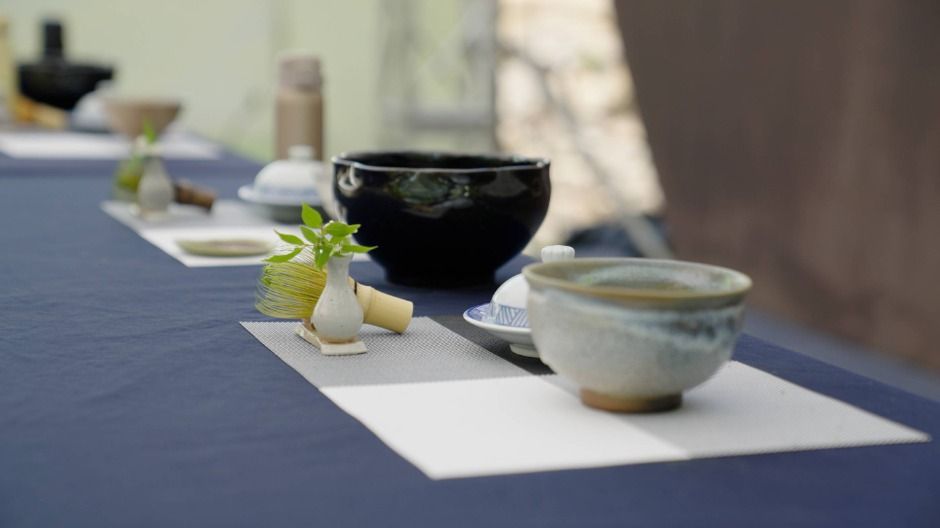
Home to many ceramic masters and artisans, Mungyeong holds the Mungyeong Chasabal (Tea Bowl) Festival every year to honor and develop traditional Korean pottery and ancestral craftsmanship. The festival holds an exhibit with more than 200 kinds of high-quality and high-end ceramics and an online auction of luxury tea bowls. There is also a performance, “A Day of a Mungyeong Potter,” in which craftsmen tell stories and provide explanations behind their tea bowls to add fun and content to the festival. Visitors can mold their own clay and make tea bowls, and children can partake in various programs, such as playing with clay and performing a tea ceremony.
◎ Chasabal
Chasabal, also known as dawan, is a bowl used for drinking tea. Mungyeong’s traditional tea bowl is made in a firewood kiln called “Mangdaengi,” which uses wood rather than modern gas or electric kilns to make a fire.
⊙ Mungyeongsaejae Open Set (문경새재 오픈세트장)
View detailed guide on Korea Trip Guide →
– Homepage
www.gbmg.go.kr
This open set is a filming location for popular historical dramas such as “Kingdom (2019),” “The Red Sleeve (2021),” and “The Moon Embracing the Sun (2012),” and is connected to Mungyeong Provincial Park. One of the most famous spots is the Gwanghwamun Set, which vividly embodies Gwanghwamun Gate. The set has various settings such as a hanok village, downtown area, and a common people’s village, spread over a large site, making visitors feel as if they have traveled back in time to the Joseon dynasty.
⊙ Mungyeong Saejae Bare-foot Walking Festival (오감만족 문경새재맨발페스티벌)
– Homepage
cafe.naver.com
– Tel
+82-53-755-5881
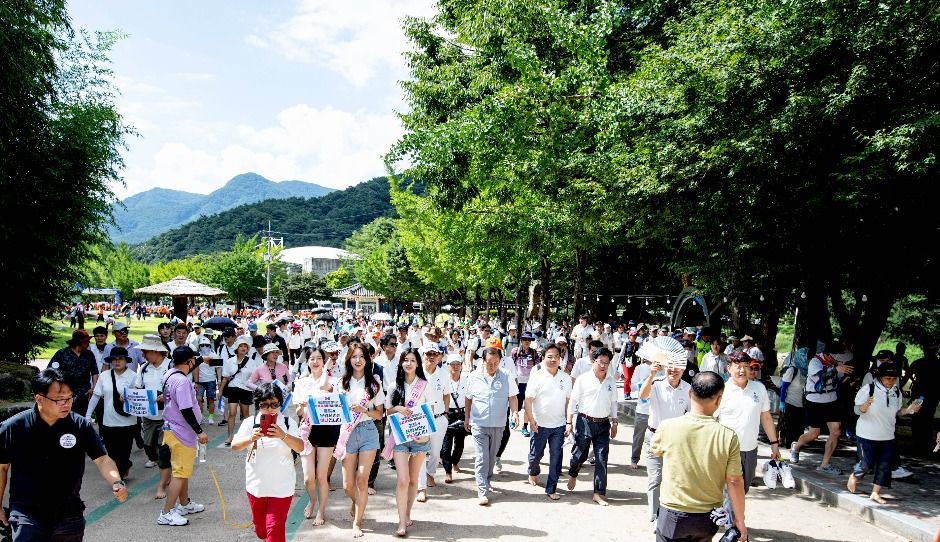
The festival, held annually in Mungyeong, is a bare-foot walking festival covering approx. 7km. During the festival a main performance, various event booths, bare-foot-walking events, and a singing contest are held, allowing visitors to enjoy the festivities while keeping an eye on their health.
⊙ Mungyeongsaejae Provincial Park (문경새재도립공원)
View detailed guide on Korea Trip Guide →
– Homepage
www.gbmg.go.kr
– Tel
+82-54-571-0709
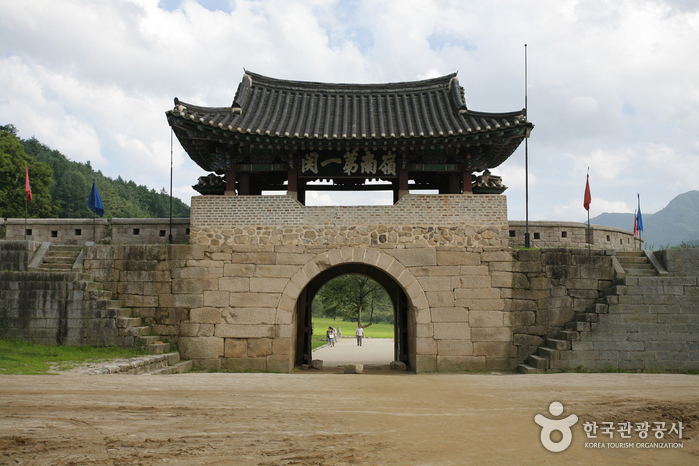
Mungyeongsaejae Pass, which crosses Joryeongsan Mountain, has always been the highest and most dangerous mountain pass in Korea, being reputed to be too tall for even birds to fly over. The three gates of Juheulgwan, Jogokgwan, and Joryeonggwan were built for national defense after the Imjin War (1592-1598). These three gates are designated collectively as Historic Site No. 147. The area between the three gates was designated a provincial park in 1981. The path from the first gate to the last passes through beautiful forests and takes roughly four hours round-trip. Also located within the park boundaries is Mungyeongsaejae Open Set, used for filming historical dramas.
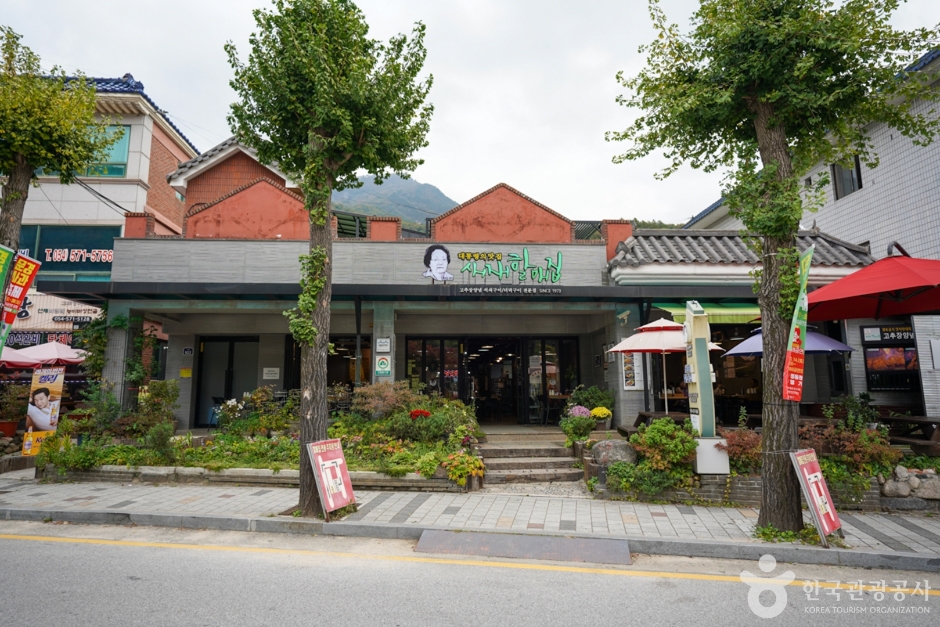
⊙ Saejae Halmaejip (새재할매집)
– Tel
054-571-5600
Nestled in Mungyeongsaejae Provincial Park, Saejae Halmaejip is a Korean restaurant celebrated for its gochujang yangnyeom seoksoe gui (grilled red chili paste marinated meat). The menu also features deodeok gui (grilled deodeok), pajeon (green onion pancake), and dotorimuk (acorn jelly salad), which perfectly complement the signature gochujang yangnyeom seoksoe gui. This long-standing establishment, favored by many regular customers, has also made appearances in several TV shows.
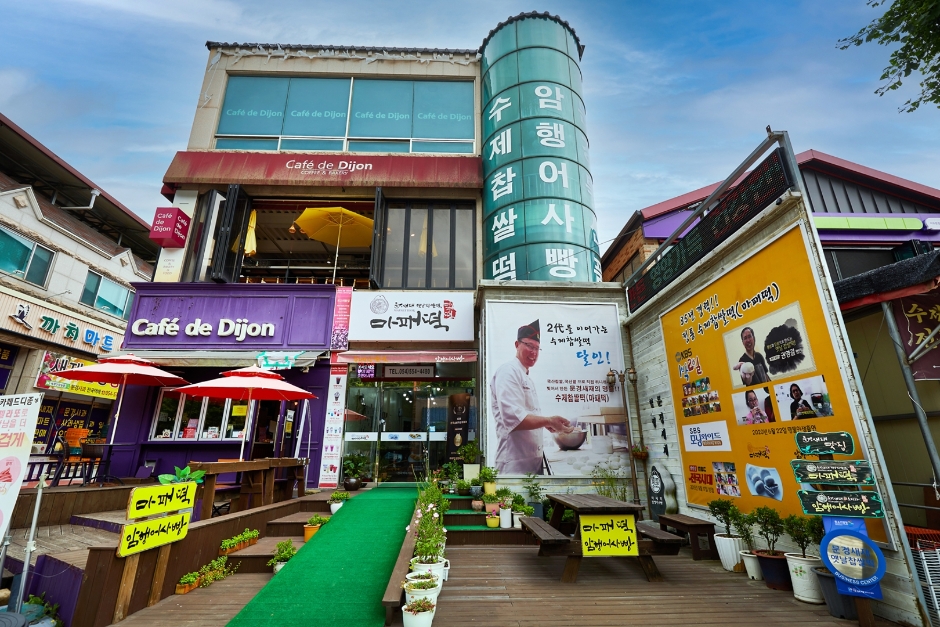
⊙ Mungyeongsaejae Yetnal Chapssal Tteok (문경새재옛날찹쌀떡)
– Homepage
http://mapaetteok.modoo.at
Located in the parking lot of Mungyeongsaejae Provincial Park, this place serves handmade sweet rice cakes made from red beans and glutinous rice. Horse Warrant Rice Cake, made in a traditional way without using preservatives, is not too sweet and has crispy nuts in it. In the Joseon dynasty, inspectors used horse warrants to commandeer horses for their missions to rural areas. Figures of horses were drawn differently depending on the grade. In particular, these were used to identify secret imperial inspectors who were dispatched to rural areas and secretly carried out inspection duties. You can also taste Secret Royal Inspector Bread made with Omija marmalade from Mungyeong. Word of mouth spreading at Mungyeongsaejae Pass makes it highly recommended to visit early, as it is likely to be sold out early.
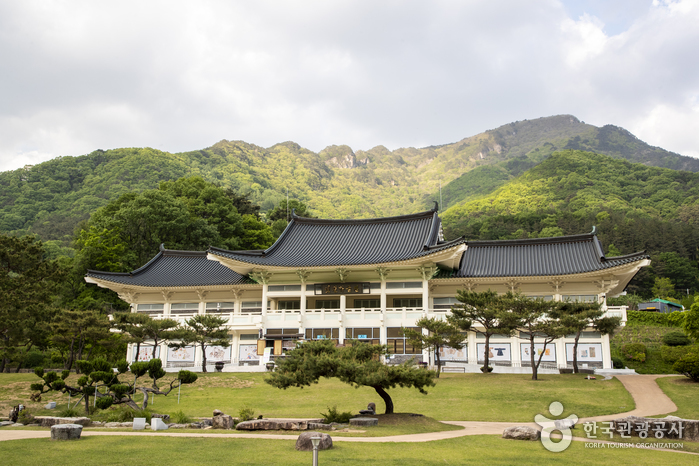
⊙ Museum of Old Roads (옛길박물관)
– Homepage
www.gbmg.go.kr
– Tel
+82-54-550-8372
The Museum of Old Roads offers the history of traditional roads and routes in Korea. In the past, Mungyeongsaejae was a transportation hub for the people of Korea, particularly during the Joseon Period. Mungyeongsaejae is home to Haneuljae (one of the oldest roads in Korea, first established in 156 AD), Tokkibiri (a famous trade route), and Yugok Station (a transport hub in the Yeongnam area).
Even though the importance of the roads as travel routes has diminished over time, they continue to increase in cultural significance, conveying the area’s rich traditional heritage to visitors. The Museum of Old Roads was opened in 2009 after having been remodeled from the Mungyeongsaejae Museum, which mainly dealt with local history.
![Hanok Stay Joadang [Korea Quality] 한옥스테이 조아당[한국관광 품질인증]](https://ktrip.blogsailing.com/wp-content/uploads/2025/12/3009408_image2_1-768x512.jpg)
2 Comments