Museum of Art, Seoul National University (서울대학교미술관)
Museum of Art, Seoul National University (서울대학교미술관)
 – Homepage
www.snumoa.org
– Tel
+82-2-880-9504
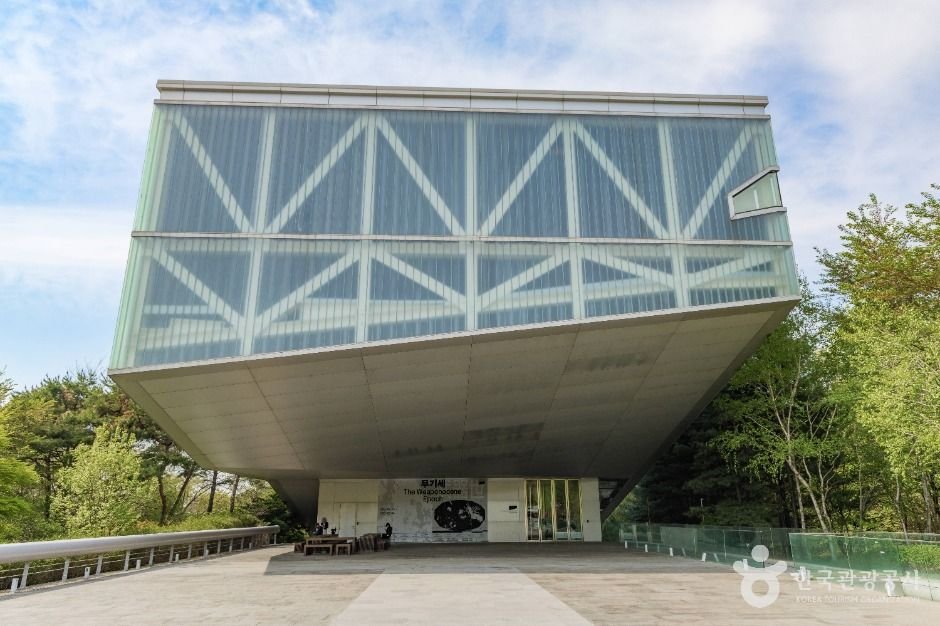
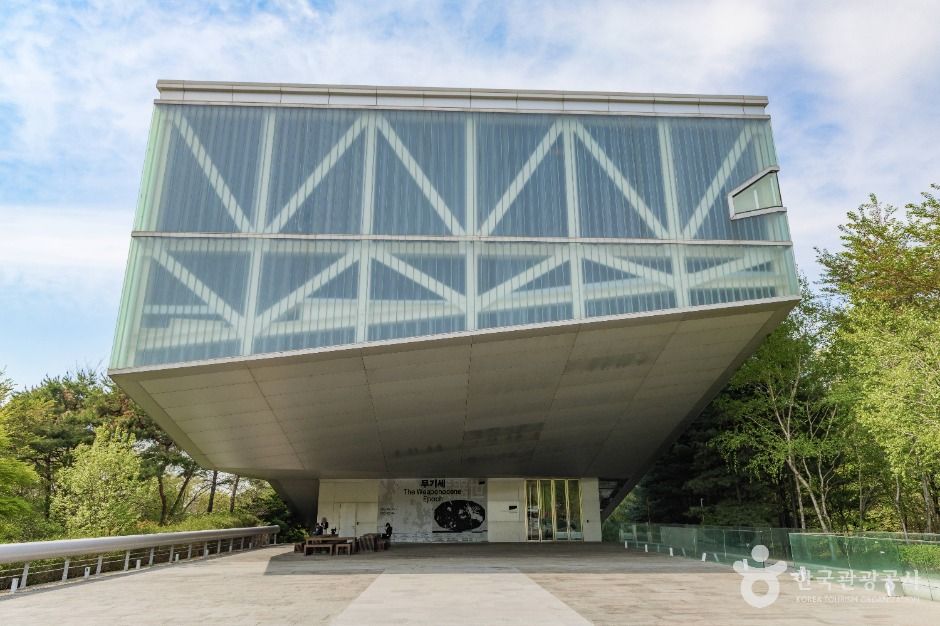
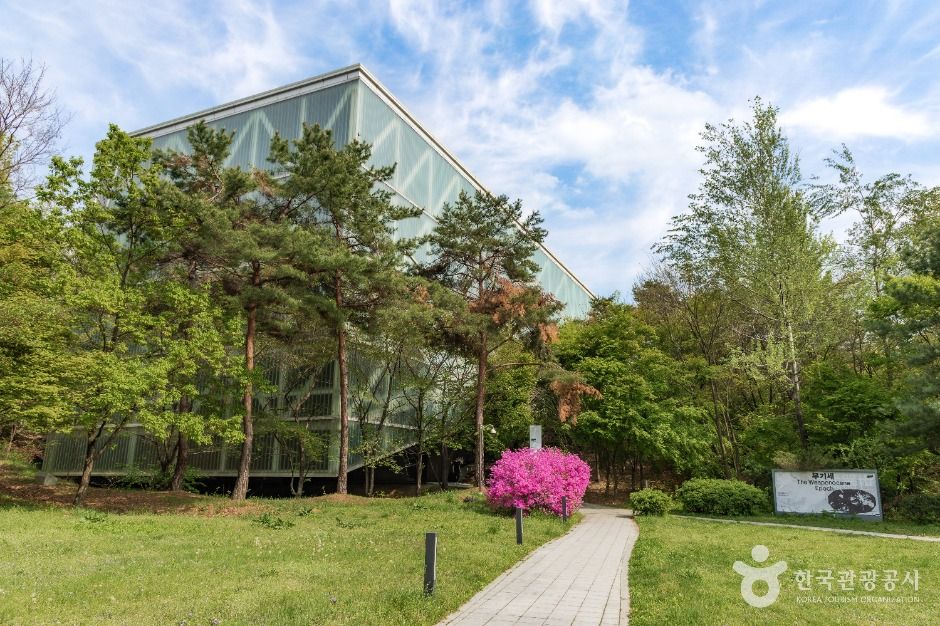
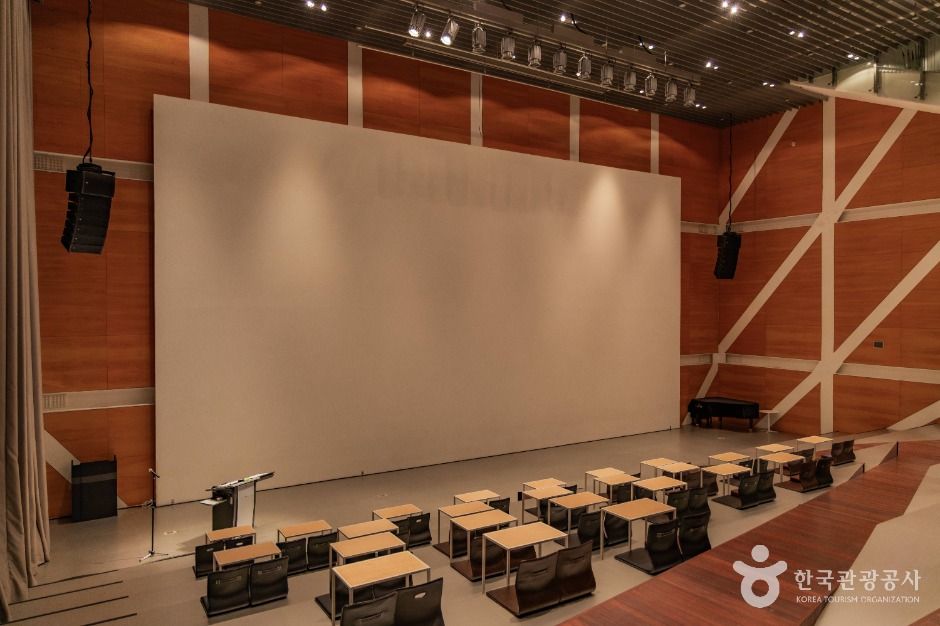
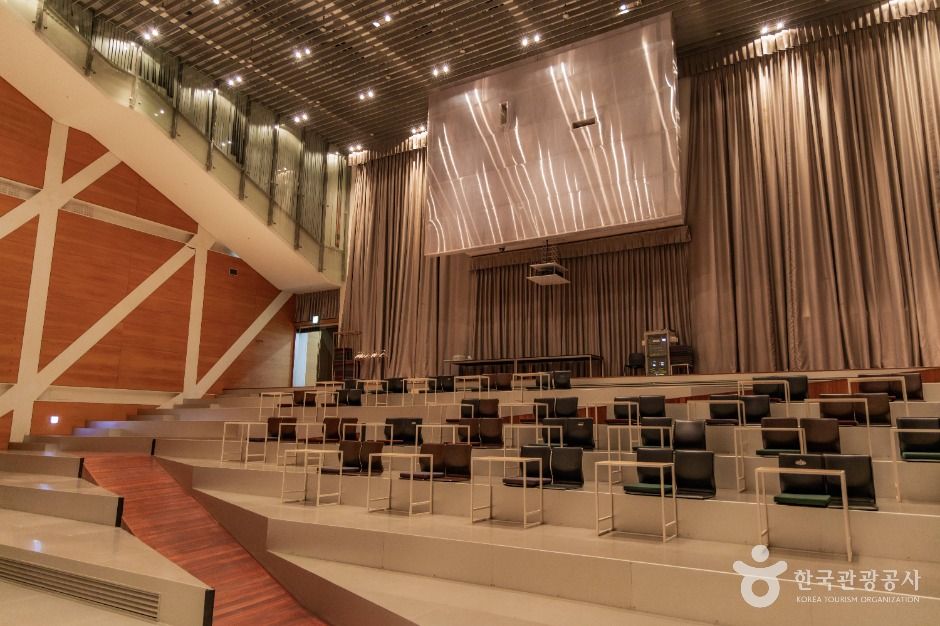
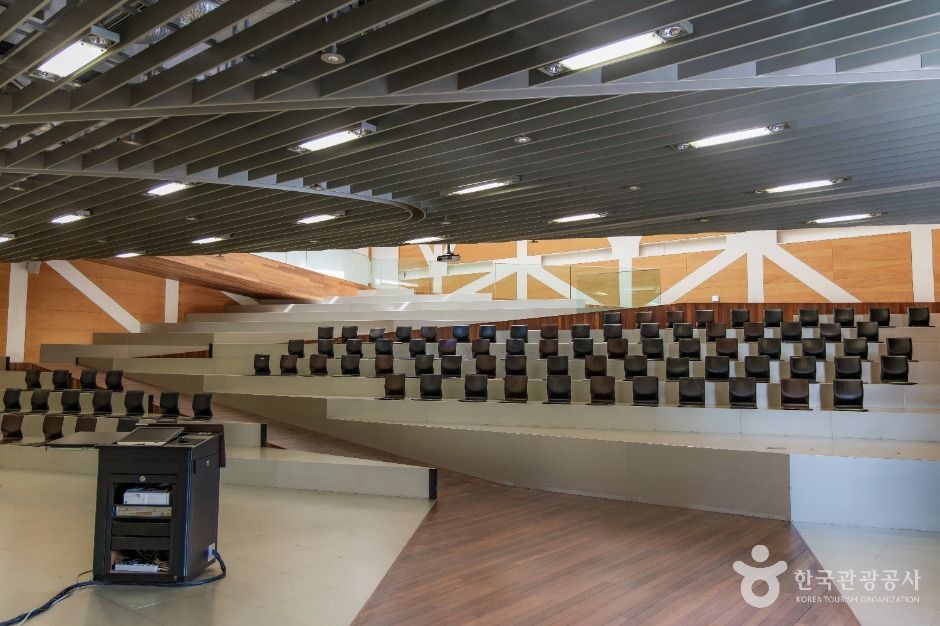
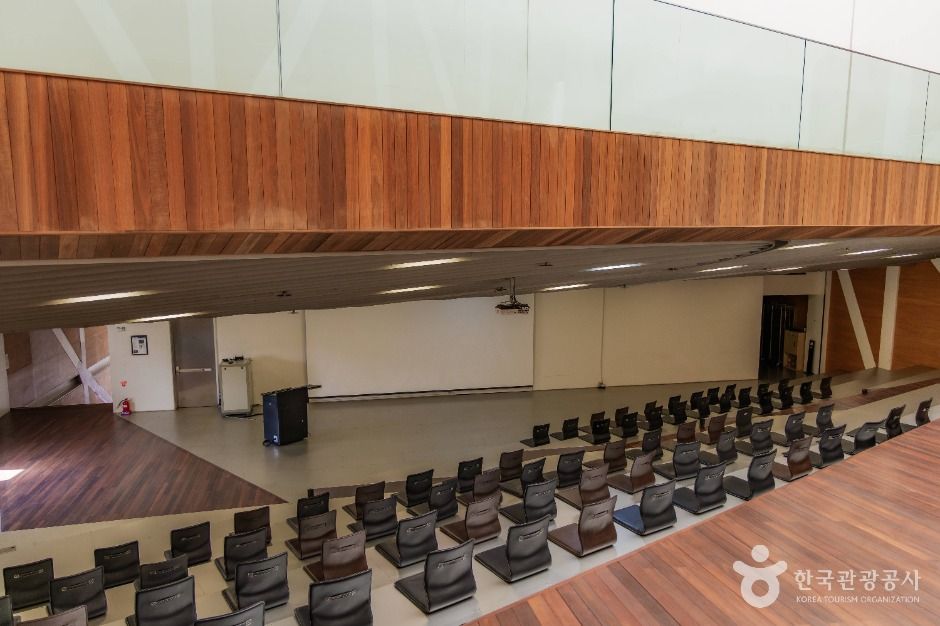
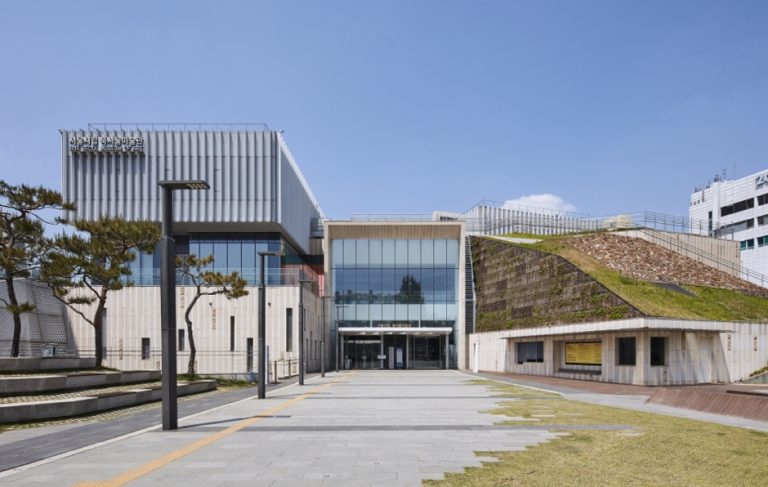
Museum of Art, Seoul National University was established as an independent institution in 1995 after several years of development under the Department of Modern Art at Seoul National University Museum. It is the first university art museum in Korea dedicated exclusively to modern and contemporary art. Designed by the world-renowned architect Rem Koolhaas, the museum was constructed and donated by the Samsung Group. It has evolved into a cultural complex equipped with exhibition halls, auditorium, classrooms, and other educational facilities. The museum places special emphasis on educational programs that are open not just to the university’s students and faculty, but also to the local community. In addition to modern and contemporary artworks, the museum brings together and exhibits diverse forms of art and culture such as architecture, music, literature, film, and theater.
– Address : 1 Gwanak-ro, Gwanak-gu, Seoul
※ Presentation Information
– Information and Guides
+82-2-880-9504
– Parking Fee
Follows the university’s parking fee rules
– Day Off
Mondays, January 1, the day of Seollal (Lunar New Year’s Day) & Chuseok (Korean Thanksgiving Day), Seoul National University Foundation Day (Oct. 15), exhibition preparation period
– Usage Fee
Free
– Operating Hours
Tuesday-Sunday 10:00-18:00 (Last admission 17:30)
◎ Nearby Tourism Infobox
⊙ Seoul National University (서울대학교)
View detailed guide on Korea Trip Guide →
– Homepage
www.snu.ac.kr
– Tel
+82-2-880-5114
Founded in 1946, Seoul National University is the most reputable university in Korea based on its long academic history and tradition. It was the first national university in Korea established by merging several institutions of higher education around the Seoul area, including Kyongsong University
⊙ Gyujanggak Library of Seoul National University (서울대학교 규장각)
View detailed guide on Korea Trip Guide →
– Homepage
kyujanggak.snu.ac.kr
– Tel
+82-2-880-6030
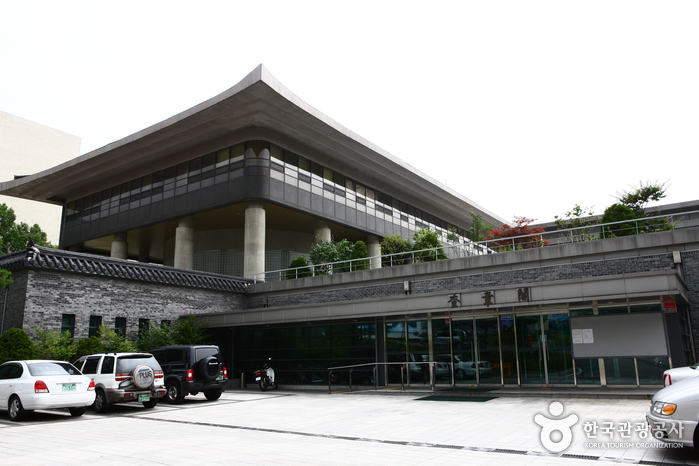
Gyujanggak Library was founded in 1776 during the reign of King Jeongjo, the 22nd ruler of the Joseon dynasty, at which time it was located within the Changdeokgung Palace grounds. It functioned as the royal library, which housed writings of the previous kings, their relics and books from home and abroad.
Today Seoul National University maintains the items of Gyujanggak in a traditional Korean building which is equipped with state-of-the-art facilities necessary for the preservation of cultural heritages. Moreover, Gyujanggak Library of Seoul National University collects and publishes books from a variety of sectors such as politics, economy and society.
Gyujanggak now houses more than 270,000 items including 7 national treasures, 8 treasures, 180,000-plus old books, about 50,000 documents and 18,000 printing blocks. Among them, Joseon Wangjo Sillok (the Annals of the Joseon Dynasty, a National Treasure), Seungjeongwon Ilgi (the Diaries of the Royal Secretariat, a National Treasure) and Uigwe (the Royal Protocols of the Joseon Dynasty) have been designated as UNESCO World Cultural Heritages.
⊙ Gwanak Kang Gam-chan Festival (관악강감찬축제)
View detailed guide on Korea Trip Guide →

– Homepage
www.ggcfest.com
– Tel
+82-2-828-5765
The Gwanak Gang Gam-chan Festival is a historical and cultural event held to honor the patriotic spirit of General Gang Gam-chan, a famous general from the Goryeo Dynasty. The festival is known for its impressive night events, fitting for the location named after a falling star, and features a variety of parades and performances.
◎ Gang Gam-chan and Nakseongdae
General Gang Gam-chan of Goryeo is said to have been born at the place where the fourth star of the Big Dipper fell. This place is called Nakseongdae, which means “the place where the star fell.”
⊙ Gwanaksan Mountain Nakseongdae Park (관악산 낙성대공원)
View detailed guide on Korea Trip Guide →
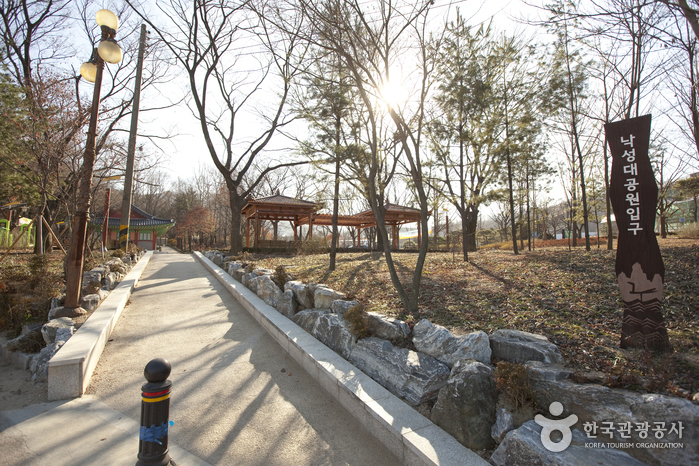
– Homepage
www.gwanak.go.kr (Korean, English, Japanese, Chinese)
– Tel
+82-2-879-6525
Nakseongdae Park was built as a tribute to General Kang Gam-chan (948-1031) of the Goryeo dynasty. In 1973, the city of Seoul reorganized the birthplace of General Kang, resulting in changes to the park. Located inside the park are Anguksa Shrine, the general’s birthplace, and a three-story stone pagoda, which was made during the Goryeo dynasty. The 4.48-meter-high pagoda is made of granite, and is called “Kang Gam-chan Tap (pagoda)” or “Kang Gam-chan Nakseongdae Tap”.
*Anguksa Shrine
Anguksa is a shrine built in 1974 emulating the wooden architecture style of the Goryeo era. The shrine has high ceilings and houses the portrait of General Kang Gam-chan. The shrine is located on the road leading to the back gate of Seoul National University and has become a popular place in the area.
*Nakseongdae Yuji
Nakseongdae Yuji is the birthplace of General Kang Gam-chan and the original location of the three-story pagoda. During the maintenance of Nakseongdae area in 1973, the pagoda was moved into the vicinity of Anguksa Shrine, and a two-meter tall monument was erected in its original location to mark the historical significance of the site.
⊙ Samseongsan Holy Ground (삼성산성지)
View detailed guide on Korea Trip Guide →
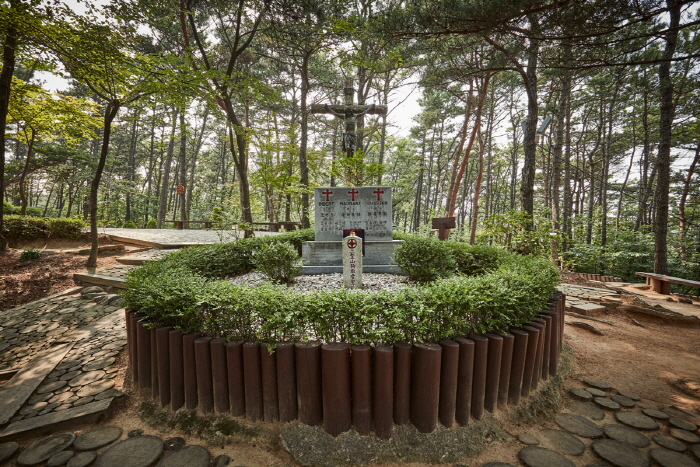
– Tel
+82-2-875-2271
During the Gihae Persecution of 1839, three French Catholic priests were sentenced to death for spreading Catholicism in Korea. Saint Laurent Joseph Marius Imbert (Bishop), Saint Pierre Philibert Maubant (Priest), and Saint Jacques Honore Chastan (Priest) were beheaded on September 21, 1839 at Saenamteo, currently known as the Saenamteo Catholic Holy Place of the Martyrs, and their bodies were buried at Samseongsan Mountain and later transferred to the grotto of Myeondong Cathedral.

![Minimeom [Tax Refund Shop] (미니멈)](https://ktrip.blogsailing.com/wp-content/uploads/2026/02/3312832_image2_1.jpg)
One Comment