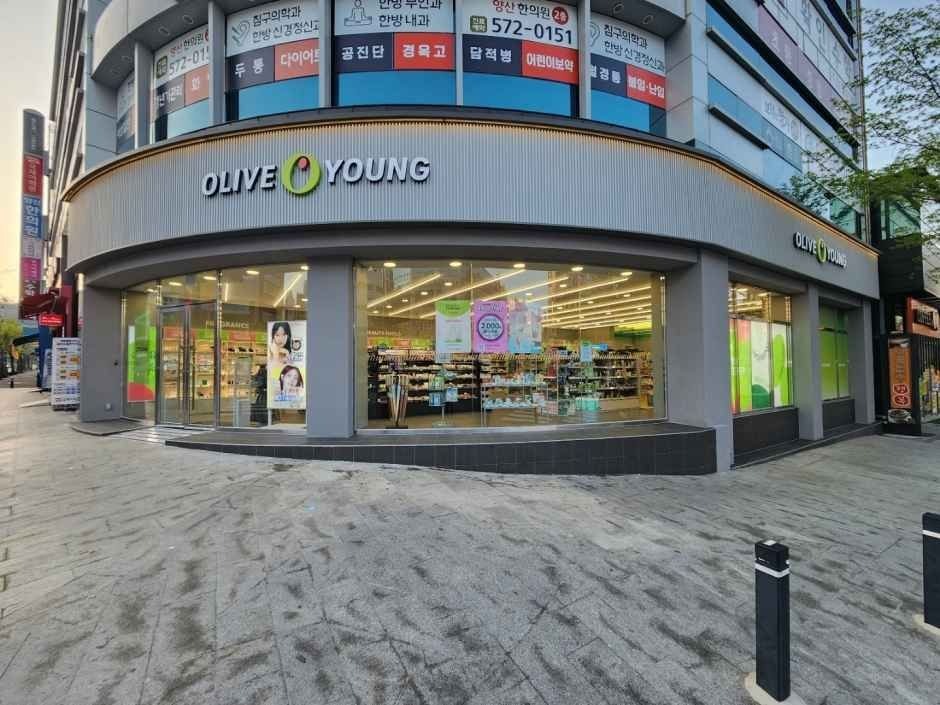
Olive Young Gwangju Yangsan Branch [Tax Refund Shop](올리브영 광주양산점)
Olive Young Gwangju Yangsan Branch [Tax Refund Shop](올리브영 광주양산점)
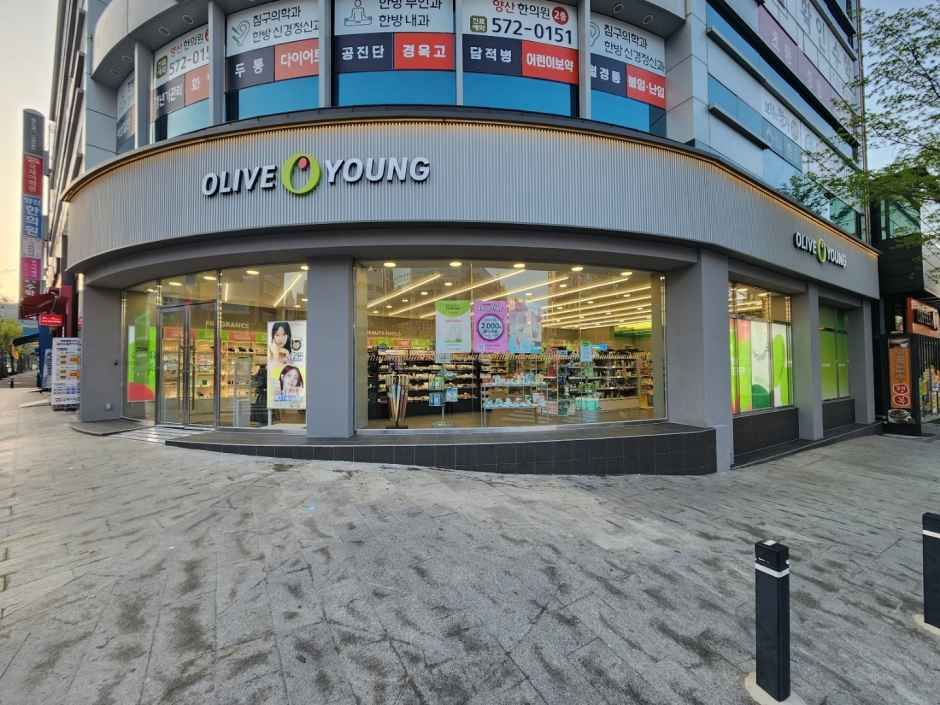 – Homepage
www.oliveyoung.co.kr
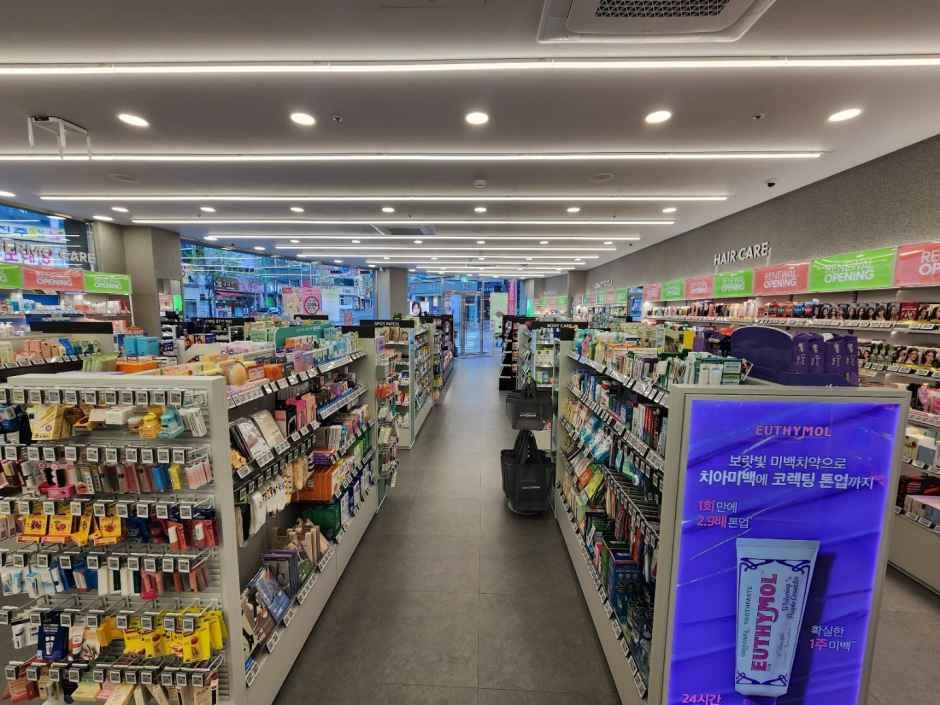
Olive Young is a popular health and beauty store showcasing the latest K-beauty trends. It offers a wide selection of skincare, makeup, and health products at affordable prices, making it a favorite among international visitors.
– Address : 54, Yangsan-ro, Buk-gu, Jeonnam-Gwangju Special Metropolitan City
※ Presentation Information
– Fair Day
Monday – Sunday
– Information and Guides
062-573-5290
– Opening Hours
10:00~22:30
– Parking
Not available
– Restroom
Available
– Items for Sale
Perfume / cosmetics, Miscellaneous goods, Ginseng / herbal medicines / health supplements, Food products
◎ Nearby Tourism Infobox
⊙ Gwangju Family Land (광주 패밀리랜드)
View detailed guide on Korea Trip Guide →
– Homepage
광주패밀리랜드.com (Korean only)
Gwangju Family Land is an amusement park equipped with dozens of exciting rides as well as recreational facilities such as a swimming pool, an ice rink, and a sledge park. Spanning 290 acres of land, it is the largest urban amusement park in all of Jeollabuk-do and Jeollanam-do Provinces. The amusement park also offers entertainment courses designed for couples, families and children.
⊙ Namdo Folk Food Exhibition Room & Honam Cultural Material Pavilion (남도향토음식박물관·호남문화자료전시관)
View detailed guide on Korea Trip Guide →
– Homepage
bukgu.gwangju.kr
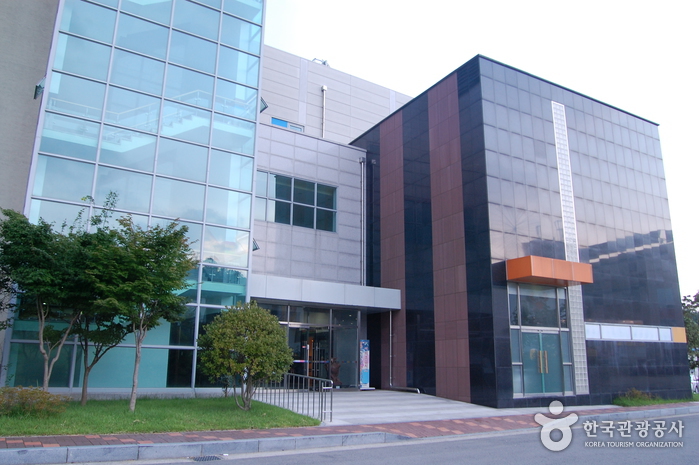
Located in Gwangju, the Namdo Folk Food Exhibition Room was established to preserve and promote the local foods of the Namdo region. The museum has a museum shop, both permanent exhibitions and special planned exhibitions, and a studio where visitors can watch a variety of video content related to the local foods. In the Honam Cultural Material Pavilion, literature, clothing, and artwork from the region are on display.
The museum building was designed to resemble both the long, rectangular presses used to make patterned rice cakes and the Ipseokdae Rock of Mudeungsan Mountain, a symbol of Gwangju. Even the colors of the building’s walls hold special significance. The obangsaek (five colors; blue, white, red, black, and yellow) symbolize the cardinal directions, the seasons, the major organs in the body, different tastes, feelings, and philosophy.