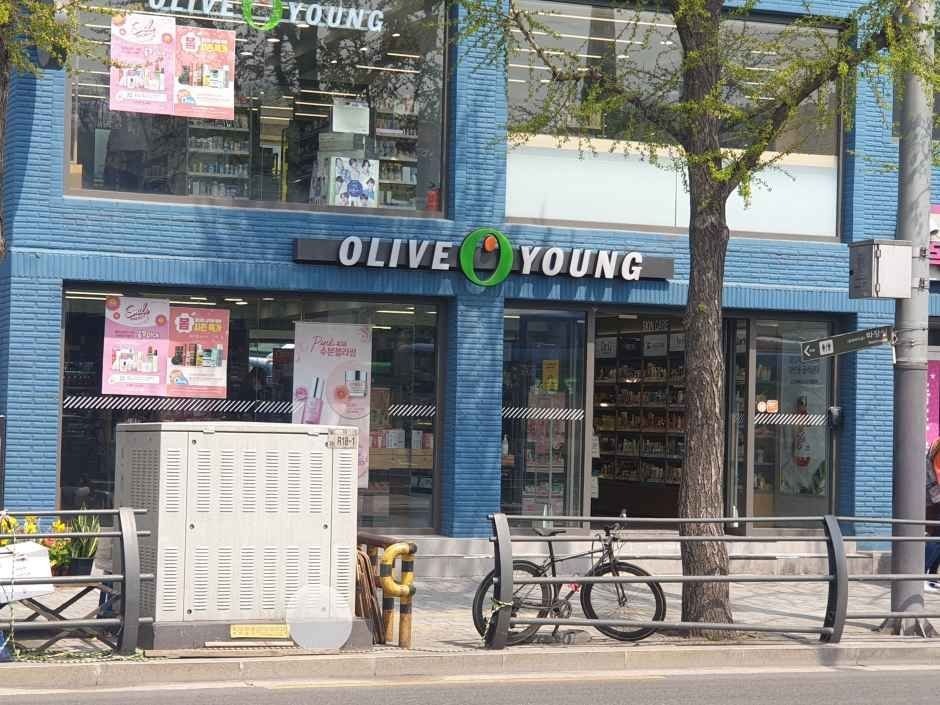
Olive Young – Hongje Station Branch [Tax Refund Shop](올리브영 홍제역점)
Olive Young – Hongje Station Branch [Tax Refund Shop](올리브영 홍제역점)
 – Homepage
www.oliveyoung.co.kr
Olive Young is a popular health and beauty store showcasing the latest K-beauty trends. It offers a wide selection of skincare, makeup, and health products at affordable prices, making it a favorite among international visitors.
– Address : 446, Tongil-ro, Seodaemun-gu, Seoul
※ Presentation Information
– Fair Day
Monday – Sunday
– Information and Guides
02-379-9656
– Opening Hours
10:00~22:30
– Parking
Not available
– Restroom
Not available
– Items for Sale
Perfume / cosmetics, Miscellaneous goods, Ginseng / herbal medicines / health supplements, Food products
– Shop Guide
Refund method (Time-frame) : Claim for refund
◎ Nearby Tourism Infobox
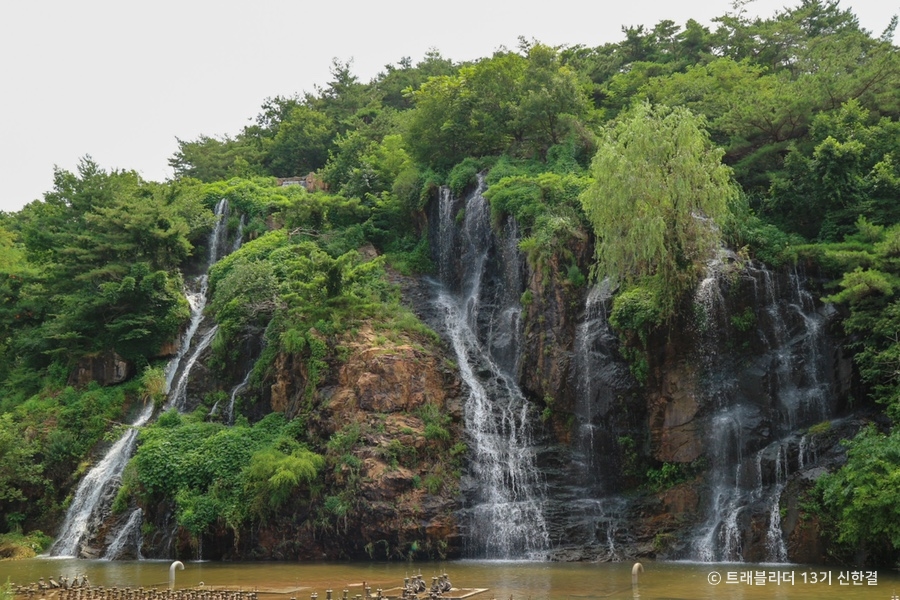
⊙ Hongjecheon Artificial Waterfall (홍제폭포)
View detailed guide on Korea Trip Guide →
– Homepage
visitseoul.net
Hongjecheon Artificial Waterfall is located along Hongjecheon Stream in Seodaemun-gu, Seoul. The waterfall was built in 2011 and is 25 meters tall and 60 meters wide. Despite being a man-made waterfall, the design and construction were so well-done that many find it hard to believe it wasn’t a naturally formed waterfall. The area around the waterfall features various places for citizens and visitors to relax, while there are many cafes and cultural spaces in the area to make a visit more enjoyable.
⊙ Seodaemun Culture & Sports Center Swimming Pool (서대문 문화체육회관 실내수영장)
View detailed guide on Korea Trip Guide →
– Homepage
cs.sscmc.or.kr
Seodaemun Culture & Sports Center Swimming Pool, covering 973 square meters, features a total of seven lanes with both adult and children’s pools. The facility provides regular swimming lessons, survival swimming lessons, aqua aerobics, and more. The water quality is maintained using a natural salt electrolysis system. For free swimming, visitors can purchase tickets from the kiosk on the second floor, receive wristbands from the information desk, and enjoy the facility at an affordable cost.
⊙ Seodaemun Museum of Natural History (서대문자연사박물관)
View detailed guide on Korea Trip Guide →
– Homepage
namu.sdm.go.kr
Nestled at the foothills of Ansan Mountain, a natural resting area in the city, Seodaemun Museum of Natural History is the first natural history museum in the nation to be established by a government agency. Opened on July 10, 2003, the museum offers various opportunities to experience and learn about the environment. It also provides the chance to interact with animals and plants, teaching the value of life.
⊙ National Memorial of Korean Provisional Government (국립대한민국임시정부기념관)
View detailed guide on Korea Trip Guide →
– Homepage
www.nmkpg.go.kr
The National Memorial of Korean Provisional Government was established to shine a light on the proud history of the Korean Provisional Government’s independence and the spirit of a democratic republic and to pass it on to future generations. The four-story memorial building with three underground floors houses three permanent exhibits, one special exhibit, Larchiveum, Symbol Plaza, storage, multi-purpose hall, and rooftop garden over a total area of 3,656 square meters, a total floor area of 9,703 square meters and a total exhibition space of 2,240 square meters. The permanent exhibits consist of a series of historic events from the March 1st Movement, which served as a turning point for the formation of the Provisional Government, to the foundation of the Korean Government that succeeded the mantle of the provisional government, while the special exhibit on the 1st floor currently hosts a special opening exhibition under the title of 『The Return of the Provisional Government of the Republic of Korea』. Moreover, a symbolic wall installation under the theme of “Waves of History” is displayed in the outdoor plaza on the 1st floor of the memorial expressing the Provisional Government’s desire for independence and the dynamics of the past, present, and future of Korea.
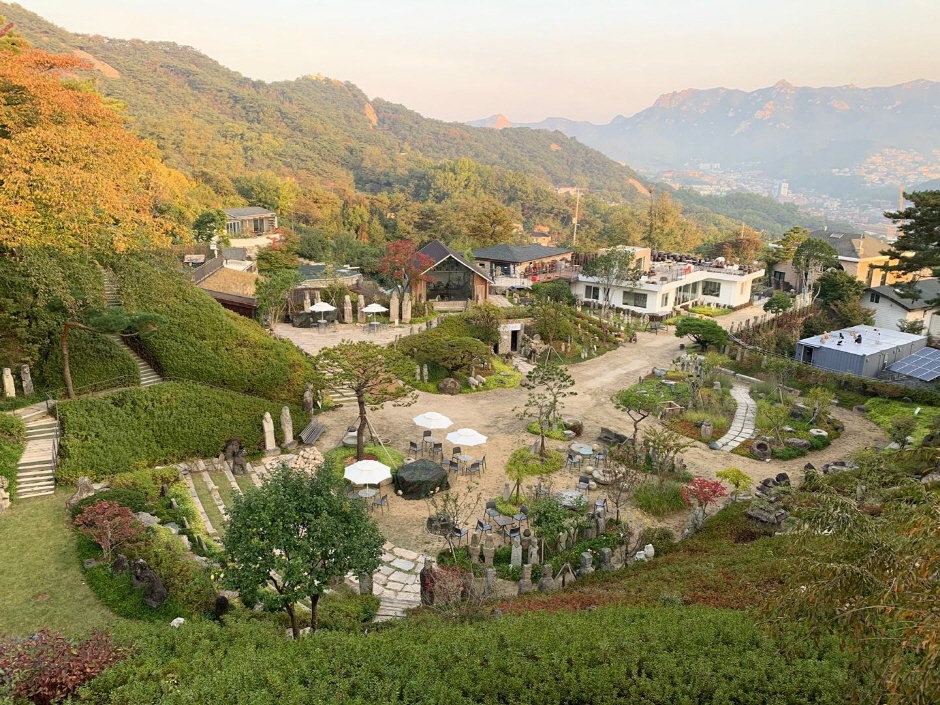
⊙ Mok In Museum Mok Seok Won (목인박물관 목석원)
View detailed guide on Korea Trip Guide →
– Homepage
www.mokinmuseum.com
Mok In Museum Mok Seok Won relocated in 2019 from Insa-dong to Buam-dong. Six exhibition halls offer visitors a look at wooden figures from around the world. Mokin refers to traditional wooden sculptures carved in shapes of human figures or various animals. The museum holds around 12,000 wooden folk sculptures including those used to decorate funeral carriages and temples mostly from the Joseon dynasty up to modern times. The museum also has an outdoor exhibition hall that harmonizes the sculptures with nature.
⊙ Seodaemun Independence Park (서대문독립공원)
View detailed guide on Korea Trip Guide →
Seodaemun Independence Park was built on the former Seoul Detention Camp. It was used to imprison thousands of Korean independence activists until the liberation from the Japanese occupation on August 15, 1945, as well as the political prisoners during the political turmoil in the 1960s. When the prison was moved to Uiwang-si, Gyeonggi-do in November 1987, the area was restored and turned into a memorial park in August 15, 1992 to honor the sacrifices of the martyrs. The park preserves seven prison buildings, an execution ground, underground women’s prison, and the March 1st Movement Monument that has been moved from Tapgol Park in Jongno.
One of the most significant monuments of the Seodaemun Independence Park is Dongnimmun Gate (Independence Gate), which has been designated a Historic Site. Nearby is Dongnipgwan (Independence Hall), originally called Mohwagwan, which was used to greet Chinese envoys during the Joseon dynasty. Today, the hall enshrines 2,327 tablets inscribed with the names of Koreans who died for the cause of national independence. Standing right next to Dongnimmun Gate are the remnants of Yeongeunmun Gate, another Historic Site. Other sights inside the park include the Patriotic Martyr Monument, Declaration of Independence Monument, and Statue of Dr. Seo Jae-pil, who was an independence activist and publisher of Korea’s first independent newspaper. The main highlight of the park is the Seodaemun Prison History Hall, a former prison building that was renovated into a history museum.
⊙ Seokparang (석파랑)
View detailed guide on Korea Trip Guide →
– Homepage
https://www.instagram.com/seokparang
Seokparang is a place built by relocating the Sarangchae of Heungseon Daewongun, the father of King Gojong of the Joseon dynasty. It boasts beautiful late Joseon-style gardens and three traditional hanok buildings. Here, one can enjoy authentic Gungjung hanjeongsik (royal Korean table d’hote) for both lunch and dinner, featuring meticulously prepared dishes such as traditional porridge, chilled salads, steamed prawns, kimchi cabbage wraps with pork, soybean paste jjigae set menu, and desserts. Diners can also savor traditional liquors crafted by artisans from across the country.
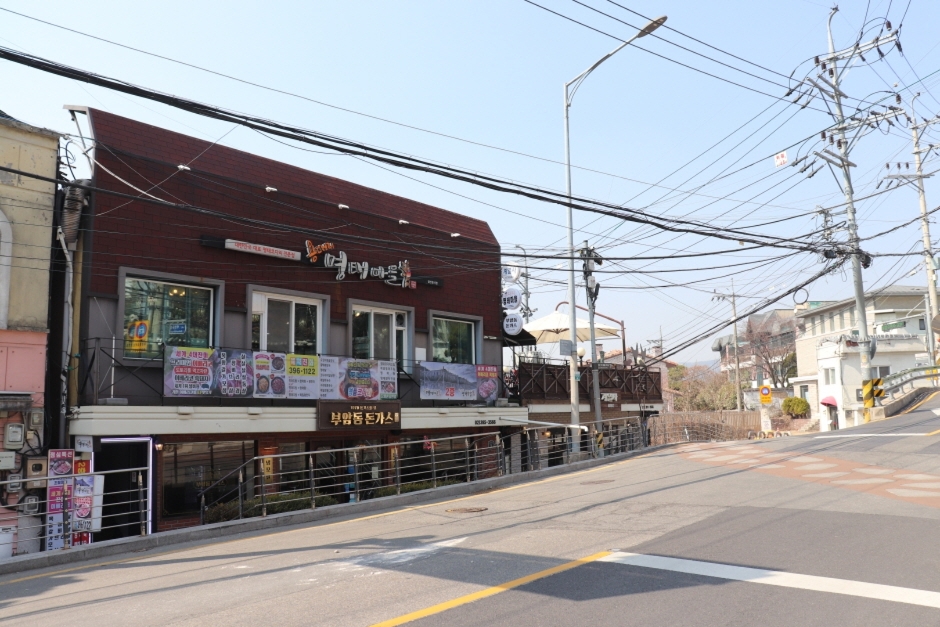
⊙ Buam-dong (부암동)
View detailed guide on Korea Trip Guide →
– Homepage
tour.jongno.go.kr
Buam-dong is a village located north of Gyeongbokgung Palace. It is designated as a development-restricted zone due to its proximity to the Cheong Wa Dae, preserving the old neighborhood’s appearance. There are numerous bakeries, cafés, restaurants, and small galleries housed in renovated traditional houses, making it a delightful place for a leisurely stroll. The nearby hiking trails connected to Bugaksan Mountain offer a tranquil journey through the forest, ideal for those seeking a peaceful retreat.
⊙ Suseongdonggyegok Valley (수성동계곡)
View detailed guide on Korea Trip Guide →
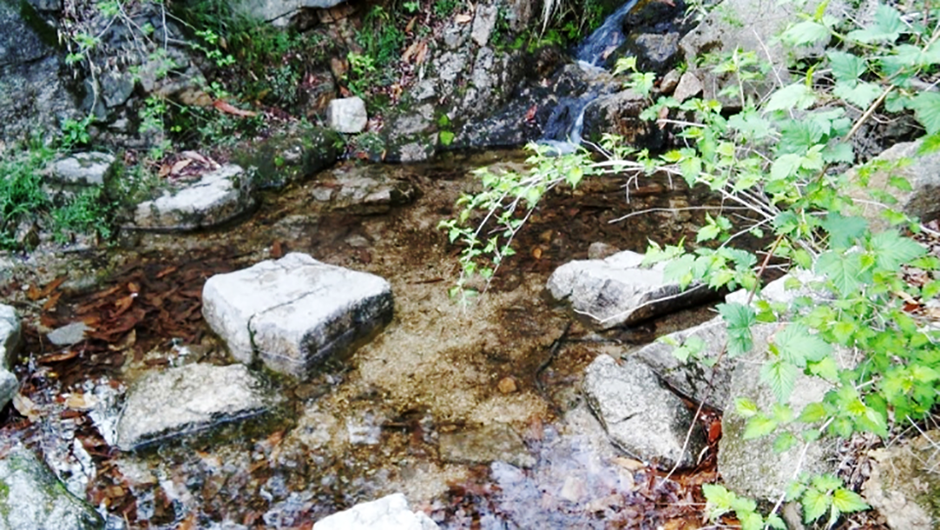
Suseong-dong Valley’s stream runs down from Inwangsan Mountain and joins Cheonggyecheon Stream, and it is said that the name of the village was called Suseong-dong during the Joseon dynasty due to the loud and clear sound of the flowing water. It appears in the painting “Jangdong Palgyeongcheop,” which is Jangdong Eight Scenic Views, that depicts the eight scenic views of Bugaksan Mountain and Inwangsan Mountain as well as in other historical books of the Joseon dynasty as a place of scenic beauty. The valley was so famous for its beauty, that Prince Anpyeong of the Joseon dynasty built his house “Bihaedang” to fully enjoy the view, and the valley and its stone bridge were designated as a cultural property of Seoul in 2010.
⊙ Bongwonsa Temple (봉원사)
View detailed guide on Korea Trip Guide →
– Homepage
bongwonsa.or.kr
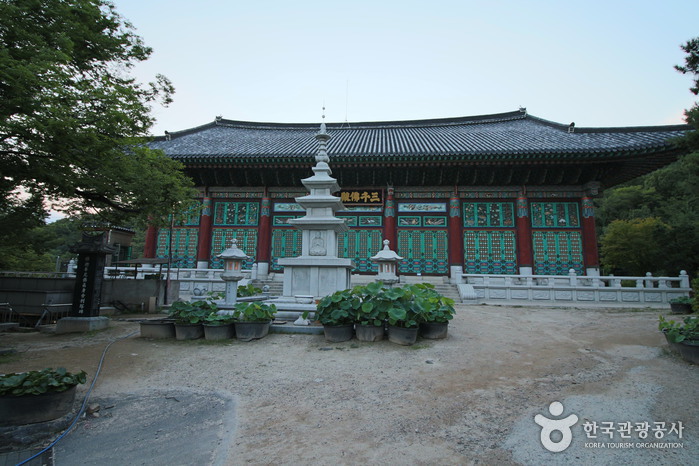
Located on the outskirts of Ansan Mountain in Bongwon-dong, Seodaemun-gu, Seoul, Bongwonsa Temple, as the center of Korean Buddhism Taego, is a thousand-year-old temple with a long history and tradition. In 889 (3rd year of Shilla Queen Jinseong’s reign), Monk Doseon founded it at the ground of Yeonhui Palace (now Yonsei Univ.) and named it Banyasa temple. It was destroyed during the Imjin War in 1592, and later in 1748 (the 24th year of Joseon King Yeongjo’s reign), it was rebuilt and renamed “Bongwonsa” by two Buddhist monks, Chanjeup and Jeungam.
“Yeongsanjae,” one of the Buddhist rituals and also a National Intangible Cultural Property, takes place at Bongwonsa on June 6 every year wishing for world peace and the reunification of North and South Korea. It was designated as one of the Intangible Cultural Heritage of Humanity by UNESCO in 2009. During Yeongsanjae, visitors can enjoy the Buddhist arts such as Beompae (Buddhist temple music for rituals) and dancing. Also, during summertime, Seoul Lotus Flower Culture Festival takes place, where visitors can enjoy the beautiful lotus flowers which are a symbol of Buddhism.
](https://ktrip.blogsailing.com/wp-content/uploads/2026/04/4042106_image2_1.jpg)
](https://ktrip.blogsailing.com/wp-content/uploads/2026/03/4045670_image2_1.jpg)
![Aveda-Shinsegae Department Store Times Square Branch [Tax Refund Shop] (아베다 신세계백화점 타임스퀘어점)](https://ktrip.blogsailing.com/wp-content/uploads/2026/03/4018112_image2_1.jpg)
](https://ktrip.blogsailing.com/wp-content/uploads/2026/05/4028497_image2_1.jpg)
](https://ktrip.blogsailing.com/wp-content/uploads/2026/05/4024181_image2_1.jpg)
One Comment