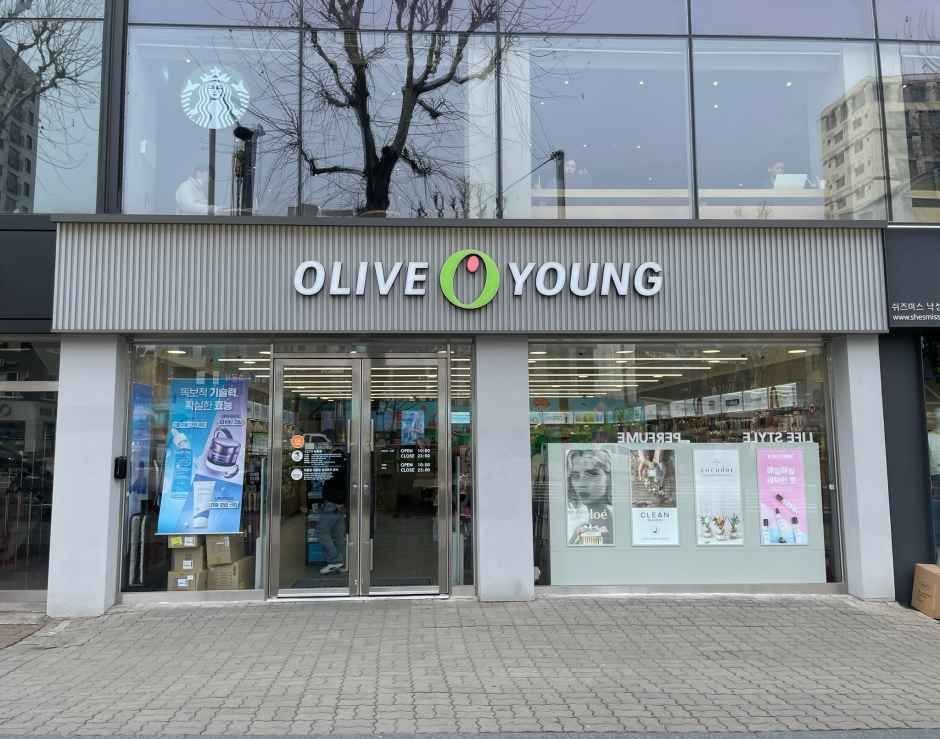
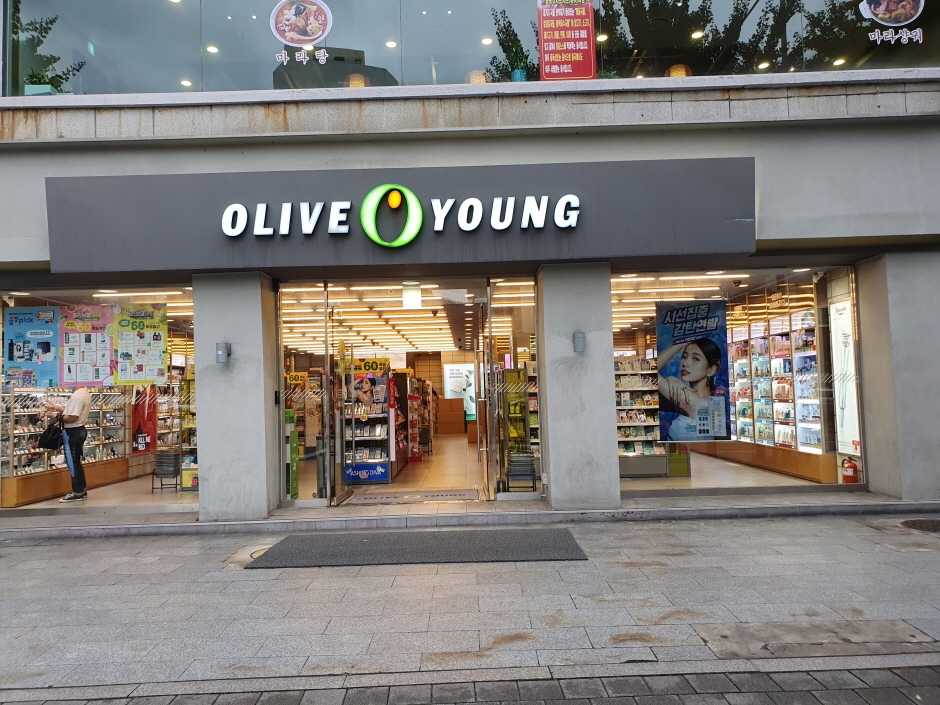
Olive Young Nakseongdae Branch [Tax Refund Shop](올리브영 낙성대점)
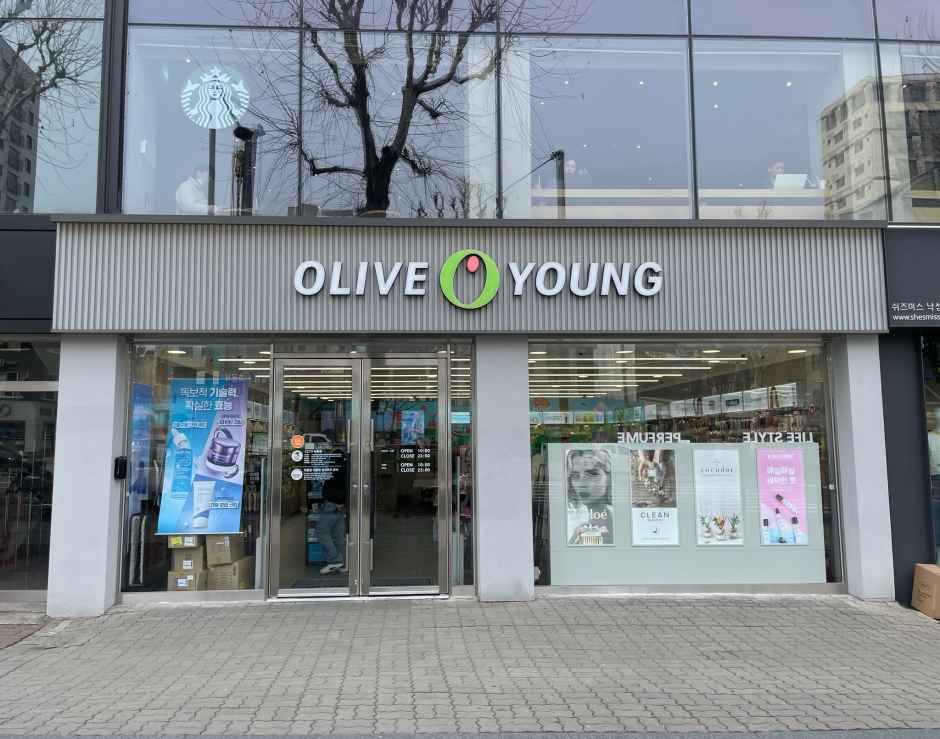
Olive Young Nakseongdae Branch [Tax Refund Shop](올리브영 낙성대점)
 – Homepage
www.oliveyoung.co.kr
Olive Young is a popular health and beauty store showcasing the latest K-beauty trends. It offers a wide selection of skincare, makeup, and health products at affordable prices, making it a favorite among international visitors.
– Address : Daewon Building, 1908, Nambusunhwan-ro, Gwanak-gu, Seoul
※ Presentation Information
– Fair Day
Monday – Sunday
– Information and Guides
02-879-2834
– Opening Hours
10:00~23:00
– Parking
Not available
– Restroom
Not available
– Items for Sale
Perfume / cosmetics, Miscellaneous goods, Ginseng / herbal medicines / health supplements, Food products
◎ Nearby Tourism Infobox
⊙ Gwanak Kang Gam-chan Festival (관악강감찬축제)
View detailed guide on Korea Trip Guide →
– Homepage
www.ggcfest.com
– Tel
+82-2-828-5765
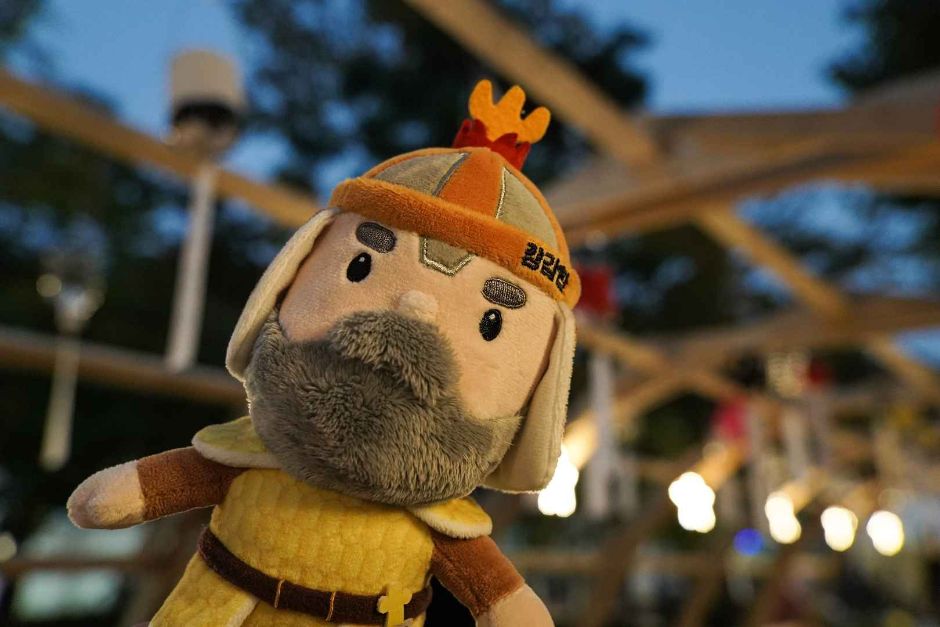
The Gwanak Gang Gam-chan Festival is a historical and cultural event held to honor the patriotic spirit of General Gang Gam-chan, a famous general from the Goryeo Dynasty. The festival is known for its impressive night events, fitting for the location named after a falling star, and features a variety of parades and performances.
◎ Gang Gam-chan and Nakseongdae
General Gang Gam-chan of Goryeo is said to have been born at the place where the fourth star of the Big Dipper fell. This place is called Nakseongdae, which means “the place where the star fell.”
⊙ Gwanaksan Mountain Nakseongdae Park (관악산 낙성대공원)
View detailed guide on Korea Trip Guide →
– Homepage
www.gwanak.go.kr (Korean, English, Japanese, Chinese)
– Tel
+82-2-879-6525
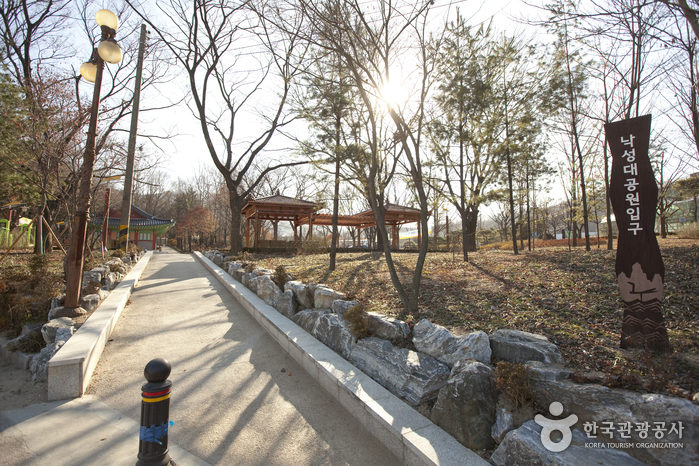
Nakseongdae Park was built as a tribute to General Kang Gam-chan (948-1031) of the Goryeo dynasty. In 1973, the city of Seoul reorganized the birthplace of General Kang, resulting in changes to the park. Located inside the park are Anguksa Shrine, the general’s birthplace, and a three-story stone pagoda, which was made during the Goryeo dynasty. The 4.48-meter-high pagoda is made of granite, and is called “Kang Gam-chan Tap (pagoda)” or “Kang Gam-chan Nakseongdae Tap”.
*Anguksa Shrine
Anguksa is a shrine built in 1974 emulating the wooden architecture style of the Goryeo era. The shrine has high ceilings and houses the portrait of General Kang Gam-chan. The shrine is located on the road leading to the back gate of Seoul National University and has become a popular place in the area.
*Nakseongdae Yuji
Nakseongdae Yuji is the birthplace of General Kang Gam-chan and the original location of the three-story pagoda. During the maintenance of Nakseongdae area in 1973, the pagoda was moved into the vicinity of Anguksa Shrine, and a two-meter tall monument was erected in its original location to mark the historical significance of the site.
⊙ ABC-Mart – Seoul National University Station Branch [Tax Refund Shop] (ABC마트 서울대점)
View detailed guide on Korea Trip Guide →
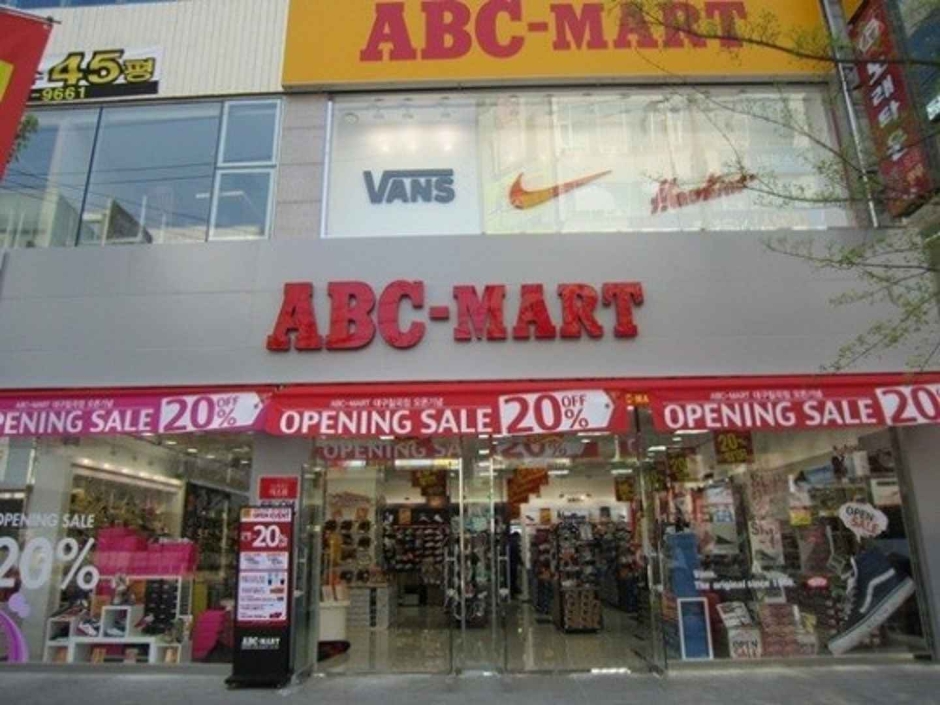
–
⊙ Olive Young – Gwanak Town [Tax Refund Shop] (올리브영 관악 타운)
View detailed guide on Korea Trip Guide →
–
⊙ CheongKwanJang – Seoul Nat’l Univ. Branch [Tax Refund Shop] (정관장 서울대)
View detailed guide on Korea Trip Guide →
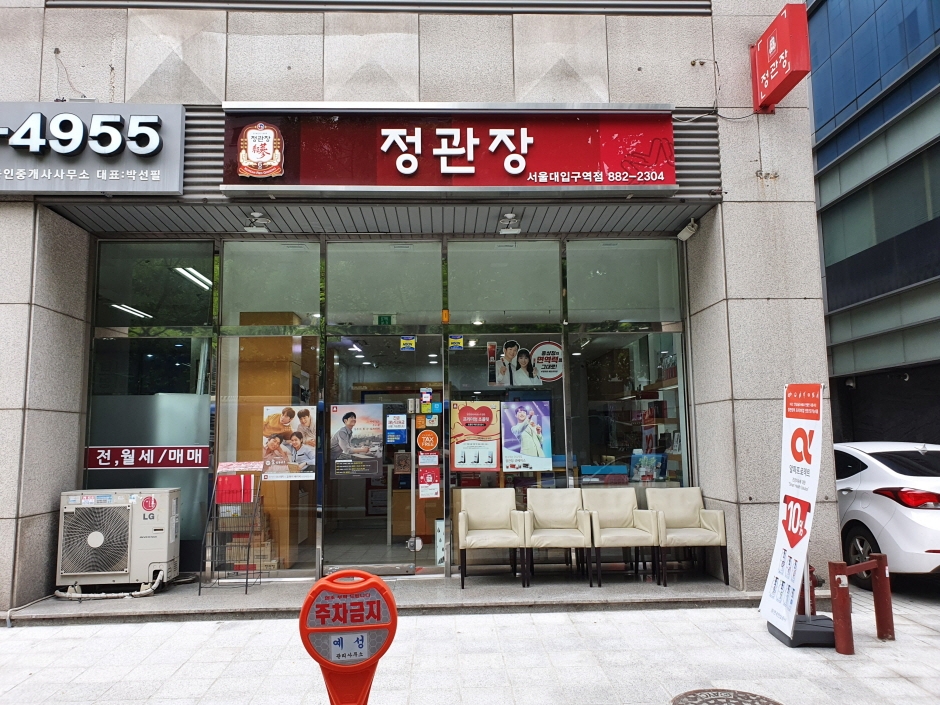
–
⊙ THE WELL SAEM HOSPITAL OF KOREAN MEDICINE (더웰샘한방병원)
View detailed guide on Korea Trip Guide →
Integrative medicine, which links the strengths of Korea’s traditional medicine and Western medicine, is cutting-edge convergent medicine that provides optimal services for patients in most fields, except surgery and emergency medicine.
Traditional Korean treatments and modern medical treatments can deliver superior results compared to stand-alone therapies when applied in a patient-centered, multidisciplinary, and integrative manner. This is especially important for patients with intractable diseases such as cancer, severe chronic pain caused by aging and degenerative changes, and systemic symptoms resulting from recurrent inflammation and metabolic disorders. In such cases, integrative medicine represents a new paradigm that seeks not only physical health but also holistic recovery.
THE WELL SAEM HOSPITAL OF KOREAN MEDICINE pursues this integrative medicine, supporting patients’ faster recovery while also promoting the excellence of the Korean healthcare system worldwide, thereby aiming to create a pain-free, healthy world for all.
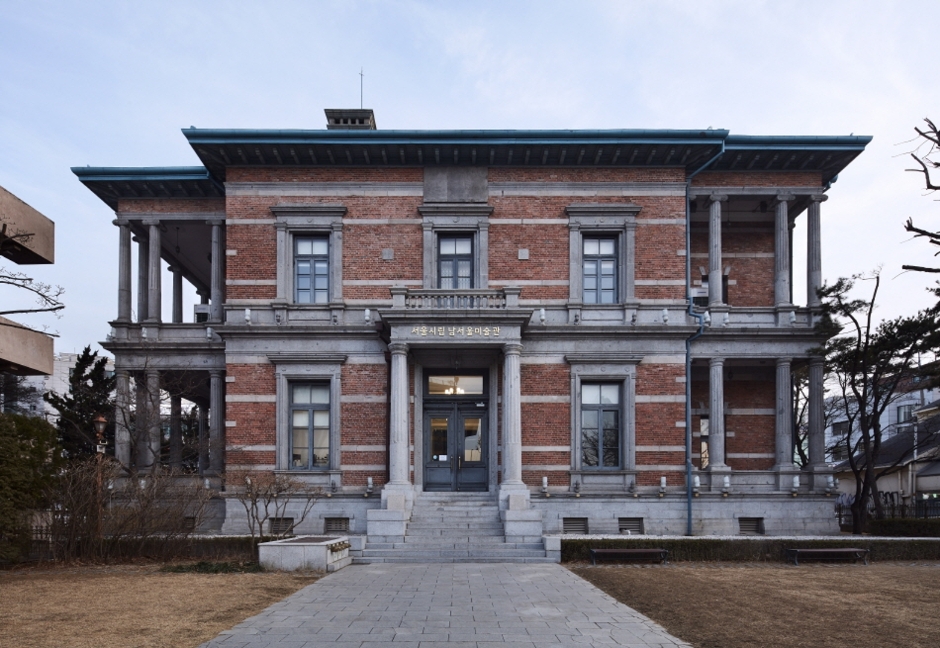
⊙ Nam-Seoul Museum of Art (SeMA) (서울시립미술관 남서울생활미술관)
View detailed guide on Korea Trip Guide →
– Homepage
sema.seoul.go.kr
– Tel
+82-2-598-6246
The Nam-Seoul Museum of Art offers visitors a meaningful opportunity to linger beside the traces of history. The building previously served as the Belgian Consulate during the Korean Empire (1897-1910) and has since been designated as a historic Site. It was first constructed in Hoehyeon-dong in 1905 and was relocated to its current location in Namhyeon-dong in 1983. The museum hosts public programs tailored for audiences from various backgrounds in rooms arranged along both sides of a long corridor in the two-story building.
⊙ Seoul National University (서울대학교)
View detailed guide on Korea Trip Guide →
– Homepage
www.snu.ac.kr
– Tel
+82-2-880-5114
Founded in 1946, Seoul National University is the most reputable university in Korea based on its long academic history and tradition. It was the first national university in Korea established by merging several institutions of higher education around the Seoul area, including Kyongsong University
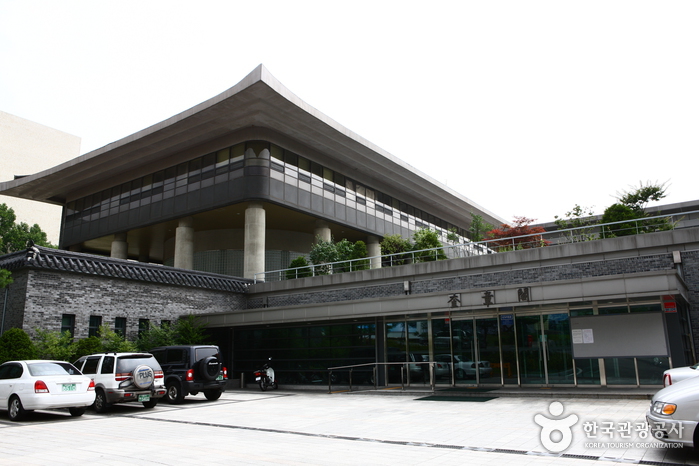
⊙ Gyujanggak Library of Seoul National University (서울대학교 규장각)
View detailed guide on Korea Trip Guide →
– Homepage
kyujanggak.snu.ac.kr
– Tel
+82-2-880-6030
Gyujanggak Library was founded in 1776 during the reign of King Jeongjo, the 22nd ruler of the Joseon dynasty, at which time it was located within the Changdeokgung Palace grounds. It functioned as the royal library, which housed writings of the previous kings, their relics and books from home and abroad.
Today Seoul National University maintains the items of Gyujanggak in a traditional Korean building which is equipped with state-of-the-art facilities necessary for the preservation of cultural heritages. Moreover, Gyujanggak Library of Seoul National University collects and publishes books from a variety of sectors such as politics, economy and society.
Gyujanggak now houses more than 270,000 items including 7 national treasures, 8 treasures, 180,000-plus old books, about 50,000 documents and 18,000 printing blocks. Among them, Joseon Wangjo Sillok (the Annals of the Joseon Dynasty, a National Treasure), Seungjeongwon Ilgi (the Diaries of the Royal Secretariat, a National Treasure) and Uigwe (the Royal Protocols of the Joseon Dynasty) have been designated as UNESCO World Cultural Heritages.
⊙ Olive Young – Sadang Station Branch [Tax Refund Shop] (올리브영 사당역)
View detailed guide on Korea Trip Guide →
– Homepage
www.oliveyoung.co.kr
–
](https://ktrip.blogsailing.com/wp-content/uploads/2026/03/4028860_image2_1-768x616.jpg)
![Olive Young – Hak-dong Station Branch [Tax Refund Shop] (올리브영 학동역점)](https://ktrip.blogsailing.com/wp-content/uploads/2026/04/4028377_image2_1-768x576.jpg)
](https://ktrip.blogsailing.com/wp-content/uploads/2026/03/4029418_image2_1.jpg)
![E-Mart – Mapo Gongdeok Branch [Tax Refund Shop] (이마트 마포공덕)](https://ktrip.blogsailing.com/wp-content/uploads/2026/02/2888621_image2_1-768x366.jpg)