Petroglyphs of Bangudae Terrace in Daegok-ri [UNESCO World Heritage] (울주 대곡리 반구대 암각화 [유네스코 세계유산])
Petroglyphs of Bangudae Terrace in Daegok-ri [UNESCO World Heritage] (울주 대곡리 반구대 암각화 [유네스코 세계유산])
 – Homepage
tour.ulju.ulsan.kr
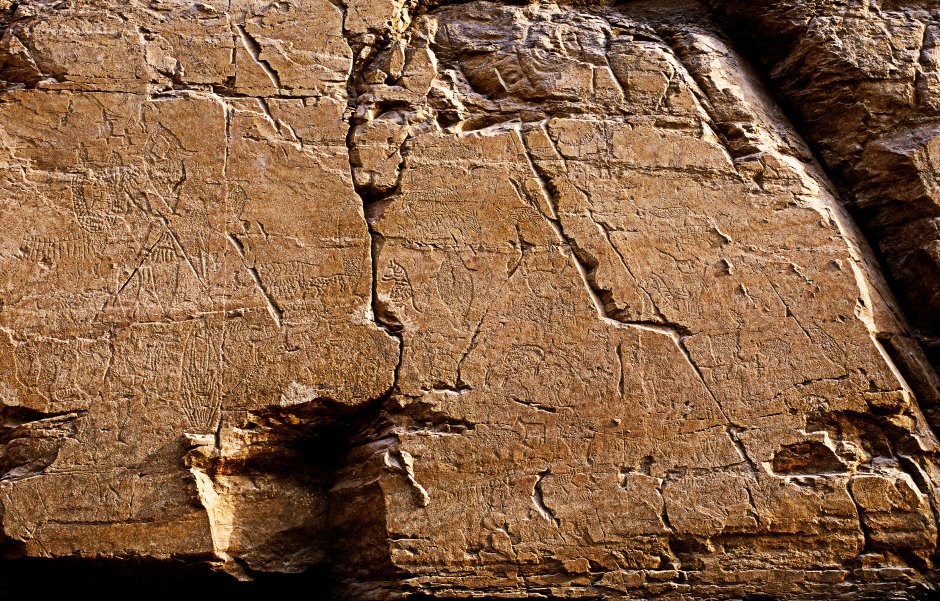
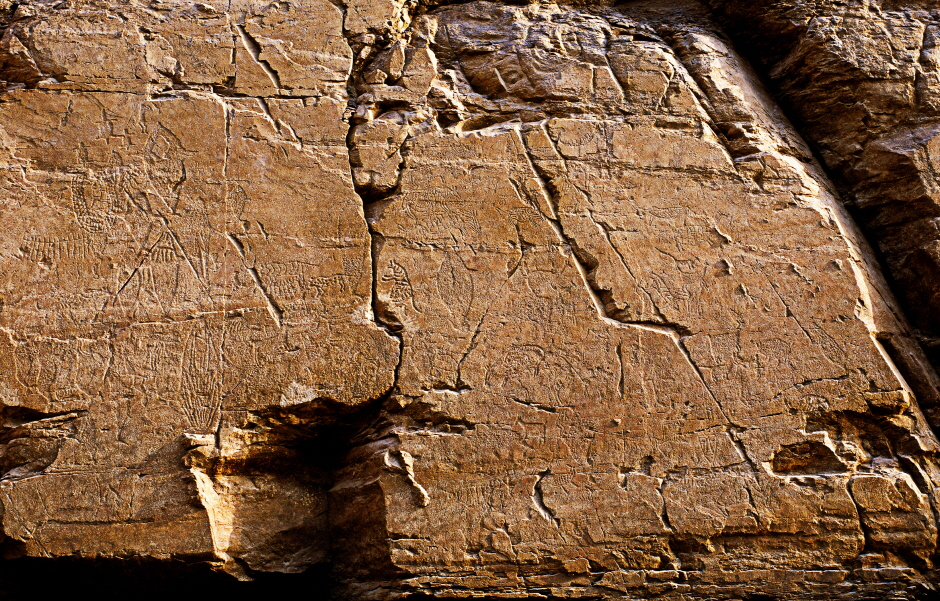
In Daegok-ri, Eonyang-eup sits Bangudae Terrace, a picturesque spot where a ridge of Yeongosan Mountain extends to and stands tall to form quite a spectacle featuring uniquely shaped rocks and cliffs. The name, Bangudae, comes from how it resembles a turtle lying prone on the ground. Petroglyphs are paintings drawn by people from the prehistoric times carved on rocks and depicting various scenes and events in their daily lives. Petroglyphs were often drawn on enormous rocks and other sacred locations of groups, and it is believed that people gathered around them to hold various rituals.
Petroglyphs of Bangudae Terrace in Daegok-ri, Ulju-gun are estimated to have been drawn over several periods since the New Stone Age, and visitors can observe the differences in styles among various ages. Primary objects that were popularly carved include sea animals, land animals, humans and tools and, as our prehistoric ancestors actively engaged in hunting, the hope of abundance in game is believed to be the reason why these objects were frequently carved on rocks. Vividly expressing animals and hunting scenes and colorfully depicting outstanding traits of objects, these petroglyphs are a form of both hunting art and religious art, and they are considered as the greatest masterpieces that give a peek at the life and customs of the prehistoric ages. The petroglyphs on the Bangudae Terrace and the petroglyphs in Cheonjeon-ri, spanning three kilometers altogether along the Bangucheon Stream, have been inscribed on the UNESCO World Heritage List on July 12, 2025.
– Address : Daegok-ri, Eongyang-eup, Ulju-gun, Ulsan
※ Presentation Information
– Age Range
Open to visitors of all ages
– Information and Guides
+82-52-204-0322
– Day Off
N/A (Open all year round)
– Operating Hours
Open 24 hr
– Restrooms
Available
◎ Nearby Tourism Infobox
⊙ Ulsan Petroglyph Museum (울산암각화박물관)
– Homepage
www.ulsan.go.kr
– Tel
+82-52-229-4797
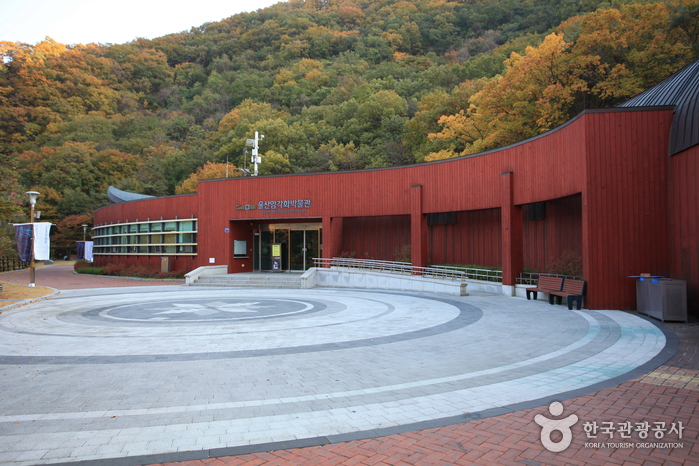
Ulsan Petroglyph Museum was established on May 30, 2008 at the entrance to Petroglyphs of Bangudae Terrace (National Treasure No. 285) in Ulju-gun. The museum displays 311 exhibit materials and has an exhibition hall, a storage room, a research lab, and an audiovisual room.
The exhibition hall presents models of petroglyphs of Bangudae and petroglyphs of Cheonjeon-ri (National Treasure No. 147), an educational video introducing the petroglyphs, a children’s hall, and family activity facilities. Visitors can observe reproductions of famous petroglyphs at the outdoor exhibit.
⊙ Petroglyphs of Cheonjeon-ri [UNESCO World Heritage] (울주 천전리 명문과 암각화 [유네스코 세계유산])
– Homepage
tour.ulju.ulsan.kr(Korean, English, Japanese, Chinese)
www.cha.go.kr (Korean, English, Japanese, Chinese)
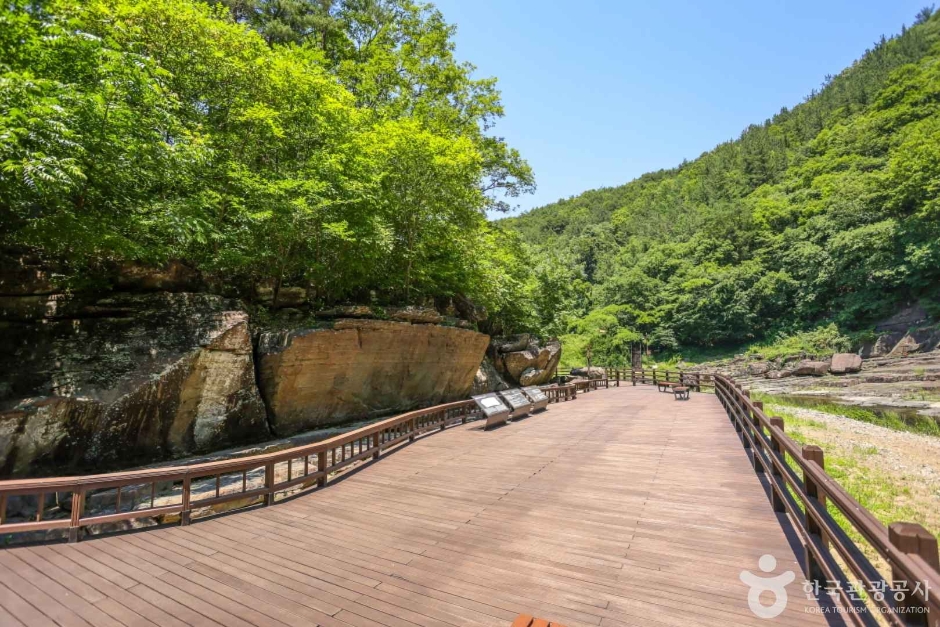
The petroglyphs (figures, pictures, and letters were made on the rocks along the mid-stream area of Naegokcheon Stream, which is a tributary of Taehwagang River. The upper and lower sides of the rocks contain petroglyphs that differ in the content and techniques used. The upper side contains petroglyphs made by means of chiseling. The inscriptions include geometric patterns, animals, and abstract human figures. There are concentric circles, with a round figure looking like the sun at the center, four running deer next to them, and several semi-human animals. The figures with simplistic expression and symbolism appear to have been made during the Bronze Age.
The lower side contains line-drawn picture mixed with Chinese characters. They include a procession of horse riders, animals including dragons, and boats. In particular, the procession of horse riders appears in three different places. The boats provide researchers with important information on the offshore activities carried out by people of the Silla dynasty. The 800-plus written characters are about the King and Queen’s visit to the place. They were presumed to have been inscribed on two occasions during the reign of King Beopheung (r. 514-540) of the Silla dynasty. The content on the official positions and the government system makes it a precious material for those studying Silla during or around the 6th Century. The petroglyphs were made by many people over an extended period of time, providing vivid information on the life and thoughts of people from prehistoric times to the Silla dynasty.
The petroglyphs in Cheonjeon-ri and petroglyphs on the Bangudae Terrace, spanning three kilometers altogether along the Bangucheon Stream, have been inscribed on the UNESCO World Heritage List on July 12, 2025.
(Source: Korea Heritage Service)
⊙ Ulsan Daegok Museum (울산대곡박물관)
– Homepage
www.ulsan.go.kr
– Tel
+82-52-229-4787
Ulsan Daegok Museum displays artifacts that were uncovered from the area of Daegok-ri during the construction of Daegok Dam. Approximately 13,000 relics were excavated during land inspection prior to the dam construction, including Hasamjeong Ancient Tomb. These findings were collected and became available for public display when the museum opened on June 24, 2009.
![E-Mart – Pocheon Branch [Tax Refund Shop] (이마트 포천)](https://ktrip.blogsailing.com/wp-content/uploads/2026/01/2881263_image2_1.jpg)
![Golden Dew – Lotte Ilsan Branch [Tax Refund Shop] (골든듀 롯데일산)](https://ktrip.blogsailing.com/wp-content/uploads/2026/01/2880698_image2_1.jpg)
![Under Armour Korea – Shinsegae Paju Branch [Tax Refund Shop] (언더아머코리아 신세계파주)](https://ktrip.blogsailing.com/wp-content/uploads/2026/01/2880813_image2_1.jpg)
![Ralph Lauren – Lotte Outlets Icheon Branch [Tax Refund Shop] (랄프로렌 롯데이천아울렛점)](https://ktrip.blogsailing.com/wp-content/uploads/2026/01/2887848_image2_1-768x576.jpg)
One Comment