Pohang Deokdong Culture Village (포항 덕동문화마을)
Pohang Deokdong Culture Village (포항 덕동문화마을)
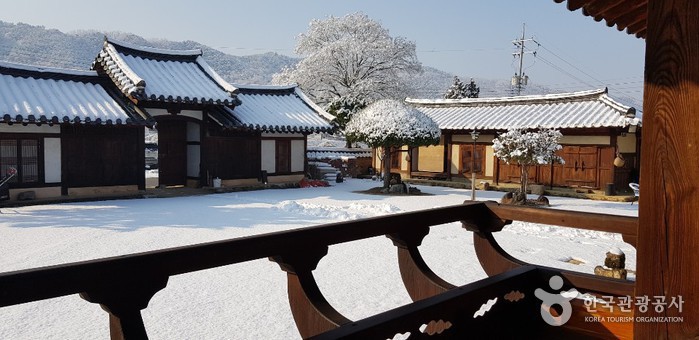
Pohang Deokdong Culture Village is a picturesque traditional village, renowned for its stunning natural beauty and impeccably preserved old houses. This village has its roots in the Imjin War era, when Jeong Munbu, a civil official of the Joseon dynasty, bestowed his wealth upon his grandson-in-law after returning to Jeonju at the war’s conclusion. The village is home to significant cultural properties, including Aeeundang Old House and Saujeong Old House, Yonggyejeong Pavilion, and the Deokgyeseodang Village School. It also houses a Folk Museum, a repository of historical artifacts handed down through generations. The museum’s collection includes items such as traditional banknotes, slave ownership papers, and gat (Korean traditional hats), offering a window into the rich cultural heritage and history of the village and its families.
– Address : 210 Odeok-ri, Gibuk-myeon, Buk-gu, Pohang-si, Gyeongsangbuk-do
※ Presentation Information
– Experience Guide
Not available
– Information and Guides
+82-54-243-5301
– Parking
Available
– Day Off
Mondays, public holidays
– Operating Hours
09:00-18:00
– Available Facilities
Folk museum, café, restrooms
– Admission Fees
Free

◎ Nearby Tourism Infobox
⊙ Pohang Traditional Culture Center (포항전통문화체험관)
– Homepage
http://phsisul.org/home/161
– Tel
+82-54-280-9371~3
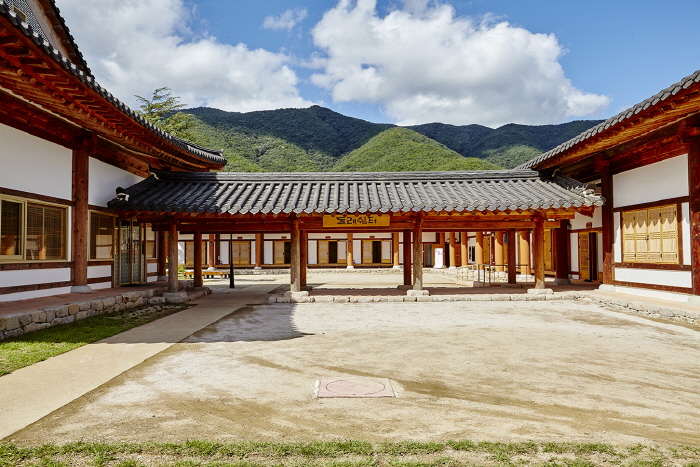
The Pohang Traditional Culture Experience Center is in a quiet village in Deok-dong, 40 minutes from downtown Pohang. It’s a place for learning about traditional local culture while enjoying beautiful natural surroundings. Here you can experience seodang schooling, calligraphy, a tea ceremony, natural dyeing, taekkyeon martial art, Nanta drumming, straw crafts and paper making – not to mention making (and eating!) tofu and rice cakes. The affordable hanok rooms are ondol-heated, with shared toilet and shower room.
⊙ Gabaewon (가배원)

Gabaewon is a café located in Deokdong Village, renowned for its exceptional omija cha (omija tea). This tea is crafted from handmade omija preserves, aged for five years, resulting in a rich and deep flavor. Additionally, the café features hongcha (black tea) made from leaves sourced from Yunnan, China, as well as saenggang cha (ginger tea). It’s an ideal place to savor a cup of tea amidst the cool breeze and fresh air of the forest.