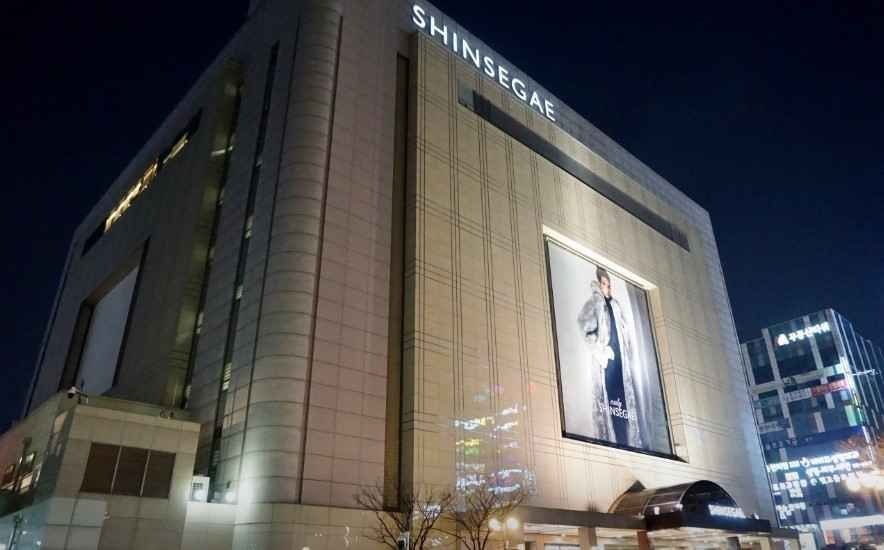
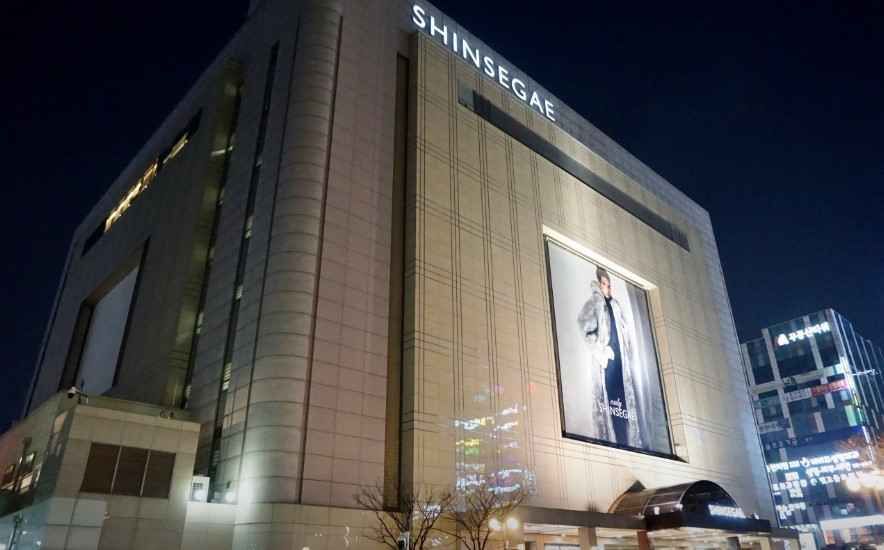
Salvatore Ferragamo Sunglasses Shinsegae Department Store Gwangju Branch[Tax Refund Shop](페라가모선글라스 신세계백화점 광주점)
Salvatore Ferragamo Sunglasses Shinsegae Department Store Gwangju Branch[Tax Refund Shop](페라가모선글라스 신세계백화점 광주점)
 – Homepage
www.ferragamo.com
Ferragamo is an Italian luxury brand with a long tradition of craftsmanship and elegant design. Its collections center on high-end footwear and accessories, balancing heritage with contemporary refinement.
– Address : 3F, 932, Mujin-daero, Seo-gu, Jeonnam-Gwangju Special Metropolitan City
※ Presentation Information
– Fair Day
Monday – Sunday
– Information and Guides
062-360-1886
– Opening Hours
10:30~20:00
– Parking
Available
– Restroom
Available
– Items for Sale
Medicines / medical devices
– Shop Guide
Refund method (Time-frame) : Immediate tax refund / Claim for refund
◎ Nearby Tourism Infobox
⊙ Creation & Love Women’s Hospital (CLWH) (시엘병원)
View detailed guide on Korea Trip Guide →
Based on over 25 years of clinical experience, Ciel Fertility Hospital provides comprehensive medical services including infertility diagnosis, artificial insemination, IVF (in vitro fertilization), and laparoscopy and hysteroscopic surgery. It is a global infertility hospital that operates an international medical center and provides interpretation and concierge services to patients overseas, including in Mongolia, Russia, and the United States, and guarantees safe and reliable medical services and an environment where patients can focus on treatment.
⊙ Gaemagowon (개마고원)
View detailed guide on Korea Trip Guide →
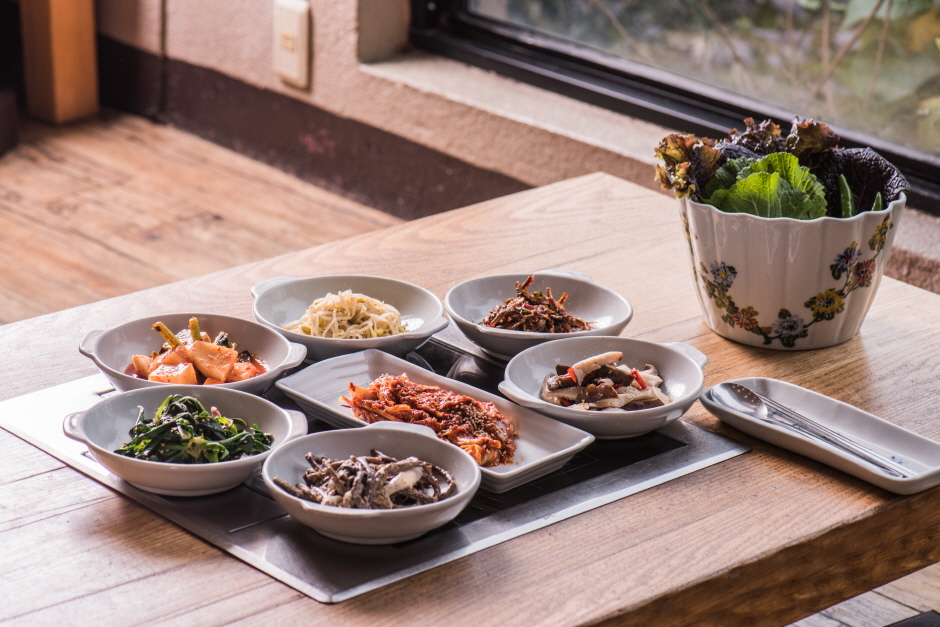
Gaemagowon is a hanu (Korean beef) restaurant that has been serving the Gwangju area for over 20 years. The menu includes a variety of dishes using hanu.
⊙ Gwangju KIA Champions Field (광주-기아 챔피언스 필드)
View detailed guide on Korea Trip Guide →
– Homepage
tigers.co.kr
Gwangju KIA Champions Field is the first open-air stadium in the country and houses INC COFFEE, making it a must-visit attraction for baseball fans. The café offers spacious seating and various bakery items– with the baseball-shaped bread being the most popular. There is also a photo zone, allowing visitors to capture the memories of their trip. With a seating capacity of 20,500, tickets for the seats can be purchased online or on-site.
⊙ H1 Hotel (에이치원호텔)
View detailed guide on Korea Trip Guide →
– Homepage
www.h1hotel.co.kr
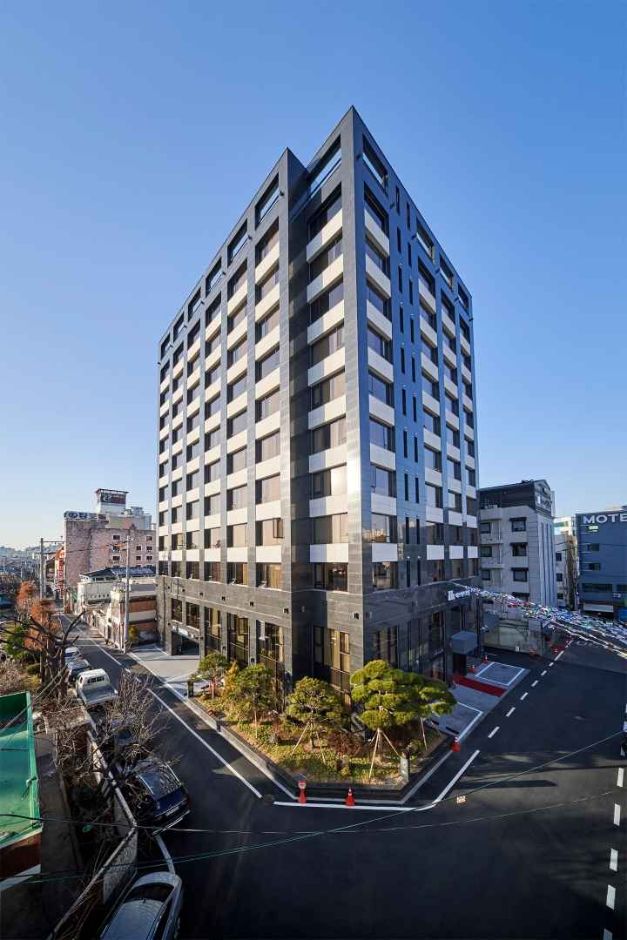
H1 Hotel Gwangju is a business hotel that provides the comfort of a hotel with the cozy feeling of home. Offering a variety of room options to suit the diverse preferences of the guests, the hotel features a unique interior, neat and convenient facilities, affordable prices, and exceptional services. Guests can also enjoy various cultural activities or unwind at the rooftop swimming pool.
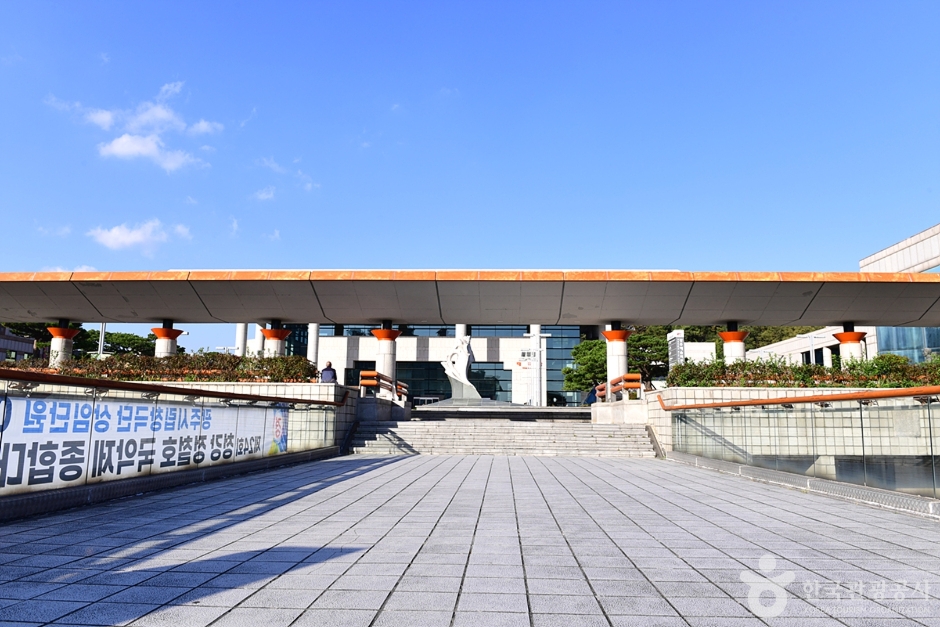
⊙ Gwangju Arts Center (광주예술의전당)
View detailed guide on Korea Trip Guide →
– Homepage
gjart.gwangju.go.kr
Opened in 1991, the Gwangju Arts Center is the cornerstone of culture and arts in Gwangju. It offers high-quality performances and exhibitions across various genres, including Korean traditional music, opera, classical music, and ballet. The center boasts a range of artistic facilities, such as a main theater, a secondary theater, a traditional music hall, a sculpture garden, and an amphitheater. The main theater has a seating capacity for up to 1,500 people.
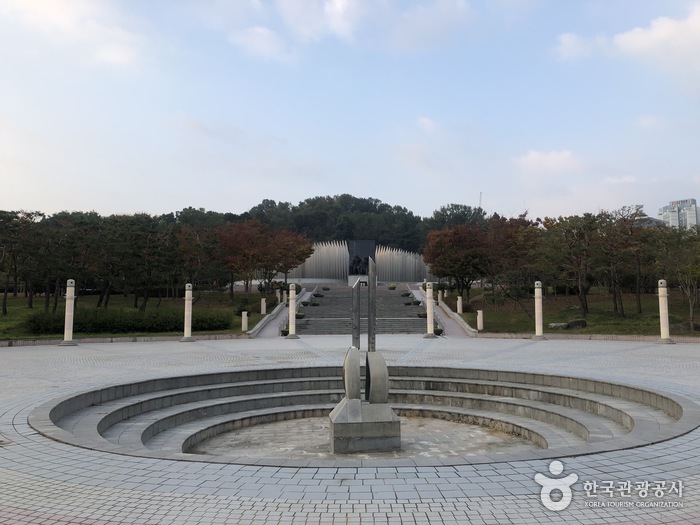
⊙ May 18th National Cemetery (5·18 기념공원)
View detailed guide on Korea Trip Guide →
– Homepage
www.grandculture.net
May 18th National Cemetery is a park established to commemorate the democratization movement that took place in Gwangju in May 18th, 1980. The park features facilities such as the May 18th Memorial Culture Center, Daedong Plaza, Gwangju Student Movement Memorial Tower, memorial spaces, and the Oweol Pavilion. It serves as a meaningful space for reflecting on the history of Korean democracy and honoring the sacrificial spirit of the martyrs who lost their lives during the democratization movement.