Seoul Baekje Museum (한성백제박물관)
Seoul Baekje Museum (한성백제박물관)
– Homepage
baekjemuseum.seoul.go.kr
– Tel
+82-2-2152-5800
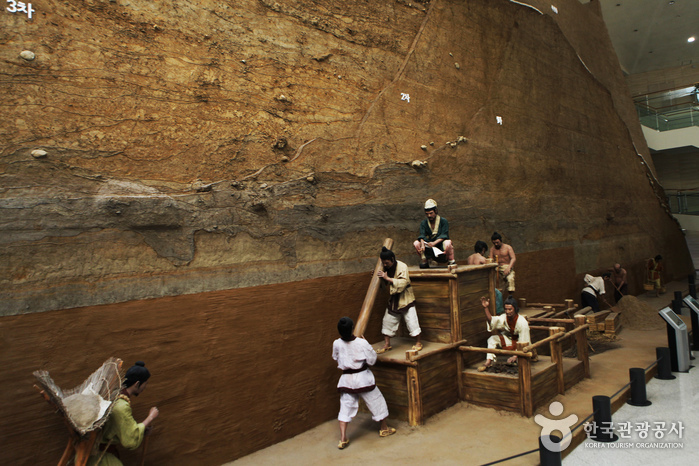
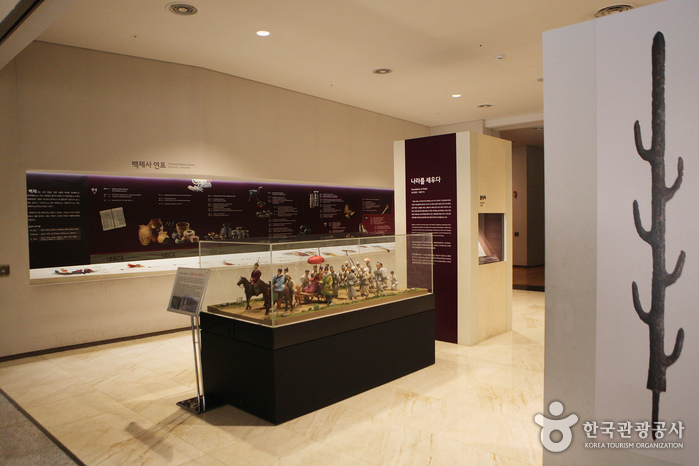
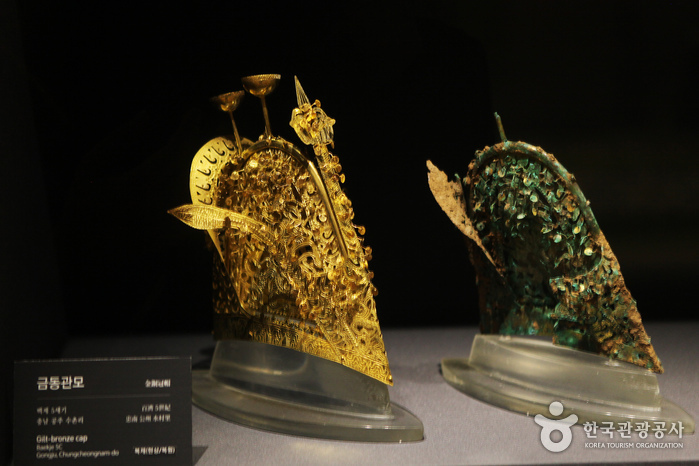
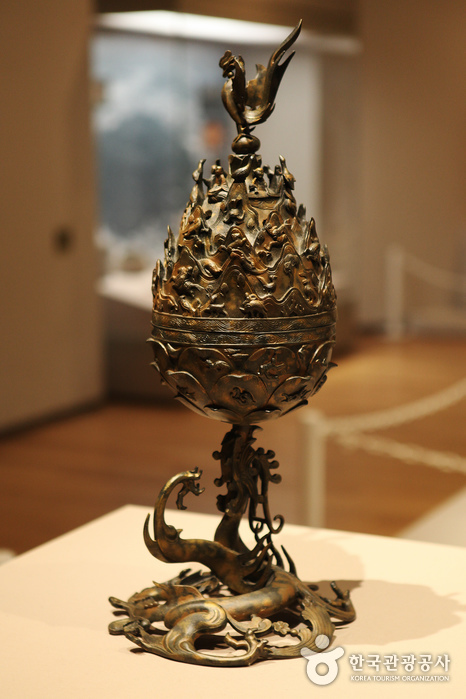
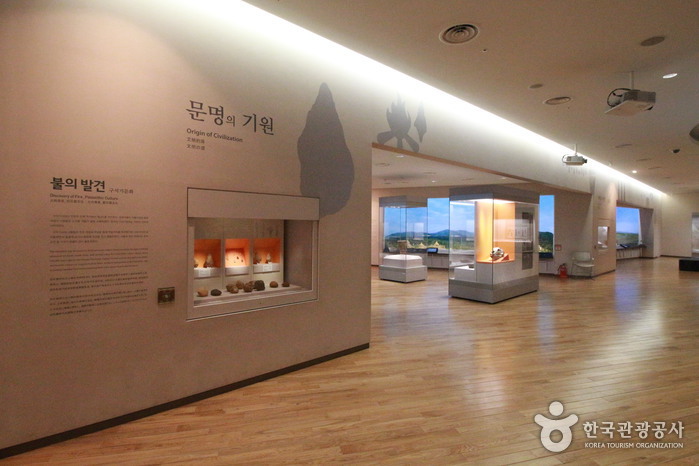
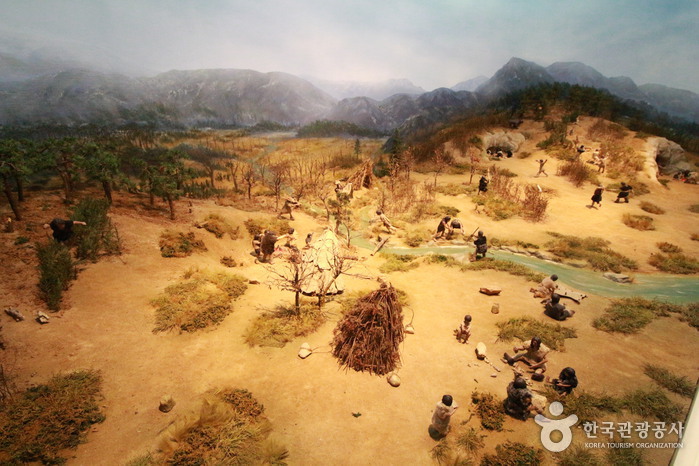
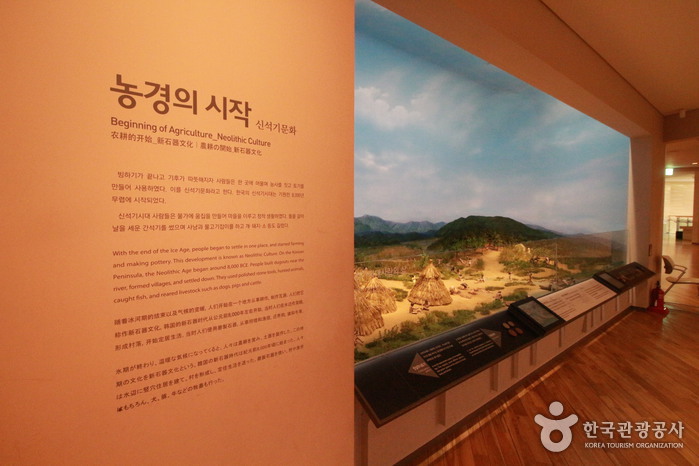
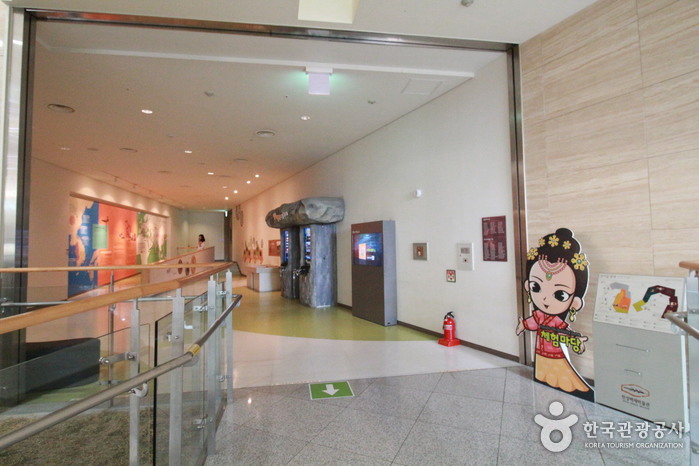
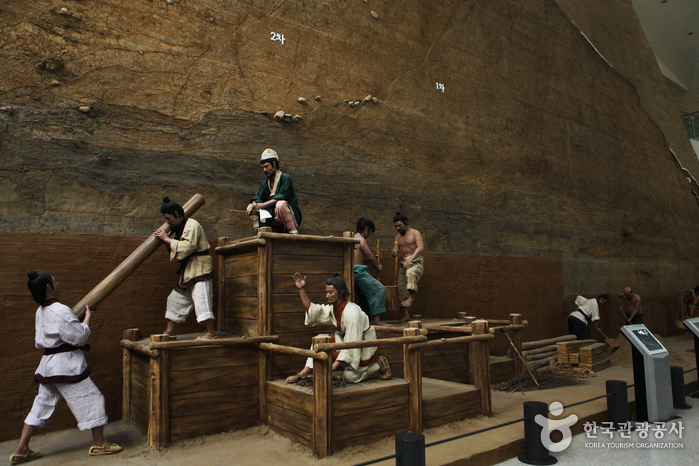
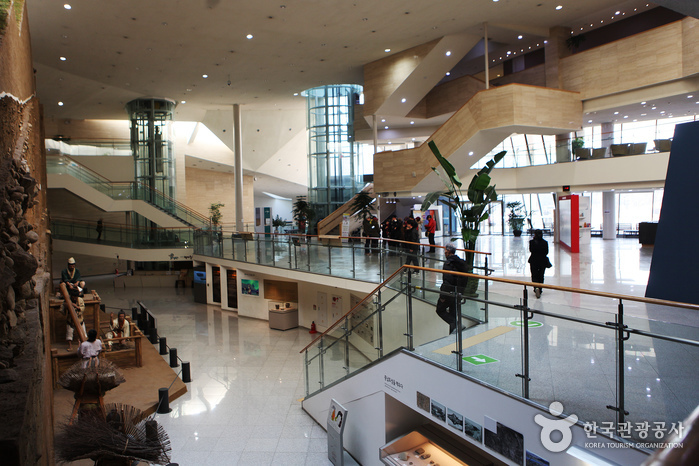
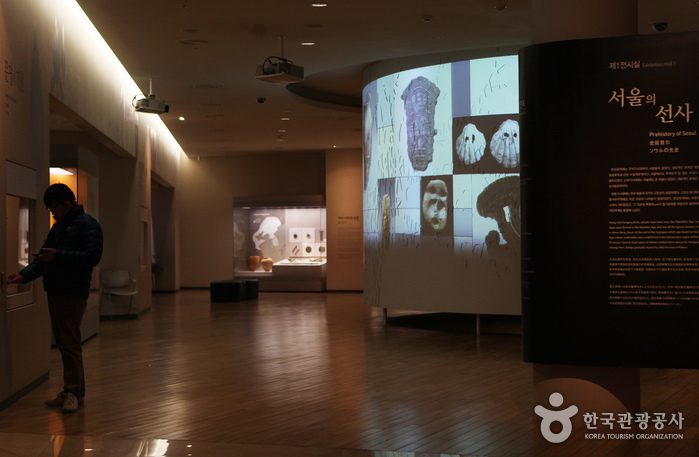
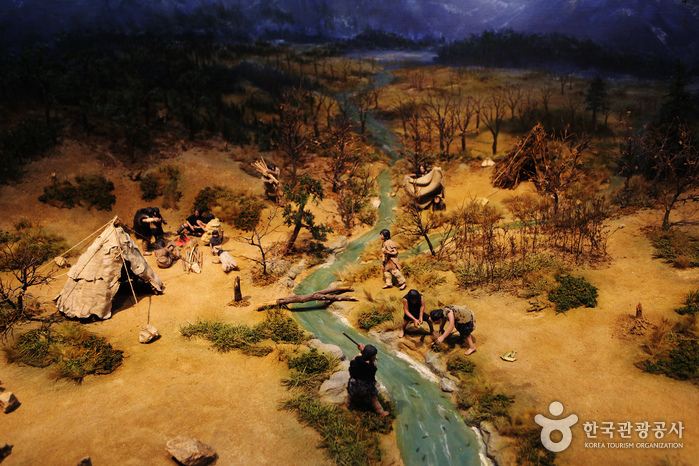
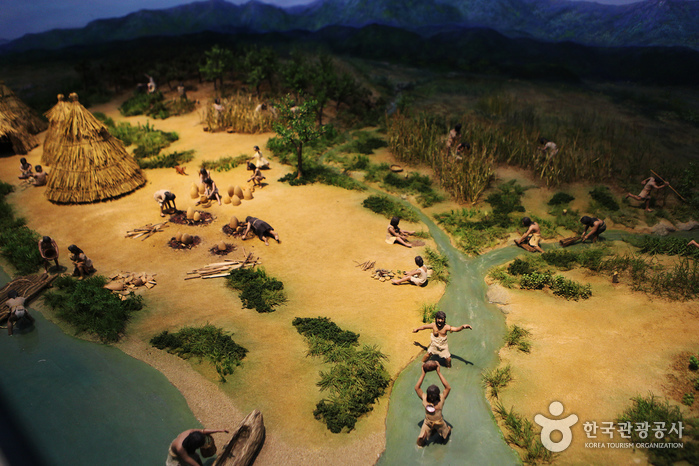
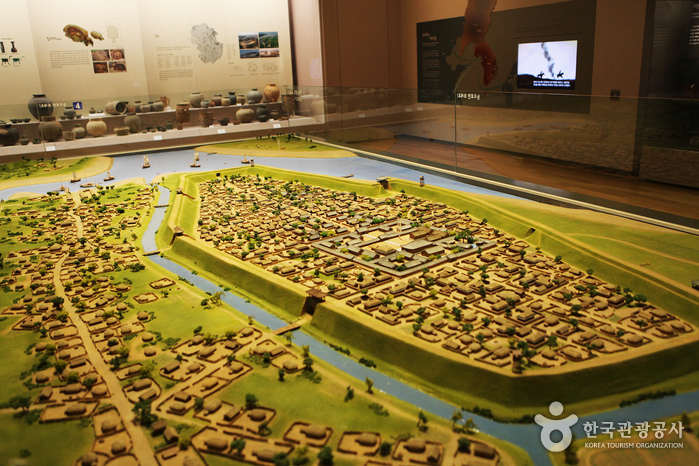
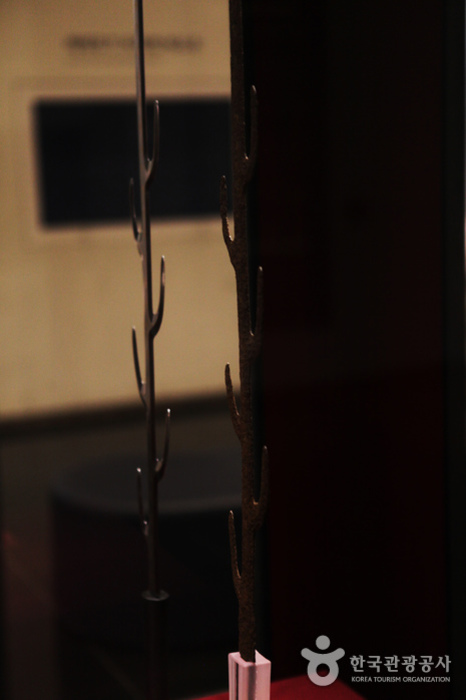
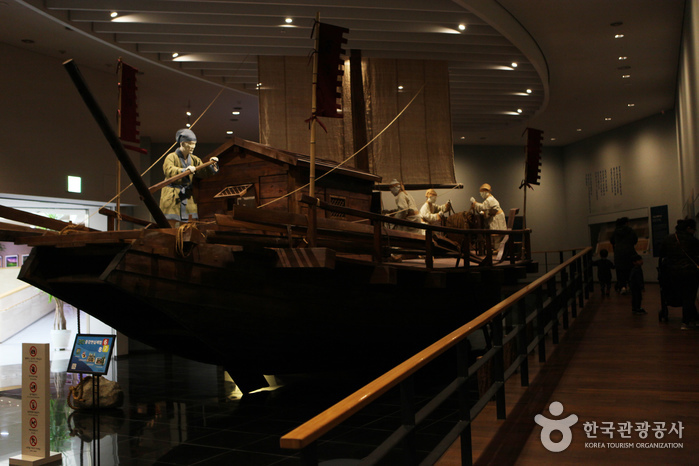
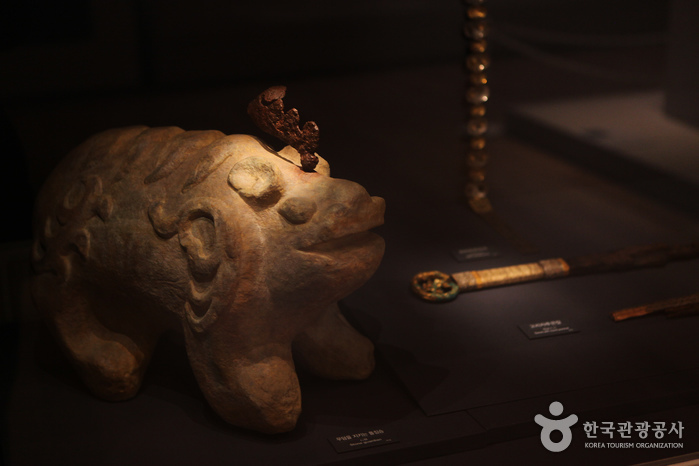
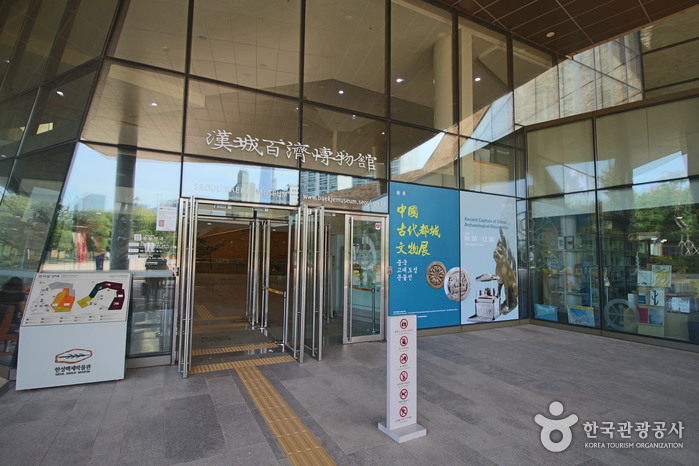
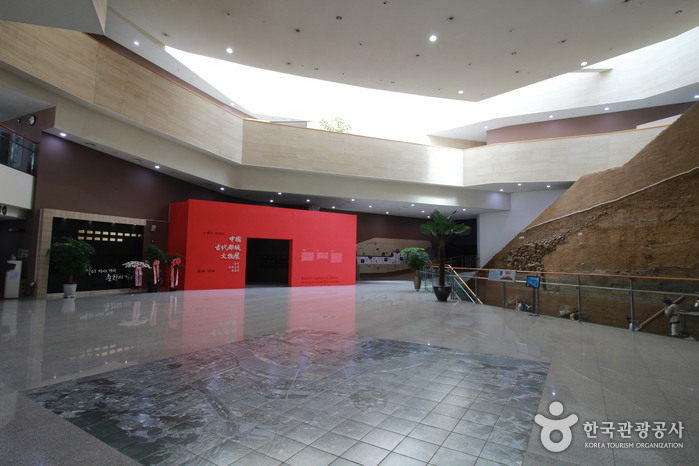
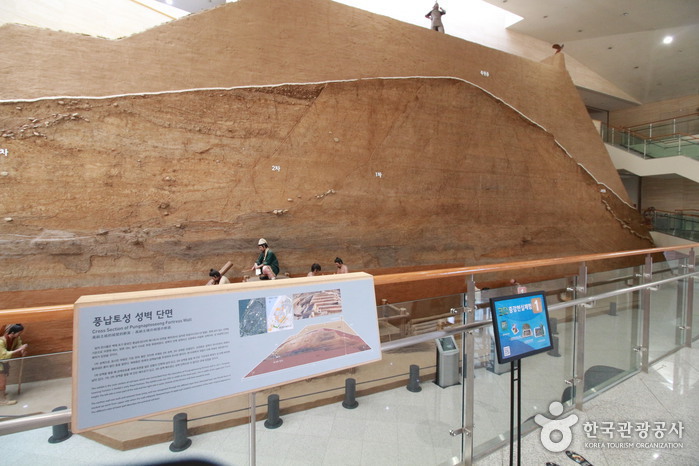
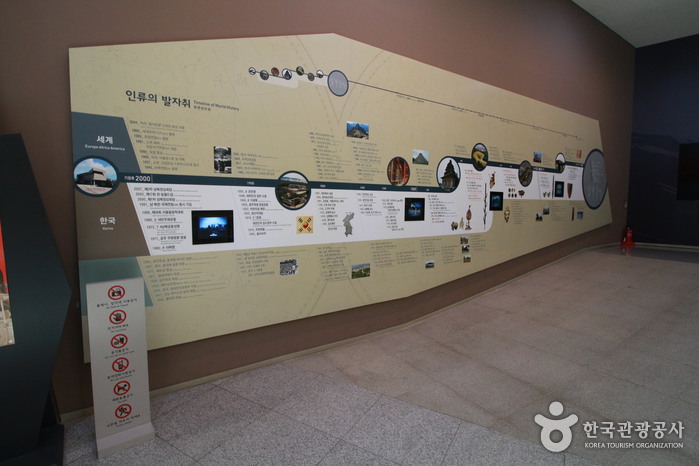
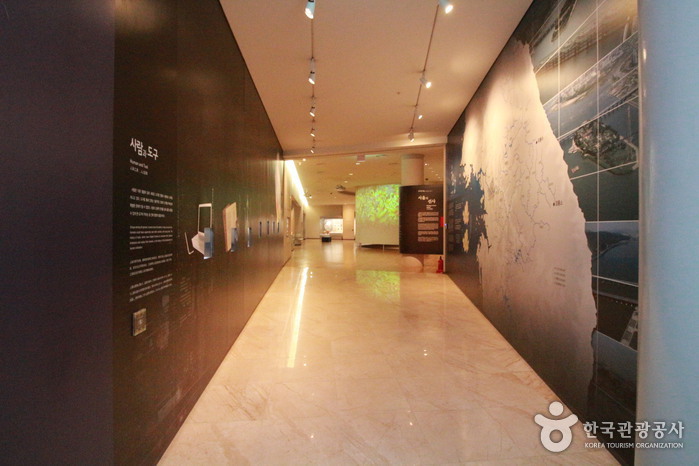
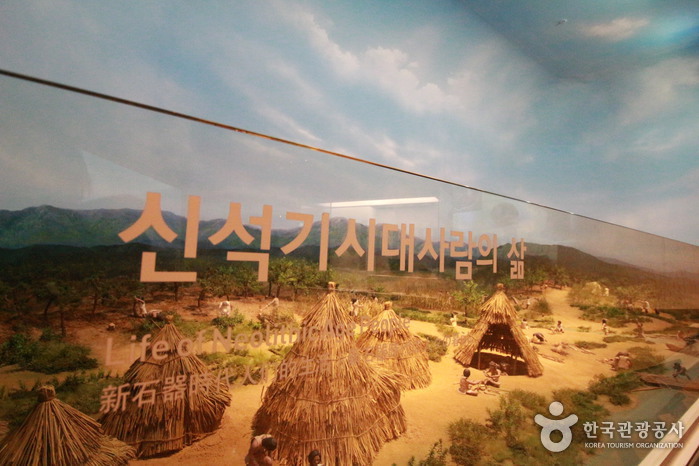
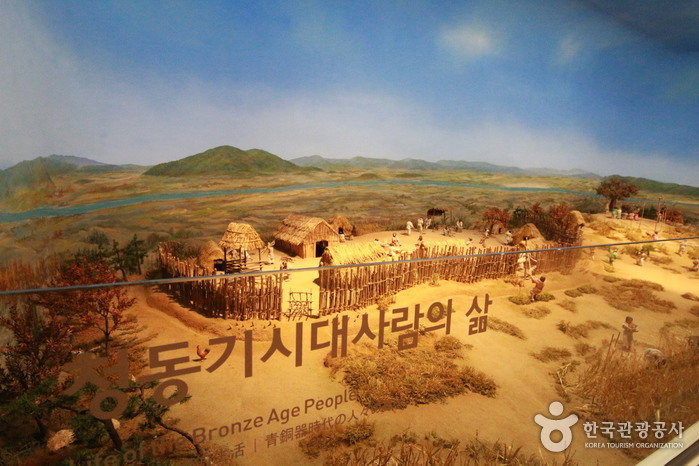
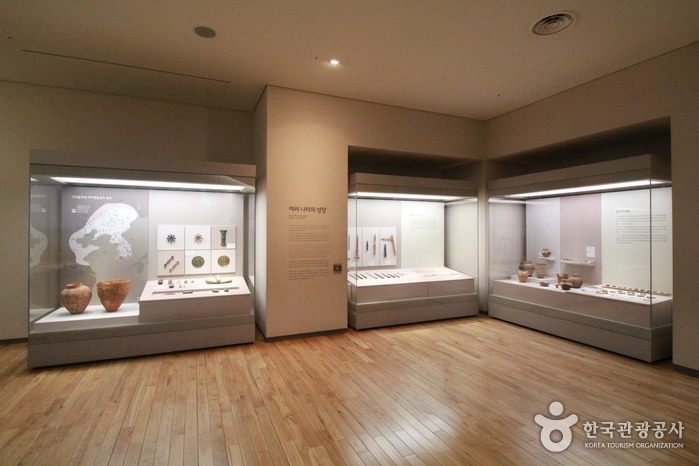
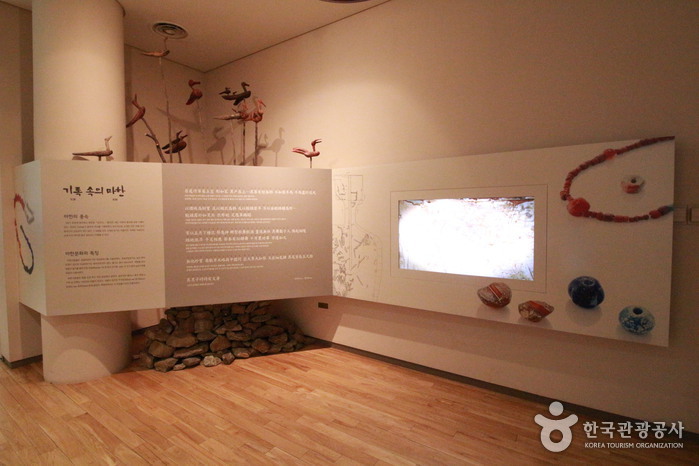
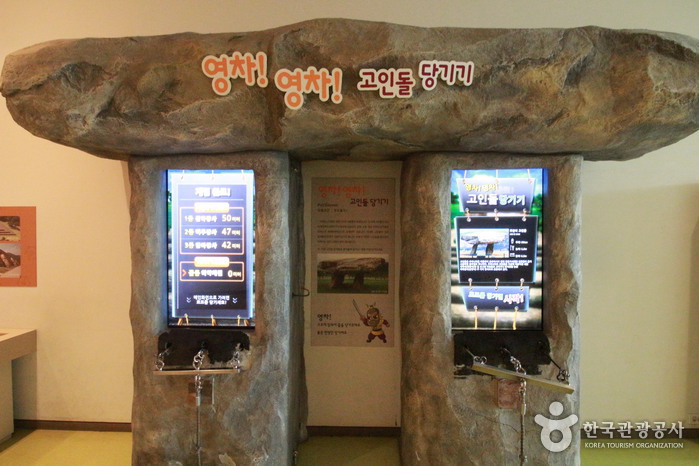
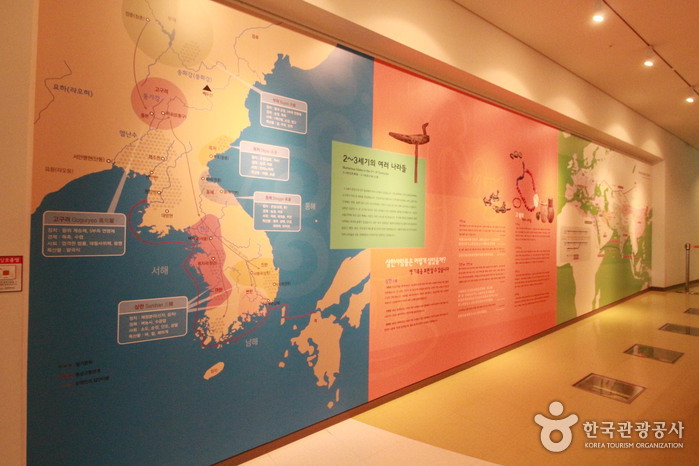
Opened on April 30, 2012, Seoul Baekje Museum was founded by the Seoul Metropolitan Government in order to preserve artifacts related to Seoul’s 2,000-year-old history and to shed light on Seoul’s cultural identity. The museum is located inside Olympic Park, overlooking Mongchontoseong Fortress.
– Address : 71, Wiryeseong-daero, Songpa-gu, Seoul
※ Presentation Information
– Information and Guides
• 1330 Travel Hotline: +82-2-1330
(Korean, English, Japanese, Chinese)
• For more info: +82-2-2152-5800
– Parking
Available
– Parking Fee
[Vehicles with seating capacity of 20 or less]
2,000 won for the first two hours / 150 won for each additional 5 minutes
10,000 won for one day
1,000 won for less
than an hour
[Vehicles with seating capacity of more than 20]
4,000 won for the first two hours / 250 won for each additional 5 minutes
15,000 won for one day
2,000 won for less
than an hour
* Parking time: until 22:00 (additional parking fee charged after 22:00)
– Day Off
Mondays (open if Monday is a public holiday), New Year’s Day, public holidays designated by mayor
– Usage Fee
[Permanant Exhibition Hall] Free of charge
* Admission fees may apply to special exhibitions
– Operating Hours
Weekdays 09:00-19:00
Weekends & public holidays 09:00-21:00 (November-February 09:00-18:00)
– Scale
Site area: 14,894 ㎡ / Gross floor area: 19,423 ㎡ (B3-2F)
– Reservations
[Group Reservation]
Duration: 6 times a day (10:00 / 11:00 / 12:00 / 14:00 / 15:00 / 16:00)
* Inquiry: Information desk +82-2-2152-5800
* Exhibition Planning Office: +82-2-2152-5916
◎ Nearby Tourism Infobox
⊙ Olympic Park (올림픽공원)
View detailed guide on Korea Trip Guide →
– Homepage
www.ksponco.or.kr
– Tel
+82-2-410-1114
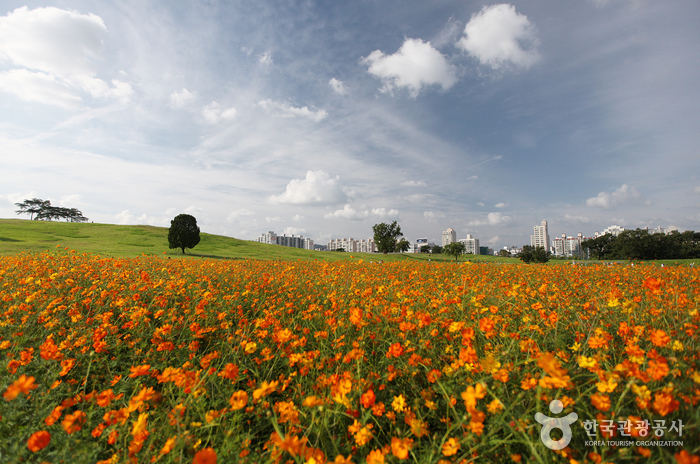
Olympic Park is an impressive leisure facility in which historic remains from the Baekje era share space with modern, state-of-the-art sports stadiums, an eco-friendly forest, and spacious grass fields. The legacy of the 1988 Seoul Olympics, the park not only houses the country’s largest sports arena, but has also become a place where Seoul residents come to relax and unwind.
Spread across approximately 1.45 million square meters, Olympic Park encompasses the land that was once Mongchontoseong Fortress and Mongchonhaeja (manmade lake) from the early Baekje period. The park is divided into several zones, including a leisure sports park, a cultural art park, an eco-park, and the History Experience Park dedicated to the area’s rich historic heritage.
Because Olympic Park is so large and takes over three hours to explore, visitors are advised to familiarize themselves with entrances and exits and travel routes before they start. To further save time, visitors can ride the Road Train (“Hodori Train”) located next to Peace Square.
⊙ Soma Museum of Art (소마미술관)
View detailed guide on Korea Trip Guide →
– Homepage
soma.kspo.or.kr
– Tel
+82-2-425-1077
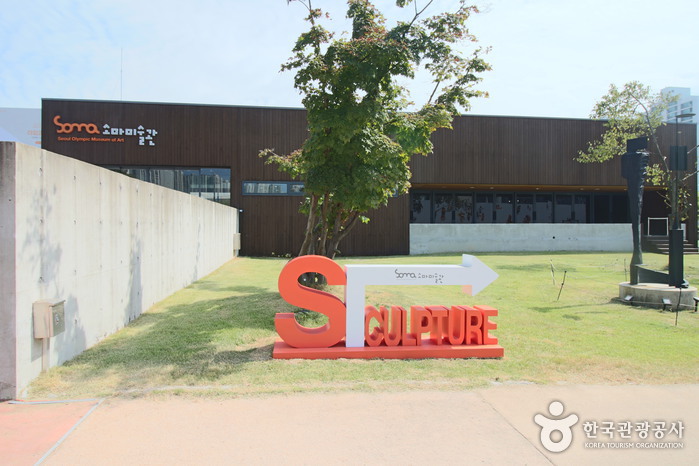
Soma Museum of Art was opened in September 2004 as a cultural space amid the nature of Seoul Olympic Park. The museum displays over 222 sculptures, and offers a variety of cultural and educational programs, including the nation’s first drawing center and archive.
⊙ Olympic Park Stadium (올림픽공원 경기장)
View detailed guide on Korea Trip Guide →
– Homepage
olympicpark.kspo.or.kr
– Tel
+82-2-410-1114
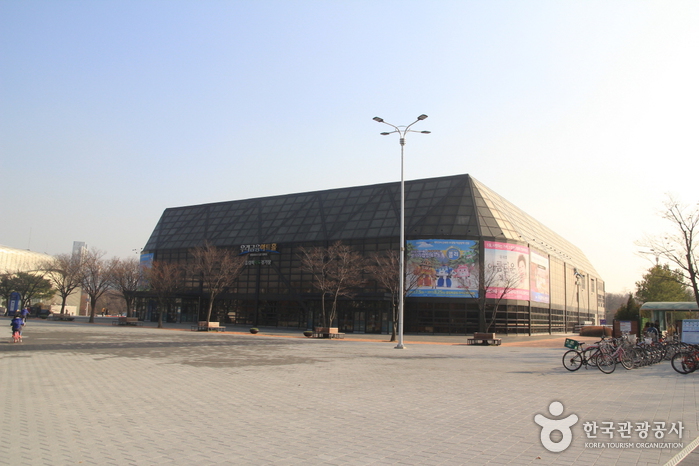
Olympic Park is an expansive outdoor area for Seoul residents to enjoy, offering facilities and venues for a range of events including athletic competitions, concerts and other performances. The park houses athletic facilities including the gymnasium of the ’88 Seoul Olympic Games, a fencing stadium, weightlifting stadium, swimming pool and tennis courts. Moreover, those venues are multi-purpose facilities that can host a wide range of events and performances.
⊙ Seoul Mongchontoseong Earthen Fortification (서울 몽촌토성)
View detailed guide on Korea Trip Guide →
– Homepage
korean.visitseoul.net
– Tel
+82-2-2147-2814
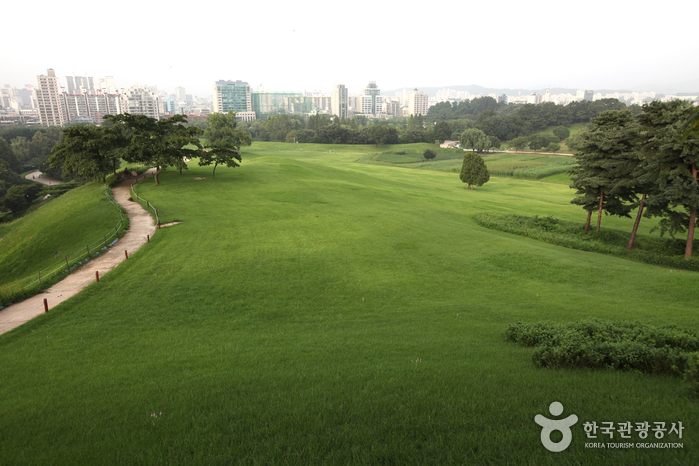
Mongchontoseong Earthen Fortification is an ancient earthen fortress built during the Hanseong period of the ancient Korean kingdom of Baekje (BC 18-AD 660). It is believed to have been constructed in the 3rd to 4th centuries. Utilizing the natural advantages of the Hangang River, it served defensive purposes with its trench and log barrier. Excavated relics from the Baekje era are on display at the Seoul Baekje Museum. The site is situated within the Olympic Park in Songpa, Seoul.
⊙ Byeokje Galbi Bangi(벽제갈비(방이본점))
View detailed guide on Korea Trip Guide →
– Tel
+82-2-415-5522
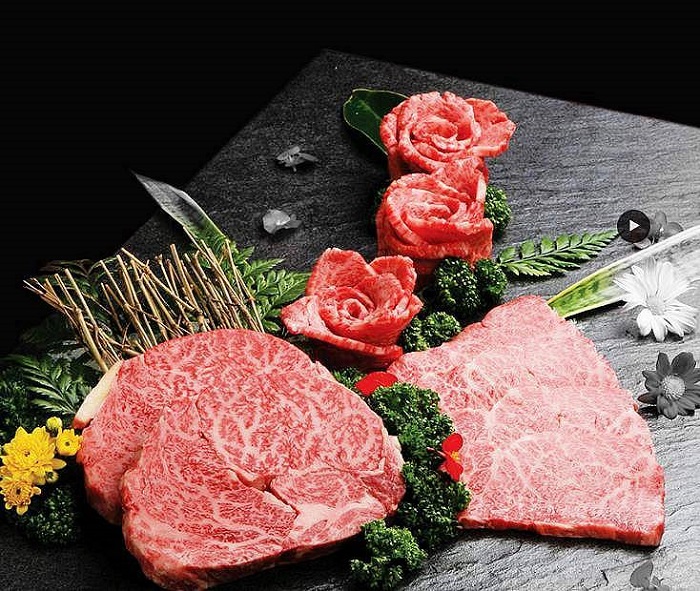
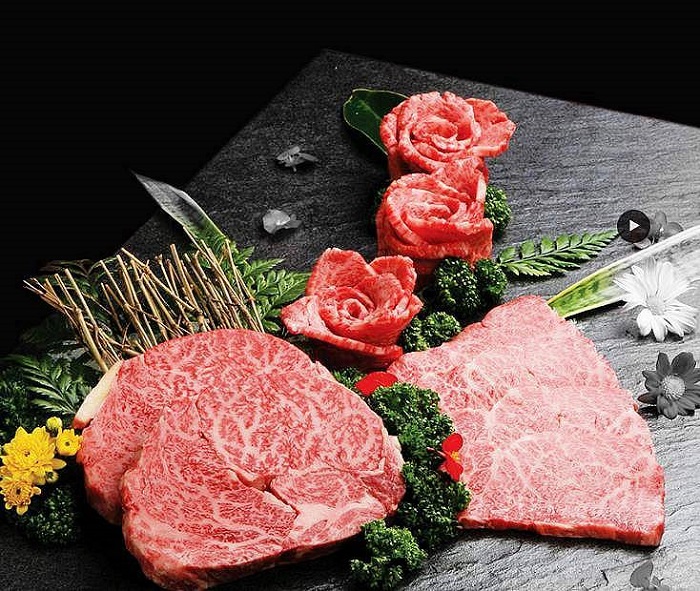
Byeokje Galbi is a restaurant serving top-quality hanu (Korean beef). One can enjoy a variety of cuts sourced from the finest hanu (Korean beef), such as deungsim (sirloin), galbi, and sagol (beef bone). The signature menus of Byeokje Galbi are Seol-hwa Saeng Galbi (Diamond cut Hanwoo rib) and Seol-hwa Kkot Deungsim (Hanwoo rib eye). The menu also includes naengmyeon (cold buckwheat noodles) dishes, seolleongtang (ox bone soup), and Hanwoo Kkoritang (Artisanal Hanwoo tail soup). The restaurant was notably included in the MICHELIN Guide Seoul 2023.
⊙ Bongpiyang (Bangi Branch) (봉피양 방이점)
View detailed guide on Korea Trip Guide →
– Homepage
http://www.bjgalbi.com
Bongpiyang is an upscale restaurant serving dwaeji galbi gui (grilled pork galbi) near the Olympic Park. Its signature menus include the Pyeongyang naengmyeon (Pyeongyang cold buckwheat noodles), dwaeji galbi (grilled pork galbi), and hanu tteokgalbi (grilled Korean beef galbi patties). Bongpiyang’s dwaeji galbi (grilled pork galbi) uses medicinal herbs, licorice, and thin yeot (malt candy) for sweetness. The broth for Pyeongyang naengmyeon (Pyeongyang cold buckwheat noodles) is made every early morning using hanu (Korean beef) and other ingredients, and the restaurant also prepares its buckwheat noodles in-house as well.
⊙ KSPO Dome (Olympic Gymnastics Arena) (올림픽공원체조경기장)
View detailed guide on Korea Trip Guide →
– Homepage
www.ksponco.or.kr
The KSPO Dome was the arena built for gymnastic events during the 1988 Seoul Summer Olympics, but has been remodeled to host concerts, including for many K-pop stars and international pop stars. The dome can also serve as venue to a range of other events, including showcases, exhibitions, and business events. It is accessible via public transit using Olympic Park Station on Seoul Subway Lines 5 and 9.
⊙ Woori Art Hall (우리금융아트홀)
View detailed guide on Korea Trip Guide →
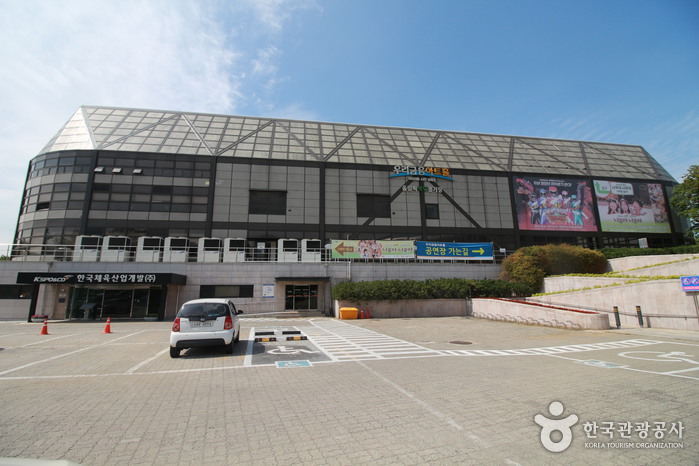
Woori Art Hall is a cultural art space located within Olympic Park, opened in November 2009 after a two-year renovation project from the previous Yeokdo Stadium. The 1,184-seat hall is primarily for musicals, but can also host a range of performances including plays, dance, classical, and modern music.
⊙ Mongchon Museum of History (몽촌역사관)
View detailed guide on Korea Trip Guide →
– Homepage
baekjemuseum.seoul.go.kr
– Tel
+82-2-2152-5900
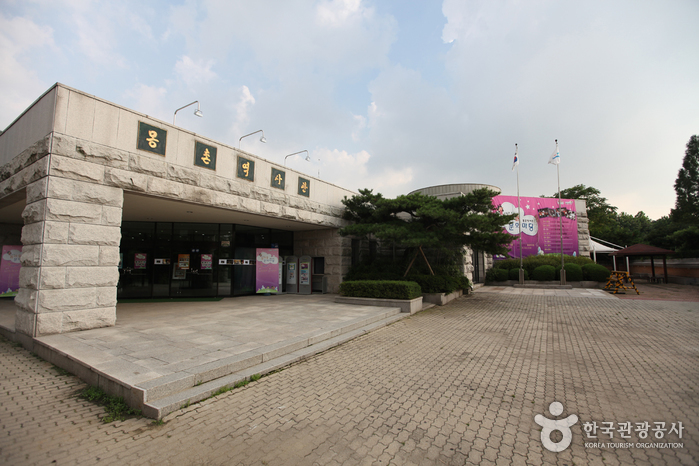
The Mongchon Museum of History, located within Olympic Park, displays artifacts from the excavations of Mongchontoseong Fortress, such as earthen fortifications as well as other artifacts of the Baekje Kingdom period, offering a glimpse into Baekje culture. A model of a Baekje dugout hut site reveals ancient dwelling patterns. Also, the facility displays a perfectly preserved model of ancient houses and tombs, giving visitors the feel of traveling back to prehistoric ages.
![LeNIC & McCOY [Tax Refund Shop] (르니앤맥코이)](https://ktrip.blogsailing.com/wp-content/uploads/2026/01/3313460_image2_1.jpg)
![Artbox – Konkuk Univ. Starcity Branch [Tax Refund Shop] (아트박스건대스타시티점)](https://ktrip.blogsailing.com/wp-content/uploads/2026/01/2878813_image2_1-768x432.jpg)
3 Comments