Suwon Hwaseong Museum (수원화성박물관)
Suwon Hwaseong Museum (수원화성박물관)
 – Homepage
hsmuseum.suwon.go.kr
– Tel
+82-31-228-4242
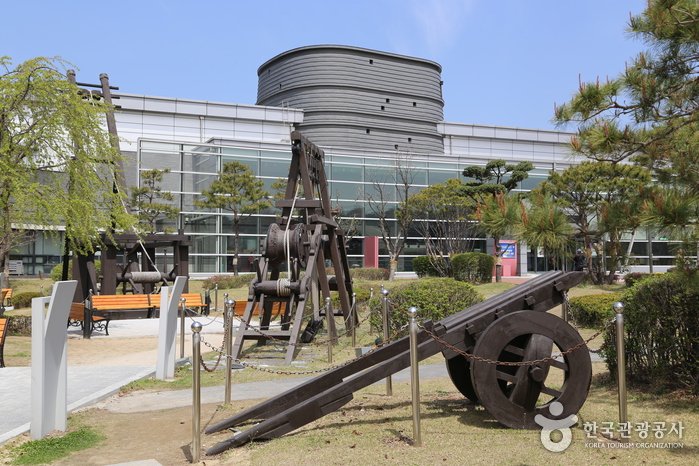
Suwon Hwaseong Museum presents the history and culture of Suwon Hwaseong Fortress, an important Korean cultural asset and UNESCO World Cultural Heritage Site. Visitors to the museum can learn about the formation of the fortress and the city of Suwon itself through detailed, systematically designed exhititions. The museum houses an extensive collection of items that showcase the construction and development of the fortress, as well as gatherings and events that took place within the fortress.
– Address : 21, Changnyong-daero, Paldal-gu, Suwon-si, Gyeonggi-do
※ Presentation Information
– Information and Guides
• 1330 Travel Hotline: +82-2-1330
(Korean, English, Japanese, Chinese)
• For more info: +82-31-228-4242
– Parking
Available
– Day Off
Mondays
– Usage Fee
[Admission (Suwon Hwaseong Museum)]
Individuals – Adults 2,000 won / Teenagers 1,000 won
Groups – Adults 1,000 won / Teenagers 500 won
* Group: 20 people or more
* Free admission: Children (ages 12 and younger), senior citizens (ages 65 and older)
* Adults (ages 19-64) / Teenagers (ages 13-18 )
[Integrated Ticket]
Individuals – Adults 3,500 won / Teenagers 2,000 won / Children & senior citizens 800 won
Groups – Adults 2,000 won / Teenagers 1,200 won / Children & senior citizens 800 won
* Includes admission to Suwon Hwaseong Fortress, Temporary Palace at Hwaseong Fortress, Suwon Museum, Suwon Hwaseong Museum
– Operating Hours
09:00-18:00
* Last admission is one hour before closing.
– Scale
Total size: 23,173 ㎡
Total Floor Area: 5,652 ㎡ (B1-2F)
– Foreign Language Intepretation Services
[Audio Guide Services] Detailed descriptions of important artifacts and displays
– MP3: 50 sets
– Target Audience: Teenagers and older
(For elementary school students or younger, accompanying guardian is required for rental of audio device)
– Rental Fee: Free
– Rental Method: Present your identification card at the Suwon Hwaseong Museum Information Desk
– Available in English, Japanese and Chinese
– Reservations
Advance reservation required for group visitors.




◎ Nearby Tourism Infobox
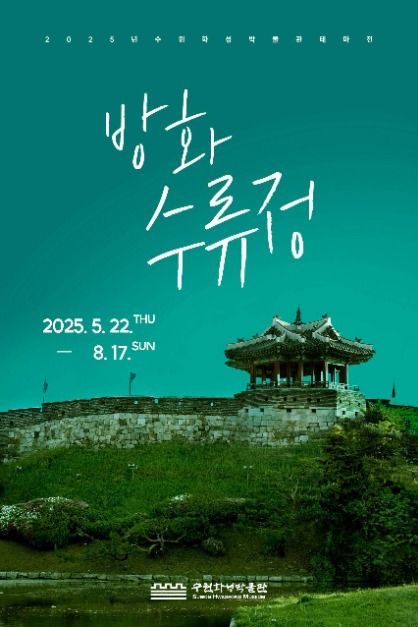
⊙ Suwon Hwaseong Museum Themed Exhibition Banghwasuryujeong Pavilion (수원화성박물관 테마전 방화수류정)
– Homepage
smuseum.suwon.go.kr/a>
– Tel
+82-31-228-4209
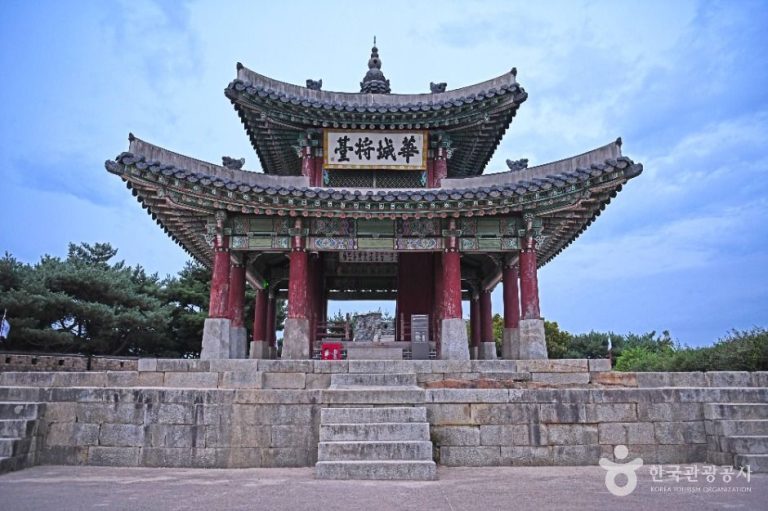
Banghwasuryujeong Pavilion stands looking over the Hwahongmun Gate and Yongyeon Pond and is a place where the aspirations of King Jeongjo live on. Suwon Hwaseong Fortress has a total of four pavilions, and Banghwasuryujeong Pavilion is located on the northwestern side of the fortress. The fortresses were built to act as a watchtower for keeping an eye on outside invasion, with Banghwasuryujeong Pavilion being located at the most strategic point. Although it was built as a military watchtower, it was designed to also act as a pavilion, and Banghwasuryujeong Pavilion was recognized as a National Treasure in 2011 for outstanding techniques and aesthetics that represent the Joseon dynasty in the 18th century.
⊙ Hwacheong Galbi (화청갈비)
This restaurant offers galbi jeongsik, a set meal featuring Suwon wanggalbi at a reasonable price. Available only at lunchtime, the set includes grilled galbi, steamed rice, and a variety of side dishes, making for a satisfying and filling meal. Located near Hwaseong Fortress and the vibrant Haenggung-dong area (also known as Haengnidan Street), it’s an ideal spot to enjoy a meal after exploring Suwon’s famous sights.
⊙ Suwon Museum of Art (수원시립미술관)
View detailed guide on Korea Trip Guide →

– Homepage
suma.suwon.go.kr
Suwon Museum of Art is a cultural and artistic space located in the plaza of Hwaseong Haenggung Palace in Suwon. The building, which embodies the harmony of modernity and nature, includes exhibition halls, a library, classrooms, and a cafeteria. It serves as a place where the spirit of Hwaseong meets contemporary art, offering high-quality exhibitions, immersive interactive displays, and unique showcases focusing on the Suwon region.
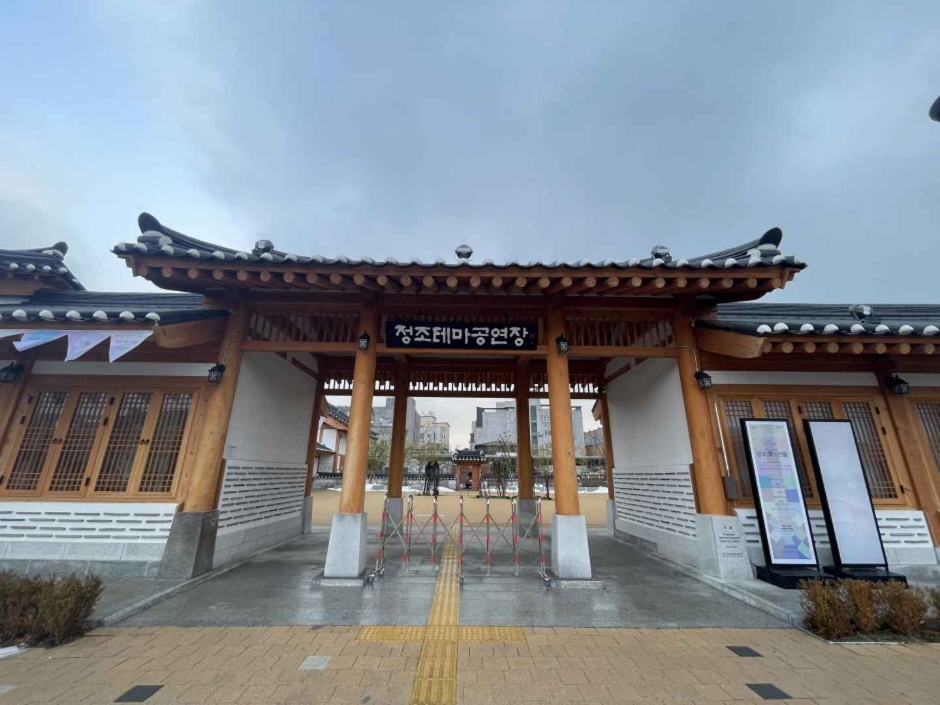
⊙ Jeongjo Theme Performance Hall (정조테마공연장)
View detailed guide on Korea Trip Guide →
– Homepage
www.swcf.or.kr
Jeongjo Theme Performance Hall is located in a hanok-style building just next to the Temporary Palace of Hwaseong Fortress in Suwon. The hall serves as venue to a range of performances, both traditional and modern, and is a great addition to family visits to the area.
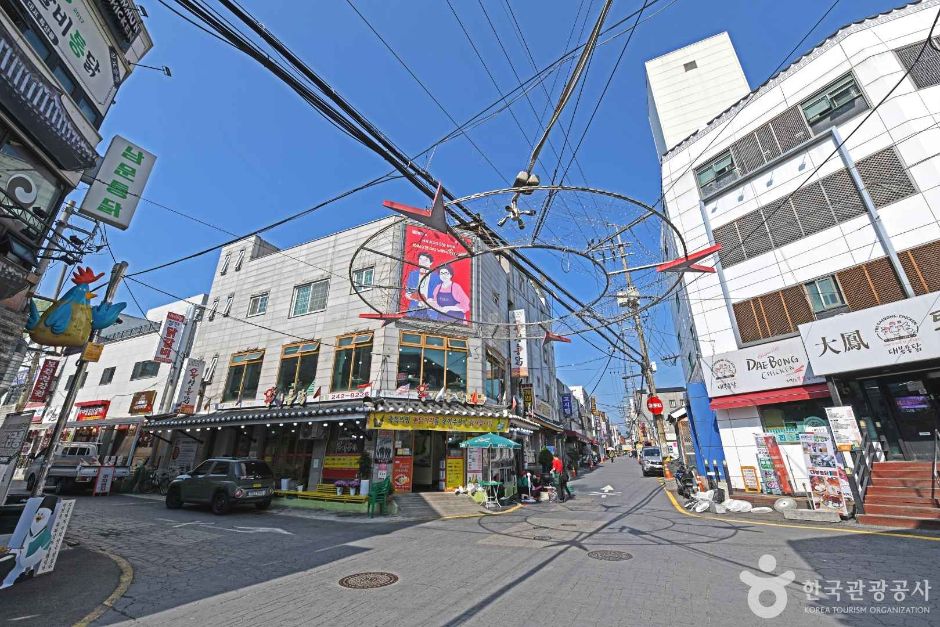
⊙ Suwon Chicken Street (수원통닭거리)
View detailed guide on Korea Trip Guide →
– Homepage
www.suwon.go.kr
Suwon Chicken Street, located in a small 100 m-long alley on Paldal-ro, Paldal-gu, Suwon, is where about 11 stores, ranging from the original store that opened in 1970 to new ones, serve fried whole chicken. It is the tradition of Suwon Chicken Street to pour oil into a large cauldron and fry chicken. The menu only consists of fried chicken and seasoned fried chicken, but they are gaining popularity for their savory taste, different from those of famous chicken brands. In Suwon Chicken Street, you can meet the granny of “Maehyang Tongdak,” who has been selling fried chicken in Suwon Chicken Street since the 1970s using the chicken she raised in a chicken coop on a stall, as well as the famous “Yongseong Tongdak” and “Jinmi Tongdak” in this alley. The chicken price is low, so you don’t have to worry about it. Thanks to plentiful servings and unique taste, the shops on this street are crowded with customers from all over the country, including students, who come having heard of the place by word of mouth.
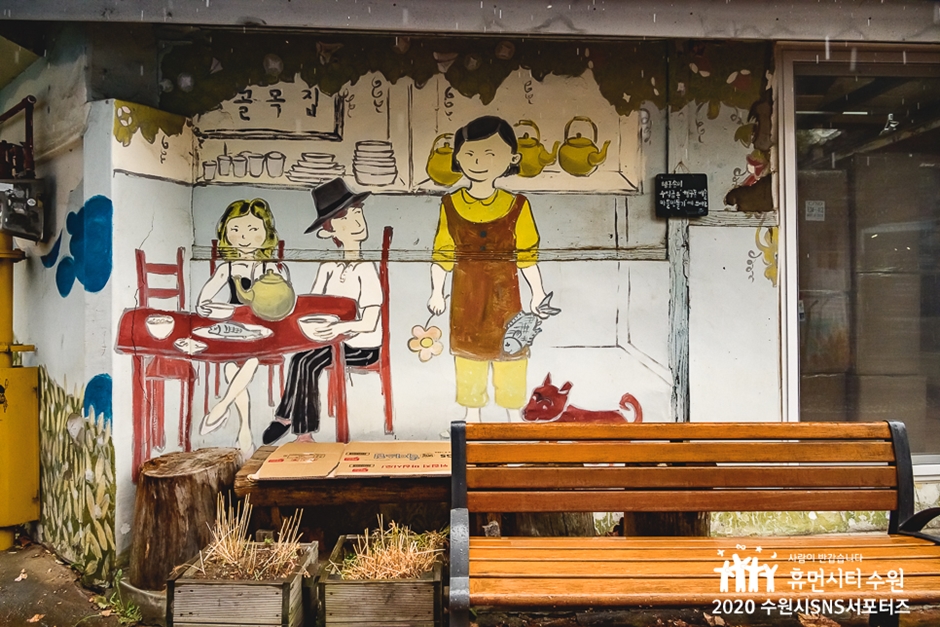
⊙ Haenggung-dong Mural Village (행궁동 벽화마을)
View detailed guide on Korea Trip Guide →
– Homepage
www.suwon.go.kr
Suwon’s Haenggung-dong is the name for 12 neighborhoods, including Jangan-dong and Sinpung-dong, in the Hwaseong Fortress area. It was the most bustling place in Suwon from when the Hwaseong Fortress was built 220 years ago until just a few decades ago. However, with Hwaseong Fortress being designated as a UNESCO World Heritage Site, time seems to have stopped due to strict development regulations. In the meantime, residents, civic groups, and artists came together to paint murals in effort to make the area become more alive. Due to their efforts, the region has now emerged as a tourist attraction visited by as many people as Hwaseong Fortress.
The Haenggung-dong comprises various alleys connected depending on their characteristics, including the Mural Village, Workshop Street, Suwon Chicken Street, and Jidong Market. The Mural Village is divided into six alleyways by theme, including the Haengbokha (Happy) Road, Saranghada (Love) Road, Nuneuroganeun (to Snow) Road, Cheoeumachim (First Morning) Road, Romance Road, and Dwiroganeun (Backward) Road. A photo zone has been set up in front of the mural, and not only the mural but also the walls, roof, and fence are filled with various sculptures and paintings. Many pretty workshops and cafés nearby are also interesting to look around.
◎ Travel information to meet Hallyu’s charm – TV series “Lovely Runner”
Haenggung-dong Mural Village sets the scene where Sol and Sun-jae walked to school together. It is also where the memorable scene was filmed of Sol dashingly pushing a flustered Sun-jae against the wall. As you stroll along the low stone walls adorned with murals, it’s easy to imagine the couple’s school-day moments, adding a nostalgic charm to your walk.
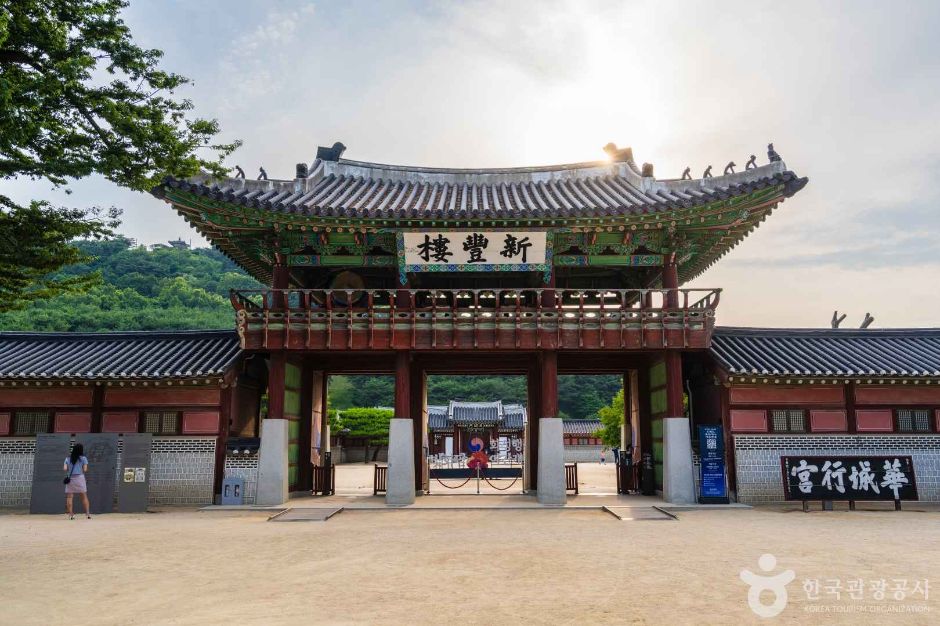
⊙ Temporary Palace at Hwaseong Fortress (Hwaseong Haenggung Palace) (화성행궁)
View detailed guide on Korea Trip Guide →
– Homepage
www.suwon.go.kr
A haenggung is a temporary palace where the king and royal family retreated to during a war. Hwaseong Haenggung Palace is the largest one of these, used by the Joseon kings since the time of King Jeongjo (r. 1776-1800). In addition to being used as a shelter during war, King Jeongjo also stayed here during trips to worship at his father’s tomb. The palace was the location of a splendid feast held on the 60th birthday of his mother, Hyegyeonggung Hong, and many other events, including award certificates for successful candidates of special national exams. These days, the palace serves as a venue for many traditional cultural performances and activities.
⊙ Suwon Jidong Mural Village (수원 지동벽화마을)
View detailed guide on Korea Trip Guide →

– Homepage
https://www.suwon.go.kr
A friendly alley with Kuk Yeonsoo’s house
Jidong Mural Village is a neighborhood with many winding alleys where Kuk Yeonsoo lived. Murals with seven themes are painted on the 6km-long road, so just walking along the pictures is as fun as a treasure hunt. As you walk, you will see a familiar green gate next to Jidong Supermarket, which is the house of Kuk Yeonsoo in the drama. As rainbow murals often appeared on the opposite side in the drama, there are many fans who take proof shots here.
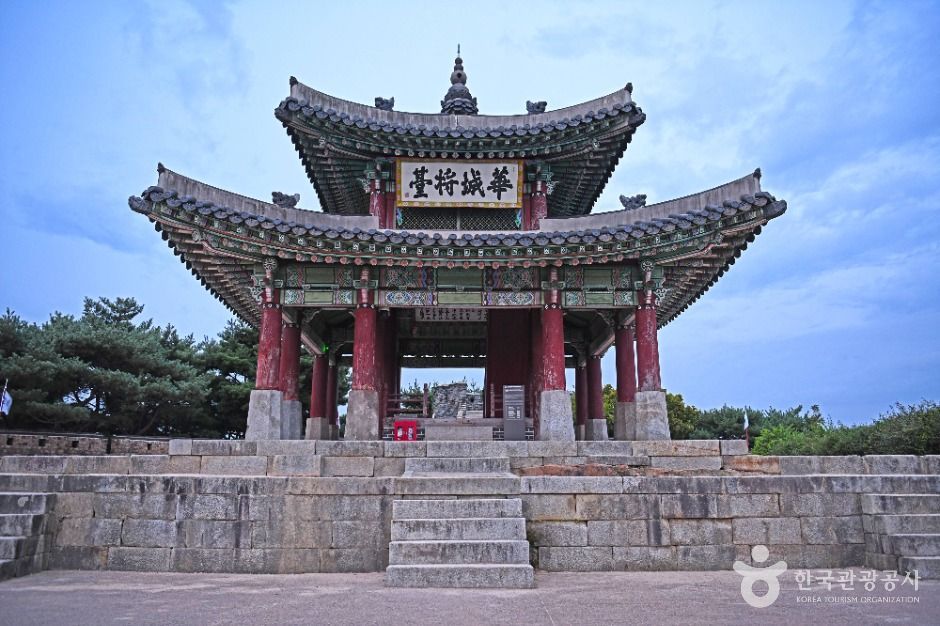
⊙ Hyowon’s Bell (효원의 종·서장대)
View detailed guide on Korea Trip Guide →
– Homepage
www.swcf.or.kr
Hyowon’s Bell is located at the summit of Paldalsan Mountain. The bell was created to honor the filial devotion of King Jeongjo towards his father, Crown Prince Sado. The bell has various symbols representing the city of Suwon and its cultural assets. The bell is always rung three times- the first ring is in gratitude for the love of one’s parents, the second to hope for happiness in one’s family, and the third as a prayer for self-improvement.
![Calvin Klein Jean – MODA Outlet Guri Namyangju Branch [Tax Refund Shop] (캘빈클라인진모다아울렛구리남양주)](https://ktrip.blogsailing.com/wp-content/uploads/2025/12/3313257_image2_1.jpg)