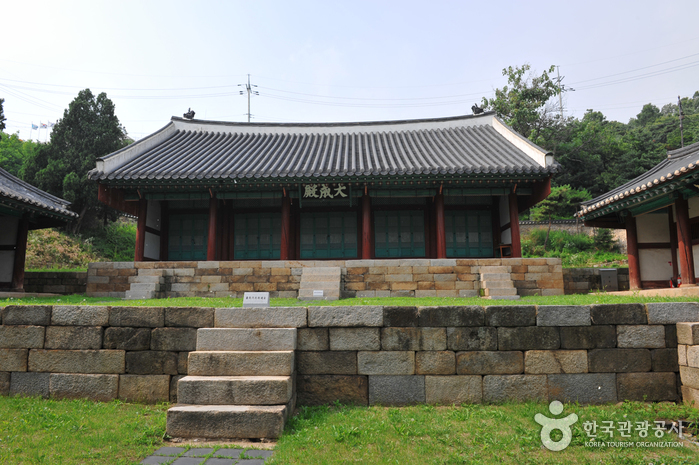
Suwonhyanggyo Confucian School (수원향교)
Suwonhyanggyo Confucian School (수원향교)
 – Tel
– Tel
+82-31-245-7639
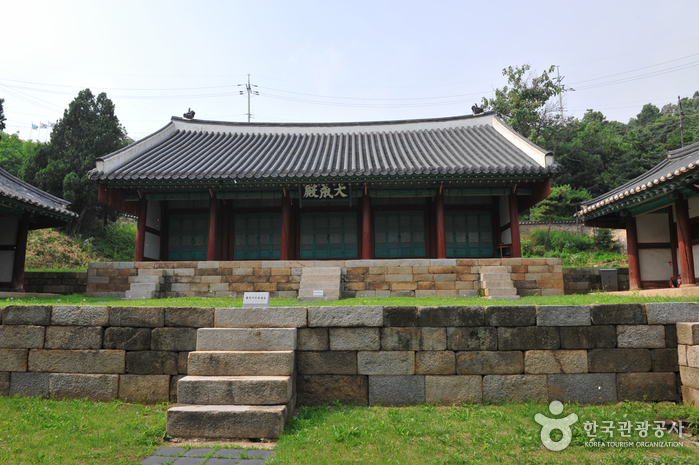
Suwonhyanggyo Confucian School was built in 1291 in front of Hwasan Mountain in Hwaseong where it stayed for nearly 500 years. It was moved to its current location in 1789 with the construction of Hwaseong Fortress. During the move, some of the original wood was exposed to water and began to rot. These parts were repaired in 1795 and efforts were made to prevent the wooden structure from futher damage. The current school is comprised of various halls, gates, and pavilions. It is registered as Gyeonggi-do Cultural Property and operates programs every summer for regional students.
– Address : 107-9, Hyanggyo-ro, Paldal-gu, Suwon-si, Gyeonggi-do
※ Presentation Information
– Experience Guide
– Practicing Korean traditional ceremonies and rituals
– Learning Chinese characters
– Etiquette school
– Information and Guides
• 1330 Travel Hotline: +82-2-1330
(Korean, English, Japanese, Chinese)
• For more info: +82-31-245-7639
– Parking
Available
– Day Off
Weekends (except upon event reservations)
– Operating Hours
09:00-17:00
– Restrooms
Available
– Parking Fees
Free
– Admission Fees
Free
– Interpretation Services Offered
Not available


◎ Nearby Tourism Infobox
⊙ Nammun Rodeo Market (남문로데오시장)
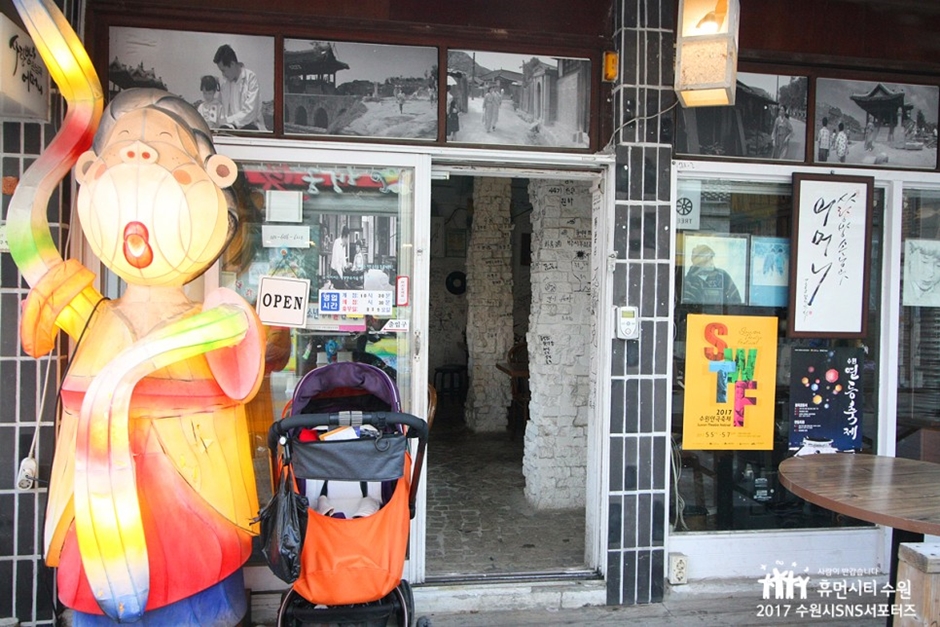
Nammun Rodeo Market is a popular spot among youngsters and couples for its unique cafes and Saturday Market, which bring art and culture together. There is a variety of cafes, jewelry shops, noraebang (karaoke rooms), and other stores, making it a great place to visit with the family or on a date.
⊙ GS25 – Suwon Parkville Branch [Tax Refund Shop] (GS25수원파크빌점)
–
⊙ Paldalmun Gate (팔달문)

– Homepage
www.swcf.or.kr
– Tel
+82-31-228-2765
Paldalmun Gate is the southern gate of Hwaseong Fortress, and its name means “a gate opening to a road that leads to all directions.” Among the four gates of Hwaseong Fortress, the northern and southern gates are bigger and more grandiose. The gate has an entrance wide enough to let the king’s palanquin pass through and a watchtower over the entrance. Outside of the gate is a crescent-shaped protection wall called ongseong.
Among the ongseong walls found across the country, Paldalmun Gate’s ongseong wall stands out in terms of size and form. The hip roof and decorations seen on Paldalmun Gate’s watchtower resemble that of fortress watchtowers, and are recognized as representation of late Joseon dynasty’s watchtower architecture.
⊙ Suwon Hwaseong Special Tourist Zone (수원화성 관광특구)
View detailed guide on Korea Trip Guide →
– Homepage
www.swcf.or.kr
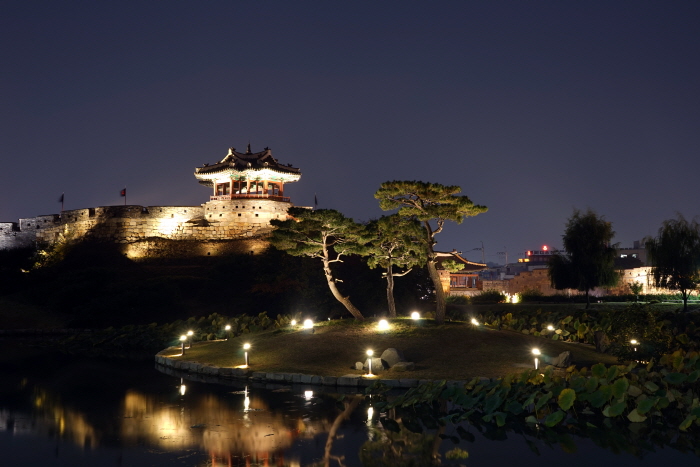
Hwaseong Fortress, Suwon, was built by King Jeongjo, the 22nd ruler of the Joseon dynasty, when he moved the tomb of his father, Crown Prince Sado, to Hwasan Mountain in Suwon. Because of its high historical and cultural value, it was designated as a UNESCO World Heritage Site in 1997. In 2016, the Hwaseong Fortress area, ranging from Paldalsan Mountain to Jangan Park, Yeonmudae Command Post, and Paldalmun Market, was designated as a special tourist zone, establishing itself as a representative tourist destination in Suwon visited by many tourists.
⊙ Paldalmun Market (팔달문시장)
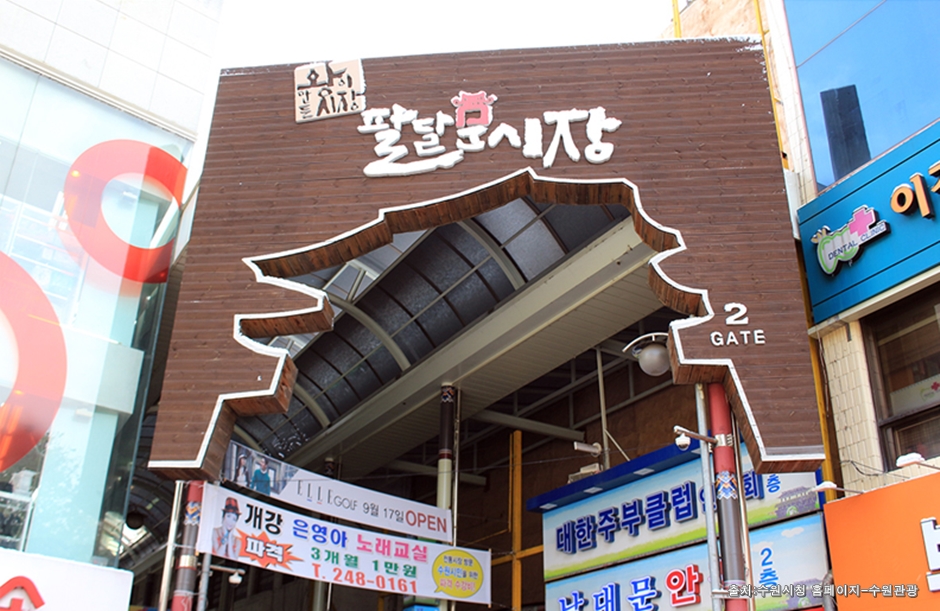
There are 9 traditional markets around Suwon’s South Gate. Among them, in Paldalmun Market, there is a whole chicken street that stretches for about 400m, so many people visit it. The old-fashioned way of frying the whole chicken in a large cauldron and the unique seasoning preserve its flavor. After visiting other connected markets, you can complete your Suwon tour by walking through the Hwaseong Fortress, a UNESCO World Heritage Site.
⊙ Nature Republic – Suwon Nammun Branch [Tax Refund Shop] (네이처리퍼블릭 수원남문점)

–
⊙ Nostalgic Dalgona (추억의달고나)
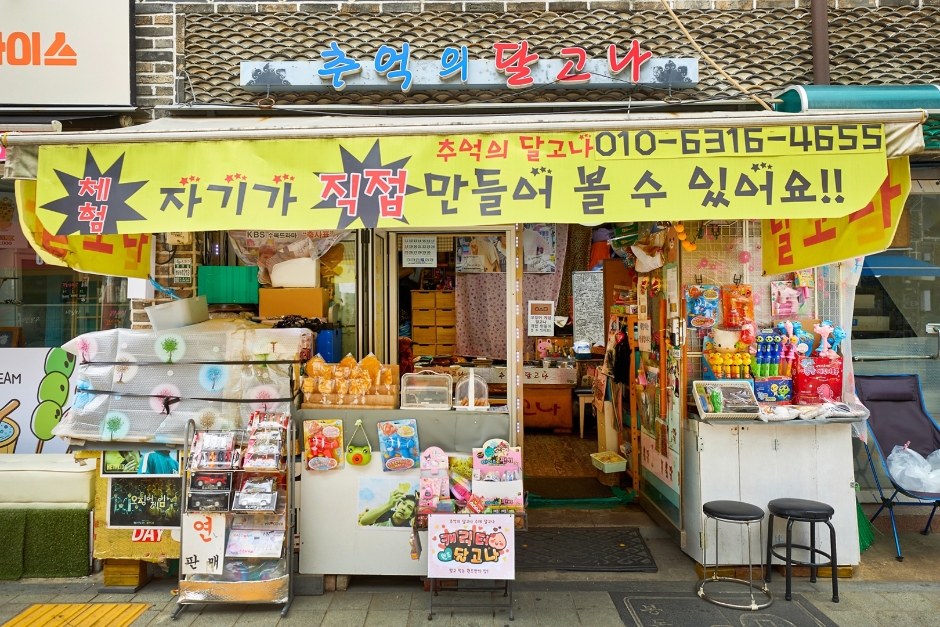
At Nostalgic Dalgona, visitors can make and eat dalgona, a snack that has become world-famous as it frequently appears in Korean content such as drama series like Netflix’s Squid Game and entertainment shows. The recipe requires using a ladle and heat to dissolve sugar mixed with a small amount of baking soda. Once dissolved, pour out the caramel-like mix onto a tray, then stamp the surface with a cookie cutter of a preferred shape, such as heart, animal figure, or umbrella. The process of tearing off the edges along the pattern like from the scene in Squid Game can be quite a challenge and fun at the same time.
⊙ Suwon Workshop Street (수원 공방거리)
View detailed guide on Korea Trip Guide →
– Homepage
https://www.suwon.go.kr
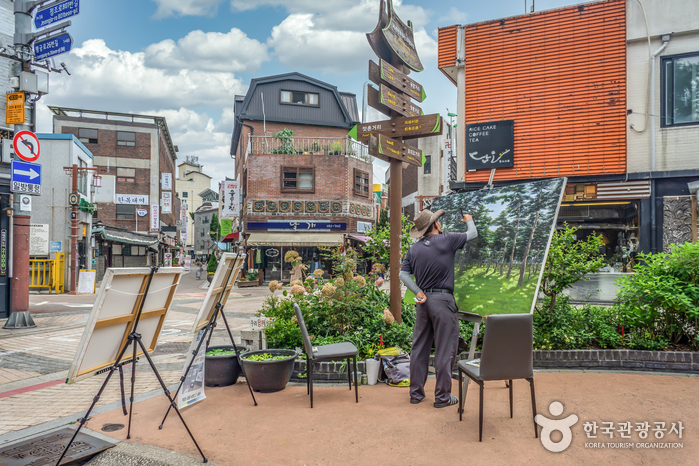
Suwon Workshop Street stretches from the plaza of Hwaseong Haenggung Palace to the Nammun Rodeo Youth Culture Performance Hall near Paldalmun Gate. The street is lined with workshops where artists display and sell their handmade crafts. Visitors can engage in various craft experiences, including woodcraft, hanji (traditional Korean paper) craft, ribbon craft, sewing, and metalworking, while also shopping for unique handmade items. In addition to the workshops, the street features Haenggung Sarangchae, a cozy spot for travelers to unwind, the Museum of Memories, and several charming cafés.
⊙ Hyowon’s Bell (효원의 종·서장대)
View detailed guide on Korea Trip Guide →
– Homepage
www.swcf.or.kr
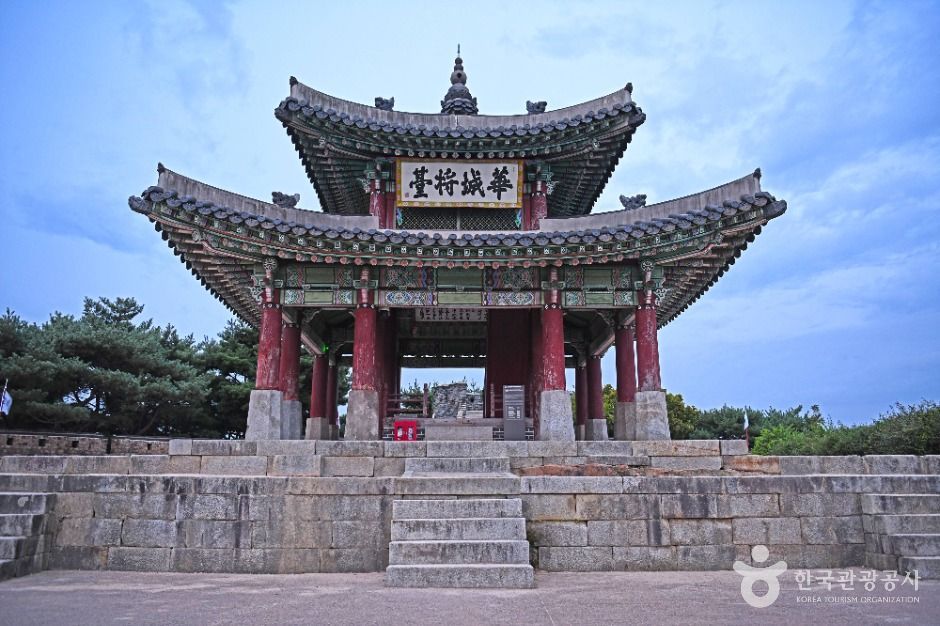
Hyowon’s Bell is located at the summit of Paldalsan Mountain. The bell was created to honor the filial devotion of King Jeongjo towards his father, Crown Prince Sado. The bell has various symbols representing the city of Suwon and its cultural assets. The bell is always rung three times- the first ring is in gratitude for the love of one’s parents, the second to hope for happiness in one’s family, and the third as a prayer for self-improvement.
![Lotte Mart – Pangyo Branch [Tax Refund Shop] (롯데마트 판교점)](https://ktrip.blogsailing.com/wp-content/uploads/2026/01/2881652_image2_1-768x576.jpg)
![Muji – Lotte Bundang Branch [Tax Refund Shop] (MUJI 롯데분당)](https://ktrip.blogsailing.com/wp-content/uploads/2026/01/2881746_image2_1-768x576.jpg)
![Vans [Tax Refund Shop] (반스)](https://ktrip.blogsailing.com/wp-content/uploads/2026/01/2881979_image2_1-768x432.jpg)
![Dailylike – Newcore Pyeongchon Branch [Tax Refund Shop] (데일리라이크 뉴코아 평촌)](https://ktrip.blogsailing.com/wp-content/uploads/2025/12/3313939_image2_1.jpg)
![Beanpole Men – Lotte Jungdong Branch [Tax Refund Shop] (빈폴 남성 롯데 중동점)](https://ktrip.blogsailing.com/wp-content/uploads/2025/12/2890166_image2_1-768x432.jpg)
![Toebox – Lotte Ansan Branch [Tax Refund Shop] (토박스 롯데안산)](https://ktrip.blogsailing.com/wp-content/uploads/2025/12/2882019_image2_1-768x432.jpg)