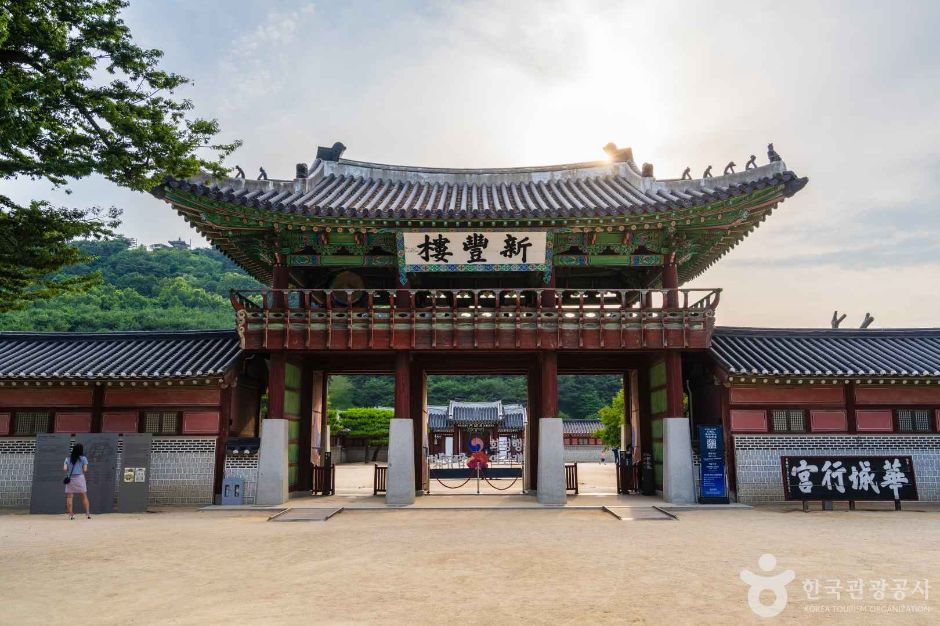
Temporary Palace at Hwaseong Fortress (Hwaseong Haenggung Palace) (화성행궁)
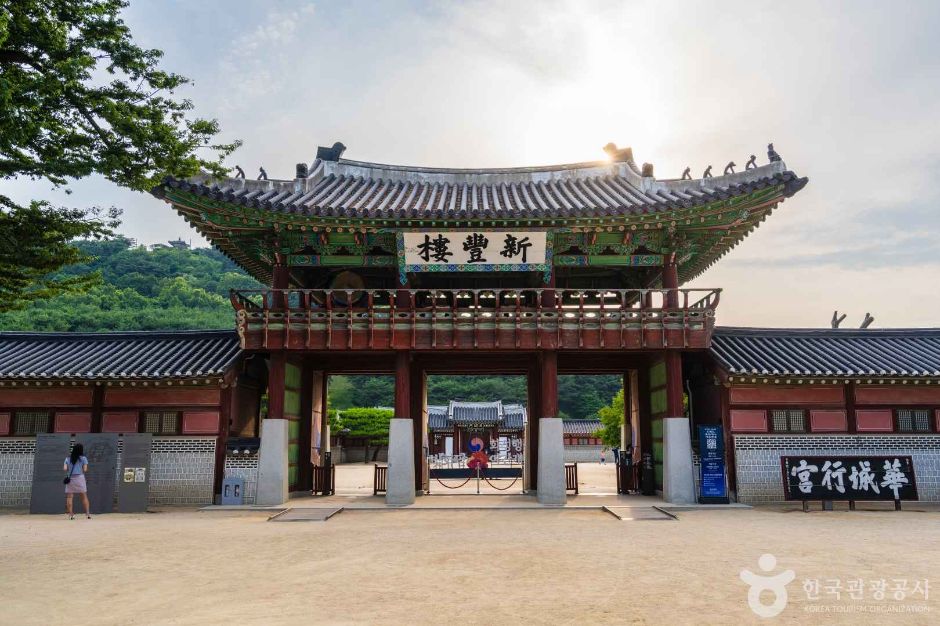
Temporary Palace at Hwaseong Fortress (Hwaseong Haenggung Palace) (화성행궁)
 – Homepage
www.suwon.go.kr
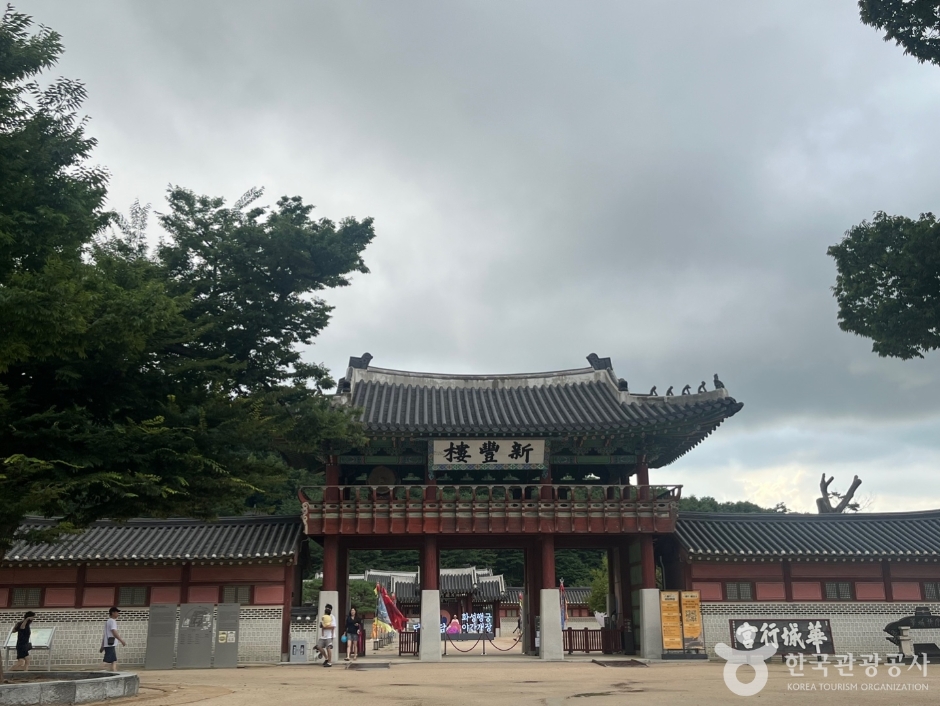
A haenggung is a temporary palace where the king and royal family retreated to during a war. Hwaseong Haenggung Palace is the largest one of these, used by the Joseon kings since the time of King Jeongjo (r. 1776-1800). In addition to being used as a shelter during war, King Jeongjo also stayed here during trips to worship at his father’s tomb. The palace was the location of a splendid feast held on the 60th birthday of his mother, Hyegyeonggung Hong, and many other events, including award certificates for successful candidates of special national exams. These days, the palace serves as a venue for many traditional cultural performances and activities.
– Address : 825 Jeongjo-ro, Paldal-gu, Suwon-si, Gyeonggi-do
※ Presentation Information
– Information and Guides
+82-31-228-4480
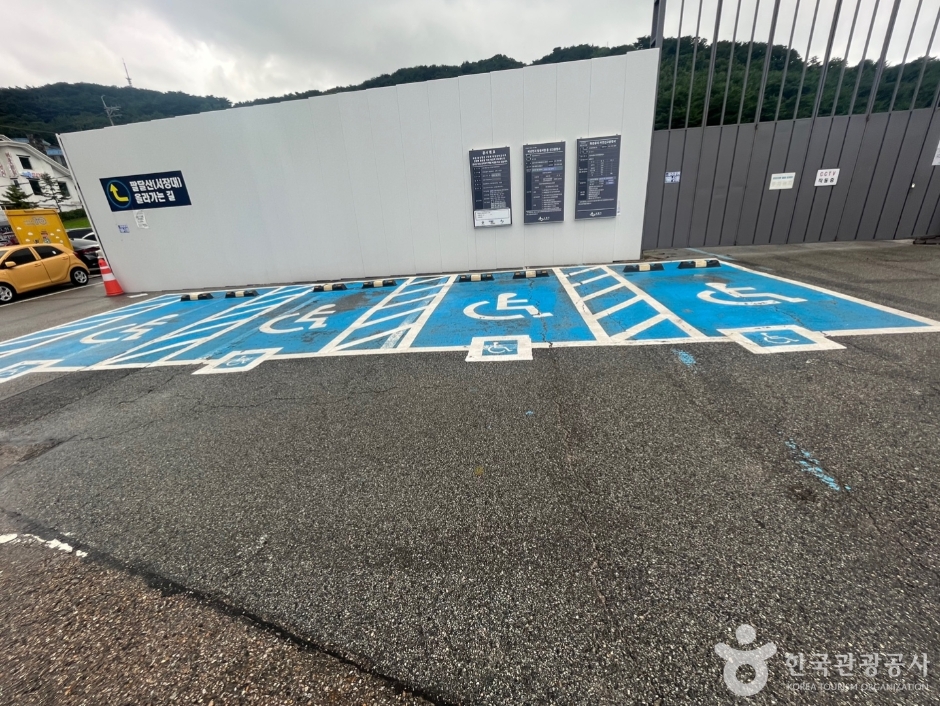
– Parking
Available
– Day Off
N/A (Open all year round)
– Operating Hours
March-October 09:00-18:00
November-February 09:00-17:00
– Film Locations
Dramas – “Moon Embracing the Sun (2012),” “Rooftop Prince (2012),” “Deep Rooted Tree (2011),” “The Princess’ Man (2011),” “Lee San, Wind of the Palace (2007),” “Insu, The Queen Mother (2011),” “Queen and I (2012),” “The King and I (2007)”
Film – “Masquerade (2012)”
– Parking Fees
One-time parking (30 min basis) – Small-sized vehicles 400 won
* 200 won charged for each additional 10 min
One-day parking (max charge) – Small-sized vehicles 7,000 won
* Large-sized vehicles can use the Yeonmudae Post Parking Lot
– Admission Fees
Individuals: Adults 2,000 won / Teenagers 1,500 won / Children 1,000 won
Groups: Adults 1,500 won / Teenagers 1,200 won / Children 800 won
* Group: 20 people or more
* Refer to the official website for more details
– Available Facilities
* Sinpungnu Pavilion, Bukgunyeong, Namgunyeong, Jipsacheong, Seoricheong, Bijangcheong, Jwaikmun Gate, Jungangmun Gate, Yuyeotaek, Boknaedang, Gyeongnyonggwan, Bongsudang, Jangnakdang, Mirohanjeong, Naknamheon, etc.
– Restrooms
Available
– Interpretation Services Offered
Guided tour in English, Japanese (Reservation required)
Audio guide rental




◎ Nearby Tourism Infobox
⊙ Suwon Museum of Art (수원시립미술관)

– Homepage
suma.suwon.go.kr
Suwon Museum of Art is a cultural and artistic space located in the plaza of Hwaseong Haenggung Palace in Suwon. The building, which embodies the harmony of modernity and nature, includes exhibition halls, a library, classrooms, and a cafeteria. It serves as a place where the spirit of Hwaseong meets contemporary art, offering high-quality exhibitions, immersive interactive displays, and unique showcases focusing on the Suwon region.
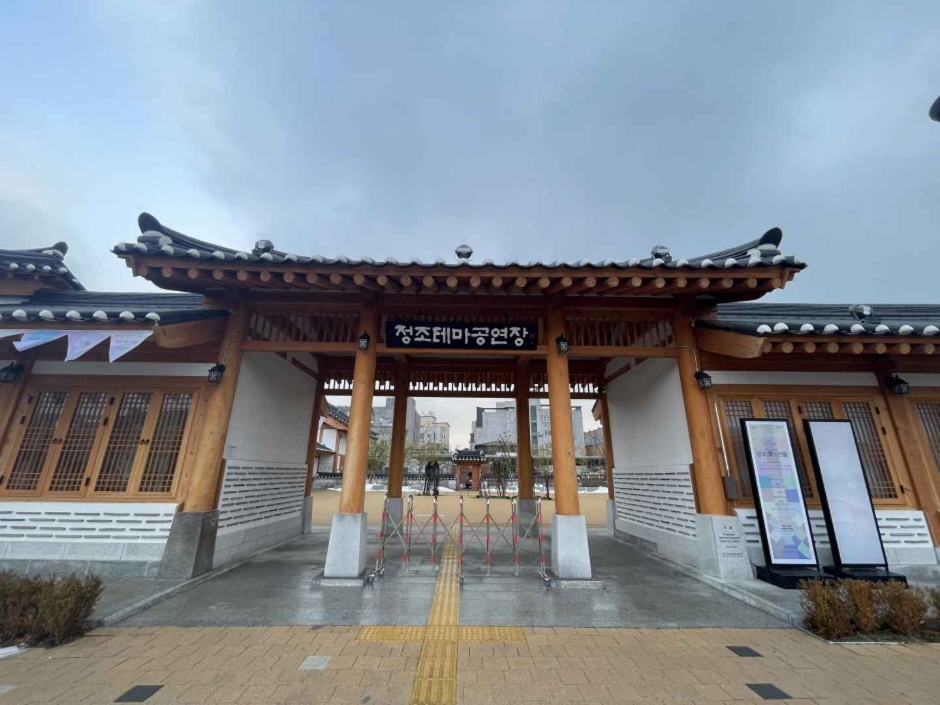
⊙ Jeongjo Theme Performance Hall (정조테마공연장)
– Homepage
www.swcf.or.kr
Jeongjo Theme Performance Hall is located in a hanok-style building just next to the Temporary Palace of Hwaseong Fortress in Suwon. The hall serves as venue to a range of performances, both traditional and modern, and is a great addition to family visits to the area.
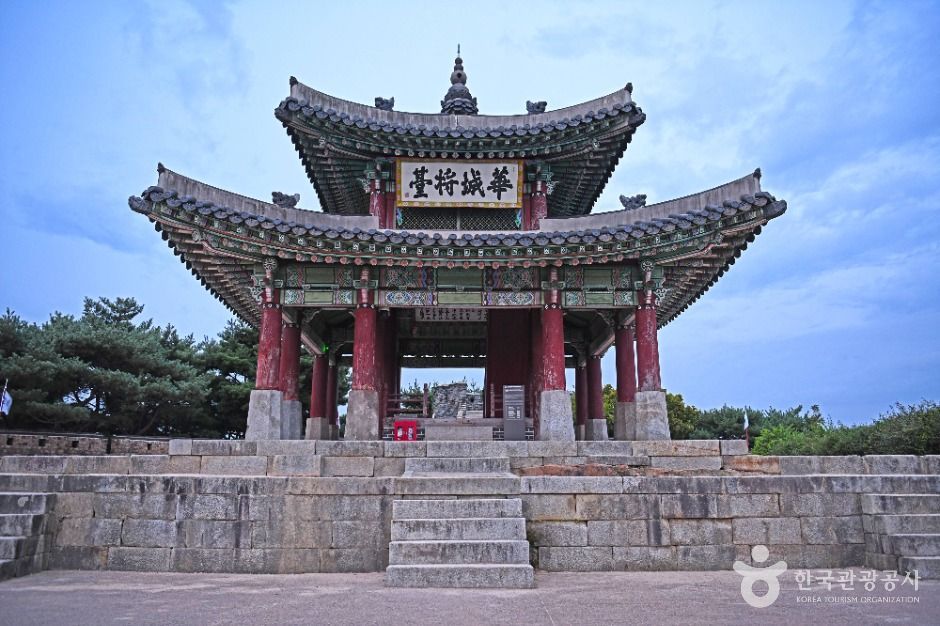
⊙ Hyowon’s Bell (효원의 종·서장대)
View detailed guide on Korea Trip Guide →
– Homepage
www.swcf.or.kr
Hyowon’s Bell is located at the summit of Paldalsan Mountain. The bell was created to honor the filial devotion of King Jeongjo towards his father, Crown Prince Sado. The bell has various symbols representing the city of Suwon and its cultural assets. The bell is always rung three times- the first ring is in gratitude for the love of one’s parents, the second to hope for happiness in one’s family, and the third as a prayer for self-improvement.
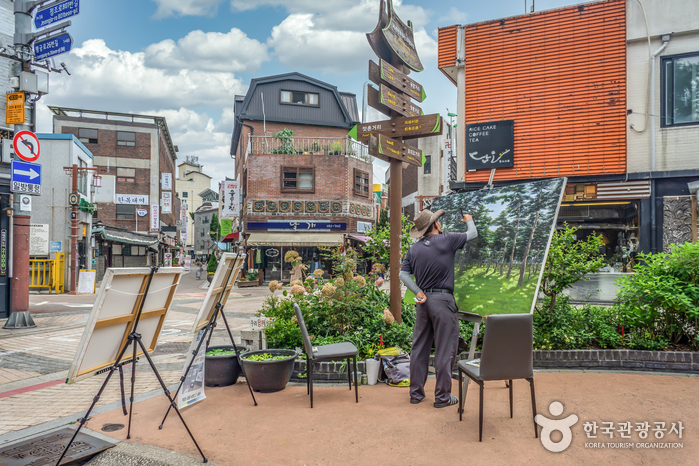
⊙ Suwon Workshop Street (수원 공방거리)
– Homepage
https://www.suwon.go.kr
Suwon Workshop Street stretches from the plaza of Hwaseong Haenggung Palace to the Nammun Rodeo Youth Culture Performance Hall near Paldalmun Gate. The street is lined with workshops where artists display and sell their handmade crafts. Visitors can engage in various craft experiences, including woodcraft, hanji (traditional Korean paper) craft, ribbon craft, sewing, and metalworking, while also shopping for unique handmade items. In addition to the workshops, the street features Haenggung Sarangchae, a cozy spot for travelers to unwind, the Museum of Memories, and several charming cafés.
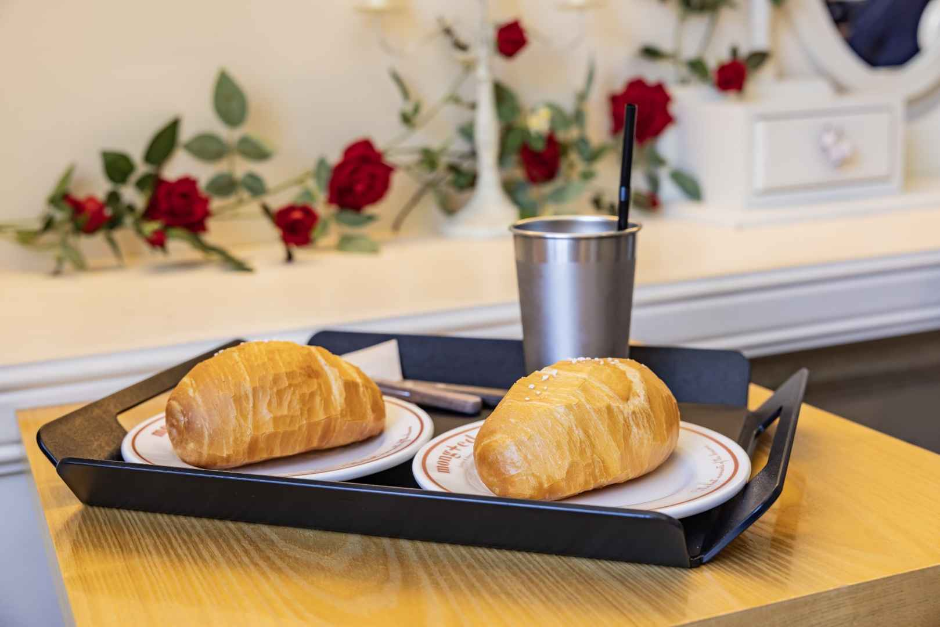
⊙ Mong Ted (몽테드)
– Homepage
https://www.instagram.com/__mongted
◎ Travel information to meet Hallyu’s charm – TV series “Lovely Runner”
Café Mong Ted appears as Sol’s house in the drama, with the blue-gate house across the alley as Sun-jae’s residence. Take a stroll down the alley, perhaps with a yellow umbrella, to feel like the characters in “Lovely Runner.”
⊙ Nostalgic Dalgona (추억의달고나)
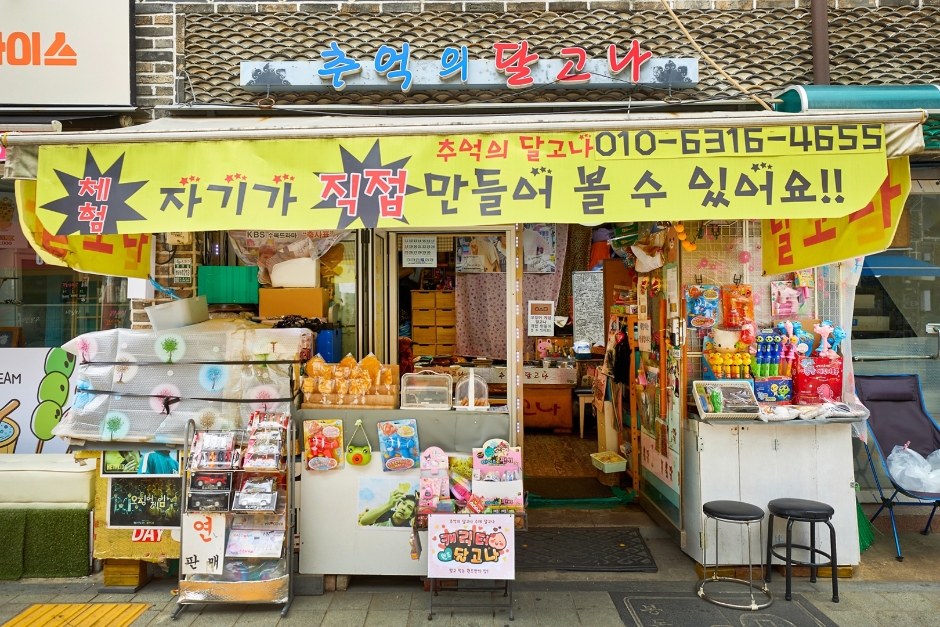
At Nostalgic Dalgona, visitors can make and eat dalgona, a snack that has become world-famous as it frequently appears in Korean content such as drama series like Netflix’s Squid Game and entertainment shows. The recipe requires using a ladle and heat to dissolve sugar mixed with a small amount of baking soda. Once dissolved, pour out the caramel-like mix onto a tray, then stamp the surface with a cookie cutter of a preferred shape, such as heart, animal figure, or umbrella. The process of tearing off the edges along the pattern like from the scene in Squid Game can be quite a challenge and fun at the same time.
⊙ Suwon Chicken Street (수원통닭거리)
View detailed guide on Korea Trip Guide →
– Homepage
www.suwon.go.kr
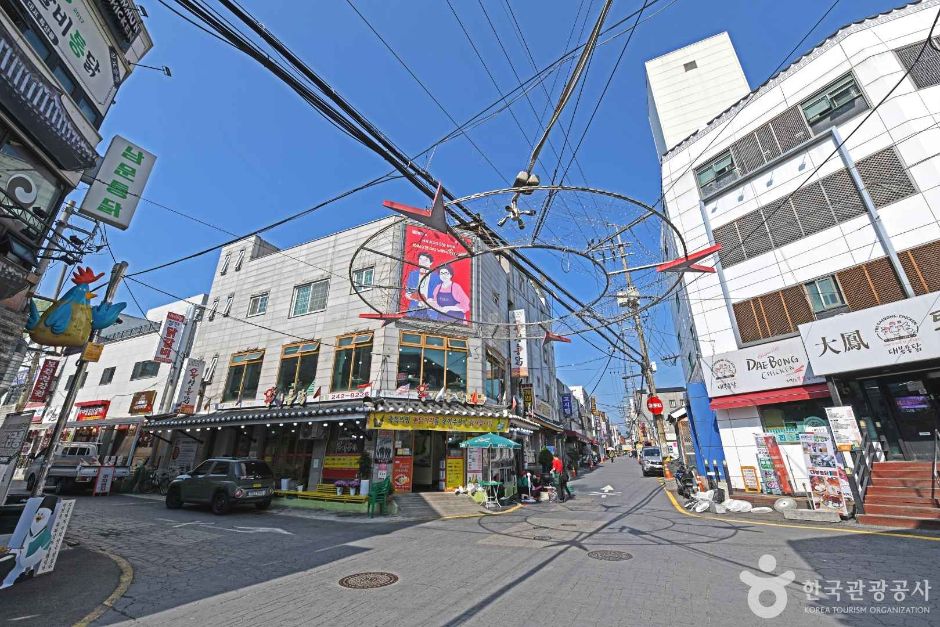
Suwon Chicken Street, located in a small 100 m-long alley on Paldal-ro, Paldal-gu, Suwon, is where about 11 stores, ranging from the original store that opened in 1970 to new ones, serve fried whole chicken. It is the tradition of Suwon Chicken Street to pour oil into a large cauldron and fry chicken. The menu only consists of fried chicken and seasoned fried chicken, but they are gaining popularity for their savory taste, different from those of famous chicken brands. In Suwon Chicken Street, you can meet the granny of “Maehyang Tongdak,” who has been selling fried chicken in Suwon Chicken Street since the 1970s using the chicken she raised in a chicken coop on a stall, as well as the famous “Yongseong Tongdak” and “Jinmi Tongdak” in this alley. The chicken price is low, so you don’t have to worry about it. Thanks to plentiful servings and unique taste, the shops on this street are crowded with customers from all over the country, including students, who come having heard of the place by word of mouth.
⊙ Suwon Hwaseong Museum (수원화성박물관)
– Homepage
hsmuseum.suwon.go.kr
– Tel
+82-31-228-4242
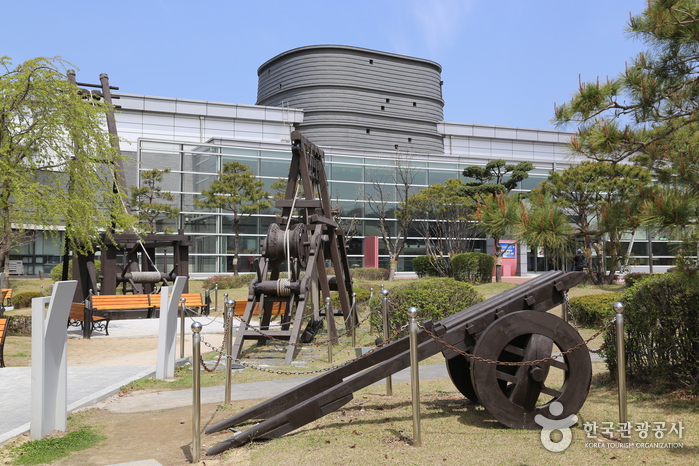
Suwon Hwaseong Museum presents the history and culture of Suwon Hwaseong Fortress, an important Korean cultural asset and UNESCO World Cultural Heritage Site. Visitors to the museum can learn about the formation of the fortress and the city of Suwon itself through detailed, systematically designed exhititions. The museum houses an extensive collection of items that showcase the construction and development of the fortress, as well as gatherings and events that took place within the fortress.
⊙ Haengnidan Street (행리단길)
Haengnidan Street is a stretch of approximately 612 meters from Hwahongmun Gate of Hwaseong Fortress to Hwaseo Park. The name Haengnidan Street originates from Haenggung-dong (Haenggung referring to the king’s temporary palace) and Gyeongnidan Street, a popular area in Itaewon, Seoul. This vibrant district seamlessly blends tradition and modernity, featuring a variety of unique restaurants, stylish cafés, concept stores, and exhibition spaces. It has become one of Suwon’s most iconic attractions.
![Artbox – Suwon Station Branch [Tax Refund Shop] (아트박스 수원역)](https://ktrip.blogsailing.com/wp-content/uploads/2026/01/2888078_image2_1-768x576.jpg)
![E-Mart – Icheon Branch [Tax Refund Shop] (이마트 이천)](https://ktrip.blogsailing.com/wp-content/uploads/2026/01/2888526_image2_1-768x576.jpg)
![Brooks Brothers – Shinsegae Siheung Branch [Tax Refund Shop] (브룩스브라더스 신세계 시흥점)](https://ktrip.blogsailing.com/wp-content/uploads/2026/01/2881976_image2_1.jpg)
![Lotte Himart – Byeongjeom Branch [Tax Refund Shop] (롯데하이마트 병점점)](https://ktrip.blogsailing.com/wp-content/uploads/2026/01/2882371_image2_1.jpg)
![Callaway – Lotte Outlets Paju Branch [Tax Refund Shop] (캘러웨이 롯데아울렛 파주점)](https://ktrip.blogsailing.com/wp-content/uploads/2026/01/2881229_image2_1.jpg)
3 Comments