Three Falls of Juwangsan Mountain (주왕산 1.2.3 폭포)
Three Falls of Juwangsan Mountain (주왕산 1.2.3 폭포)
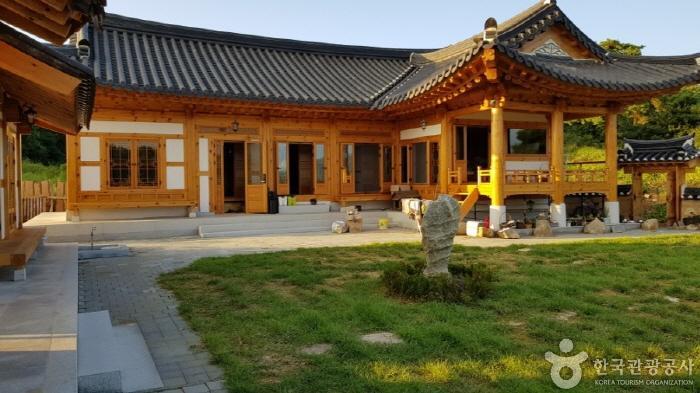
Above Haksodae Cliff in Juwangsan Mountain lie three enchanting waterfalls. The first of these falls goes by the name of Yongchupokpo Falls, where water gracefully meanders through a gorge, enveloped by encircling rocks. Roughly one kilometer further upstream, you’ll encounter Jeolgupokpo Falls, accompanied by the tranquil Seonnyeotang Pond below. To the left of Jeolgupokpo Falls stands the grandeur of Yongyeonpokpo Falls, the largest and most magnificent among them. Yongyeonpokpo Falls is also famously referred to as Ssangyongchupokpo Falls, denoting its two distinct torrents of water (‘ssang’ meaning ‘two,’ and ‘yongchu’ signifying ‘pond’ in Korean). A well-maintained trekking path welcomes visitors, allowing them to explore and ascend to witness these three falls, with a gentle incline that is easily traversed by visitors of all ages.
– Address : 24 Sangui-ri, Juwangsan-myeon, Cheongsong-gun, Gyeongsangbuk-do
※ Presentation Information
– Experience Guide
Not available
– Information and Guides
+82-54-870-5300
– Parking
Available
– Day Off
N/A (Open all year round) * Entry may be restricted during wildfire season or due to weather conditions.
– Operating Hours
Open 24 hr
– Available Facilities
Trails, information center, restrooms
– Admission Fees
Free


◎ Nearby Tourism Infobox
⊙ Daejeonsa Temple (대전사)
View detailed guide on Korea Trip Guide →
– Tel
+82-54-873-2908
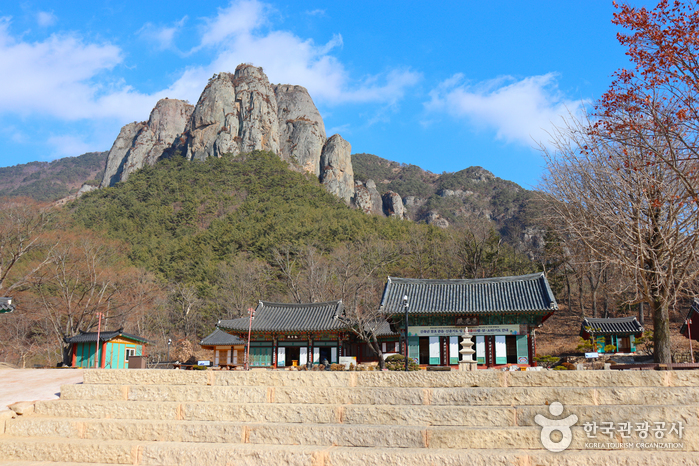
Daejeonsa Temple is said to have been built by Great Monk Uisang in the 12th year of King Munmu’s reign (672). It was rebuilt in the 13th year of King Hyeonjong’s reign (1672) after a fire destroyed the original temple complex during the Imjin War (1592-1598). During work to renovate Bogwangjeon Hall in 1976, a text that had been put up with the ridge beams was found. Bogwangjeon Hall is a small building and its ceiling is in the shape of a Chinese character that symbolize with the meaning “well” or “pavilion” that looks similar to the sharp(#) symbol. A Birojanabul Buddhist statue is enshrined in the hall.
⊙ Supullim (수풀림)
– Homepage
https://www.instagram.com/supullim_rattan
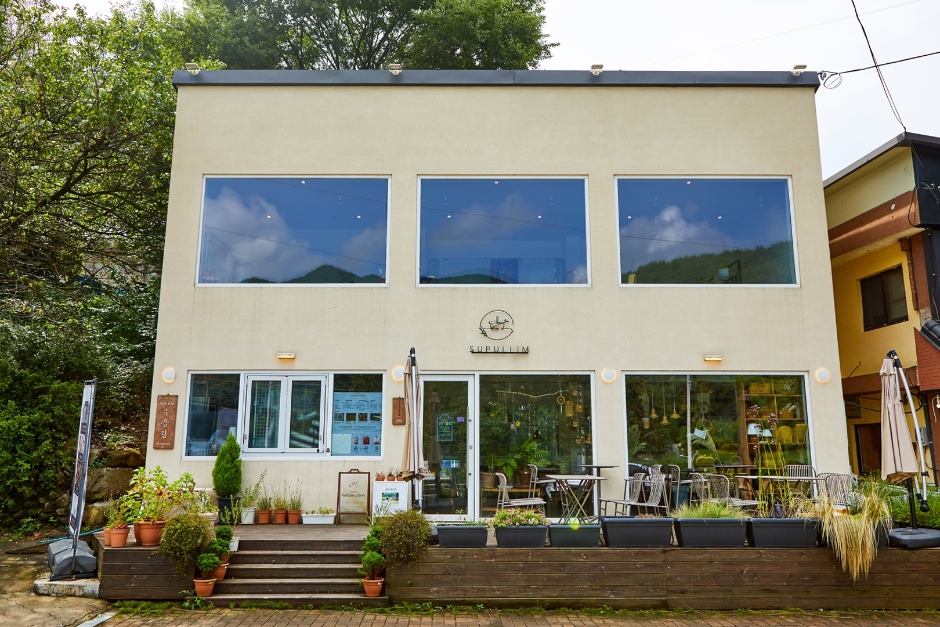
This café is located at the entrance of Juwangsan National Park and is also famous for its Juwangsan Mountain view. The view of Juwangsan Mountain is even better from the second floor. The signature menus here are handmade ssanghwacha (medicinal herb tea) and injeolmi patbingsu (shaved Ice with red beans and injeolmi). The café is a great place to stop by to enjoy the scenery of Juwangsan Mountain before or after the hike. This place also operates as a rattan workshop, showcasing and selling handmade rattan items.
⊙ Juwangsan National Park (주왕산국립공원)
– Homepage
juwang.knps.or.kr
– Tel
+82-54-870-5300
Juwangsan Mountain (alt. 720.6 m) is located in the Baekdudaegan Mountain Range, the backbone of the Korean peninsula. The mountain features deep valleys and many sheer rock cliffs to make it the third-largest rocky mountain in the country. Juwangsan Mountain was recognized as a tourist attraction on May 30, 1972, and became the 12th national park a few years later on March 30, 1976. The park is relatively small, filling in an area of just 105.582 ㎢ but it is great for a leisure walk with walking trails along the valleys up to waterfalls.
Juwangsan Mountain was called Seokbyeongsan Mountain during the Silla dynasty due to the many stone peaks jutting out but has been called Juwangsan Mountain since the Unified Silla period. In addition to these tall rocky peaks, Juwangsan National Park also includes four waterfalls, caves, Daejeonsa Temple, and other attractions for a comprehensive tourist site.
![E-Mart – Gimcheon Branch [Tax Refund Shop] (이마트 김천)](https://ktrip.blogsailing.com/wp-content/uploads/2025/12/2883794_image2_1-768x576.jpg)