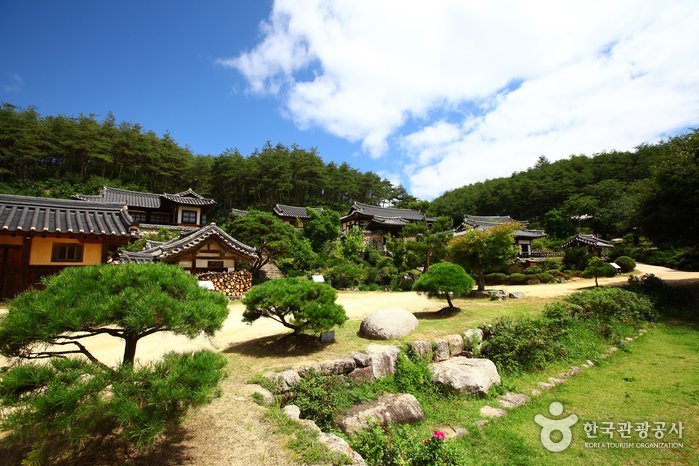
Andong Gunja Village (Ocheon Historic Site) (안동 군자마을(오천유적지))
Andong Gunja Village (Ocheon Historic Site) (안동 군자마을(오천유적지))
 – Homepage
http://www.gunjari.net/
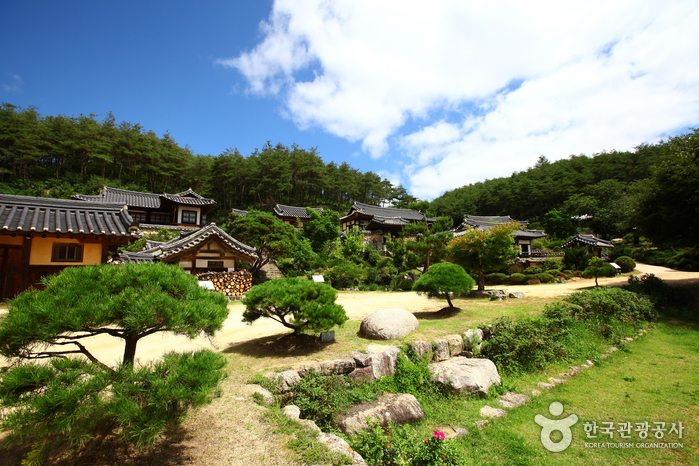
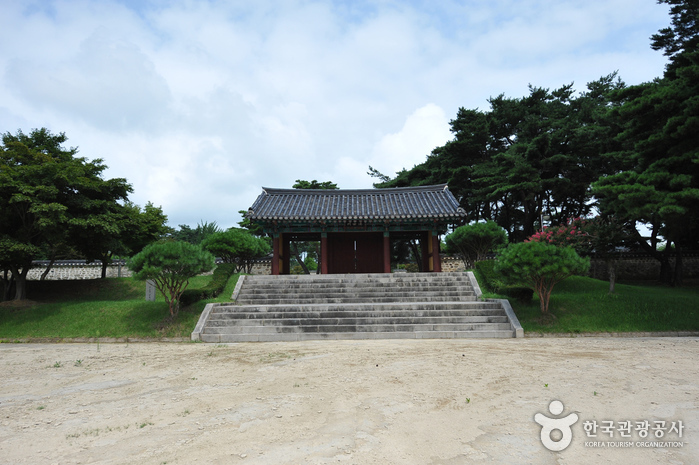
Andong Gunja Village is a cluster of around twenty hanok. During the Joseon dynasty, this area produced many scholars, hence earning the name Gunja Village, meaning a village where many learned scholars reside. Designated cultural heritage sites include Takcheongjeong Historic House, and Shrine of the Gwangsan Kim Clan. Visitors can experience hanok stay, immersing themselves in the ambiance of historic houses and traditional customs.
◎ Travel information discovering the charm of Hallyu – Drama
Hwawonjae is the place where the story begins, as Gu San-yeong inherits her father’s hair ribbon heirloom. Hujodang Head House in Andong Gunjamaeul Village, which was used as the filming location for Hwawonjae, is a traditional house with over 600 years of history. It is recommended to experience the traditional beauty of Korea and enjoy a stay in this historic house, located in a village that has been home to families for over 20 generations.
– Address : 29 Gunjari-gil, Waryong-myeon, Andong-si, Gyeongsangbuk-do
※ Presentation Information
– Experience Guide
Historic house experience
– Information and Guides
Andong Gunja Village: +82-54-852-5414, +82-10-2715-2177
– Parking
Available
– Day Off
N/A (Open all year round)
– Operating Hours
10:00-17:00


◎ Nearby Tourism Infobox
⊙ Andong Gunja Village (안동 군자마을)
View detailed guide on Korea Trip Guide →
– Homepage
http://www.gunjari.net/
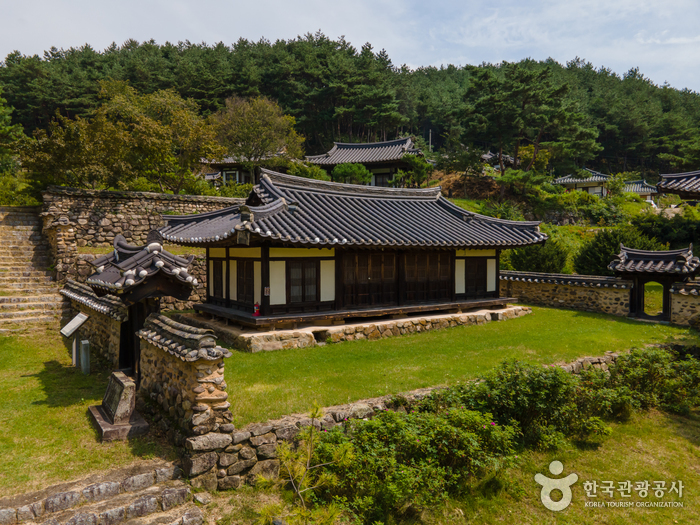
Andong Gunja Village, established 600 years ago, was relocated 2 kilometers from its original site due to submergence during the construction of Andong Dam. The village’s tradtional houses and pavilions were meticulously moved to preserve their historic value. Known as Gunja Village, it derives its name from a remark by the Joseon-era civil servant Jeong Gu, who noted, “There is no one in the village who is not a Gunja (gentleman)”. The village is home to over 20 ancient houses, including the Hujodang Head House and Takcheongjeong Pavilion, maintained in their original state. Moreover, the village archives over 1,000 documents detailing adoption, property ownership, and labor distribution.
One Comment