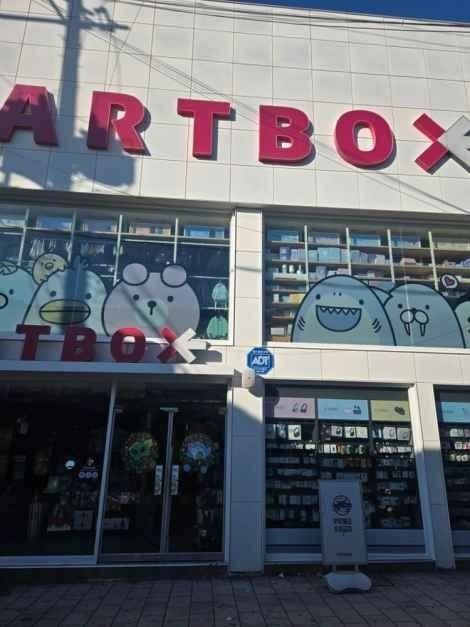
Artbox – Gyeongju Branch [Tax Refund Shop](아트박스 경주점)
Artbox – Gyeongju Branch [Tax Refund Shop](아트박스 경주점)
 ARTBOX is a Korean lifestyle brand offering well-designed stationery and a wide range of creative goods. With trendy character items and practical everyday products at accessible prices, it delivers a fun, engaging shopping experience for younger shoppers and international visitors.
– Address : 89, Gyerim-ro, Gyeongju-si, Gyeongsangbuk-do
※ Presentation Information
– Fair Day
Monday – Sunday
– Information and Guides
0507-1442-0792
– Opening Hours
10:30~22:00
– Day Off
Seollal (Lunar New Year’s Day) & Chuseok (Korean Thanksgiving Day) holidays
– Parking
Not available
– Restroom
Not available
– Items for Sale
Stationery / toys / recreational goods
– Shop Guide
Refund method (Time-frame) : Claim for refund
◎ Nearby Tourism Infobox
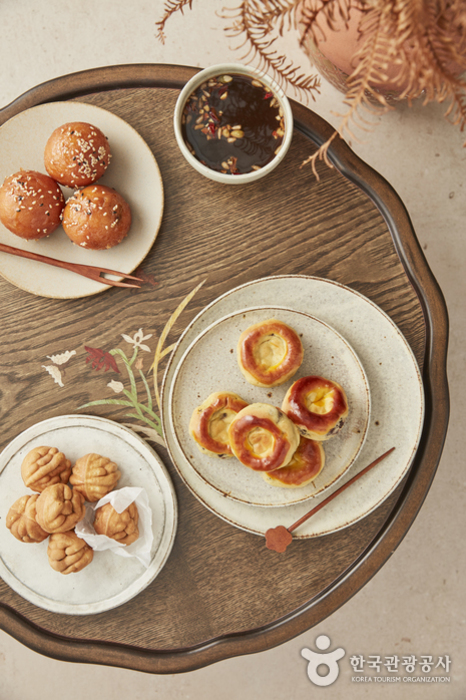
⊙ Hwangnambbang (황남빵)
View detailed guide on Korea Trip Guide →
– Homepage
www.hwangnam.com
Hwangnamppang, which literally means Hwangnam bread, was created in Hwangnam-dong, Gyeongju, in 1939, and the name was popularized among people who came to Gyeongju to buy this bread. Now branded as “Hwangnambbang,” the late Choi Yeong-hwa, the founder of Hwangnam Bread, was a scion of the Gyeongju Choi family who came up with this masterpiece when he was 21 years old after much trial and error. Choi’s creation is based on the tradition of rice cakes and bread made with sweet red beans, passed down throughout the generations in his family. Even today, 80 years after the creation of the bread, it is only flavored with red beans. Another defining feature of Hwangnambbang is the delicate comb pattern inspired by the aesthetics of the Silla period.
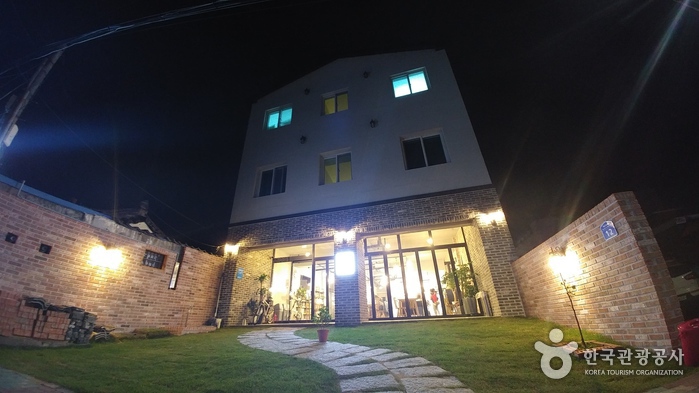
⊙ ALLEY HOSTEL & GUESTHOUSE (앨리게스트하우스)
View detailed guide on Korea Trip Guide →
– Homepage
https://alleyhostel.modoo.at
The Alley Guest House in central Gyeongju, Gyeongsangbuk-do, is a 3-minute walk from Gyeongju Station, and is popular with hikers. Guestrooms range from single and twin rooms to family rooms and dormitories with bunk beds. There’s no parking lot, but parking can be arranged for family room customers. All rooms have AC, a bathroom and shower, and lockable doors. A simple free breakfast and a luggage storage service are provided. Nearby must-see places include Daereungwon, Cheomseongdae, Donggung Palace and Wolji Pond.
⊙ Neungpo Dawon (능포다원)
View detailed guide on Korea Trip Guide →
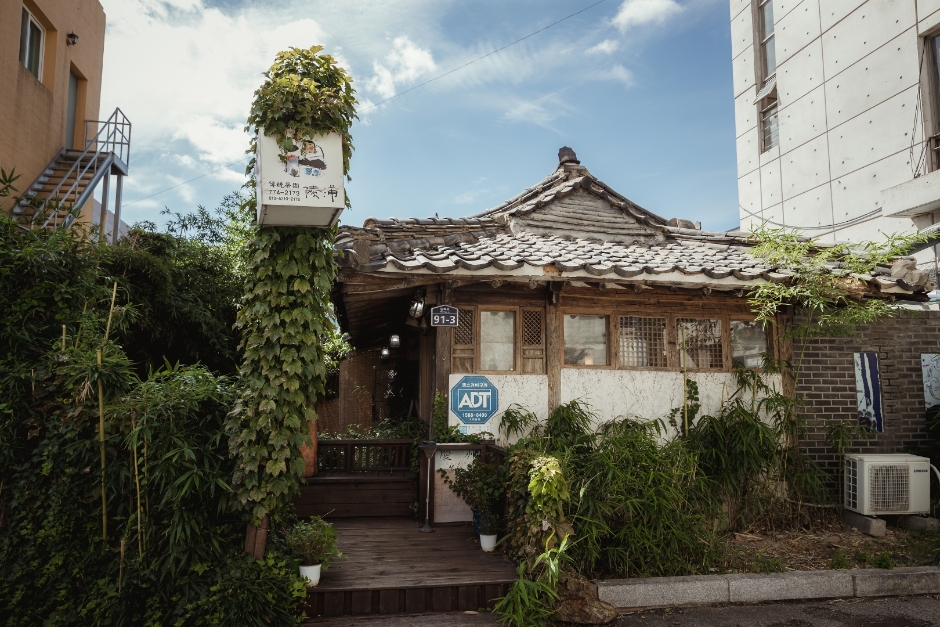
A traditional Hanok tea house subtly nestled among buildings. It served as the filming location for the traditional tea house “Arisol” managed by Gong Yoon-hee in the movie “Gyeongju.” The tea, brewed by the owner, boasts a rich flavor. The painting “Chunhwa” that served as the movie’s motif is a work by the husband of the tea house owner. Various artworks, starting with “Chunhwa,” are displayed throughout the tea house.
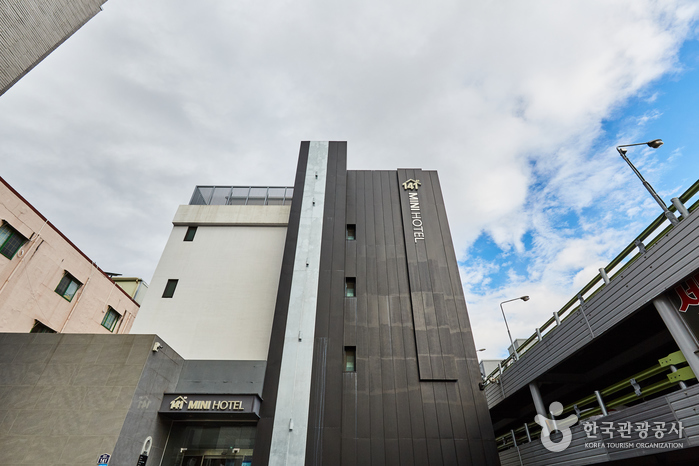
⊙ 141MINIHOTEL (141미니호텔)
View detailed guide on Korea Trip Guide →
– Homepage
http://www.141minihotel.com
The 141 Mini Hotel is in Gyeongju, Gyeongsangbuk-do – capital of the ancient Silla kingdom and often described as ‘a museum without walls’. The hotel caters to both holiday and business travelers, and hotel facilities include a book cafe, gallery, board game room, and business center, so visitors enjoy hotel-level convenience at motel-level prices. Gyeongju Station and Gyeongju Express Bus Terminal are just 5 minutes and 10 minutes away respectively; while tourist sites such as Daereungwon Tomb Complex, Donggung Palace and Wolji Pond, Cheomseongdae, and Bulguksa Temple are all nearby.
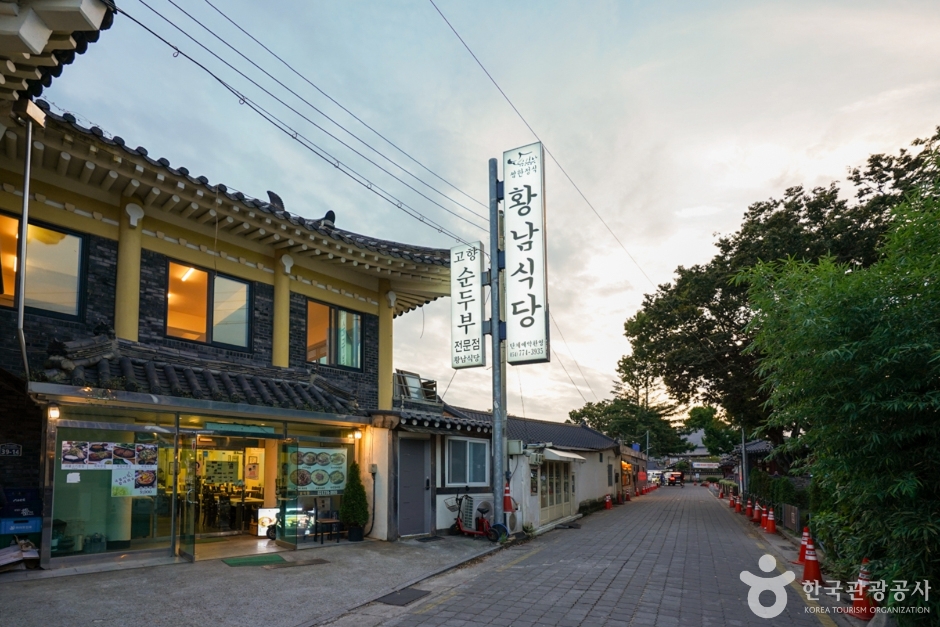
⊙ Gyeongju Ssambap Street (경주 쌈밥거리)
View detailed guide on Korea Trip Guide →
– Homepage
www.gyeongju.go.kr
Gyeongju Ssambap Street, developed around the Daereungwon Ancient Tomb Complex in Gyeongju, offers a diverse culinary experience. A highlight is ssambap (leaf wraps and rice), a dish featuring fresh vegetables accompanied by substantial side dishes like fish, meat, and doenjang jjigae (soybean paste jjigae) made from homemade soybean paste. Additionally, this street presents a variety of snacks, including Hwangnam ppang (Hwangnam bread) prepared with red beans and flour, and jjondeugi, a traditional chewy snack made from cornmeal and sugar. Nearby attractions include the Cheomseongdae Observatory, Donggung Palace and Wolji Pond, Woljeonggyo Bridge, and the Gyeongju National Museum.
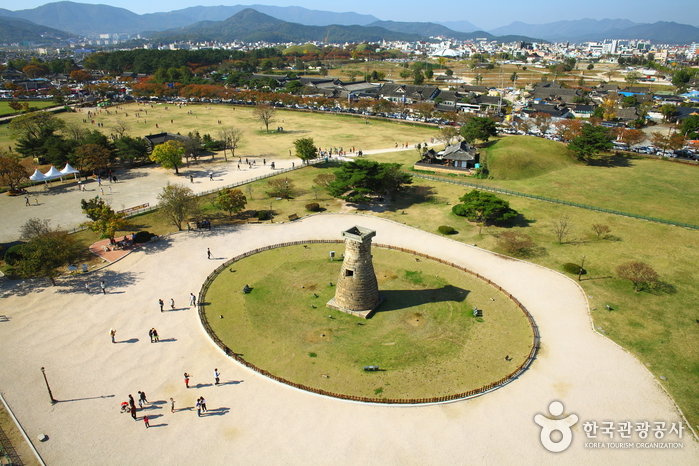
⊙ Gyeongju Historic Area [UNESCO World Heritage] (경주역사유적지구 [유네스코 세계문화유산])
View detailed guide on Korea Trip Guide →
– Homepage
www.gyeongju.go.kr
The Gyeongju Historic Area, registered as a UNESCO World Cultural Heritage on November 2000, is an area that embodies the time-honored history and culture of Gyeongju, the ancient capital of the Silla Kingdom (57 BC-AD 935).
The Gyeongju Historic Area can be divided into 5 major sections. The first section is the Namsan Area, a treasure trove of Buddhist art masterpieces dating back to the Silla Kingdom. Gyeongju Namsan Mountain (often referred to as an ‘outdoor museum’) is home to many historical heritage sites from the Silla Kingdom. Major attractions include: Poseokjeong Pavilion Site (Historic Site), Rock-carved Buddhas in Tapgok Valley (Treasure), Three-story Stone Pagoda in Cheollyongsa Temple Site (Treasure), Rock-carved Buddhas at Chilburam Hermitage (Treasure), Rock-carved Seated Buddha in Bulgok Valley (Treasure), and 37 other Buddhist relics
The second section is the Wolseong Area, one of the former palace sites of the Silla Kingdom. The area consists of Gyerim Forest (Historic Site); Donggung Palace and Wolji Pond (Historic Site), a Silla Royal Palace site; and Cheomseongdae Observatory (National Treasure), the oldest observatory in Asia.
Daereungwon Ancient Tomb Complex, the third area, features a cluster of the royal graves of the kings and queens of Silla. Also in the same area are Ancient Tombs in Nodong-ri (Historic Site), Ancient Tombs in Noseo-ri (Historic Site), Ancient Tombs in Hwangnam-ri (Historic Site), and Five Royal Tombs (Historic Site), among others. Archaeologists have discovered a number of invaluable relics and historic items in this area such as Geumgwan (golden crown), Cheonmado (a painting of flying horses), and numerous pottery pieces. These finds are perhaps the greatest clues into the life of the people of the Silla dynasty.
Area number four, the Hwangnyongsa Temple Site, is where the former site of the Hwangnyongsa Temple (Historic Site) and Bunhwangsa Stone Pagoda are located. Last is the Sanseong Area, housing remnants of the major defense system for the capital city. The site consists of Myeonghwalsanseong Fortress (Historic Site) which is estimated to be around 400 years old.
The Gyeongju Historic Area has a total of 52 designated cultural assets that are registered as World Cultural Heritages.
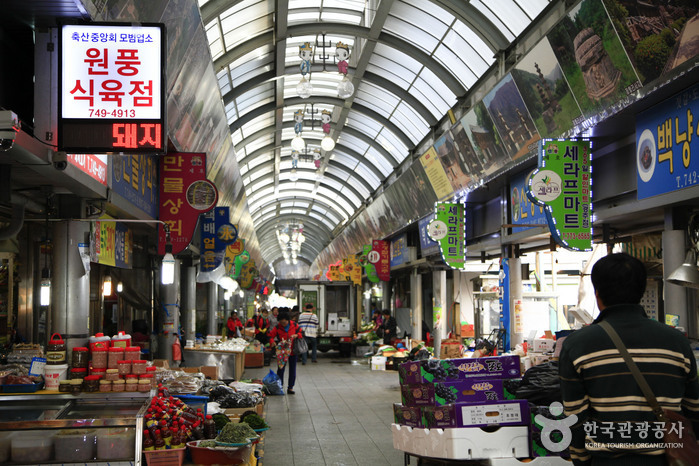
⊙ Gyeongju Seongdong Market (경주 성동시장)
View detailed guide on Korea Trip Guide →
– Homepage
gyeongju.go.kr
Gyeongju Seongdong Market has approximately 300 stores and 30 vendors. The market as found its place as the city’s representative local marketplace since its opening in 1971. Following a decline of customers due to the public’s steadily increasing preference of supermarkets, Gyeongju Seongdong Market underwent a huge renovation in the recent past. From floorings to ceilings, and alleyways and walls, the market received a new look that emphasizes Gyeongju’s historical significance to attract travelers and the local community alike.
⊙ Cheonmachong Tomb (Daereungwon Ancient Tombs) (천마총(대릉원))
View detailed guide on Korea Trip Guide →
– Homepage
www.gyeongju.go.kr
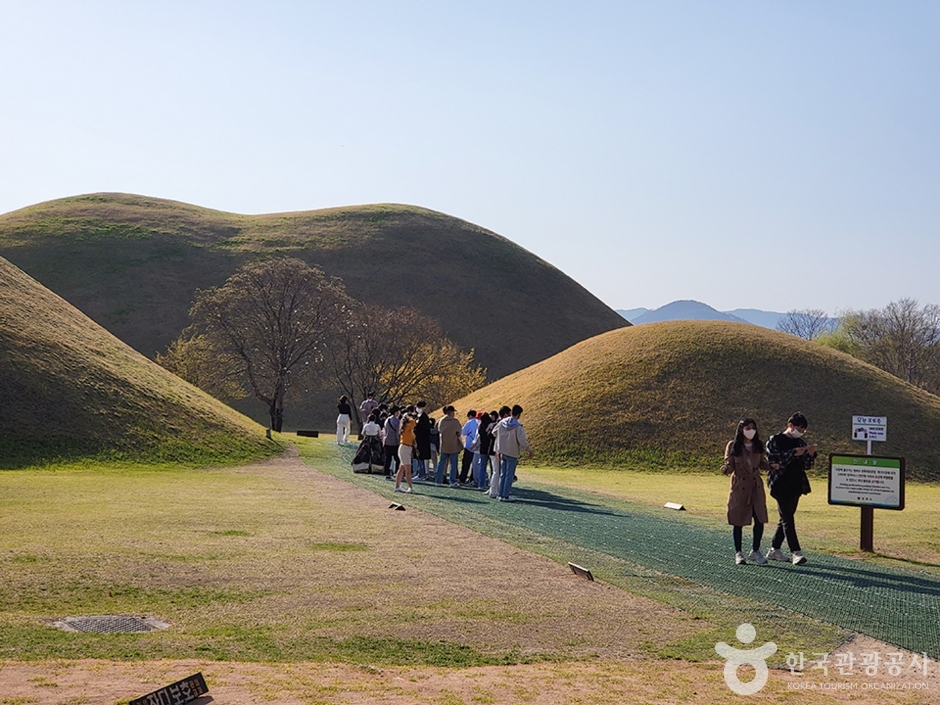
Daereungwon Ancient Tombs are one of the most well-known sights in Gyeongju, a history park home to 23 small and large ancient tombs. The area is dotted with tranquil trails among the tombs like the largest tomb in Hwangnam-dong, Hwangnamdaechong Tomb; Cheonmachong Tomb, the place where Cheonmado, a saddle flap painting, was excavated from; and the tomb of King Michu, nicknamed the “Tomb of the Bamboo Warrior.”
Cheonmachong Tomb, excavated in 1973, has a x_height of 12.7 meters and a diameter of 50 meters. Its excavation unearthed many artifacts, such as the famous Gold Crown from Cheonmachong Tomb. Its name comes from Cheonmado, a mudguard saddle flap with a painting of a heavenly horse. Cheonmachong Tomb is the only tomb in the Daereungwon Ancient Tombs to be opened to the public.
The tomb is thought to have been constructed between the late 5th century and early 6th century. Artifacts excavated from the tomb include a gold crown, gold cap, gold waist belt, gold diadem, and gilt-bronze shoes worn by the buried. The gold crown, in particular, is known as the largest and the most elaborate of all gold crowns unearthed in Korea. The artifacts themselves can be found in Gyeongju National Museum, so don’t miss the chance to see them in person.
Another must-visit site is the Daereungwon Magnolia Photo Area, a lone magnolia tree standing between the beautiful curves of ancient tombs.
⊙ Gyeongju Hwangnidan Street (경주 황리단길)
View detailed guide on Korea Trip Guide →
– Homepage
www.gyeongju.go.kr
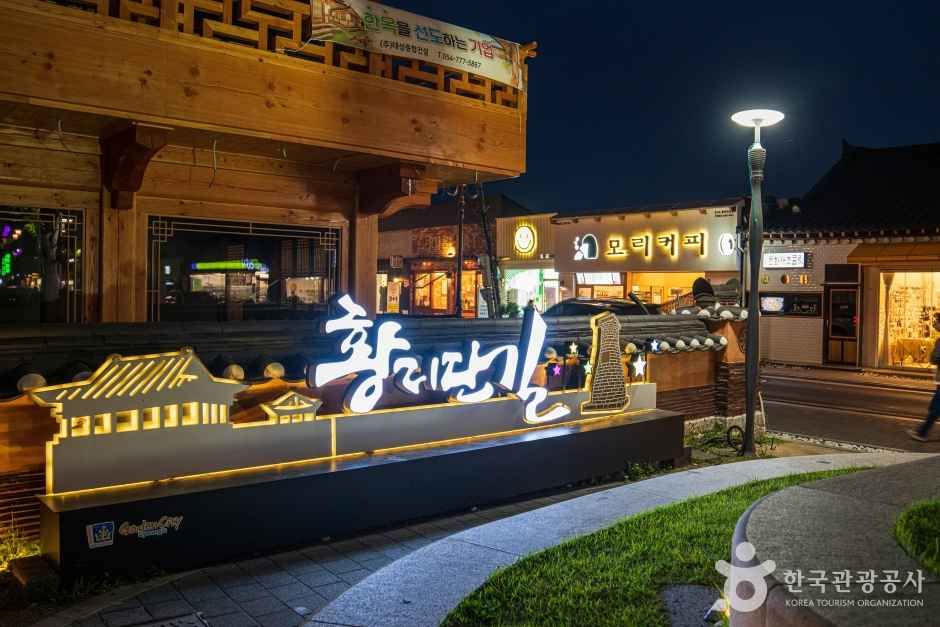
Hwangnidan Street was originally known as “Hwangnam Keungil” near Poseok-ro, Hwangnam-dong. Its name comes from the combination of Hwangnam-dong and Gyeongnidan Street in Itaewon, Seoul, meaning the “Gyeongnidan Street of Hwangnam-dong.” The street is home to numerous restaurants, cafes, photo studios, and shops housed in traditional hanok buildings, making it popular among the younger generations in Korea. The street also demonstrates newtro aesthetics due to the remaining old and worn buildings built during the 1960s and the ’70s. Hwangnidan Street is near Cheomseongdae Observatory, Daereungwon Ancient Tombs, and other major tourist sites, allowing the street to become a popular Gyeongju attraction as well.
⊙ Gyeongju Jungang Market (경주 중앙시장)
View detailed guide on Korea Trip Guide →
– Homepage
www.gjcentermarket.com
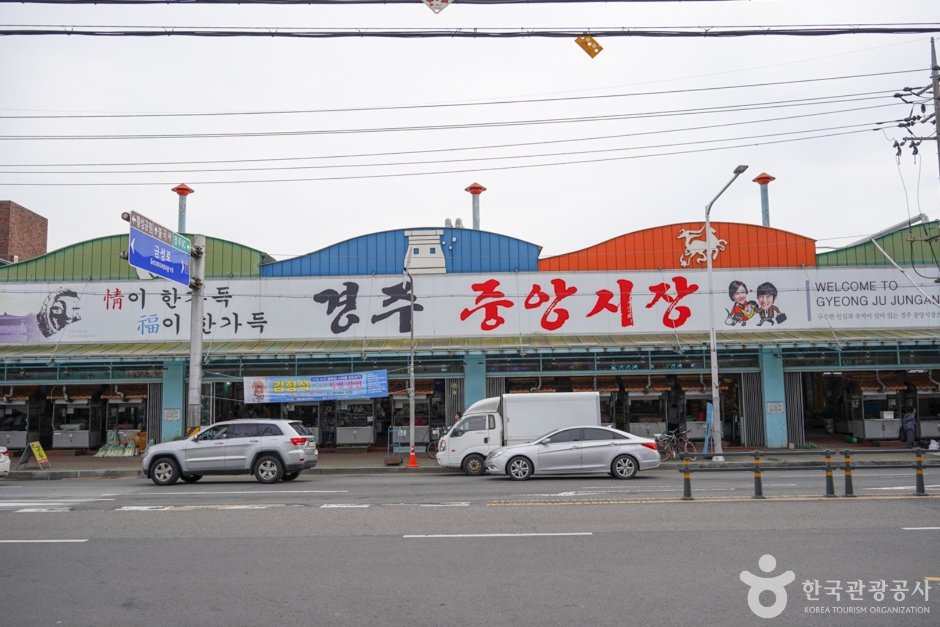
Opened in 1983, Gyeongju Jungang Market is the main marketplace for Gyeongju locals. Nearly 700 stores selling clothing, oils, rice cakes, vegetables, general goods, and meat operate with some 2,000 vendors. The market is open nearly every day, with the busiest days being those ending in a 2 or 7. The night market, open from Thursday to Sunday, is especially popular among both tourists and locals.
](https://ktrip.blogsailing.com/wp-content/uploads/2026/06/4043879_image2_1.jpg)
One Comment