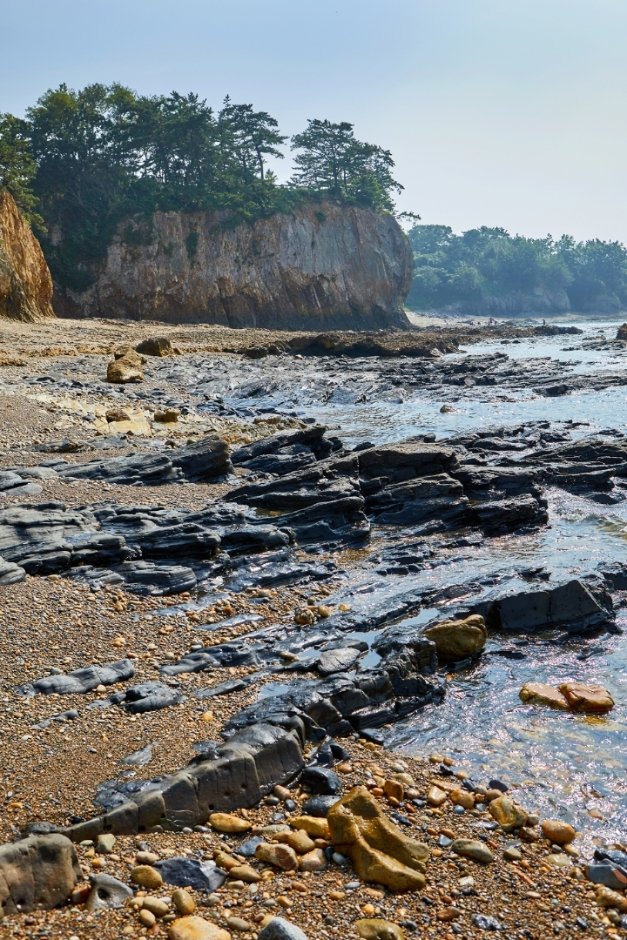
Chaeseokgang Cliff (Jeonbuk National Geopark) (채석강 (전북 서해안권 국가지질공원))
Chaeseokgang Cliff (Jeonbuk National Geopark) (채석강 (전북 서해안권 국가지질공원))
 – Homepage
http://www.jwcgeopark.kr
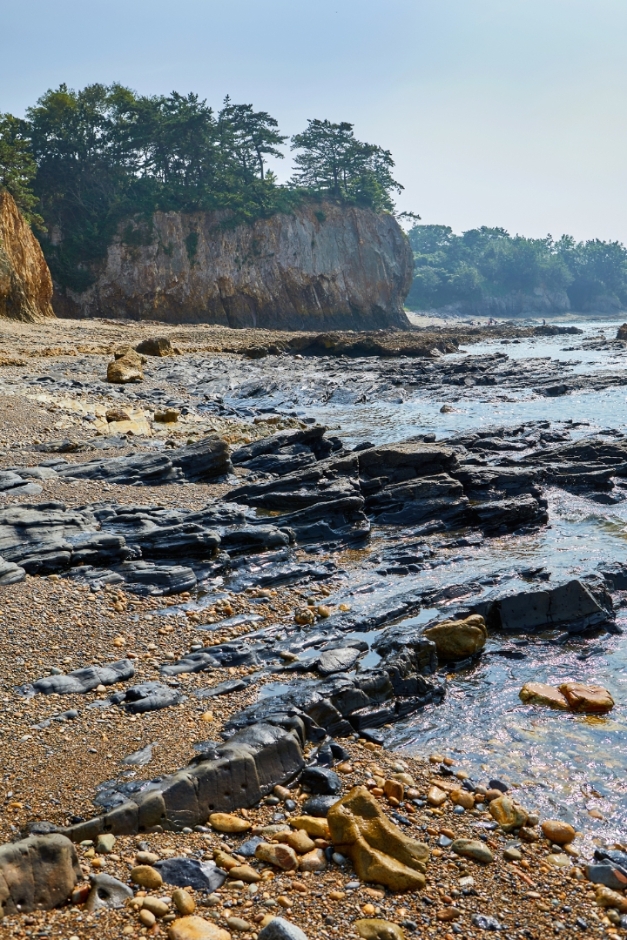
Chaeseokgang Cliff refers to a rocky cliff and the sea around it near the Gyeokpohang Port and Dagibong areas on Byeonsanbando Peninsula. The name Chaeseokgang was adapted as it resembles an attraction of the same name in China. Chaeseokgang Cliff was formed from many layers of rocks stratified by the sea, and the blue sea and the rock cliffs together create quite a lovely picture. It is nature’s masterpiece of stratification, and visitors can observe interesting structures and shapes that cannot be seen elsewhere.
◎ Travel information discovering the charm of Hallyu – Drama
At the beginning of the drama, Ban Ji-eum, with memories of her past lives gradually resurfacing, walks along coastal cliffs and sea caves. The sedimentary rock formations, formed during the Cretaceous period of the Mesozoic Era around 70 million years ago, evoke the vast passage of time she has endured.
– Address : 1, Byeonsanhaebyeon-ro, Byeonsan-myeon, Buan-gun, Jeonbuk-do
※ Presentation Information
– Information and Guides
+82-63-582-7808
– Parking
Available
– Day Off
N/A (Open throughout the year)
– Operating Hours
Open 24 hr


◎ Nearby Tourism Infobox
⊙ Gyeokpo Beach (격포해변)
View detailed guide on Korea Trip Guide →
– Homepage
byeonsan.knps.or.kr
www.buan.go.kr
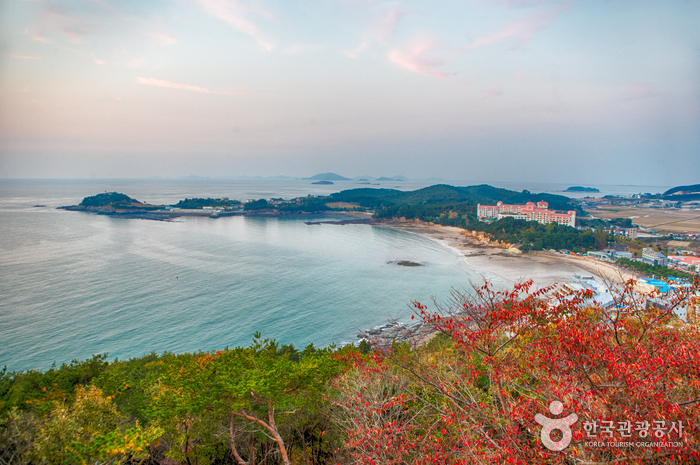
Gyeokpo Beach, located near Chaeseokgang River, is also called Chaeseokgang Beach. The beach is more famous for the view of Chaeseokgang River and the sunset over the west sea. The beach get popular in summer, full of visitors enjoying the scenery and water activities. Known for its clear waters and gentle slope, the 500 meter long white sand beach is especially popular among families. The pine forest around the beach provides a perfect rest area for those looking for a shade. There are also many accommodations and restaurants nearby.
⊙ Sono Belle Byeonsan Ocean Play (소노벨 변산 오션플레이)
View detailed guide on Korea Trip Guide →
– Homepage
www.sonohotelsresorts.com/bs
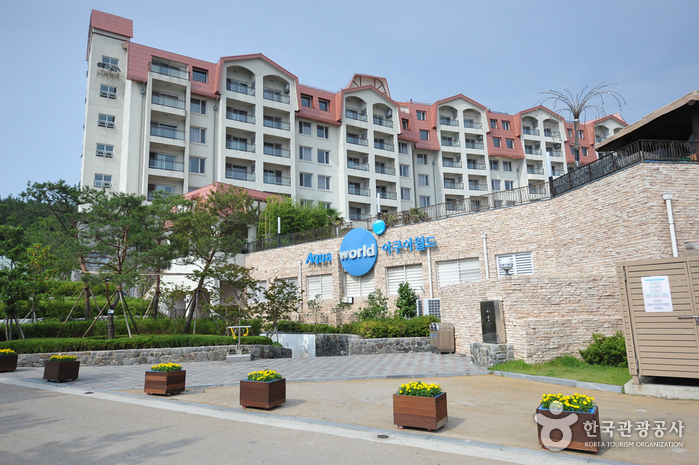
Sono Belle Byeonsan Ocean Play is located next to Gyeokpo Beach on Byeonsan Peninsula. This luxurious resort is patterned after Normandy Beach and its European-style architecture. With an ocean view throughout the facility, the water park provides guests with various entertainments including an indoor pool, outdoor wave pool, waterslides, baths, sauna and more.
⊙ Sono Belle Byeonsan (소노벨 변산(구 대명리조트 변산))
View detailed guide on Korea Trip Guide →
Sono Belle Byeonsan offers an amazing view of the sunset over the west sea. The family-oriented hotel provides a comfortable and relaxing stay.
⊙ Gyeokpo Port (격포항)
View detailed guide on Korea Trip Guide →
– Homepage
www.ibuan.co.kr
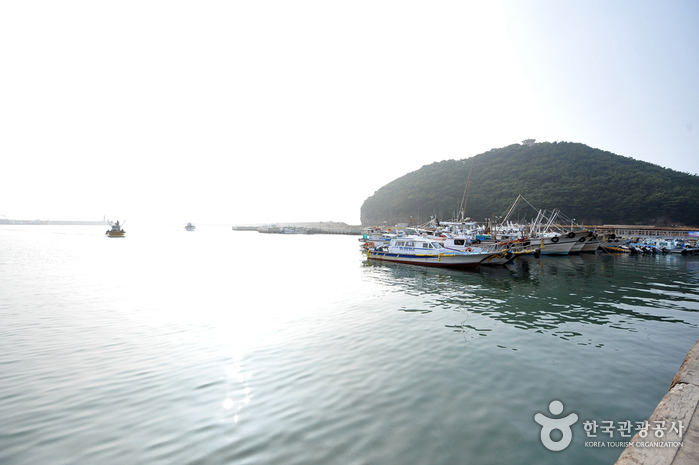
Gyeokpo Port is an important transit point for maritime transportation between the islands of the West Sea, such as Wido Island, Gogunsan Islands, and Hongdo Island. As a fishing port, it is known as the place through which delicious seafood from the clean waters of the West Sea arrives on land. This reputation is evident in the huge crowds of gourmands and tourists who flock to the port for webfoot octopus in spring and gizzard shad in fall. The port hauls large catches of webfoot octopus, cuttlefish, blue crab, monkfish, rockfish, spotty belly greenling, flatfish, gizzard shad, clam, and shellfish, which can be enjoyed in many seafood restaurants near the port. Gyeokpo Port is also known for its beautiful view of the sunset.
⊙ Suseongdang Shrine (수성당)
View detailed guide on Korea Trip Guide →
– Homepage
www.buan.go.kr
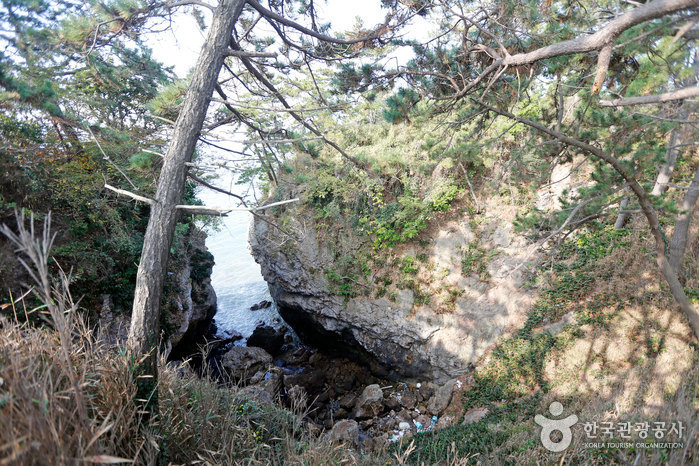
Located at the end of Jeokbyeokgang Cliff, Suseongdang Shrine is the only shrine in Korea that is dedicated to the sea god “Gaeyang Halmeoni” (Granny Gaeyang), the deity who rules over the West Sea, and her eight daughters. This is a place that holds rituals for the welfare and safety of fishers. Visitors can also see cairns dedicated to the fishermens’ safety. For tourists, however, this shrine is notable for its canola flowers. In early spring, the road connecting Suseongdang Shrine with Jeokbyeokgang Cliff blooms in yellow canola flowers, creating a beloved view and a premier photo area of the region. It is a recommended spot to see the flowers when visiting Buan in springtime.
⊙ Suseongdang Canola Field (수성당유채꽃)
View detailed guide on Korea Trip Guide →
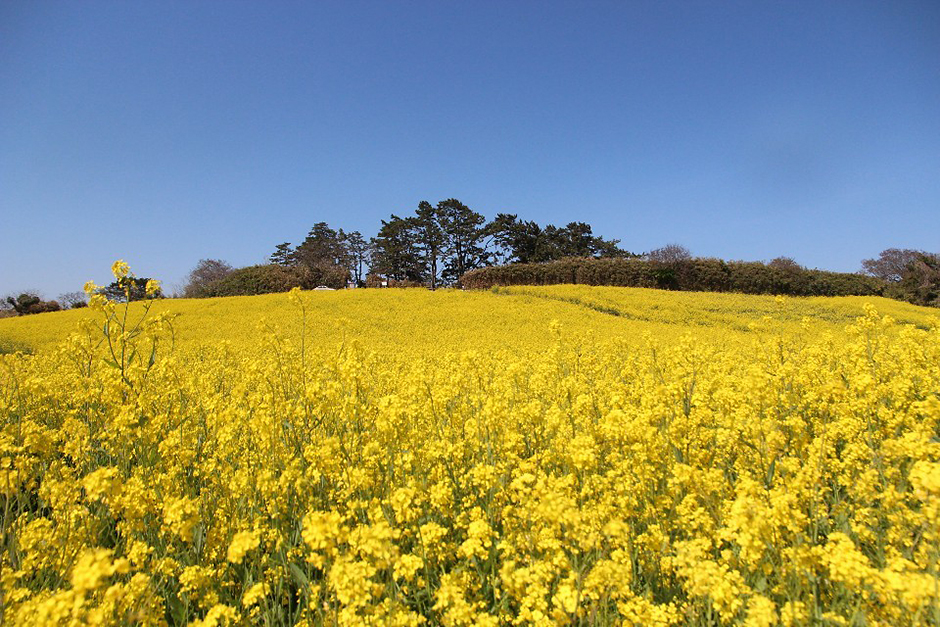
Suseongdang Canola Field refers to the colony of canola flowers that can be found along the trekking course connecting Saemangeum Information Center and Byeonsan Beach. Located near Suseongdang Shrine, the canola field spreads across an area of 32,000 ㎡, and transforms into a field of buckwheat flowers in summer, followed by cosmos flowers in fall, and becomes blanketed with snow in winter. This area is even more popular due to the scenery of canola flowers with an ocean backdrop as Jeju Island is the only other region in Korea to offer such scenery.
⊙ Jeokbyeokgang Cliffs [National Geopark] (적벽강 (전북 서해안 국가지질공원))
View detailed guide on Korea Trip Guide →

– Homepage
www.jwcgeopark.kr
The area around Jeokbyeokgang Cliffs features great plant distribution value, including a population of Machilus, a designated natural monument. The cliffs are a great location for geological and ecological educational moments when visiting nearby attractions such as Chaeseokgang River and Gyeokgo Beach. The cliff is mostly composed of pepperlite, a unique rock that forms when volcanic rhyolite and sedimentary shale merge together.
⊙ Keumkuwon Sculpture Park (금구원야외조각미술관)
View detailed guide on Korea Trip Guide →
– Homepage
www.keumkuwon.org
Keumkuwon Sculpture Park was founded in 1966 by Kim O-seong, and was the first park of its kind in Korea. The park was registered as Private Museum No. 277 by the Ministry of Culture and Tourism in 2003. Many of the roughly 100 sculptures are realistic in style and are related to one another, creating a feeling of watching a play unfold before one’s eyes. Main pieces include “Farmer’s Hands,” “Thoughts about the Limited and the Unlimited,” and “The Sky in the West.” The sculptures are made of marble or granite and vary in size, with some measuring 450 centimeters.
Indigenous trees and bushes of the Byeonsanbando Peninsula can be found throughout the park, giving visitors a chance to enjoy both the sculptures and the backcountry charm. The park also features the Keumkuwon Astronomical Observatory, opened in 1991. Visitors can combine their trip to the park with a visit to nearby tourist sites like Gyeokpohang Harbor, Chaeseokgang Cliff, Suseongdang Shrine, and Jeokbyeokgang Cliff.
![Three Brothers Cave Rock [Ullengdo-Dokdo National Geopark] (삼형제굴바위 (울릉도, 독도 국가지질공원))](https://ktrip.blogsailing.com/wp-content/uploads/2025/12/2614629_image2_1.bmp)
](https://ktrip.blogsailing.com/wp-content/uploads/2026/06/4045696_image2_1.jpg)
4 Comments