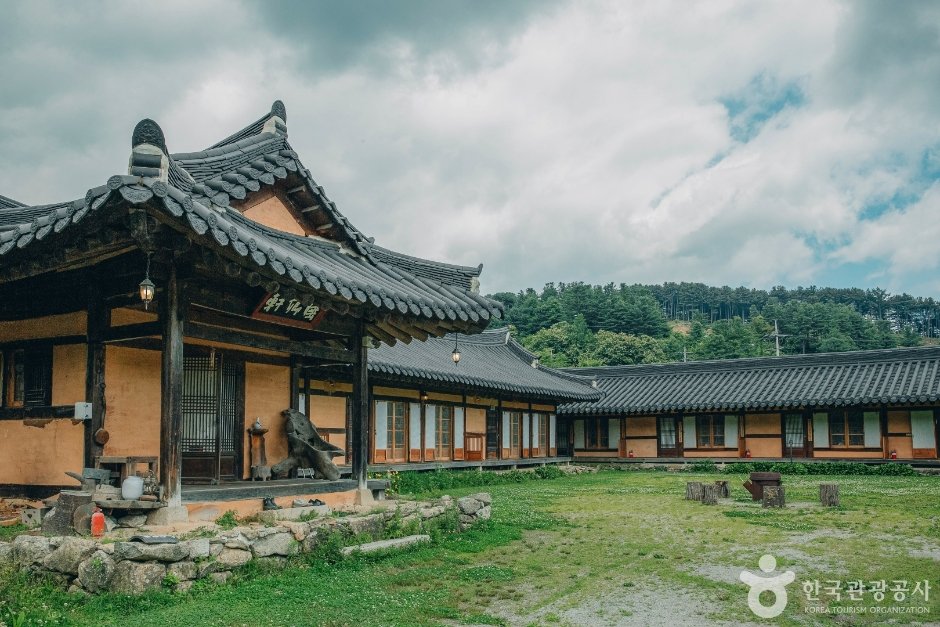
Chi-Ong Art Center (취옹예술관)
Chi-Ong Art Center (취옹예술관)
 Chi-Ong Arts Center is a hanok complex cultural space housing an art museum, seminar rooms, hanok accommodations, and a Korean restaurant. Various hands-on programs are available, such as tea ceremonies, natural dyeing, mask making, rice cake and tofu making, and traditional needlework. The absence of TV or internet allows for a relaxing and emptying experience.
– Address : 300 Sumogwon-ro, Gapyeong-gun, Gyeonggi-do
※ Presentation Information
– Check-in Time
15:00
– Check-out Time
11:00
– Daily Rate
Not available
– Parking Fee
Available


◎ Nearby Tourism Infobox
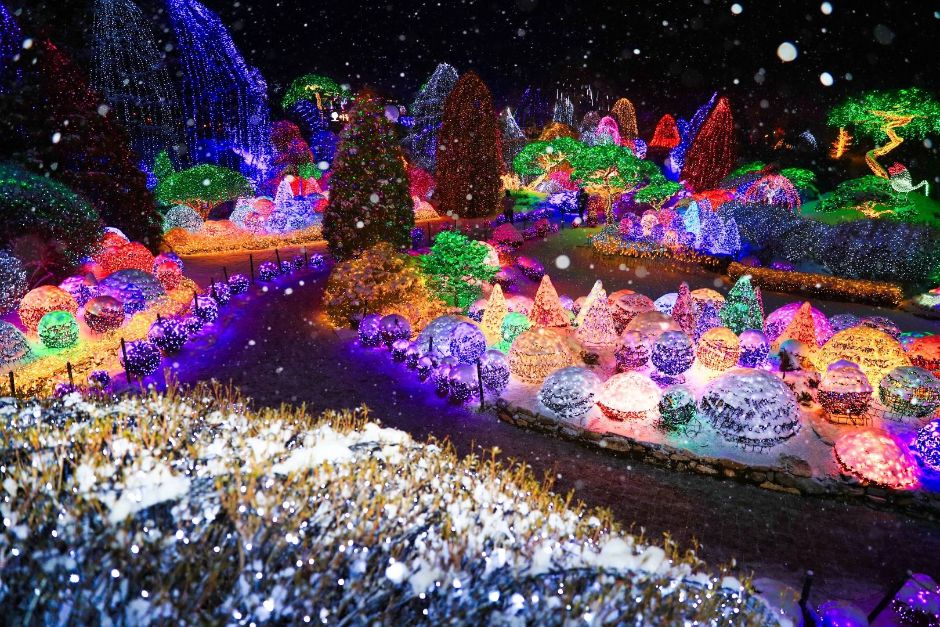
⊙ Lighting Festival at The Garden of Morning Calm (아침고요수목원 오색별빛정원전)
View detailed guide on Korea Trip Guide →
– Homepage
www.morningcalm.co.kr: Visit site
– Tel
+82-1544-6703
Held at the Garden of Morning Calm, the Lighting Festival was the first light festival in Korea to combine the natural surroundings with lights, covering 330 thousand square meters. Held from December to March, the environmental-friendly LED lights shine throughout the garden.
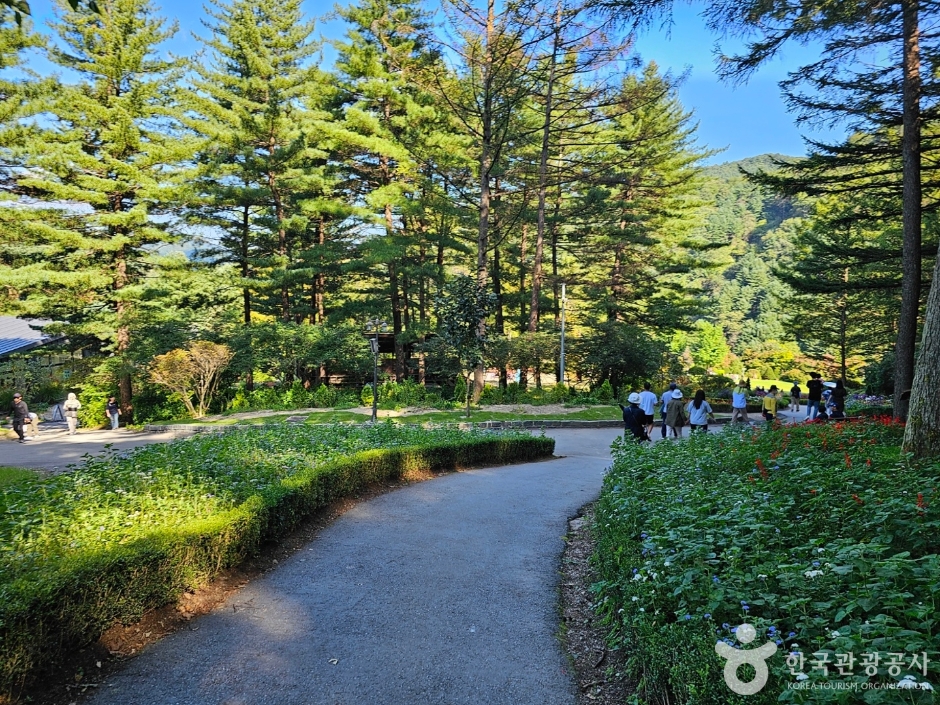
⊙ The Garden of Morning Calm (아침고요수목원)
View detailed guide on Korea Trip Guide →
– Homepage
www.morningcalm.co.kr: Visit site
The Garden of Morning Calm, nestled against the splendid backdrop of Chungnyeongsan Mountain, is a horticultural haven that blends the essence of Korean beauty with a diversity of themed gardens. Designed by Professor Han Sang-kyeong from Sahmyook University, this arboretum, which opened in May 1996, offers a tranquil retreat with forest paths and a dense pine nut grove for those escaping the bustle of the city. Its twenty thematic gardens are interwoven with well-kept grassy expanses, vibrant flower displays, and inviting nature trails. Among these, the Sunken Garden stands out, artfully representing the Korean Peninsula and its stunning landscapes using a rich array of blooming flowers, capturing the admiration of those who visit. Beyond this, the arboretum is home to an impressive collection of plant life, featuring more than 5,000 different species, including more than 300 varieties native to Baekdusan Mountain.
](https://ktrip.blogsailing.com/wp-content/uploads/2026/06/4018773_image2_1.jpg)
](https://ktrip.blogsailing.com/wp-content/uploads/2026/06/4019814_image2_1.jpg)
](https://ktrip.blogsailing.com/wp-content/uploads/2026/06/4021733_image2_1.jpg)
](https://ktrip.blogsailing.com/wp-content/uploads/2026/06/4019485_image2_1.jpg)
](https://ktrip.blogsailing.com/wp-content/uploads/2026/06/4022506_image2_1.jpg)