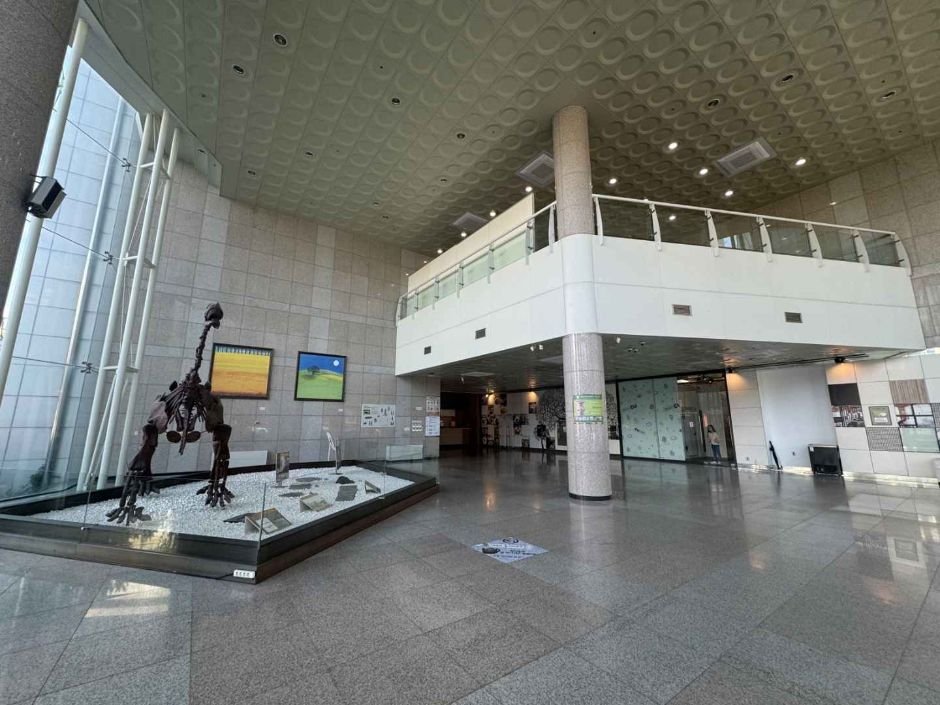
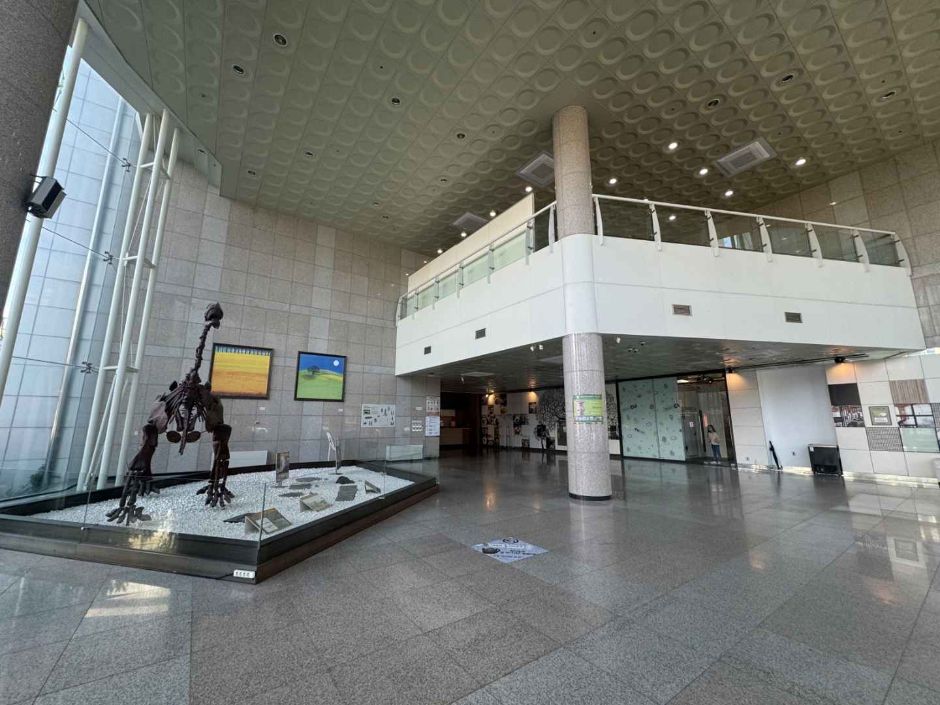
Chonnam National University Museum (전남대학교 박물관)
Chonnam National University Museum (전남대학교 박물관)
 – Homepage
museum.jnu.ac.kr
The Cheonnam National University Museum showcases a variety of domestic and international works on history, anthropology, culture, and folklore, along with providing research materials. Initially established as a research center for the faculty and students, the museum has evolved into its current form since 2002. Visitors can explore exhibitions on diverse topics and immerse themselves in different cultures at the learning center of the museum.
– Address : 77 Yongbong-ro, Buk-gu, Jeonnam-Gwangju Special Metropolitan City
※ Presentation Information
– Information and Guides
Exhibition Hall: +82-62-530-3593
Experiential Learning Center: +82-62-530-3586
– Parking
Available
– Day Off
Public holidays, Seollal (Lunar New Year’s Day) & Chuseok (Korean Thanksgiving Day) holidays, day of the school anniversary (June 6)
– Usage Fee
Free
– Operating Hours
10:00-17:00


◎ Nearby Tourism Infobox
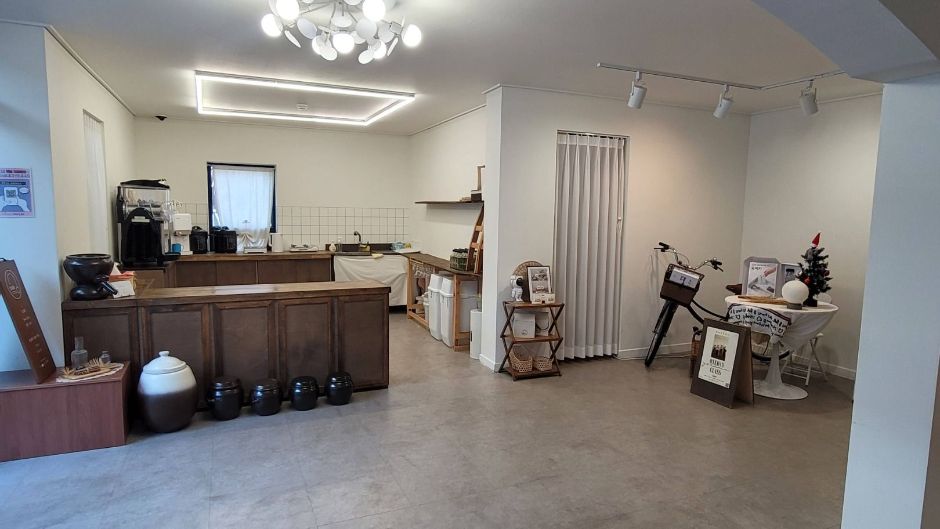
⊙ YODAMN (요담엔)
View detailed guide on Korea Trip Guide →
– Homepage
yodamn.kr
YODAMN is a Gwangju-based Company redefining Korea’s fermented traditions. It is known for its premium rice nuruk, a traditional Korean fermentation starter, and products like Yoando yogurt, a malted yogurt and Yomakkey, a makgeolli kit. The company is engaged in research, liquor development, and provides consultation services. Additionally, it offers unique experiences, such as one-day traditional liquor brewing classes, and sells its uniquely developed products. It is a great place for visitors to experience the Gwangju local traditional liquor culture.
⊙ Street of Duck Stew (오리요리의 거리)
View detailed guide on Korea Trip Guide →
The Street of Duck Stew in Gwangju is lined with restaurants specializing in duck dishes. Its origins trace back to the 1970s, when a duck farmer began selling duck stew, adding their own twist by incorporating water parsley and perilla seeds to the recipe they had learned. The affordable price and clean, rich taste of stew made it popular among visitors, eventually leading to the formation of the current street. The popular dishes include ori tang (duck stew), ori roseu (grilled duck), and ori jumulleok (spicy stir-fried marinated duck).
⊙ Gwangju IAM Guest House [Korea Quality] / 아이엠게스트하우스 [한국관광 품질인증]
View detailed guide on Korea Trip Guide →

– Homepage
http://iamguesthouse.modoo.at
The cozy and clean I Am Guesthouse in Gwangju, Jeollanam-do, stands right opposite Gwangju station. The guesthouse offers free Korean breakfast and brunch, there’s a personal locker for valuables and a powder room for female travelers. The location is convenient for sightseeing, with Mudeungsan Mountain nearby, and visitors can taste tteokgalbi and other delights of Namdo cuisine in local restaurants.
⊙ Gwangju KIA Champions Field (광주-기아 챔피언스 필드)
View detailed guide on Korea Trip Guide →
– Homepage
tigers.co.kr
Gwangju KIA Champions Field is the first open-air stadium in the country and houses INC COFFEE, making it a must-visit attraction for baseball fans. The café offers spacious seating and various bakery items– with the baseball-shaped bread being the most popular. There is also a photo zone, allowing visitors to capture the memories of their trip. With a seating capacity of 20,500, tickets for the seats can be purchased online or on-site.
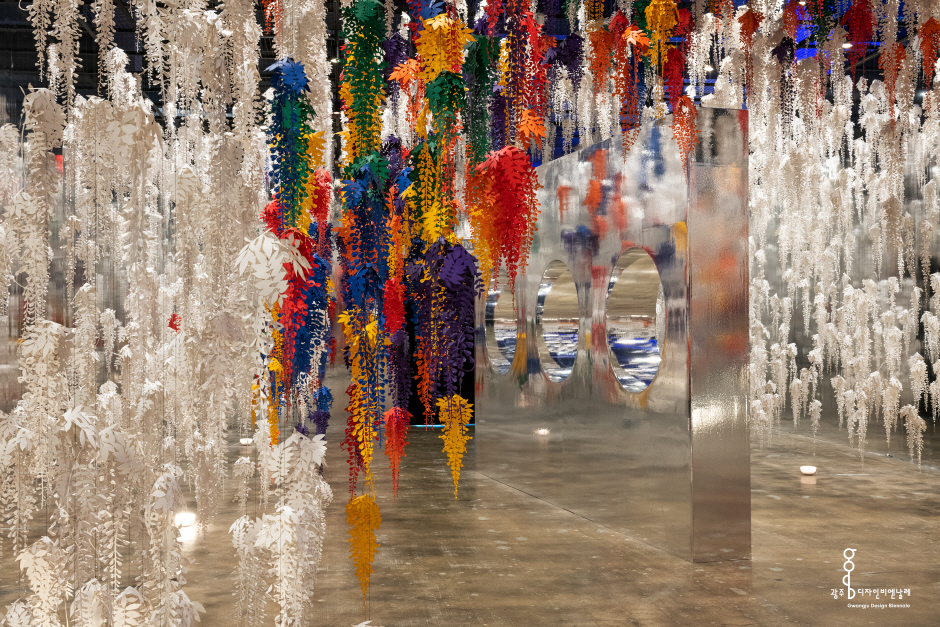
⊙ Gwangju Design Biennale (광주디자인비엔날레)
View detailed guide on Korea Trip Guide →
– Homepage
gdb.or.kr
– Tel
+82-62-531-7783
The Gwangju Design Biennale is the world’s first design biennale and currently Asia’s only design biennale. With exhibitions centered on the concept of design, the biennale combines the industrial aspect of design with cultural elements.
⊙ Gwangju Biennale Exhibition Hall (광주비엔날레전시관)
View detailed guide on Korea Trip Guide →
– Homepage
www.gwangjubiennale.org
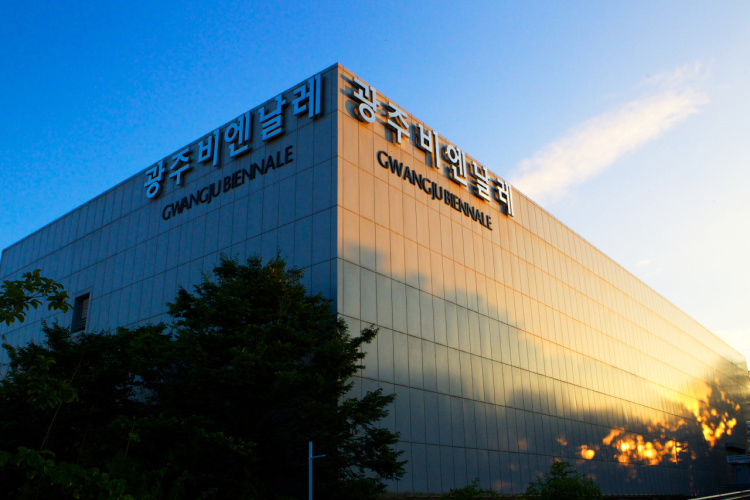
Since its establishment in 1994, the Gwangju Biennale Exhibition Hall has significantly contributed to Korea’s art culture and the world through numerous exhibitions. It strives to give joy and motivation to many people and serves as a channel for Korean artists’ forays into the world. Notably, the Biennale exhibition is not a one-time event, and various attempts are being made to make it a sustainable platform as it increases the regional value of Gwangju, the home of the Biennale.
In the era of COVID-19, online services are also provided to citizens who have difficulty visiting the site in person to experience the exhibition.
⊙ H1 Hotel (에이치원호텔)
View detailed guide on Korea Trip Guide →
– Homepage
www.h1hotel.co.kr
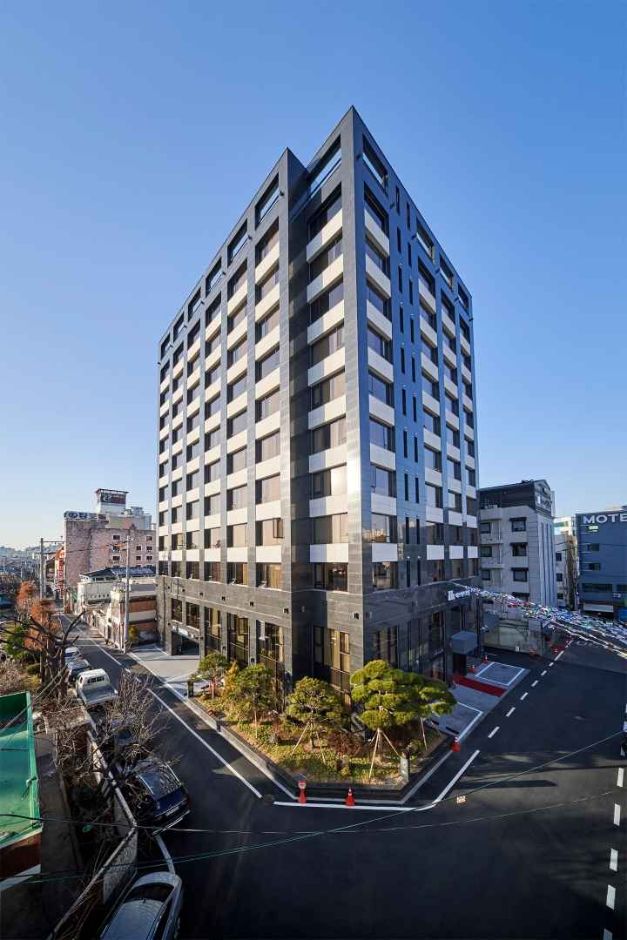
H1 Hotel Gwangju is a business hotel that provides the comfort of a hotel with the cozy feeling of home. Offering a variety of room options to suit the diverse preferences of the guests, the hotel features a unique interior, neat and convenient facilities, affordable prices, and exceptional services. Guests can also enjoy various cultural activities or unwind at the rooftop swimming pool.
4 Comments