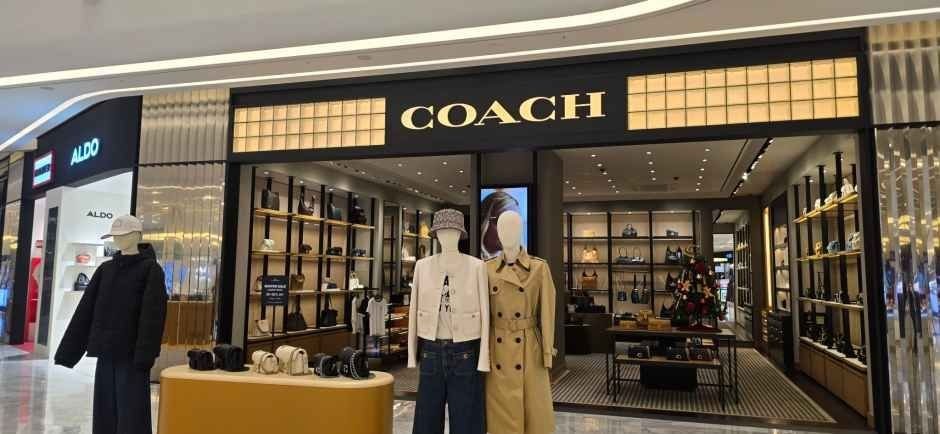
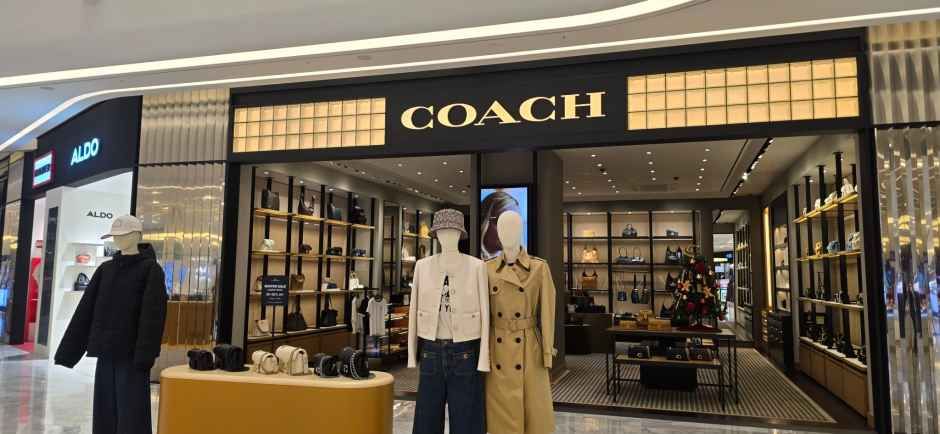
Coach – Shinsegae Department Store Gimhae Branch [Tax Refund Shop](코치 신세계백화점 김해점)
Coach – Shinsegae Department Store Gimhae Branch [Tax Refund Shop](코치 신세계백화점 김해점)
 – Homepage
korea.coach.com
COACH is an American leather goods brand known for New York–inspired sensibility and craftsmanship. Its bags and accessories emphasize practical design and a sophisticated look, blending modern and classic elements.
– Address : 1F, 2232, Gimhae-daero, Gimhae-si, Gyeongsangnam-do
※ Presentation Information
– Fair Day
Monday – Sunday
– Information and Guides
055-272-1104
– Opening Hours
10:30~20:00
– Day Off
Seollal (Lunar New Year’s Day) & Chuseok (Korean Thanksgiving Day) holidays, Once a month
– Parking
Available
– Restroom
Available
– Items for Sale
Bags
– Shop Guide
Refund method (Time-frame) : Claim for refund
◎ Nearby Tourism Infobox
⊙ Sureungwon Garden (수릉원)
View detailed guide on Korea Trip Guide →
– Homepage
tour.gimhae.go.kr
Sureungwon Garden is a place themed around the meeting between King Suro, the founder of Gaya, and Queen Heo, who was the princess of Ayuta Kingdom, known as India. The name Sureungwon Garden also contains the meaning of an elegant forest where King Suro and Queen Heo walked together. An ecological park measuring 39,600 m2 has been created along a low ridge that connects the Tomb of King Suro, an important cultural heritage of the Gaya period; the Ancient Tombs in Daeseong-dong, the tombs of the Gaya kings; and the Bonghwang-dong Historic Site. It was created by representing the maritime kingdom of Gaya, imagining a pond of the garden where King Suro and Queen Heo used to walk, and planting prickly waterlilies and yellow floating hearts that are believed to have inhabited wetlands in the Gaya period. Trails along the cozy forest and pond make it easy to look around comfortably.
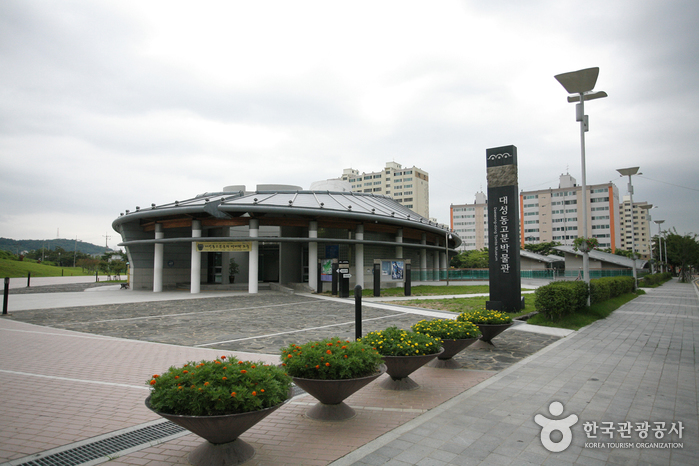
⊙ Museum of the ancient tombs in Daseong-dong (대성동고분박물관)
View detailed guide on Korea Trip Guide →
– Homepage
ds.gimhae.go.kr
The Museum of the ancient tombs in Daseong-dong displays artifacts unearthed from the four excavations of the Daeseongdong Tumuli. Highlighting often overlooked relics of the Geumgwan Gaya, the museum has three ground-floor exhibit halls and several underground auxiliary facilities. The main exhibits include a life-sized statue of a mounted soldier and a warrior statue, both recreated based on bones excavated from the tumuli of Yean-ri. The museum relies heavily on videos and dioramas to help visitors explore all the museum has to offer.
⊙ Tomb of King Suro (수로왕릉)
View detailed guide on Korea Trip Guide →
– Homepage
tour.gimhae.go.kr
King Suro founded the Garak Kingdom in AD 42 and married Heo Hwang-ok, a princess from the Indian country of Ayuta, in AD 48. He was the founder of the Gimhae Kim family. Heo Yeop, a Yeongnam governor, gave the tomb its current look in the 13th year of the reign of King Seonjo (1580). The tomb compound includes various buildings, including the Sungseonjeon (where the ancestral tablets of King Suro and his queen are kept), Anhyanggak, Jeonsacheong, and Jegigo, as well as stone structures, such as a sindobi (tombstone) and gongjeokbi (monument established to pay homage the deceased). The tombstone in front of the royal tomb was built in the 25th year of the reign of King Injo (1647) of the Joseon dynasty. The name Sungseonjeon was bestowed on the tomb by King Gojong in the 21st year of his reign (1884).
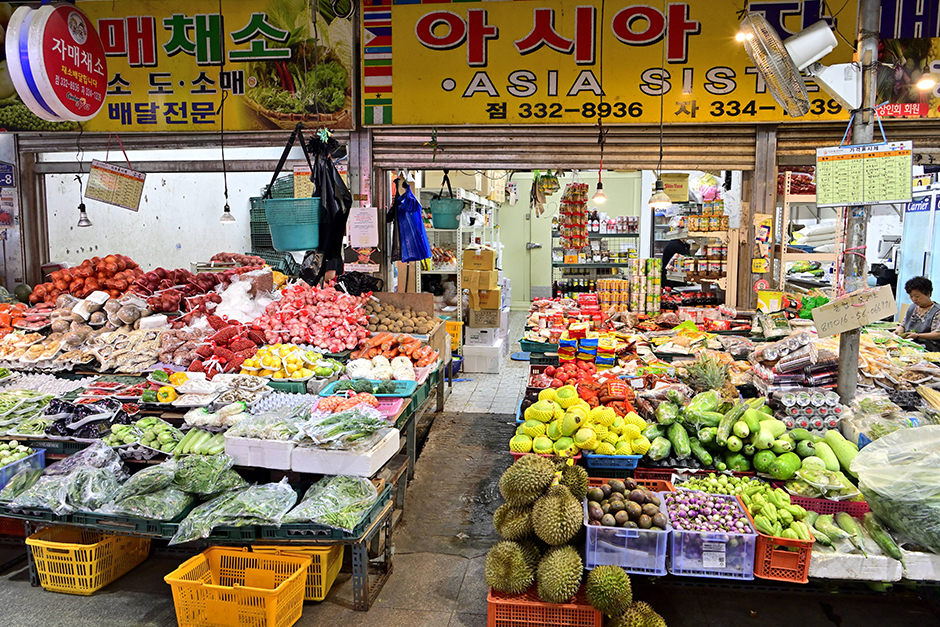
⊙ Dongsang Market (동상시장)
View detailed guide on Korea Trip Guide →
– Homepage
www.ds-market.co.kr
Formed in 1945, Dongsang Market is a lifestyle-centric traditional market that offers a slew of daily necessities like vegetables, fruits, rice cakes, fishery products, and side dishes, as well as a popular alley specializing in Kalguksu (noodle soup). Designated as a cultural tourism market in 2017, it has since evolved into a vibrant space where traditional Korean culture harmoniously coexists with diverse global cultures. As more foreign workers have begun frequenting the market in recent years, a number of Asian grocery stalls have opened. In particular, vegetables favored by Southeast Asian customers, ritual foods, and Kalguksu (noodle soup) have become local specialties.
⊙ Gimhae National Museum (국립김해박물관)
View detailed guide on Korea Trip Guide →
– Homepage
gimhae.museum.go.kr
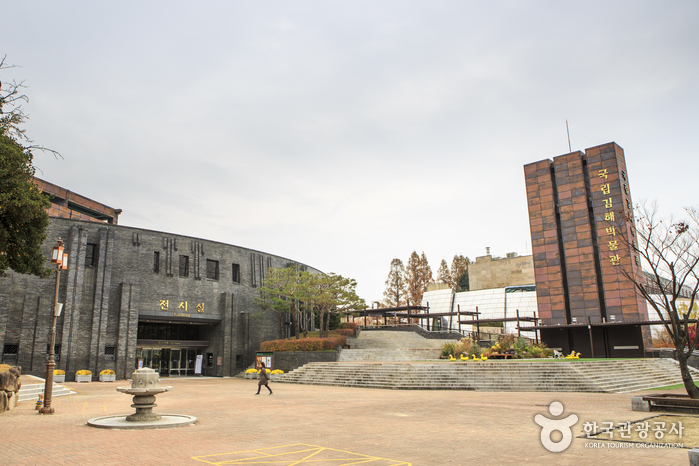
The Gimhae National Museum was opened on July 29, 1998, in order to research and preserve the cultural heritage of the ancient kingdom of Gaya. The museum is at the foot of Gujibong Peak in Gimhae-si, the spot where the kingdom is believed to have been founded. The museum exhibits the cultural assets of Gaya, as well as cultural relics from the prehistoric age in the Busan and Gyeongsangnam-do areas, and the cultural heritage of Byeonhan, which was the foundation for the growth of Gaya.
The exterior of the museum is made using black bricks representing iron ore and charcoal famous during the Gaya Kingdom. There are two exhibition halls, while the walkway to the halls have approximately 1,300 artifacts in display.
⊙ Gimhae Arts and Sports Center (김해문화의전당)
View detailed guide on Korea Trip Guide →
– Homepage
www.gasc.or.kr
The Gimhae Arts and Sports Center is a performance hall for high-class performances. Maru Hall is a multi-purpose theater that also contains a moving orchestra shell with a sound reflection board for a smaller concert hall inside the theater. Nuri Hall is an experimental theater for performances in a variety of themes. The center also features the outdoor theater Aedureum Madang, Yunseul Art Gallery, Media Center, Sports Center, and Aram Learning Center, as well as a café and restaurants.
](https://ktrip.blogsailing.com/wp-content/uploads/2026/06/4023941_image2_1.jpg)
](https://ktrip.blogsailing.com/wp-content/uploads/2026/06/4023322_image2_1.jpg)
](https://ktrip.blogsailing.com/wp-content/uploads/2026/06/4027996_image2_1.jpg)
](https://ktrip.blogsailing.com/wp-content/uploads/2026/06/4023428_image2_1.jpg)