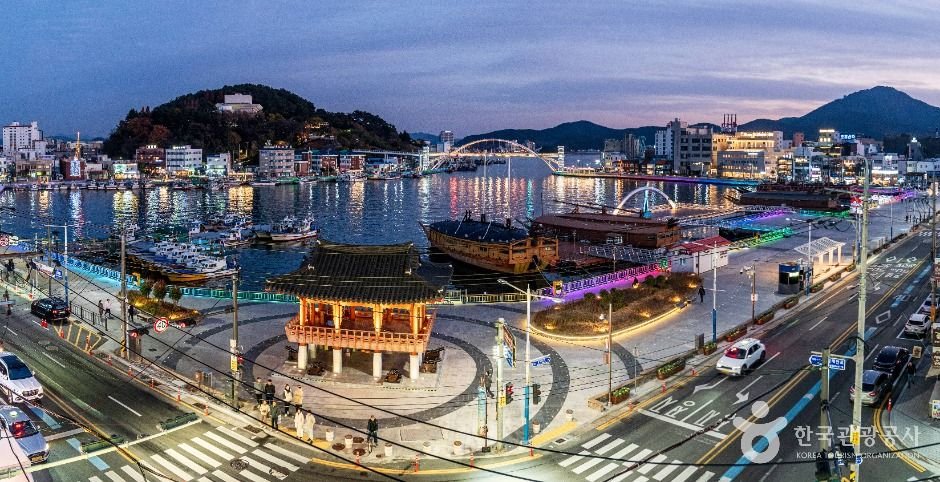
Gangguan Port (강구안)
Gangguan Port (강구안)
 – Homepage
www.utour.go.kr
– Tel
+82-55-650-4681
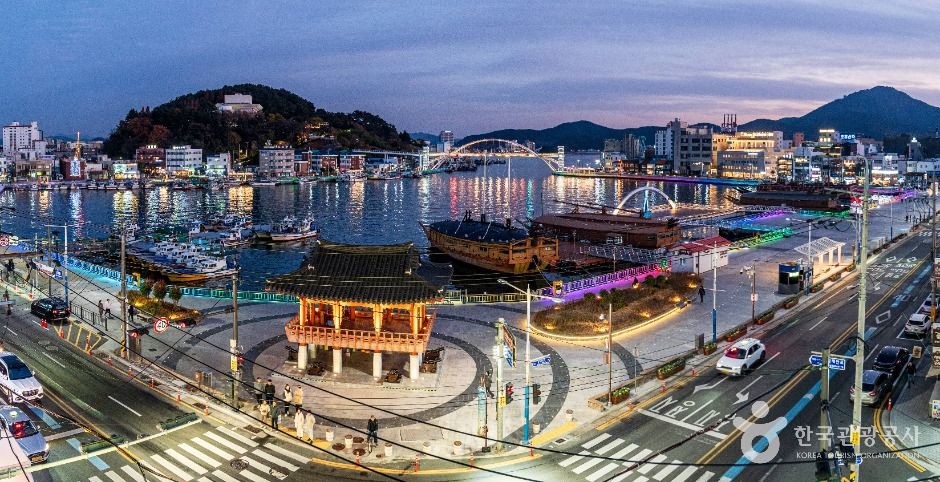
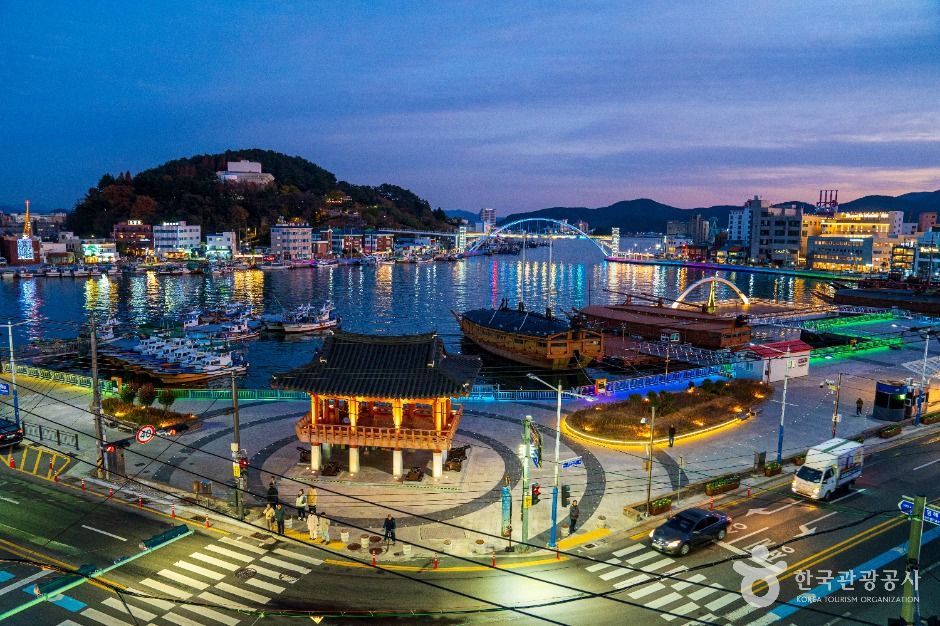
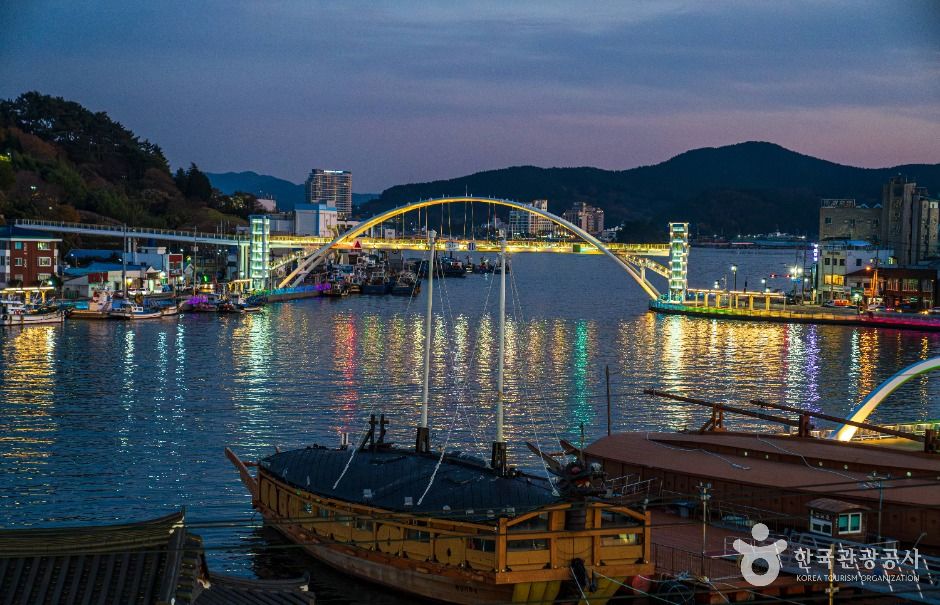
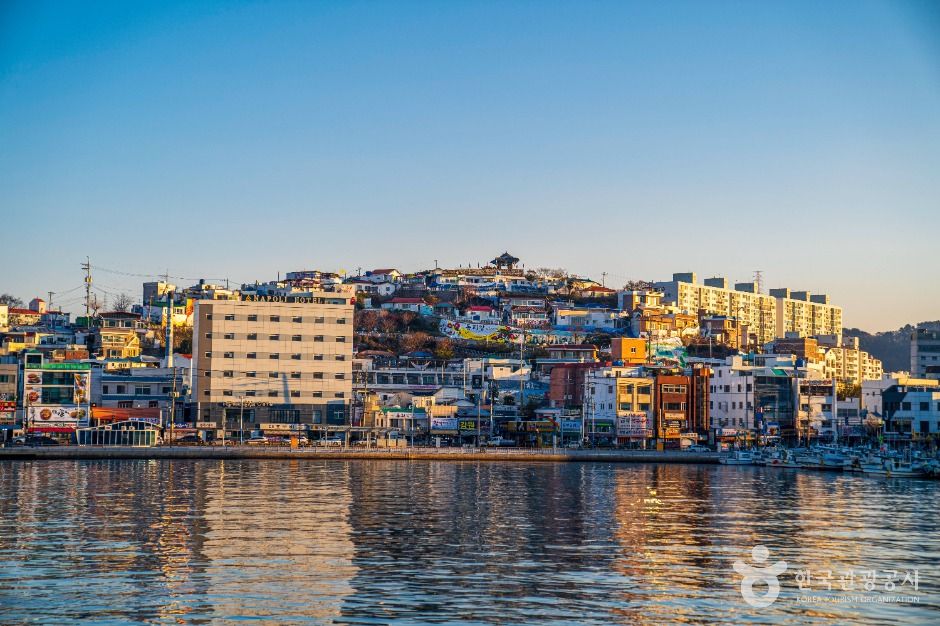
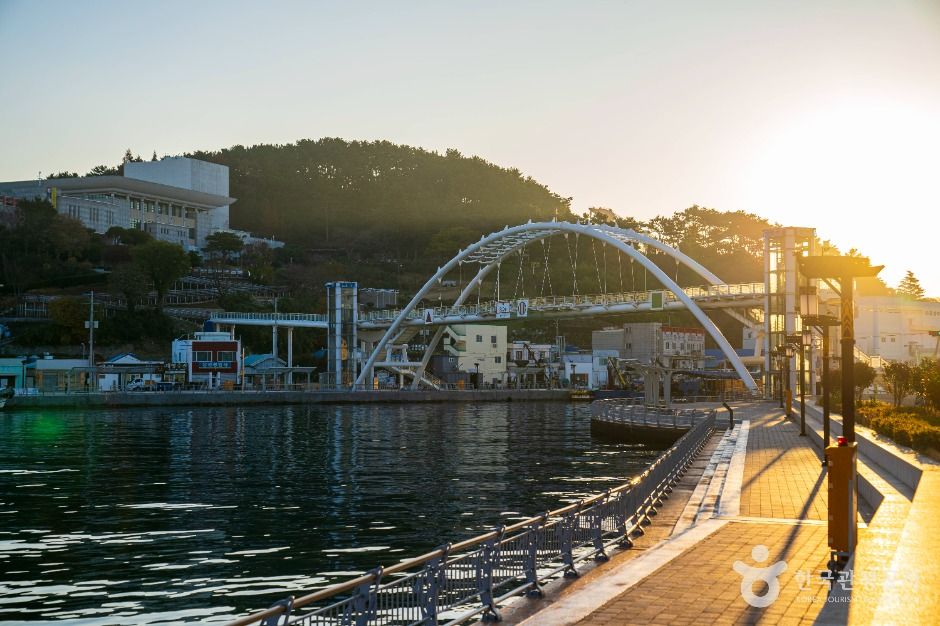
Gangguan Port is located in Tongyeong close to the sea, and regarded to be more full of energy compared to other ports due to the sea waves seen close by. The port is occupied by moored fishing boats and rows of restaurants that sell Chungmu-style gimbap. It also boasts a breathtaking scenery at night.
– Address : Jungang-dong, Tongyeong-si, Gyeongsangnam-do
※ Presentation Information
– Information and Guides
Tongyeong Tourist Information Center +82-55-650-0580
– Parking
Parking lot available near the port
– Day Off
N/A (Open all year round)
– Operating Hours
Varies by shop
◎ Nearby Tourism Infobox
⊙ Ttungbo Halmae Gimbap (뚱보할매김밥)
View detailed guide on Korea Trip Guide →
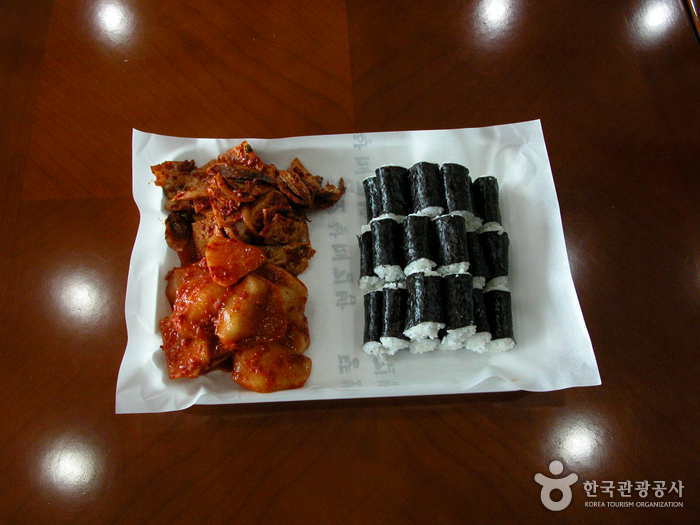
Ttungbo Halmae Gimbap, located in the Jungang Traditional Market of Tongyeong, is famous for its local delicacy, Chungmu gimbap. Chungmu gimbap originated from sailors who packed rice and fillings separately to preserve freshness during sea voyages. It consists of rice, squid salad, and radish kimchi, creating a simple yet flavorful dish. Nearby attractions include the Seopirang Park, Tongyeong Port, and Tongyeong City Museum.
⊙ Seopirang Park (서피랑공원)
View detailed guide on Korea Trip Guide →
– Homepage
www.utour.go.kr
Seopirang Park, located on Seopirang Hill in Tongyeong, showcases the region’s unique charm and historical significance. The park features walking trails, 99 stairs, a music garden, and piano stairs, with vibrant murals along the uphill path that make the climb enjoyable. From sunset to midnight, the park is beautifully illuminated, creating a magical atmosphere. At its summit, Seoporu, visitors are treated to stunning panoramic views of Tongyeong Bay and the city.
⊙ Daepunggwan (대풍관)
View detailed guide on Korea Trip Guide →
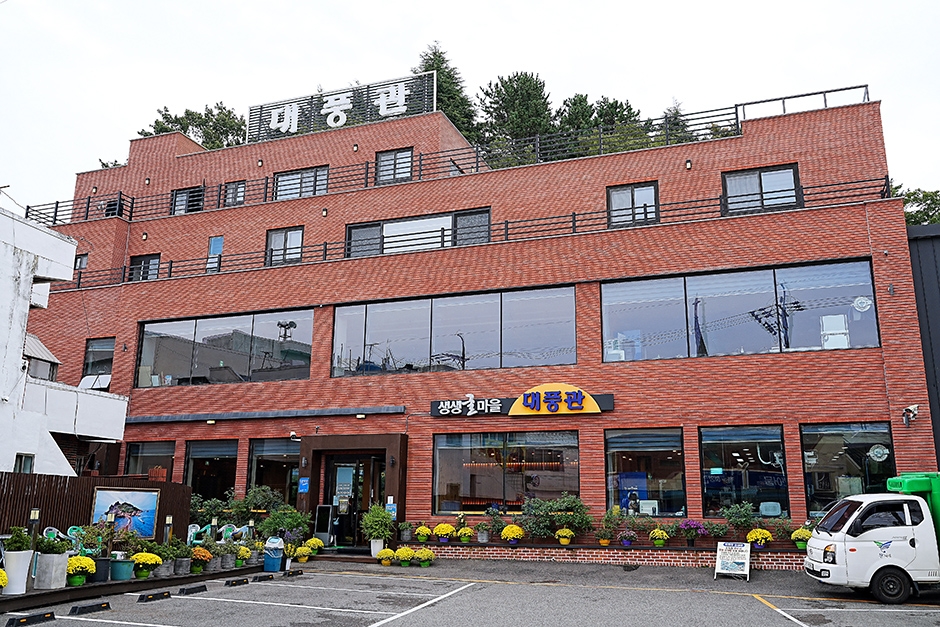
This restaurant serves seafood dishes made with fresh seafood in season. In spring, it serves sea squirt, abalone, and cutlassfish as mulhoe (cold raw fish soup), jeon (pan-fried battered dishes), sotbap (hot pot rice), and bibimbap. In fall and winter, oyster dishes take the fore. The restaurant is quite sizable, so it is ideal for group visits.
⊙ Hanmaeum Sikdang (한마음식당)
View detailed guide on Korea Trip Guide →
– Tel
055-645-0971
This restaurant limits its offering to 100 tables per day to ensure the freshness of its dishes. Its signature dish is the gul samhap (oyster, kimchi, and pork belly combo). It also offers guljeon (oyster pancakes), gul tangsuyuk (deep-fried oyster with sweet and sour sauce), gul eomuk (oyster and fishcake soup), and other oyster dishes.
⊙ Haeok (해옥)
View detailed guide on Korea Trip Guide →
– Homepage
www.instagram.com/haeok_official
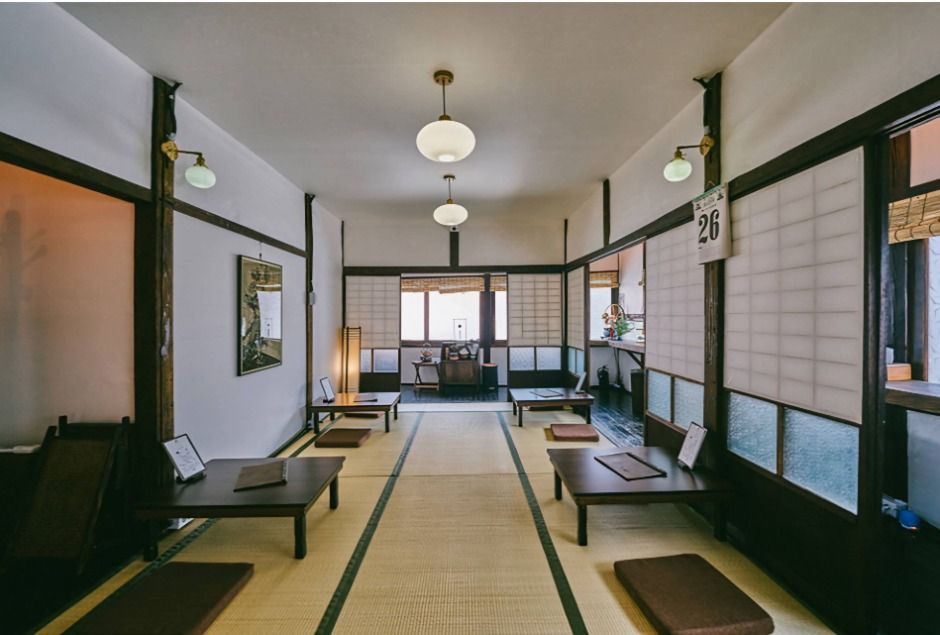
Haeok is a tea house located in Tongyeong that serves traditional tea and desserts. It was renovated from an old antique house built in 1936 during Japanese colonial period, a place that blends history and aesthetics of that period. Enjoy the calm mood and the antique beauty while enjoying a cup of tea. As a safety precaution, elementary school children and younger are not allowed.
⊙ Tongyeong Hansan Battle Festival (통영한산대첩축제)
View detailed guide on Korea Trip Guide →
– Homepage
www.hansanf.org
– Tel
+82-55-646-1592
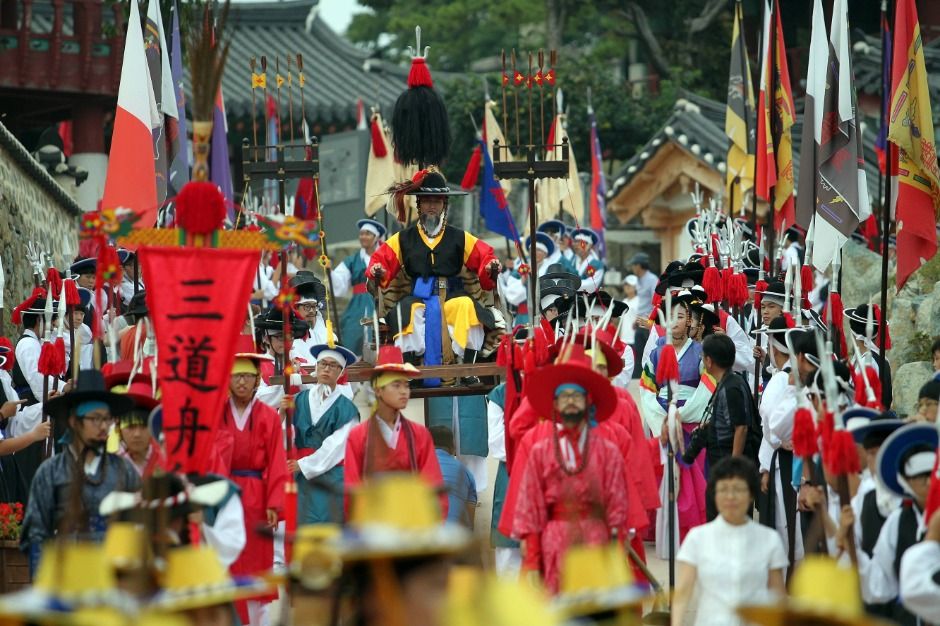
The Great Battle of Hansan was a war in which Admiral Yi Sun-sin and his naval forces fought against the Japanese and won a great victory off Hansando Island in Tongyeong. The Great Battle of Hansan Festival commemorates the victory and Yi’s spirit of patriotism. The festival reenacts the Samdo (Chungcheong, Jeolla, and Gyeongsang Provinces) naval guard changing ceremony and inspection, as well as the navy personnel’s march and training. The Turtle Ship and local fishing boats are set afloat off Hansando Island, lining up in the shape of a crane’s wing, which was the famous military tactic of the Great Battle. Visitors can enjoy a splendid view of fireworks over the dark sea and join in the Turtle Ship rowing competition, a popular activity that requires team effort.
◎ Crane Wing Formation
The Great Battle of Hansan was the first to use the crane wing formation in its attacks, in which ships were deployed in the shape of a crane spreading its wings.
⊙ Tongyeong Sebyeonggwan Hall (통영 세병관)
View detailed guide on Korea Trip Guide →
– Homepage
www.utour.go.kr
www.cha.go.kr
– Tel
+82-55-645-3805
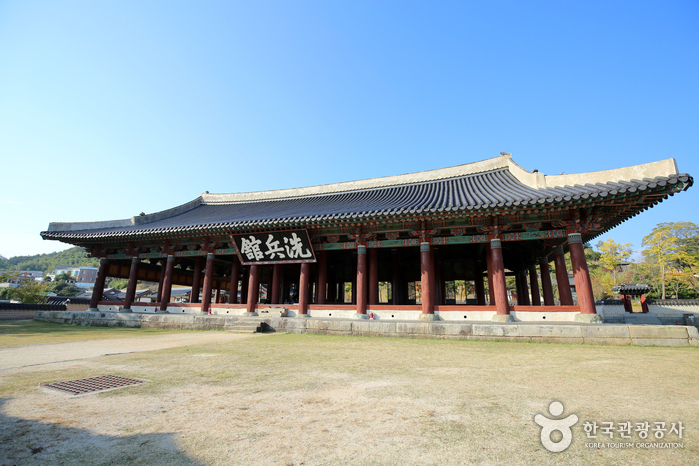
Sebyeonggwan Hall, located in Tongyeong, Gyeongsangnam-do, was established in 1605 by the 6th generation commander-in-chief Lee Kyung-jun and is well known as one of the widest buildings of the Joseon period along with Gyeonghoeru Pavilion in Gyeongbokgung Palace and Jinnamgwan Hall in Yeosu-si.
Sebyeonggwan Hall is placed at the foot of Yeohwangsan Mountain and overlooks Tongyeong. Right next to the hall are the remains of the naval base Tongjeyeong, which includes Unjudang (also called Jeseungdang, a military education center for the Joseon Navy) among others.
Sebyeonggwan Hall symbolizes the ending of the war, the washing away and cleaning up of the weapons of war.
⊙ Nammangsan Sculpture Park (남망산 조각공원)
View detailed guide on Korea Trip Guide →
– Homepage
www.utour.go.kr
– Tel
+82-55-650-2620
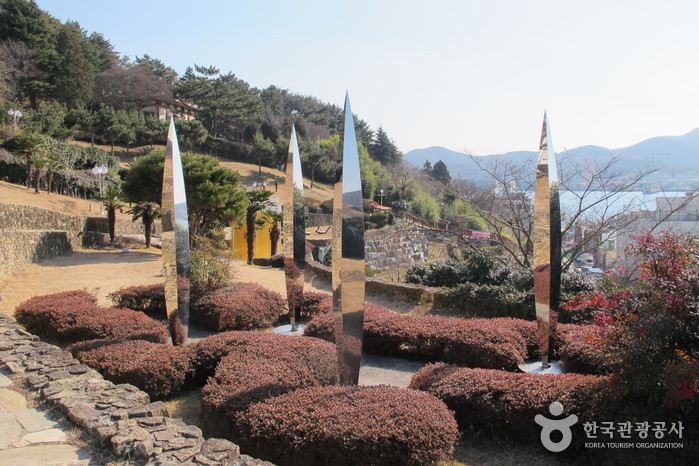
Nammangsan Sculpture Park was established to display the works of 15 famous sculptors from 10 countries who participated in the Tongyeong International Sculpture Symposium. It is also a popular spot for dates because this 30 square kilometer land has beautiful sculptures from which visitors can feel the individual taste of the artists.
⊙ Chungnyeolsa Shrine (충렬사)
View detailed guide on Korea Trip Guide →
– Homepage
tycr.kr
– Tel
+82-55-645-3229
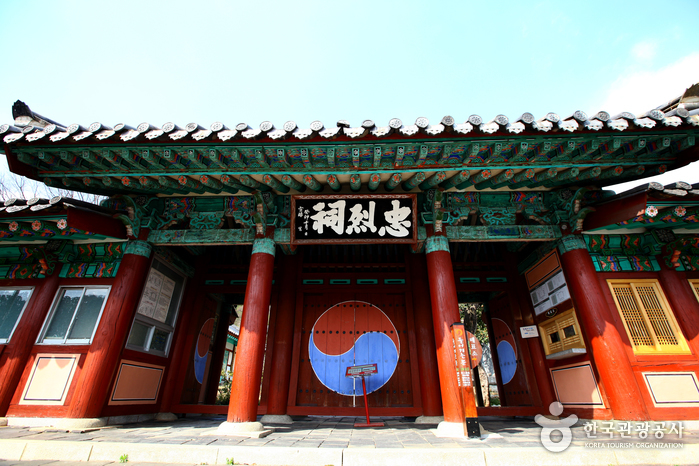
Chungnyeolsa Shrine in Tongyeong is dedicated to Admiral Yi Sun-sin, a national hero whose naval victories were crucial in repelling Japanese invasions of Korea in the 1590s. The shrine complex includes Dongjae and Seojae, where ritual ceremonies are prepared; a main shrine housing his spirit tablet and portrait; and an exhibit hall showcasing artifacts related to the Japanese Invasion of 1592. Rituals honoring the Admiral continue to be held every spring and fall to this day.
⊙ Undersea Tunnel – Tongyeong (해저터널-경남 통영)
View detailed guide on Korea Trip Guide →
– Homepage
www.utour.go.kr
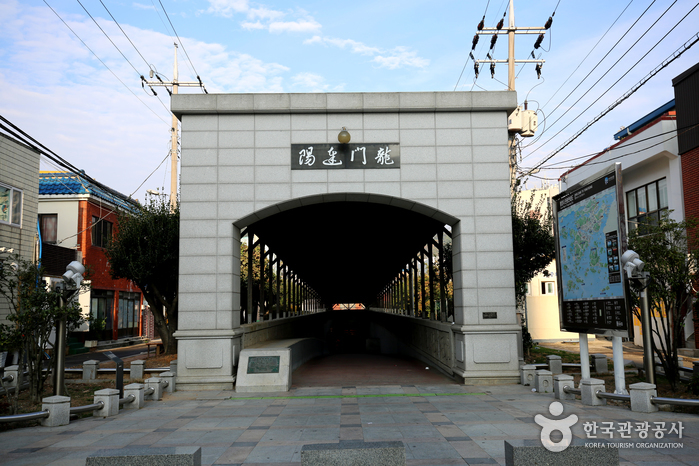
Constructed over a 16-month period from 1931 to 1932, the undersea tunnel in Tongyeong is Asia’s first submarine tunnel. For its construction, the sea water was blocked at both ends, the tunnel was dug underground, and was paved with concrete. The Korean word “Yongmundalyang” engraved at the entrance of this 483-meter long, 5-meter wide tunnel means “the entrance of an undersea tunnel that connects island to land.”
![Descente – Yeosu Branch [Tax Refund Shop] (데상트 여수점)](https://ktrip.blogsailing.com/wp-content/uploads/2025/11/2886778_image2_1-768x373.jpg)
![Lotte Mart – Yeocheon Branch [Tax Refund Shop] (롯데마트 여천점)](https://ktrip.blogsailing.com/wp-content/uploads/2025/11/2886662_image2_1-768x373.jpg)
![Nestle for You and I[Korea Quality] / 너와 나의 둥지[한국관광 품질인증]](https://ktrip.blogsailing.com/wp-content/uploads/2025/11/2991323_image2_1-768x512.jpg)
3 Comments