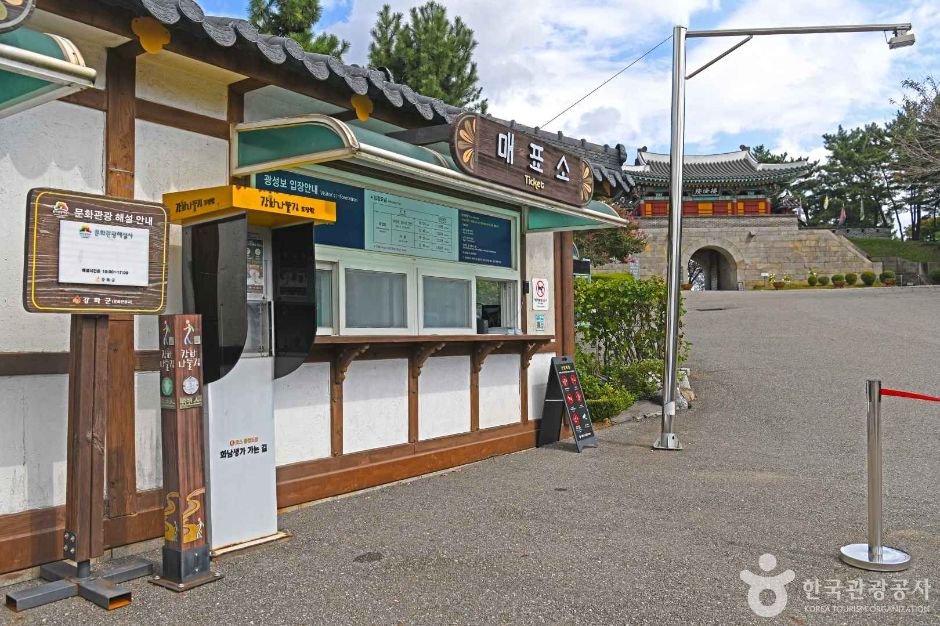
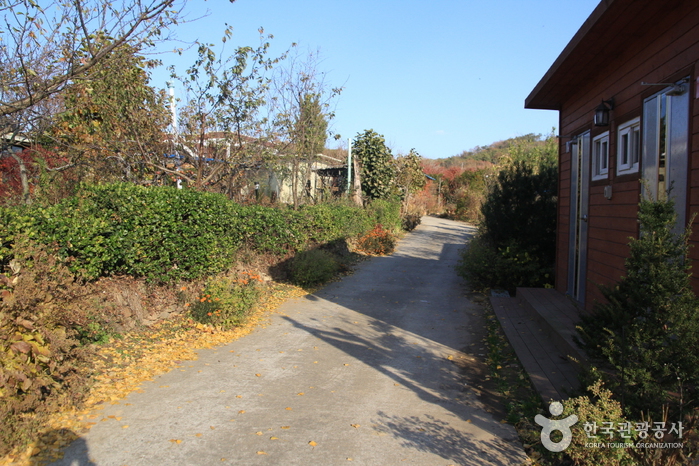
[Ganghwa Nadeul-gil Course 6] Birthplace of Hwanam Trail ([강화 나들길 제6코스] 화남생가 가는 길)
[Ganghwa Nadeul-gil Course 6] Birthplace of Hwanam Trail ([강화 나들길 제6코스] 화남생가 가는 길)
 – Homepage
www.nadeulgil.org
Ganghwa Nadeulgil is a walking trail designed to allow visitors to explore both the history and nature of Ganghwado Island . As a Trail connecting coastal watchtowers, Ganghwa Ganghwasanseong Fortress , and the Royal Tombs of the Goryeo Dynasty, it offers a comprehensive route through mountains, fields, and the sea, allowing visitors to encounter the Ganghwado Island ‘s diverse landscapes and cultural heritage. Comprising a total of 20 courses, each course possesses its own unique charms.
Course 6 starts at Ganghwa Folk Market, passing through a small wetland, and the remains of an earthen fortification. The path, which continues past Seonwonsa Temple, around the Birth Home of Hwanam, and to Gwangseongbo Fortress, allows visitors to admire tranquil rural scenery, and in the summer, one can also enjoy the beautiful sight of blooming lotus flowers.
– Address : 43 Jungang-ro, Ganghwa-eup, Ganghwa-gun, Incheon
※ Presentation Information
– Information and Guides
+82-32-934-1906
– Day Off
N/A (Open all year round)
– Operating Hours
Open 24 hours


◎ Nearby Tourism Infobox
⊙ Maeheon 1935 (매헌1935)
View detailed guide on Korea Trip Guide →
– Homepage
www.instagram.com/maeheon1935/
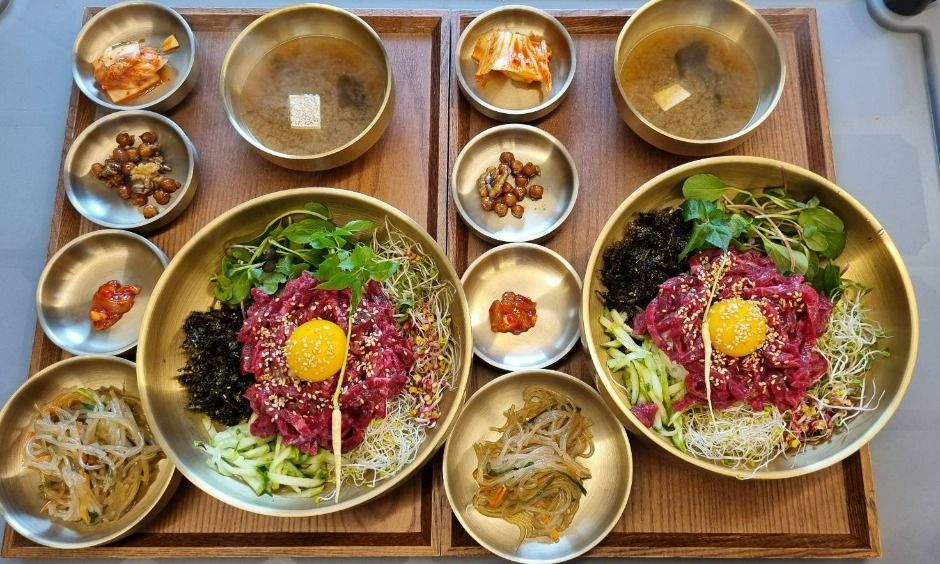
Maeheon 1935 is a restaurant in Gangwha-gun, Incheon that serves Korean dishes. The restaurant uses a renovated hanok built in 1935, and has a garden that blooms with plum blossoms. It is also located to many representative attractions of Ganghwa. The restaurant is characterized by serving a neat Korean food table for each person. Its representative menu items consist of bibimbap, hanu yukjeon (beef pancake), beef bulgogi, and more, made with fresh local ingredients that are produced in Ganghwa.
⊙ Ganghwado Island (강화도)
View detailed guide on Korea Trip Guide →
– Homepage
itour.incheon.go.kr
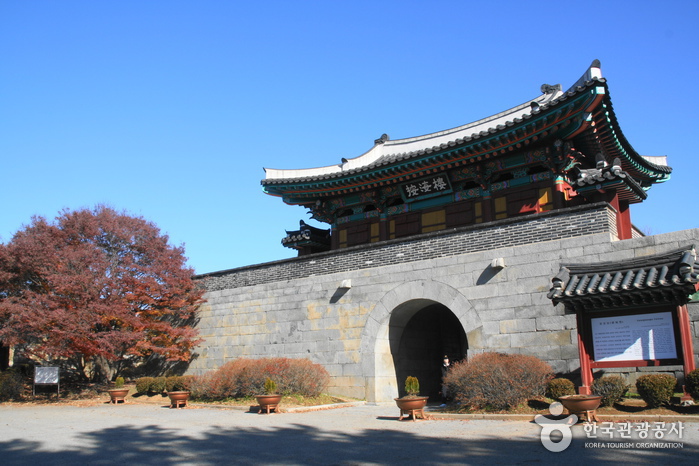
Ganghwado Island, off the west coast, is the fifth largest island in Korea. The island was connected to the mainland in 1970 with the construction of the Ganghwagyo Bridge. Another larger bridge, Ganghwadaegyo Bridge, was built in 1997, making it easier than ever to travel to Ganghwado Island from Seoul and Incheon areas. The island is home to Chamseongdan Altar on top of Manisan Mountain on the southern coast. This is said to be where Dangun Wanggeom offered sacrificial rites to the heavens. Another important item of note on Ganghwado Island is the collection of stone dolmens, a UNESCO-recognized world heritage.
Ganghwado Island has many famous local products, including the medicinally effective Ganghwa ginseng and hwamunseok, a mat woven with flower patterns. Hwamunseok is famous also as a representative traditional Korean product for its intricate handwork and designs.
⊙ [Ganghwa Nadeul-gil Course 8] Bird Watching Trail ([강화 나들길 제8코스] 철새 보러 가는 길)
View detailed guide on Korea Trip Guide →
– Homepage
www.nadeulgil.org
cafe.daum.net/vita-walk
The Ganghwa Nadeul-gil Trails are a collection of walking paths along the coast of Ganghwa Island that connect the watchtowers and and walls of Ganghwasanseong Fortress, as well as royal tombs and other historically significant sites from the Goryeo dynasty that dot the island.
[Ganghwa Nadeul-gil Course 8] Bird Watching Trail
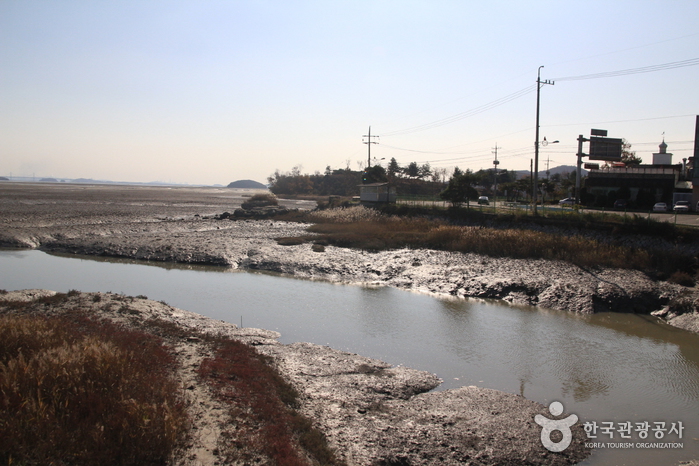
Course 8 stretches over a 17.2 kilometer area between Chojijin Fort and Bunoridondae Fortification. Set along the southern coast of Ganghwado Island, this trail showcases the island’s natural beauty and history. It is especially popular in summer when the cool ocean breeze blows and in winter when the migratory birds settle in the mud flats.
⊙ [Ganghwa Nadeul-gil Course 7] Setting Sun Trail ([강화 나들길 제7코스] 낙조보러 가는 길)
View detailed guide on Korea Trip Guide →
– Homepage
www.nadeulgil.org
cafe.daum.net/vita-walk
The Ganghwa Nadeul-gil Trails are a collection of walking paths along the coast of Ganghwa Island that connect the watchtowers and and walls of Ganghwasanseong Fortress, as well as royal tombs and other historically significant sites from the Goryeo dynasty that dot the island.
[Ganghwa Nadeul-gil Course 7] Setting Sun Trail
Course 7 stretches over a 20.8-kilometer-long loop from Hwado Parking Lot to Mud Flat Research Center and back. The trail leads through a tunnel of green leaves before opening out onto the mud flat. The mud flat is one of the world’s top five mud flats and presents a beautiful view of the ocean and mountains. Bird-watchers will love the chance to see migratory birds fly through each winter.
⊙ [Ganghwa Nadeul-gil Course 1] Simdo History & Culture Trail ([강화 나들길 제1코스] 심도역사문화길)
View detailed guide on Korea Trip Guide →

– Homepage
www.nadeulgil.org
cafe.daum.net/vita-walk
The Ganghwa Nadeul-gil Trails are a collection of walking paths along the coast of Ganghwa Island that connect the watchtowers and and walls of Ganghwasanseong Fortress, as well as royal tombs and other historically significant sites from the Goryeo dynasty that dot the island.
[Ganghwa Nadeul-gil Course 1] Simdo History & Culture Trail
Course 1 stretches over an 18-kilometer area between Ganghwa Bus Terminal and Gapgot Fortification. The trail includes sites such as Yongheunggung Palace, Ganghwahyanggyo Local Confucian School and an Anglican church. The course is an easy walk, with plenty of areas to stop and explore, as well as restaurants and convenience facilities for an enjoyable stroll.
⊙ Yongheunggung Palace (용흥궁)
View detailed guide on Korea Trip Guide →
– Homepage
www.ganghwa.go.kr
www.cha.go.kr
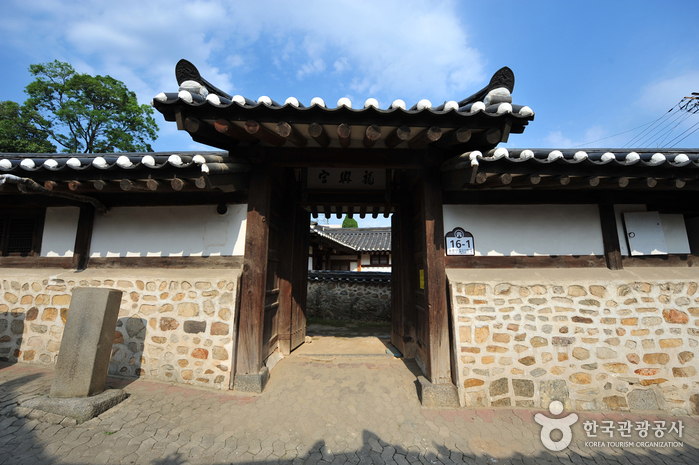
Yongheunggung Palace is where King Cheoljong (r. 1849-1863) used to live before his ascension to throne. The chief of Ganghwa County, Jeong Gi-se, enlarged the original residence and named it Yongheunggung (meaning palace of the rising dragon) in the 4th year of King Cheoljong’s reign. Its architectural features include a paljak (traditional Korean half-hipped roof) and supporting columns rendered in Jusimpo style, the column brackets placed only on top of the columns. The palace was built in the tradition of dwelling houses such as the Yeongyeongdang and Nakseonjae houses in Changdeokgung Palace, so the palace buildings give off a simple and plain atmosphere. Within the precincts of the palace are a memorial stone and a monument house indicating that the palace used to be the old home of King Cheoljong.
](https://ktrip.blogsailing.com/wp-content/uploads/2026/06/4042870_image2_1.jpg)
](https://ktrip.blogsailing.com/wp-content/uploads/2026/06/4017631_image2_1.jpg)
](https://ktrip.blogsailing.com/wp-content/uploads/2026/06/4020955_image2_1.jpg)
](https://ktrip.blogsailing.com/wp-content/uploads/2026/06/4020391_image2_1.jpg)
![Golfzon Market – LOTTE Department Store Incheon Branch [Tax Refund Shop] (골프존마켓 롯데백화점 인천점)](https://ktrip.blogsailing.com/wp-content/uploads/2026/06/4044923_image2_1.jpg)
](https://ktrip.blogsailing.com/wp-content/uploads/2026/06/4021114_image2_1.jpg)