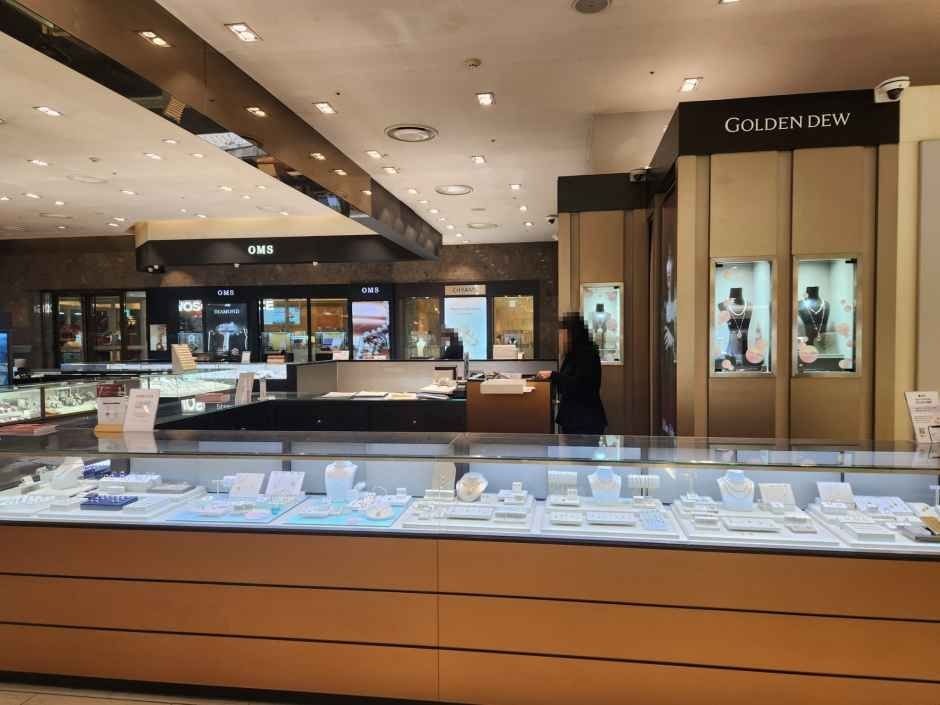
Golden Dew – AK Plaza Suwon Branch [Tax Refund Shop](골든듀 AK플라자 수원점)
Golden Dew – AK Plaza Suwon Branch [Tax Refund Shop](골든듀 AK플라자 수원점)
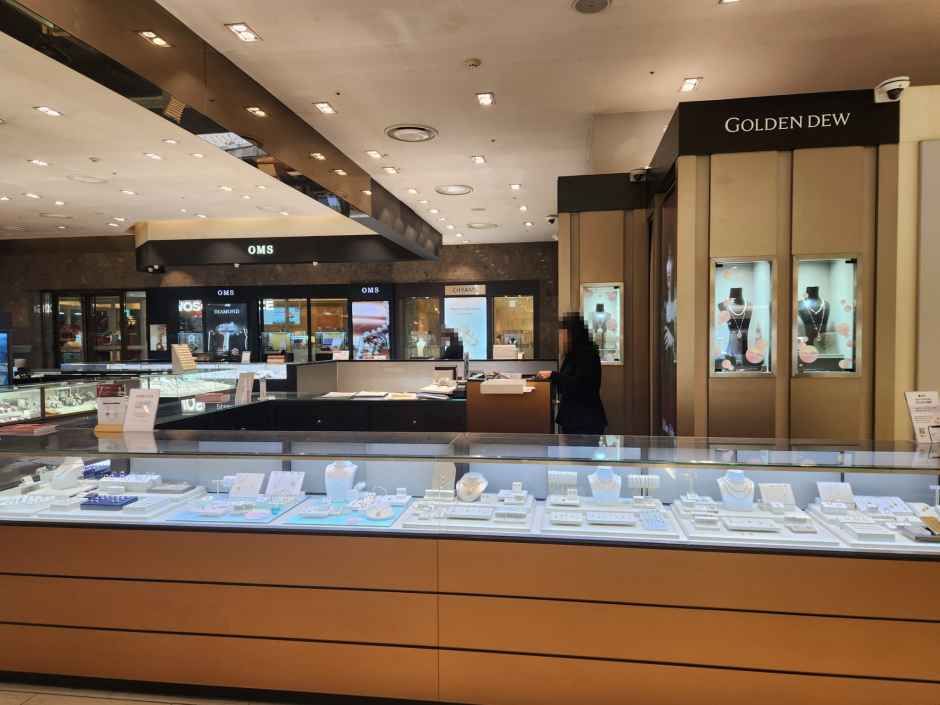 Golden Dew is a premium Korean jewelry brand known for refined craftsmanship and elegant design. Featuring diamonds and natural gemstones, its collections are often chosen for weddings, anniversaries, and other meaningful occasions.
– Address : 2F, 924, Deogyeong-daero, Paldal-gu, Suwon-si, Gyeonggi-do
※ Presentation Information
– Fair Day
Monday – Sunday
– Information and Guides
031-240-1163
– Opening Hours
10:30~20:00
– Parking
Available
– Restroom
Available
– Items for Sale
Jewelry / accessories
– Shop Guide
Refund method (Time-frame) : Claim for refund
◎ Nearby Tourism Infobox
⊙ Suwonhyanggyo Confucian School (수원향교)
View detailed guide on Korea Trip Guide →
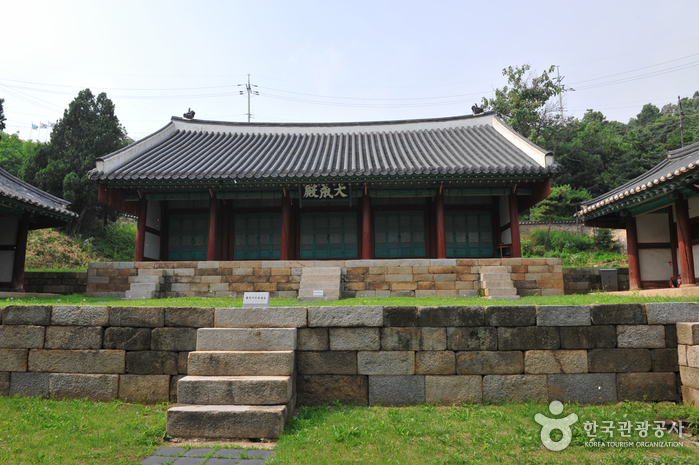
Suwonhyanggyo Confucian School was built in 1291 in front of Hwasan Mountain in Hwaseong where it stayed for nearly 500 years. It was moved to its current location in 1789 with the construction of Hwaseong Fortress. During the move, some of the original wood was exposed to water and began to rot. These parts were repaired in 1795 and efforts were made to prevent the wooden structure from futher damage. The current school is comprised of various halls, gates, and pavilions. It is registered as Gyeonggi-do Cultural Property and operates programs every summer for regional students.
⊙ Nammun Rodeo Market (남문로데오시장)
View detailed guide on Korea Trip Guide →
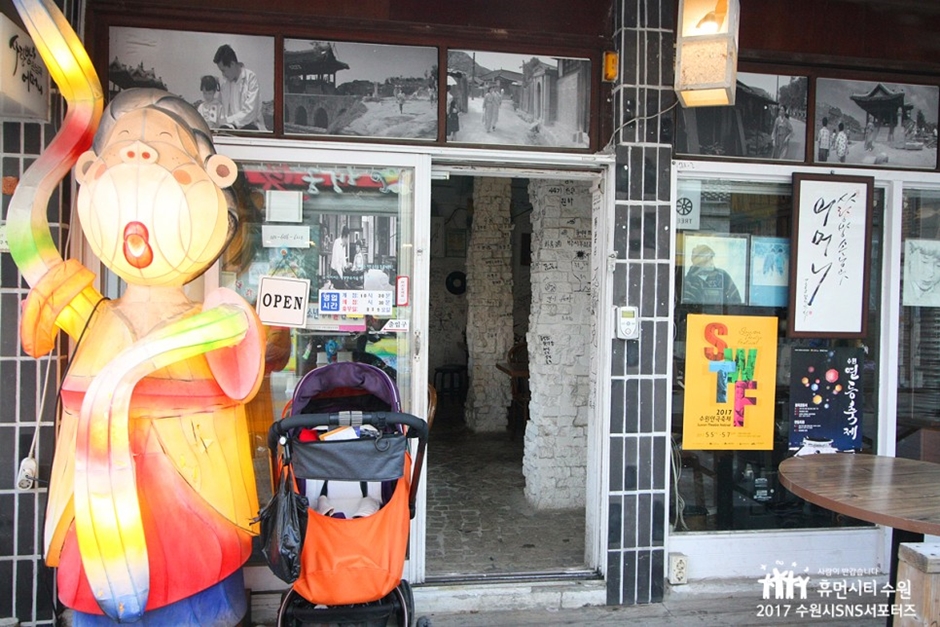
Nammun Rodeo Market is a popular spot among youngsters and couples for its unique cafes and Saturday Market, which bring art and culture together. There is a variety of cafes, jewelry shops, noraebang (karaoke rooms), and other stores, making it a great place to visit with the family or on a date.
⊙ Suwon Hwaseong Special Tourist Zone (수원화성 관광특구)
View detailed guide on Korea Trip Guide →
– Homepage
www.swcf.or.kr
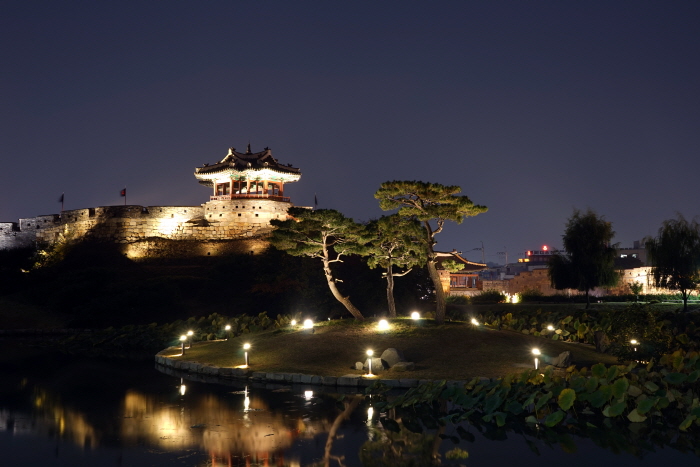
Hwaseong Fortress, Suwon, was built by King Jeongjo, the 22nd ruler of the Joseon dynasty, when he moved the tomb of his father, Crown Prince Sado, to Hwasan Mountain in Suwon. Because of its high historical and cultural value, it was designated as a UNESCO World Heritage Site in 1997. In 2016, the Hwaseong Fortress area, ranging from Paldalsan Mountain to Jangan Park, Yeonmudae Command Post, and Paldalmun Market, was designated as a special tourist zone, establishing itself as a representative tourist destination in Suwon visited by many tourists.
⊙ Suwon Workshop Street (수원 공방거리)
View detailed guide on Korea Trip Guide →
– Homepage
https://www.suwon.go.kr
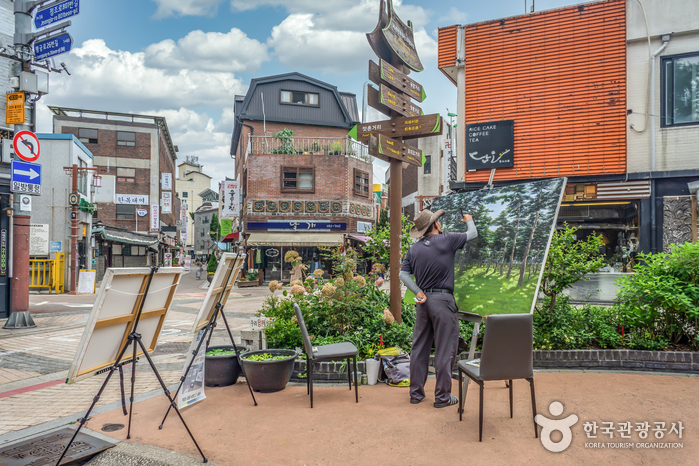
Suwon Workshop Street stretches from the plaza of Hwaseong Haenggung Palace to the Nammun Rodeo Youth Culture Performance Hall near Paldalmun Gate. The street is lined with workshops where artists display and sell their handmade crafts. Visitors can engage in various craft experiences, including woodcraft, hanji (traditional Korean paper) craft, ribbon craft, sewing, and metalworking, while also shopping for unique handmade items. In addition to the workshops, the street features Haenggung Sarangchae, a cozy spot for travelers to unwind, the Museum of Memories, and several charming cafés.
⊙ Paldalmun Market (팔달문시장)
View detailed guide on Korea Trip Guide →
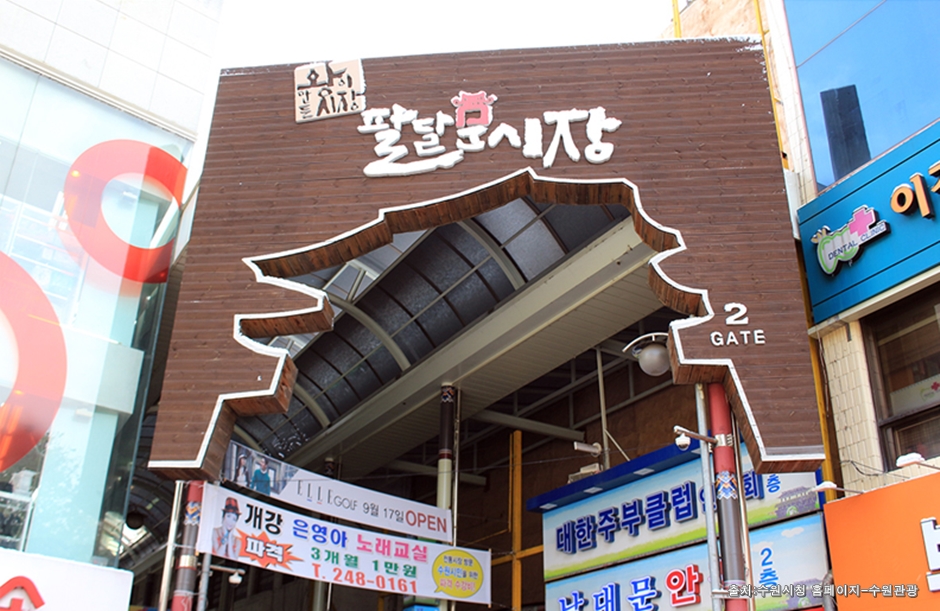
There are 9 traditional markets around Suwon’s South Gate. Among them, in Paldalmun Market, there is a whole chicken street that stretches for about 400m, so many people visit it. The old-fashioned way of frying the whole chicken in a large cauldron and the unique seasoning preserve its flavor. After visiting other connected markets, you can complete your Suwon tour by walking through the Hwaseong Fortress, a UNESCO World Heritage Site.
⊙ Hyowon’s Bell (효원의 종·서장대)
View detailed guide on Korea Trip Guide →
– Homepage
www.swcf.or.kr
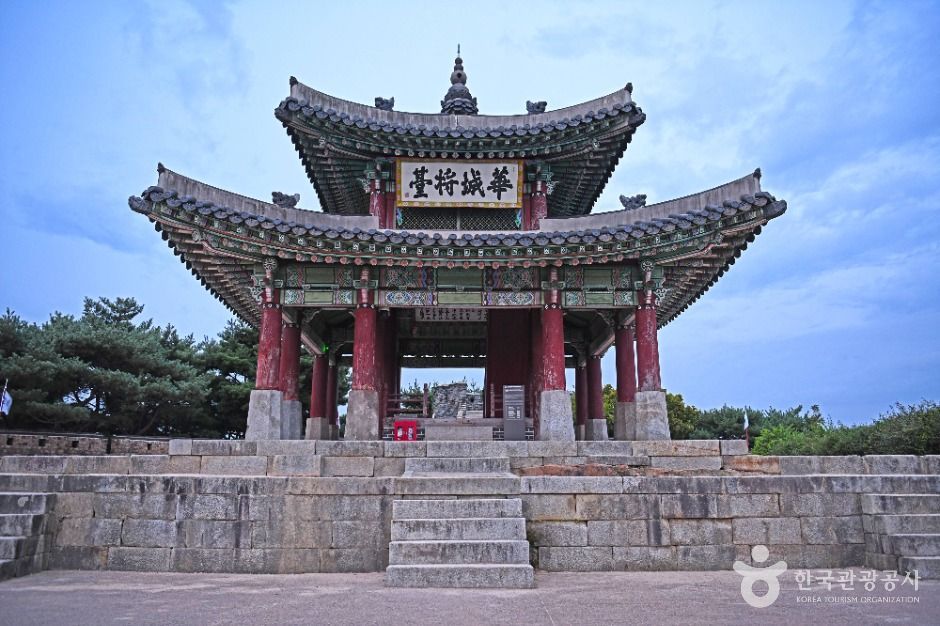
Hyowon’s Bell is located at the summit of Paldalsan Mountain. The bell was created to honor the filial devotion of King Jeongjo towards his father, Crown Prince Sado. The bell has various symbols representing the city of Suwon and its cultural assets. The bell is always rung three times- the first ring is in gratitude for the love of one’s parents, the second to hope for happiness in one’s family, and the third as a prayer for self-improvement.
](https://ktrip.blogsailing.com/wp-content/uploads/2026/06/4023735_image2_1.jpg)
](https://ktrip.blogsailing.com/wp-content/uploads/2026/06/4021972_image2_1.jpg)
](https://ktrip.blogsailing.com/wp-content/uploads/2026/06/4023684_image2_1.jpg)
](https://ktrip.blogsailing.com/wp-content/uploads/2026/06/4027626_image2_1.jpg)
![Moda Outlet – Gonjiam Branch [Tax Refund Shop] (모다아울렛 곤지암점)](https://ktrip.blogsailing.com/wp-content/uploads/2026/06/4020398_image2_1.jpg)