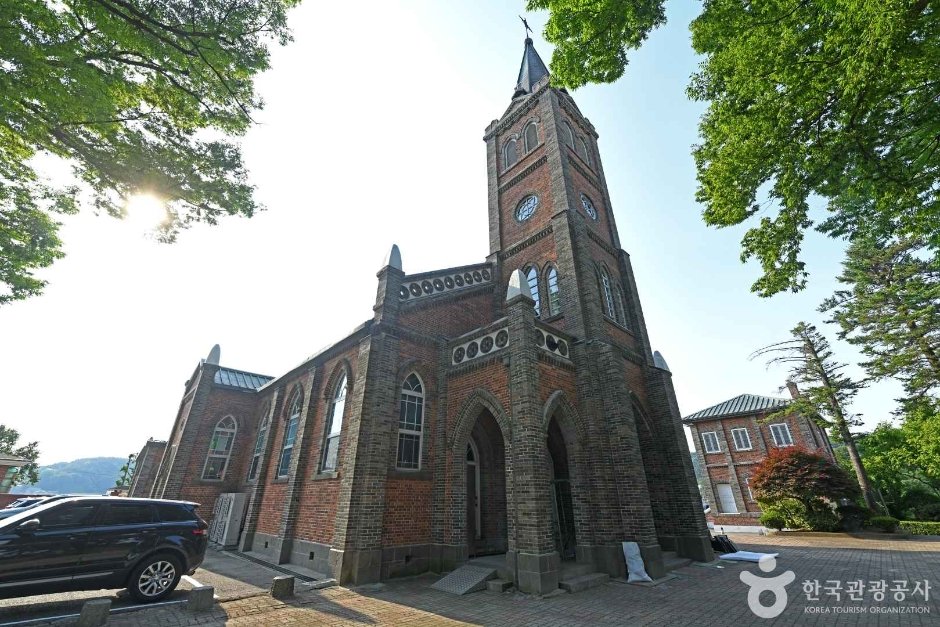
Gongju Jungdong Catholic Church (공주 중동성당)
Gongju Jungdong Catholic Church (공주 중동성당)
 – Homepage
tour.gongju.go.kr: Visit site
Jungdong Catholic Church, the first of its kind in the Gongju, was constructed in 1897 in the Gothic-style from the transitional period between traditional wooden architecture and modern architecture. The church features a cruciform layout with a red brick exterior. A tall bell tower crowns the central entrance, while pointed arches adorn the upper parts of the doorways and windows. Inside, the simple decorations and stained glass windows create a serene and graceful ambiance.
– Address : 6 Seongdang-gil, Gongju-si, Chungcheongnam-do
※ Presentation Information
– Information and Guides
+82-41-856-1033
– Parking
Available
– Day Off
N/A (Open all year round)
– Operating Hours
Open 24 hr


◎ Nearby Tourism Infobox
⊙ Chungcheongnam-do Museum of History (충청남도역사박물관)
View detailed guide on Korea Trip Guide →
– Homepage
▪ museum.cihc.or.kr: Visit site
The Chungcheongnam-do History Museum displays historical artifacts, everyday items, folk traditions, crafts, documents, paintings, and sculptures from the Middle Ages to the modern era found in Chungcheongnam-do. Its facilities include exhibition halls, a lounge, an experience room, a performance hall, and an outdoor garden. Visitors can enjoy traditional Korean games like yunnori (traditional Korean board game) and tuho (arrow-throwing). In spring, the museum hosts a cherry blossom festival in the outdoor garden during the blooming season.
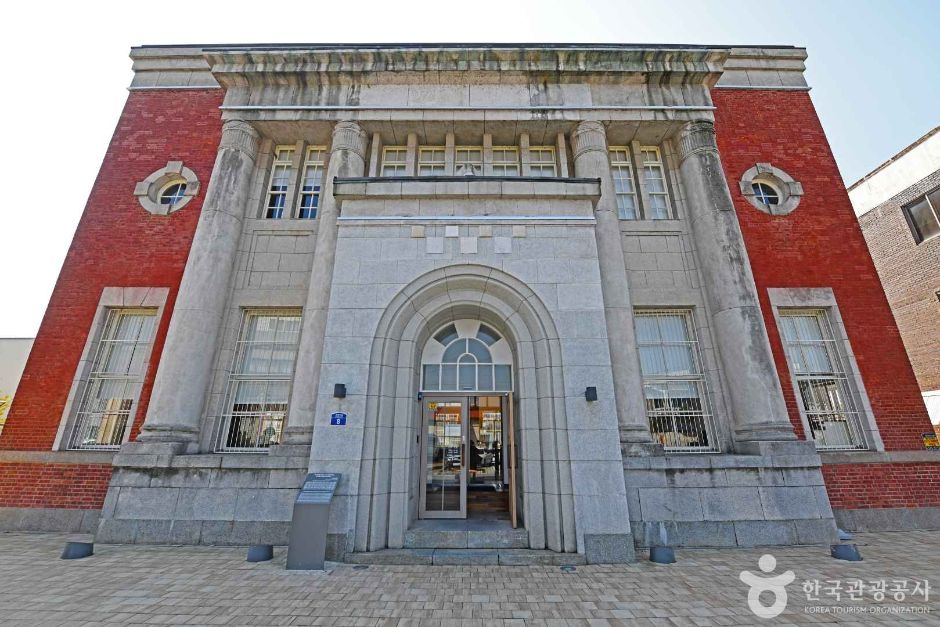
⊙ Former Gongju-eup Office (옛 공주읍사무소)
View detailed guide on Korea Trip Guide →
– Homepage
www.khs.go.kr: Visit site
The Former Gongju-eup Office, a two-story Western-style red brick building built in 1923, stands as a symbol of Gongju’s modern history. Its interior showcases old photographs of Gongju, antique furniture, and a model of the current city. It also serves as a central venue for the annual Gongju Culture Night, held every fall, featuring performances, hands-on activities, and a flea market.
⊙ Bonghwangjae Hanok Guesthouse (봉황재 한옥 게스트하우스)
View detailed guide on Korea Trip Guide →

– Homepage
Visit site
Bonghwangjae is a hanok guesthouse is in Gongju, Chungcheongnam-do. It has four guestrooms, including a master bedroom with an attic that is mainly used by families. The other rooms are smaller in size, but one has a wooden veranda. Each room has a bathroom and toilet, and the big wooden-floored hall, the kitchen, and of course the yard are shared spaces. A simple free breakfast is provided. A walking tour round the old city of Gongju is offered by the owner – as is advice on where and how to take the best photos. The main tourist attractions of Gongju can all be reached on foot.
⊙ Baekje Experience Center (백제오감체험관)
View detailed guide on Korea Trip Guide →
– Homepage
www.gongju.go.kr: Visit site
The Baekje Experience Center offers a rich array of activities that allow visitors to engage with the history they have observed at the nearby ancient tombs in Songsan-ri and the Gongju National Museum in a tactile manner. This center features eight themed halls across the first basement, and the first and second above-ground floors, offering interactive and gaming programs designed to stimulate all five senses. Activities such as rubbing pattern experience and luminous stamps allow visitors to learn about and appreciate the culture and history of Woongjin Baekje in an intuitive way. One of the center’s highlights is the Window of Sympathy in the first-floor lobby. This impressive two-story panel changes its color in response to sound and touch, promising to attract significant attention from tech-savvy visitors. It showcases content that guests have captured within the center and shared on social media, complete with hashtags. Additionally, the Window of Creation on the same floor offers a unique creative outlet. Here, visitors can color Baekje-era relics with crayons. These artworks are then transformed into graphic mapping images on the wall via a scanner, allowing for a personalized and immersive historical experience.


5 Comments