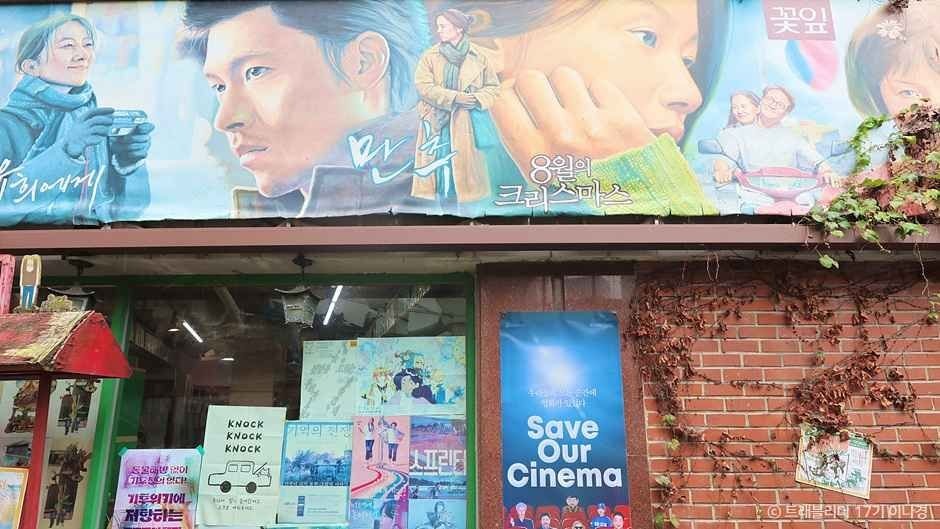
Gwangju Cinema (광주극장)
Gwangju Cinema (광주극장)
 Gwangju Cinema is an art and independent film theater that began operations in 1935 and continues to this day. It is the only single-screen theater remaining in the country. Although it featured Pansori and Changgeuk for the Korean audience, it also screened films from Japanese film companies because the local box office market was too small to operate exclusively for Koreans. Currently, it operates as an art film theater dedicated to screening independent and art films.
– Address : 10 Chungjang-ro 46beon-gil, Dong-gu, Jeonnam-Gwangju Special Metropolitan City
※ Presentation Information
– Capacity
310 seats
– Information and Guides
+82-62-224-5858
– Day Off
The day of Seollal (Lunar New Year’s Day) & Chuseok (Korean Thanksgiving Day), private rental days
– Usage Fee
Adults 10,000 won / Teenagers & Children 9,000 won / Early morning showings (before 11:00) 8,000 won


◎ Nearby Tourism Infobox
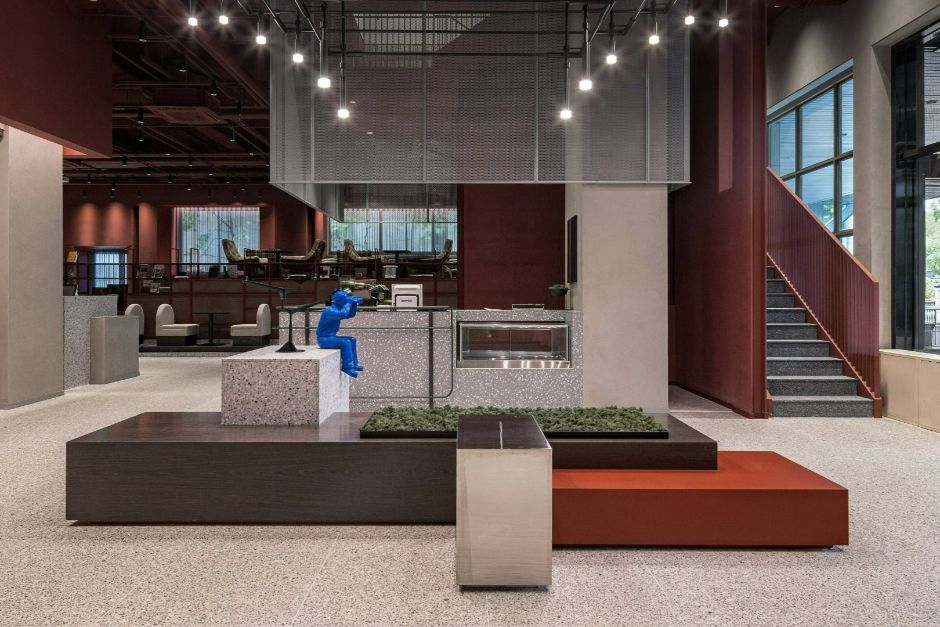
⊙ Ramada Plaza By Wyndham Chungjang (라마다플라자 충장호텔)
View detailed guide on Korea Trip Guide →
– Homepage
www.ramadaplazachungjang.com
Ramada Plaza By Wyndham Chungjang is the second Ramada Plaza in Gwangju with a view of Mudeungsan Mountain and Gwanjucheon Stream. The hotel has spacious 95 rooms with facilities including a fitness center, male-only sauna and more. Convention Center with a view of Mudeungsan Mountain, lounge and entertainment facilities with a trendy style provide guests with the comfort for any type of travel.
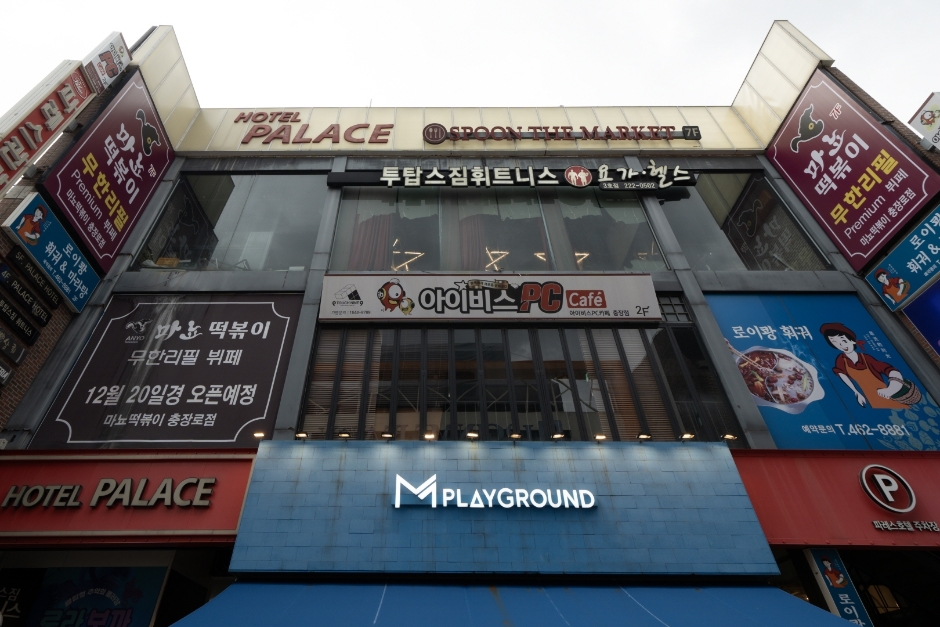
⊙ Palace Tourist Hotel (파레스 관광호텔)
View detailed guide on Korea Trip Guide →
– Homepage
palace-hotel.kr
Palace Tourist Hotel is located only a six-minute walk from Geumnamro 4(sa)-ga Station on Gwangju Subway Line 1. Nearby attractions within walking distance include Gwangju Art Street and Yangdong Market.
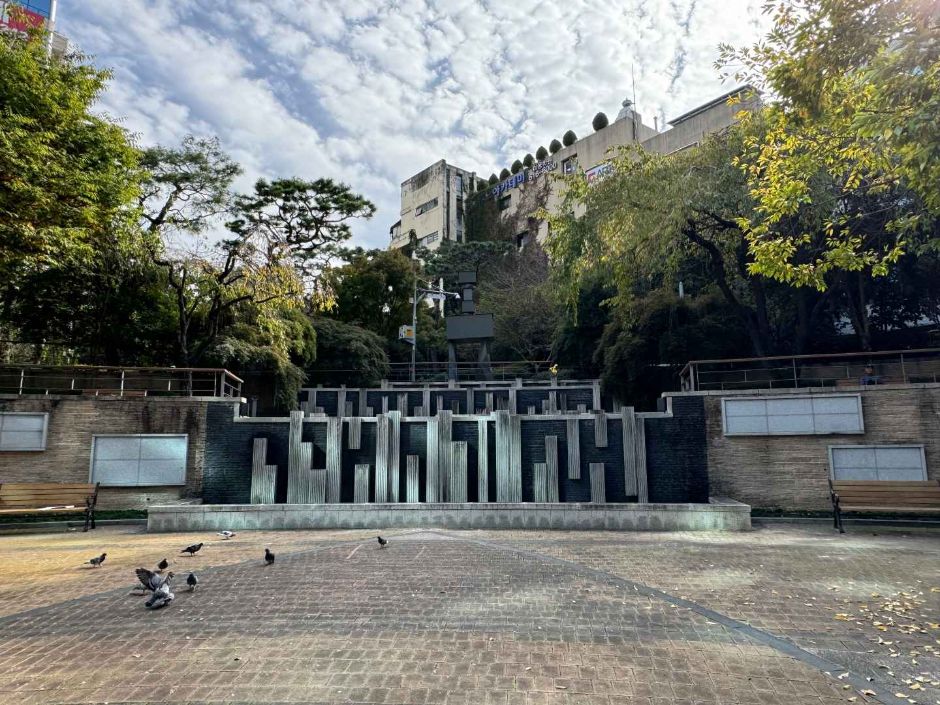
⊙ Geumnam Butterfly Garden (금남로공원 금남나비정원)
View detailed guide on Korea Trip Guide →
– Homepage
tour.gwangju.go.kr
Geumnamro Neighborhood Park, once the site of the Bank of Korea’s Gwangju branch, now hosts the enchanting Geumnam Butterfly Garden. Inspired by the glowing butterflies, the garden is a stunning curation by Gwangju, a UNESCO Creative City of Media Arts. It offers a magical setting for a night tour, transporting visitors into a fantasy world of vibrant colors and purple hues.
⊙ Gwangju Wongaksa Temple (원각사(광주))
View detailed guide on Korea Trip Guide →
– Homepage
www.wongaksa.org
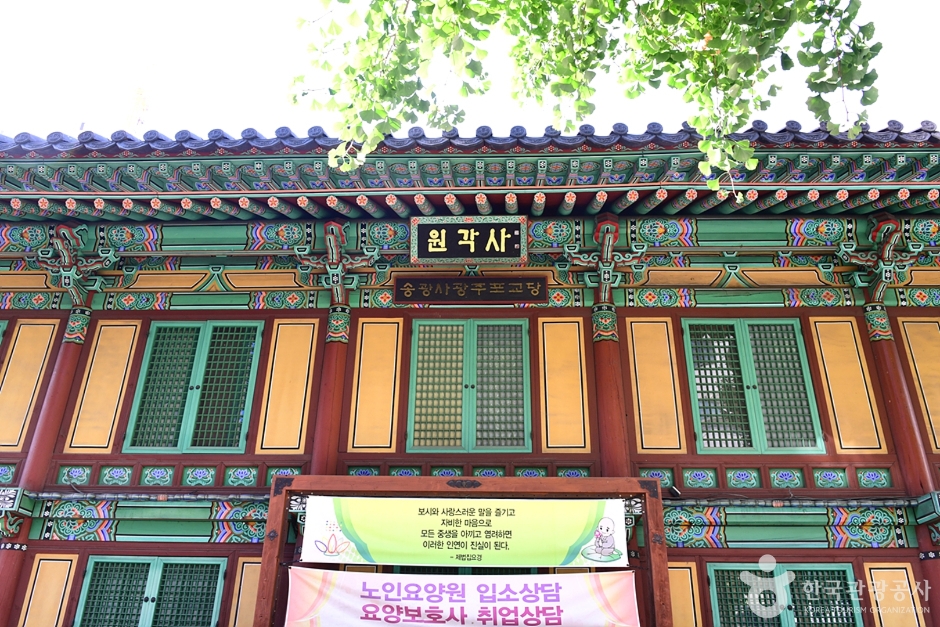
Gwangju Wongaksa Temple, a branch temple of Suncheon Seonggwangsa Temple, is part of the Jogye order of Korean Buddhism in Gwangju. Bustling with visitors, the temple offers various events, cultural activities, and Buddhist ceremonies for visitors.
⊙ Dream People Enter (드림피플엔터)
View detailed guide on Korea Trip Guide →
– Homepage
www.gjski.co.kr
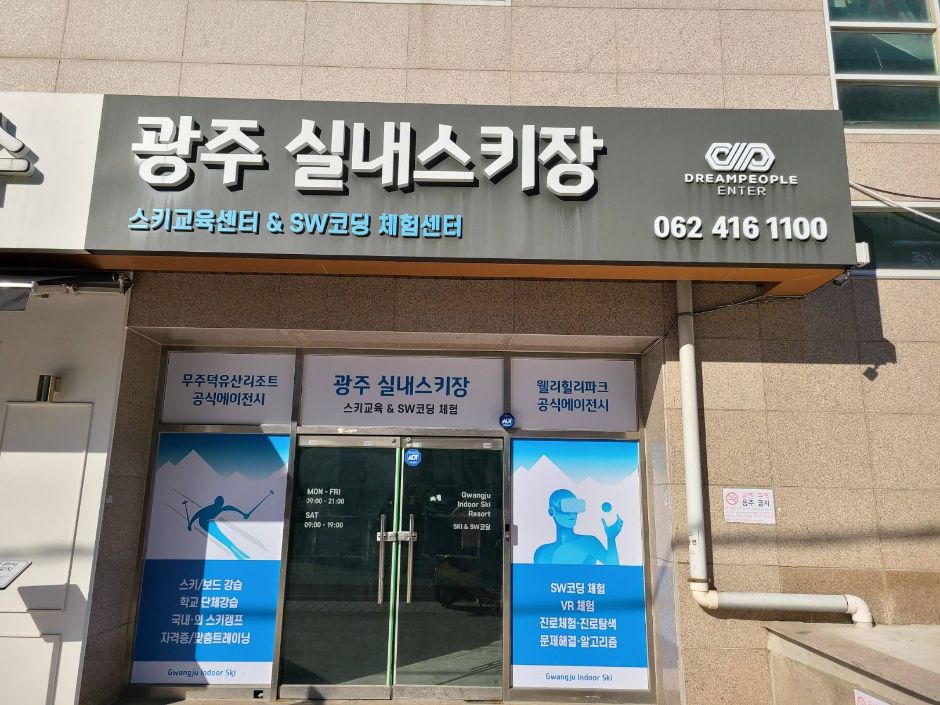
Dream People Enter is an indoor ski class facility that visitors can enjoy throughout the year with beginner and intermediate slopes and auto slope for advanced learners. The class also go on field trips to Muju Deogyusan Resort and Welli Hilli Park for ski camps and lessons. There are ski and snowboard classes for both individuals and groups. It also has facility to repair ski gears, a storage, and a ski shop.
⊙ May 18 Democratic Uprising Archives (5•18민주화운동 기록관)
View detailed guide on Korea Trip Guide →
– Homepage
www.518archives.go.kr
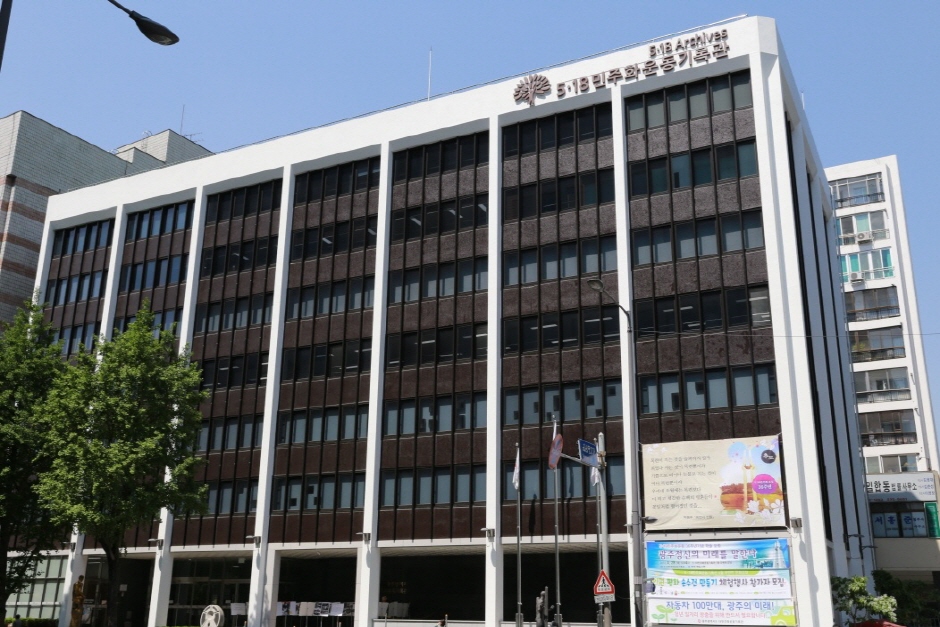
The May 18 Democratization Movement was a righteous uprising by citizens that took place in Gwangju for ten days from May 18 to 27 in 1980. The May 18 Democratic Uprising Archives was established in 2015 at the former Gwangju Catholic Center, a historical site of May 1980, to systematically collect and preserve the May 18 Democratization Movement’s heritage that led to the democracy in Korea today. Through the efforts of Gwangju citizens, visitors can see the original records of the May 18 Democratization Movement, inscribed on the UNESCO Memory of the World in 2011. Visitors can also view the records with a guide or through online exhibitions. The May 18 Democratic Uprising Archives is a place that preserves the history of all Korean citizens.
⊙ Gwangju Park (광주공원)
View detailed guide on Korea Trip Guide →
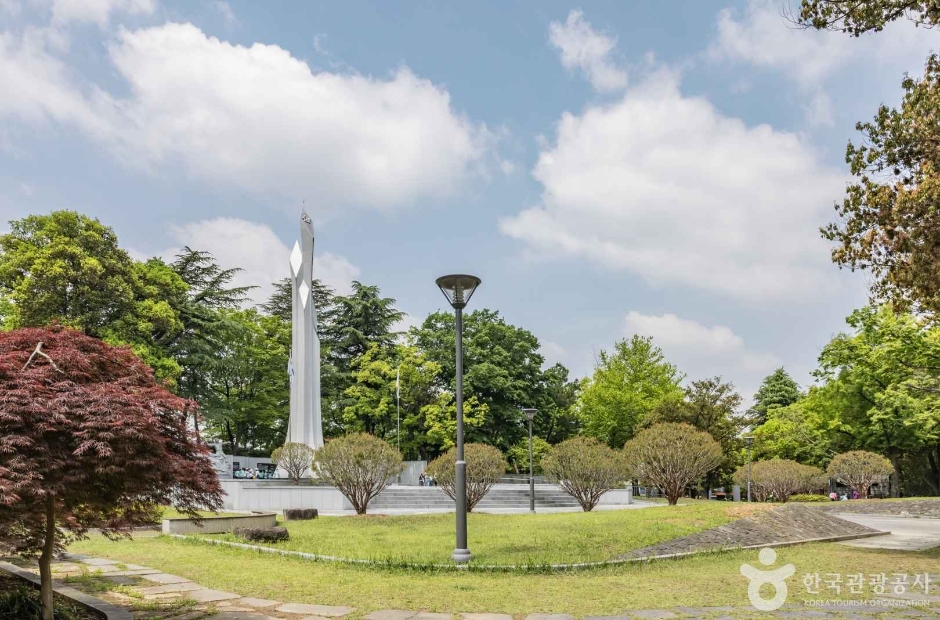
Gwangju Park, an urban Park in Gwangju, is a popular recreational spot among residents. Home to a memorial tower honoring the victims of the April 19 Revolution, Gwangju Municipal Museum, and a citizens’ hall, the park is a space where traditions and modernity coexist. Filled with trees and flower plants, it boasts beautiful scenery, especially in April, when cherry blossoms adorn the park. Nearby attractions include Gwangju Sajik Park, Asia Culture Center, and Gwangju Yangdong Market, with a stream flowing in front of the park.
⊙ Geumnam-ro Street (금남로)
View detailed guide on Korea Trip Guide →
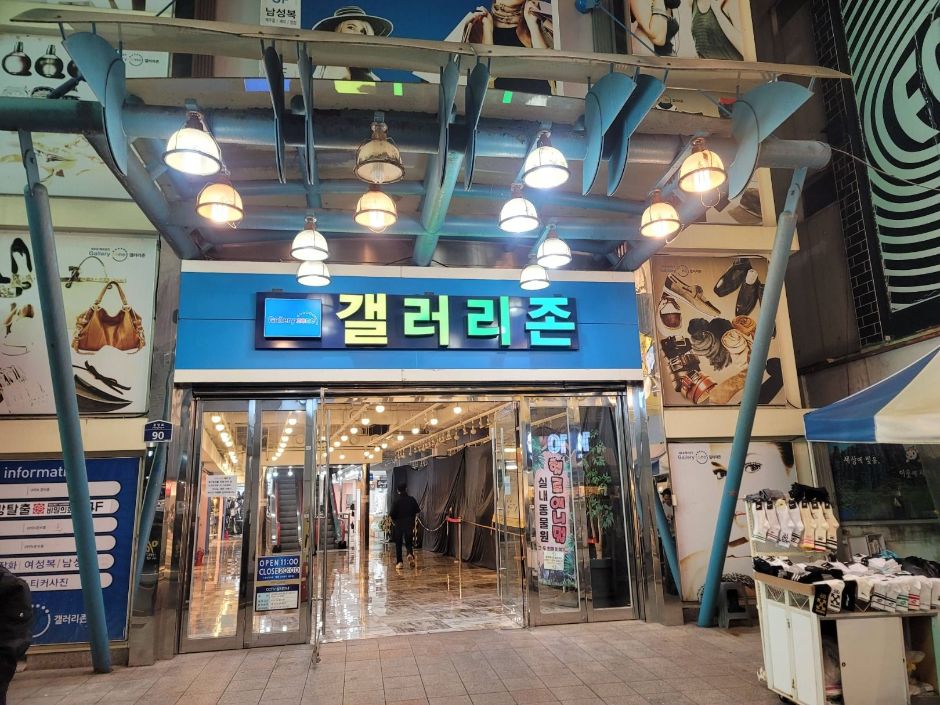
Geumnam-ro Street used to be in the government office quarters, and is now the center of the city’s finacial sphere, with many banks, insurance companies and public offices lining the street. During the May 18 Movement, the citizens gathered at Geumnam-ro Steet and marched together to express their sadness and give support for the sublimation of the nation. In modern times, the street serves as a meeting space for citizens, with an underground shopping mall and a plaza around a fountain, where events and performances freely take place.
⊙ Gwangju Chungjang-ro KPOP STAR Street(광주 충장로 케이팝 스타의 거리)
View detailed guide on Korea Trip Guide →
– Homepage
tour.gwangju.go.kr
J-hope Hope World
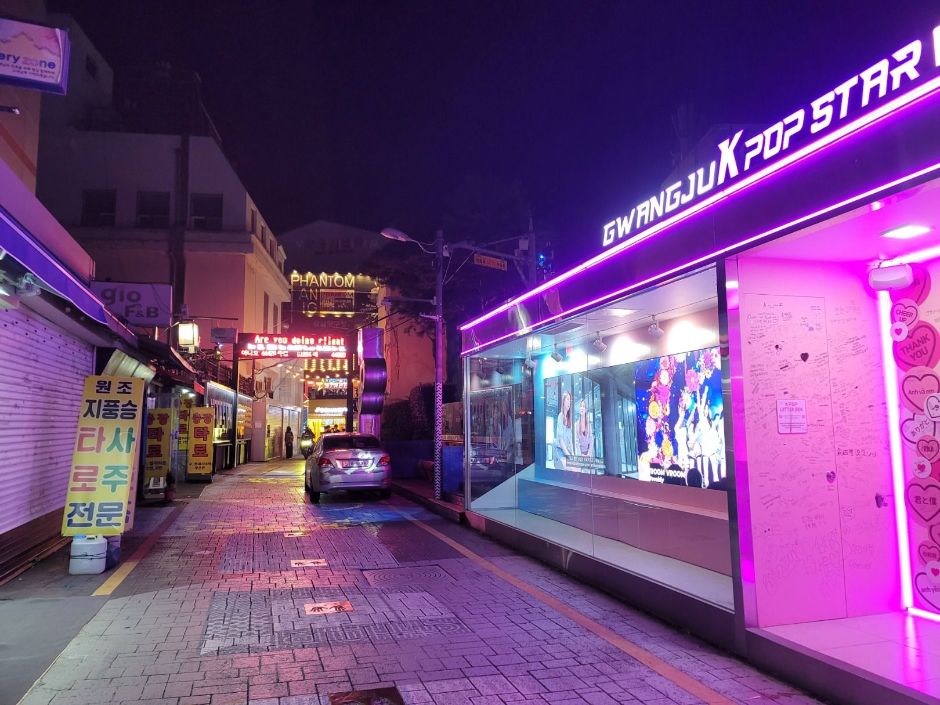
This street was created to commemorate K-pop stars from Gwangju. Within the street, there are murals depicting singers’ album jackets, benches decorated with song titles, handprints, and sculptures. After j-hope personally stopped by the bench decorated with the theme of a BTS song and posted a proof shot, it became a holy place for fans. It is one of the essential courses that ‘ARMY’ cannot miss because he left a message of appreciation and impressions of visiting this place.
⊙ Gwangjuhyanggyo Confucian School (광주향교)
View detailed guide on Korea Trip Guide →
– Homepage
www.hyanggyo.or.kr
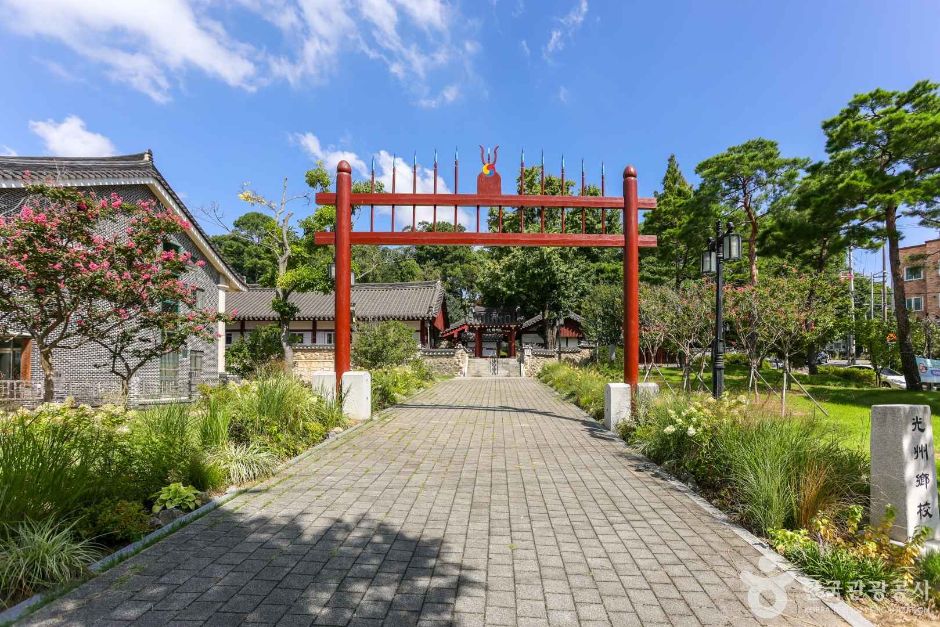
Hyanggyo was a national educational institution during the Joseon dynasty, where the tablets of distinguished Confucian scholars were enshrined, and rituals were held in their honor. In spring and fall, it hosts Seokjeon, a ritual honoring Confucius, along with Seodang (traditional Confucian school) experiences and traditional weddings, offering opportunities to immerse in Confucian culture. In summer, crape myrtle flowers bloom, and in fall, the old ginkgo tree turns golden yellow, beautifully contrasting with the traditional Joseon-style hanok architecture.
3 Comments