Gyeongju Gyochon Traditional Village (경주 교촌마을)
Gyeongju Gyochon Traditional Village (경주 교촌마을)
– Homepage
gyeongju.go.kr
At Gyeongju Gyochon Village, visitors can see the House of the Gyeongju Choi Clan (Important Folklore Material No. 27) and try some Gyeongju Gyodong Beopju Liquor (Important Intangible Cultural Asset No. 86-3). The village centers around the Gyeongju Choi Clan, a family known to have maintained their wealth for over 12 generations, producing many important people. Visitors can learn about the lifestyle and spending habits that enabled the family to do this. The village is also home to the site of Yoseokgung, the house of Silla Princess Yoseok. Nearby attractions include Gyerim Forest, Naemulwangneung Royal Tomb, and Gyeongjuhyanggyo Local Confucian School.
– Address : 39-2 Gyochon-gil, Gyeongju-si, Gyeongsangbuk-do
※ Presentation Information
– Experience Guide
[Experience centers]
– Crockery Workshop / Kiln
– Quilt-Making Center
– Mi-Gyeong Traditional Culture Center
– Wearing Gyeongju Hanbok Rental
– Gyochon Garamtteok
– Information and Guides
+82-54-779-6834
– Parking
Available
– Day Off
N/A (Open all year round)
– Operating Hours
Open 24 hr
– Admission Fees
Free
◎ Nearby Tourism Infobox
⊙ Gyochon Cultural Performance Silla Ogi(교촌문화공연 신라오기)
⊙ Yosukgung 1779 (요석궁1779)
– Homepage
Instagram @yosukgung.kr
Named after Silla King Muyeol’s daughter Princess Yoseok, Yosukgung 1779 is a fine dining restaurant that serves traditional Korean food. The resturant is run by the Choi family, who settled on the site of Princess Yoseok’s house during the Joseon dynasty, and has passed on the restaurant and family recipes through 12 generations. All the foods served are made with organic ingredients, for a healthy taste that cannot be found anywhere else.
⊙ Gyeongjuhyanggyo Local Confucian School (경주향교)
View detailed guide on Korea Trip Guide →
– Homepage
hyanggyo.kr
Gyeongjuhyanggyo Local Confucian School is located near Gyochon Hanok Village in Gyeongju. The surrounding areas, Gyochon, Gyori, and Gyodong, derive their names because of this school. Although the exact date of its original construction is unknown, Gyeongju Hyanggyo was renovated during the reign of King Seongjong of the Joseon Dynasty, modeled after Seoul’s Seonggyungwan National Academy. The buildings follow the typical Confucian layout of “hall in the front, shrine in the back.” While seowon were private academies, hyanggyo were public institutions. Although it no longer serves the educational purpose, every spring and autumn it hosts traditional Confucian rituals. It also offers cultural programs such as tea ceremonies, rice-cake pounding, and archery. From April to October it hosts traditional Korean-style demonstration weddings, where visitors can participate in the ceremonies for free.
⊙ Woljeonggyo Bridge (월정교)
View detailed guide on Korea Trip Guide →
– Homepage
www.gyeongju.go.kr
– Tel
+82-54-772-9289
Woljeonggyo Bridge, located in Gyo-dong, Gyeongju, was built during the Unified Silla period (AD 676-935), but was burnt down during the Joseon dynasty. Through historical research, the bridge was rebuilt in April 2018 to become the largest wooden bridge in Korea. According to Samguk Sagi (History of the Three Kingdoms), the bridge was built during the 19th year of King Gyeongdeok’s reign (AD 760), connecting Wolseong and Namsan together. The historical research to rebuild the bridge lasted from November 26, 1984 to September 8, 1986, finding that the bridge was made with wood for the first time. The first rebuilding of the bridge was from 2008 to 2013 and the finishing touches were added from April 2016 to April 2018. Through this research and rebuilding process, future restoration of historical buildings have a better reference to use.
⊙ Wadamjung (와담정)
– Homepage
http://wadamjung.com
– Tel
+82-54-772-5400, +82-10-6571-3412
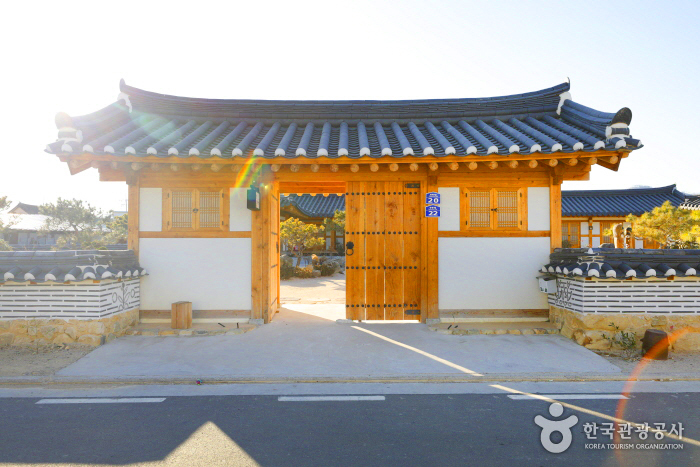
Wadamjeong in Cheonwon Village, Gyeongju, Gyeongsangbuk-do, is a hanok pension combining traditional style and atmosphere with modern convenience. All rooms have air-conditioning/heating and a bathroom with toilet. The stand-alone guestroom has its own kitchen, while other rooms have basic cooking facilities in a shared kitchen. In the spacious yard – decorated with traditional landscape scenes – visitors can try out traditional games such as Jegi (shuttlecoks) and Tuho (arrow-throwing). Historic sites such as Cheomseongdae and the Gyeongju Museum are all nearby.
⊙ Gyeongjuhanok 1st (경주한옥1번가)
– Homepage
http://hanok1st.co.kr
– Tel
+82-10-9505-5367
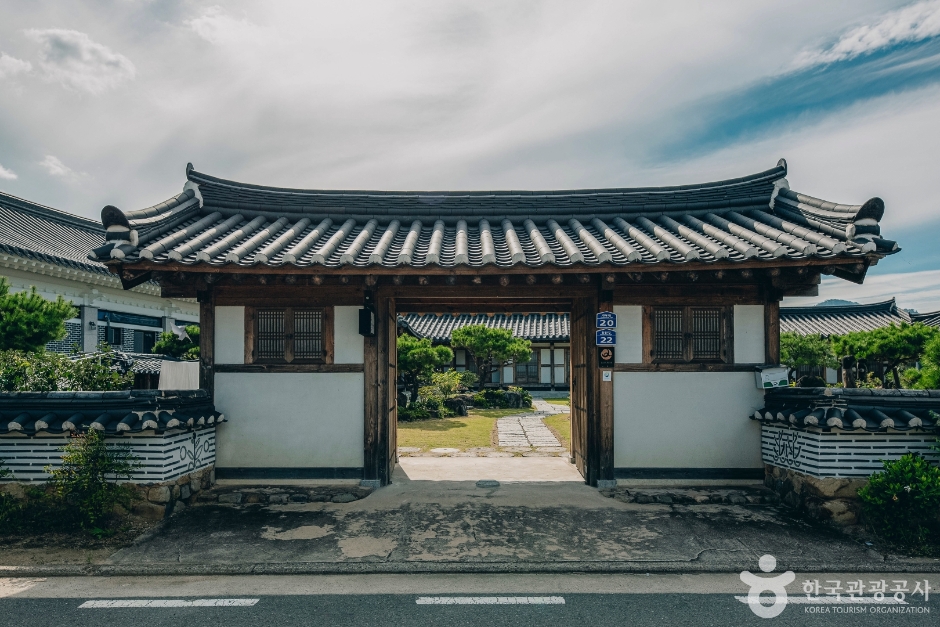
Standing at the entrance of Cheonwon Village in Gyeongju, Gyeongsangbuk-do, Gyeongju Hanok First is a hanok stay combining the beauty of tradition with modern convenience. All rooms are Korean-style with comfortable bedding on the floor, and all have a toilet and bathroom. One guestroom has its own kitchen, while the others have basic cooking facilities in a shared kitchen. The spacious yard is decorated with figurines in traditional clothes. Nearby tourist attractions include Anapji Pond, Cheomseongdae Observatory, and Gyeongju Museum.
⊙ SOSEOLJAE (소설재(첨성대점))
– Homepage
http://www.soseoljae.com
– Tel
+82-10-2237-6560
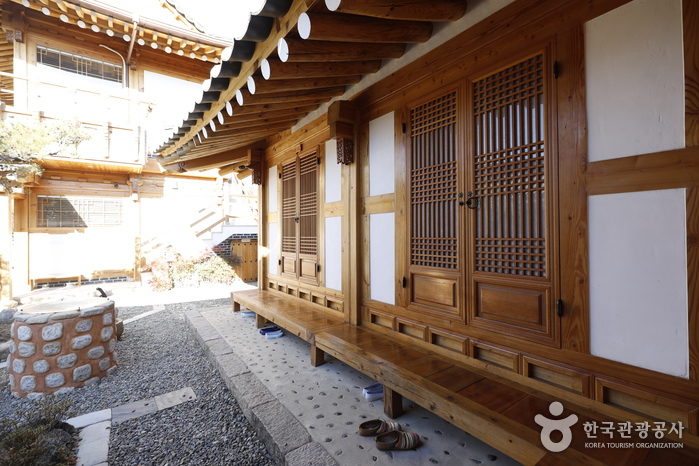
Located on a side street in Cheomseongdae in Gyeongju, Gyeongsangbuk-do, Soseoljae is a hanok stay combining traditional charm with modern facilities.The larger stand-alone guestroom has its own tea room, while 11 other rooms accomodate 2 or 3 people. All rooms are equipped with a toilet/bathroom and air conditioning/heating, and there is a small cafe at the hanok entrance. Soseoljae is close to Gyeongju Station and Gyeongju Express Bus Terminal and tourist attractions such as Cheomseongdae, Daereungwon, and Hwangnyongsaji are also nearby.
⊙ Cheonnyeonae Gyeongjuppang Chalborippang Chalboritteok (천년애 경주빵 찰보리빵 찰보리떡)
– Homepage
www.chalboribbang.com/
Cheonnyeonae Gyeongjuppang Chalborippang Chalboritteok is located on Hwangnidan Street in Gyeongju. The building is designed in a hanok-style with an antique facade. The store’s main products are chalboritteok and chalborippang, which are chewy barley rice cake and chewy barley bread, respectively. The store uses fresh barley that gets harvested every June and all products are made with barley. The chewy delicacies sold at this store have become a popular nutritious snack that represents Gyeongju.
⊙ Hanokinn (한옥人(한옥인))
– Homepage
http://www.hanokinn.com
– Tel
+82-54-749-8090
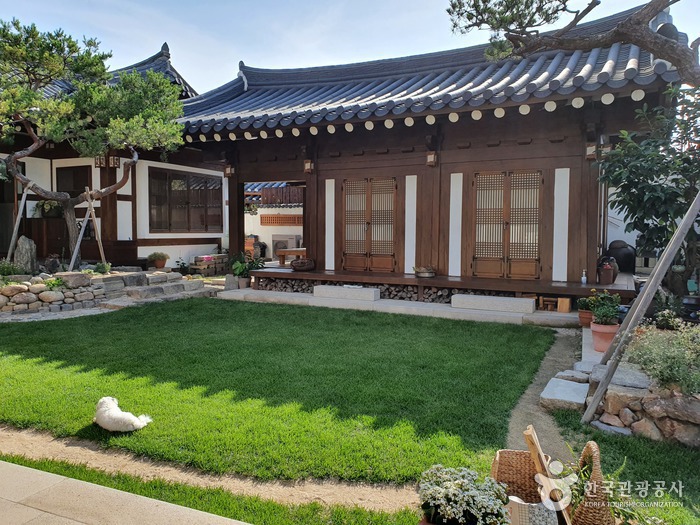
The Hanok Inn is a hotel-class traditional guesthouse in Sansu-dong, Gyeongju, Gyeongsangbuk-do, which consists of 4 separate buildings. The sarangchae – a two-story hanok with a hipped roof – contains a double room and a large family room, finished with red clay and hanji paper; both rooms have toilets. The annex building is a one-storey gable-roofed hanok with a raised wooden patio where guests can drink tea and relax. In the main building there’s a hanok experience room and a friendly cafe-restaurant where breakfast is served. The hanok’s back gate gives onto an alley leading to Hwangnidan-gil, Cheomseongdae Observatory, and the Daereungwon tomb complex; this alley is a favorite photo spot.
![Homeplus – Gumi Branch [Tax Refund Shop] (홈플러스 구미점)](https://ktrip.blogsailing.com/wp-content/uploads/2025/12/2883788_image2_1-768x576.jpg)
One Comment