Hwangnambbang (황남빵)
Hwangnambbang (황남빵)
 – Homepage
www.hwangnam.com
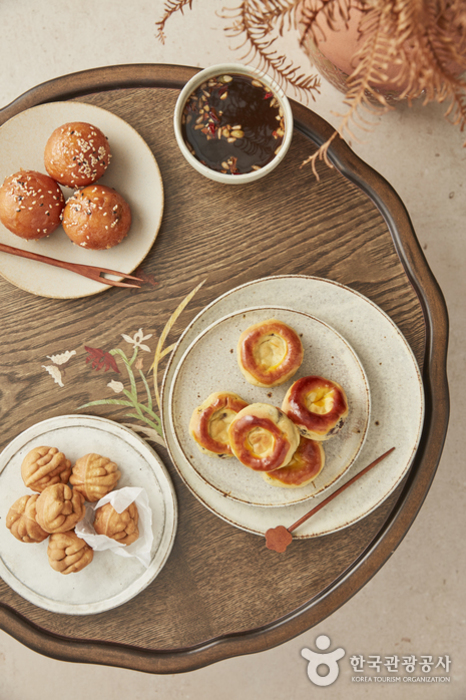
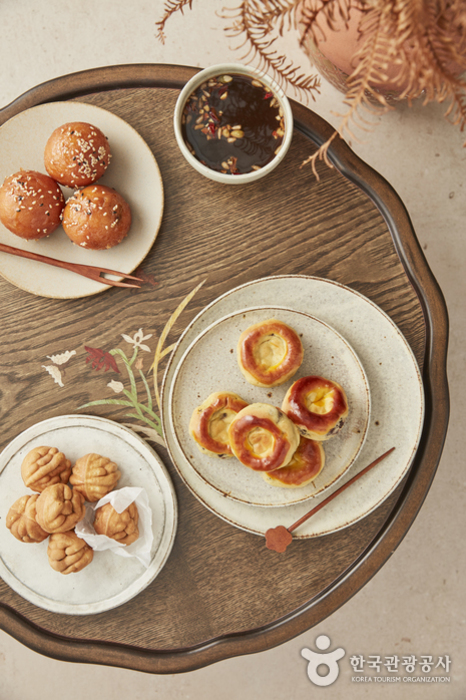
Hwangnamppang, which literally means Hwangnam bread, was created in Hwangnam-dong, Gyeongju, in 1939, and the name was popularized among people who came to Gyeongju to buy this bread. Now branded as “Hwangnambbang,” the late Choi Yeong-hwa, the founder of Hwangnam Bread, was a scion of the Gyeongju Choi family who came up with this masterpiece when he was 21 years old after much trial and error. Choi’s creation is based on the tradition of rice cakes and bread made with sweet red beans, passed down throughout the generations in his family. Even today, 80 years after the creation of the bread, it is only flavored with red beans. Another defining feature of Hwangnambbang is the delicate comb pattern inspired by the aesthetics of the Silla period.
– Address : 783 Taejong-ro, Gyeongju-si, Gyeongsangbuk-do
※ Presentation Information
– Main Dish
Hwangnam Bread
– Information and Guides
+82-54-749-7000
– Menu
Hwangnam Bread
– Opening Hours
08:00-22:00
– Parking
Available
– Day Off
N/A (Open all year round)
– Subsidiary Facilities


◎ Nearby Tourism Infobox
⊙ Folder – Gyeongju Branch [Tax Refund Shop] (폴더 경주점)
– Homepage
folderstyle.com
⊙ Innisfree – Gyeongju Branch [Tax Refund Shop] (이니스프리 경주점)
– Homepage
innisfree.com
⊙ Artbox – Gyeongju Branch [Tax Refund Shop] (아트박스 경주)

– Homepage
https://www.poom.co.kr/
–
⊙ Holika Holika – Gyeongju Branch [Tax Refund Shop] (홀리카홀리카 경주점)
– Homepage
www.holikaholika.co.kr
⊙ 141MINIHOTEL (141미니호텔)
– Homepage
http://www.141minihotel.com
– Tel
+82-54-742-8502
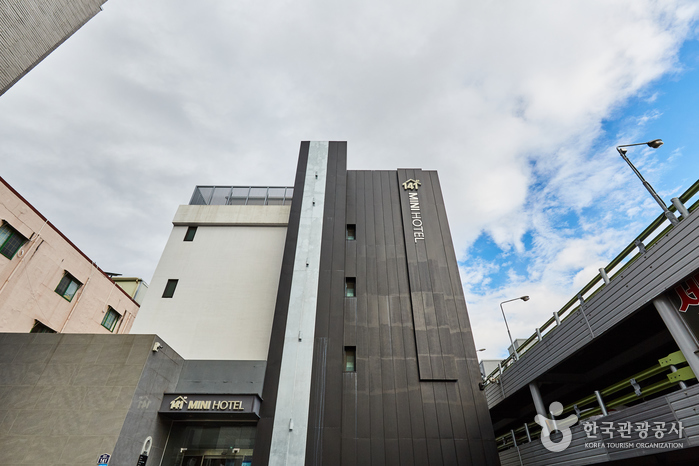
The 141 Mini Hotel is in Gyeongju, Gyeongsangbuk-do – capital of the ancient Silla kingdom and often described as ‘a museum without walls’. The hotel caters to both holiday and business travelers, and hotel facilities include a book cafe, gallery, board game room, and business center, so visitors enjoy hotel-level convenience at motel-level prices. Gyeongju Station and Gyeongju Express Bus Terminal are just 5 minutes and 10 minutes away respectively; while tourist sites such as Daereungwon Tomb Complex, Donggung Palace and Wolji Pond, Cheomseongdae, and Bulguksa Temple are all nearby.
⊙ Gyeongju Historic Area [UNESCO World Heritage] (경주역사유적지구 [유네스코 세계문화유산])
View detailed guide on Korea Trip Guide →
– Homepage
www.gyeongju.go.kr
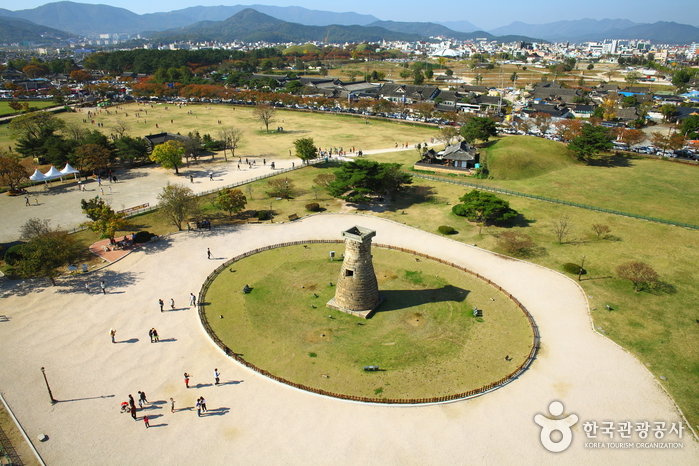
The Gyeongju Historic Area, registered as a UNESCO World Cultural Heritage on November 2000, is an area that embodies the time-honored history and culture of Gyeongju, the ancient capital of the Silla Kingdom (57 BC-AD 935).
The Gyeongju Historic Area can be divided into 5 major sections. The first section is the Namsan Area, a treasure trove of Buddhist art masterpieces dating back to the Silla Kingdom. Gyeongju Namsan Mountain (often referred to as an ‘outdoor museum’) is home to many historical heritage sites from the Silla Kingdom. Major attractions include: Poseokjeong Pavilion Site (Historic Site), Rock-carved Buddhas in Tapgok Valley (Treasure), Three-story Stone Pagoda in Cheollyongsa Temple Site (Treasure), Rock-carved Buddhas at Chilburam Hermitage (Treasure), Rock-carved Seated Buddha in Bulgok Valley (Treasure), and 37 other Buddhist relics
The second section is the Wolseong Area, one of the former palace sites of the Silla Kingdom. The area consists of Gyerim Forest (Historic Site); Donggung Palace and Wolji Pond (Historic Site), a Silla Royal Palace site; and Cheomseongdae Observatory (National Treasure), the oldest observatory in Asia.
Daereungwon Ancient Tomb Complex, the third area, features a cluster of the royal graves of the kings and queens of Silla. Also in the same area are Ancient Tombs in Nodong-ri (Historic Site), Ancient Tombs in Noseo-ri (Historic Site), Ancient Tombs in Hwangnam-ri (Historic Site), and Five Royal Tombs (Historic Site), among others. Archaeologists have discovered a number of invaluable relics and historic items in this area such as Geumgwan (golden crown), Cheonmado (a painting of flying horses), and numerous pottery pieces. These finds are perhaps the greatest clues into the life of the people of the Silla dynasty.
Area number four, the Hwangnyongsa Temple Site, is where the former site of the Hwangnyongsa Temple (Historic Site) and Bunhwangsa Stone Pagoda are located. Last is the Sanseong Area, housing remnants of the major defense system for the capital city. The site consists of Myeonghwalsanseong Fortress (Historic Site) which is estimated to be around 400 years old.
The Gyeongju Historic Area has a total of 52 designated cultural assets that are registered as World Cultural Heritages.
⊙ Second Face – Gyeongju Jungang Branch [Tax Refund Shop] (세컨페이스 경주중앙점)

– Homepage
secondface.kr
–
⊙ Neungpo Dawon (능포다원)
View detailed guide on Korea Trip Guide →
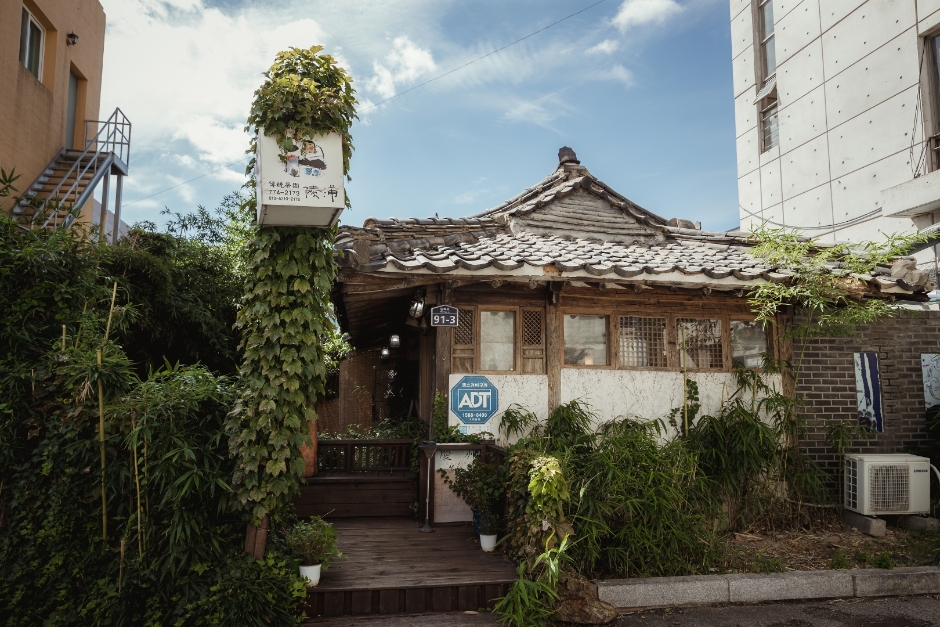
A traditional Hanok tea house subtly nestled among buildings. It served as the filming location for the traditional tea house “Arisol” managed by Gong Yoon-hee in the movie “Gyeongju.” The tea, brewed by the owner, boasts a rich flavor. The painting “Chunhwa” that served as the movie’s motif is a work by the husband of the tea house owner. Various artworks, starting with “Chunhwa,” are displayed throughout the tea house.
⊙ ALLEY HOSTEL & GUESTHOUSE (앨리게스트하우스)
– Homepage
https://alleyhostel.modoo.at
– Tel
+82-10-6211-1402
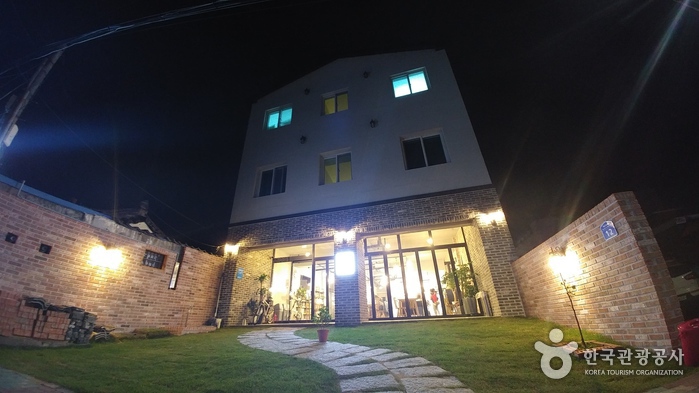
The Alley Guest House in central Gyeongju, Gyeongsangbuk-do, is a 3-minute walk from Gyeongju Station, and is popular with hikers. Guestrooms range from single and twin rooms to family rooms and dormitories with bunk beds. There’s no parking lot, but parking can be arranged for family room customers. All rooms have AC, a bathroom and shower, and lockable doors. A simple free breakfast and a luggage storage service are provided. Nearby must-see places include Daereungwon, Cheomseongdae, Donggung Palace and Wolji Pond.
One Comment