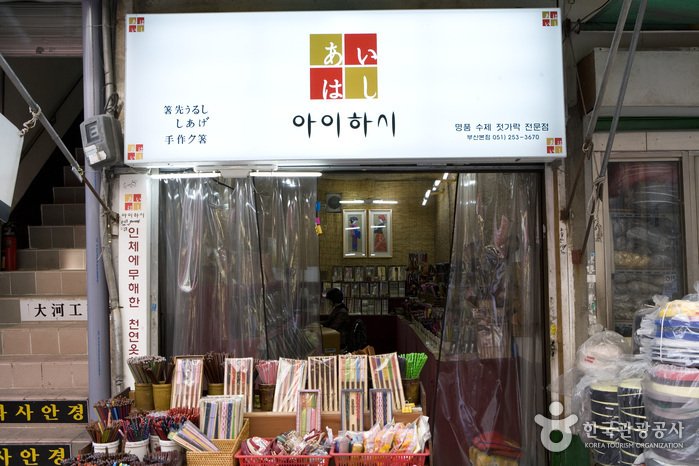
Ihasi (아이하시 (수제젓가락공예))
Ihasi (아이하시 (수제젓가락공예))
 Ihasi boasts high-quality, handmade chopsticks that use only natural wooden materials and varnishes. Only natural lacquer is used for the part of the chopsticks that comes in contact with the mouth.
– Address : 33 Gukjesijang 2-gil, Jung-gu, Busan
※ Presentation Information
– Information and Guides
+82-51-253-3670
– Opening Date
2006-10-22
– Opening Hours
10:00-18:00
– Day Off
N/A (Open all year round)
– Parking
Available
– Items for Sale
Chopsticks, spoons, ladles, and rice paddles
– Shop Guide
1F Tradtional items store
◎ Nearby Tourism Infobox
⊙ Gukje Market (국제시장)
– Homepage
gukjemarket.co.kr
The current marketplace of Gukje Market first formed after the liberation of Korea from the Japanese administration when people gathered to trade overseas products left by the Japanese and brought in by Koreans who came back from abroad. Following the Korean War, refugees who fled to Busan set up stalls in order to make a living by selling smuggled or imported products, which developed into Gukje Market (gukje meaning “international” in Korean) of today. Gukje Market is one of Korea’s largest markets and a testament to Korea’s modern history. The market is divided into two wings, and first-timers to the market are advised to be careful not to get lost in the maze-like alleys and halls.
⊙ Gukje Market Food Street (국제시장 먹자골목)
View detailed guide on Korea Trip Guide →
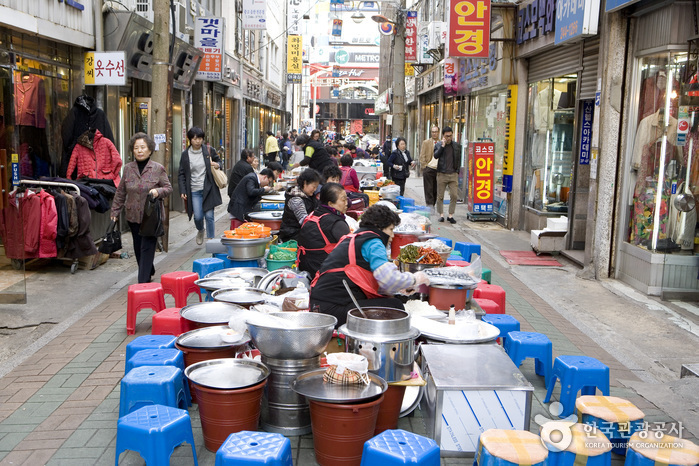
– Homepage
eng.gukjemarket.co.kr
Gukje Market Food Street has more than 60 years of history as one of Busan’s traditional markets’ most famous food streets. It is known for a number of dishes, such as Chungmu gimbap served with sweet and sour squid salad, sweet-and-spicy tteokbokki, milmyeon (wheat noodles), dwaeji gukbap (pork and rice soup), sundae, patbingsu (shaved ice with red beans), and Busan’s iconic bibim dangmyeon (spicy glass noodles). These dishes are enjoyed on small stools next to the street stalls. The sight of the diners lining the stall is one of the defining views of traditional markets in Korea. Visitors can also find suitable clothing, shoes, and accessories here.
⊙ Urigeulbang (우리글방)
View detailed guide on Korea Trip Guide →
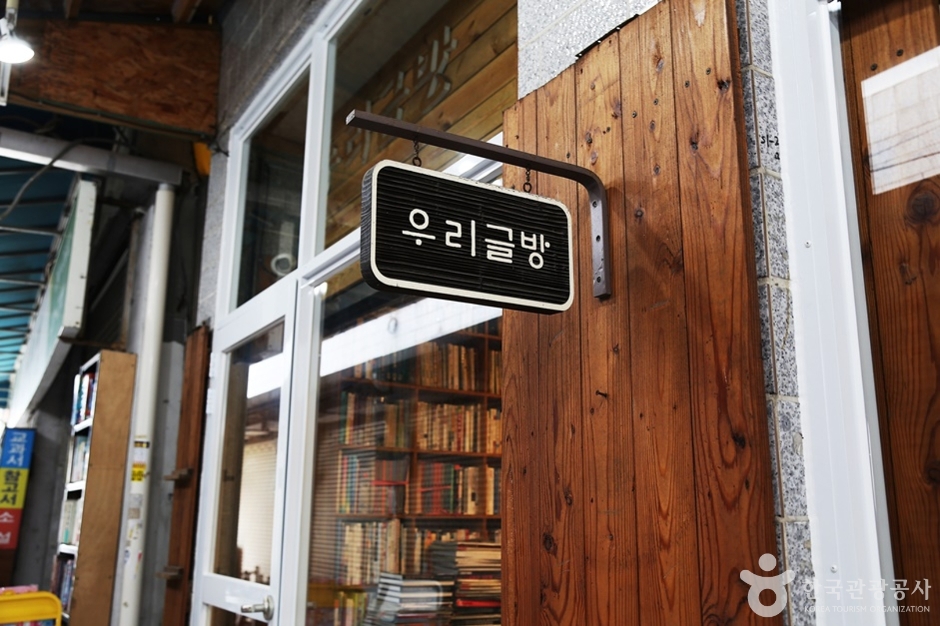
– Homepage
www.woorigulbang.modoo.at/
Urigeulbang, a venerable bookstore located in the renowned Bosu-dong Book Street in Busan, is celebrated for its trade in used books. This bookstore doubles as a book café, allowing visitors the unique experience of reading from its extensive collection while enjoying a cup of coffee or other beverages, without the obligation to purchase a book. The owner, an enthusiastic collector of used books, has amassed a vast array of old and rare editions, making it a treasure trove for bibliophiles. Adjacent to Urigeulbang is the Bosu-dong Book Street Cultural Center, where visitors have the opportunity to delve into the rich history of this unique bookstore alley.
⊙ Bosu-dong Book Street Cultural Center(보수동 책방골목 문화관)
View detailed guide on Korea Trip Guide →
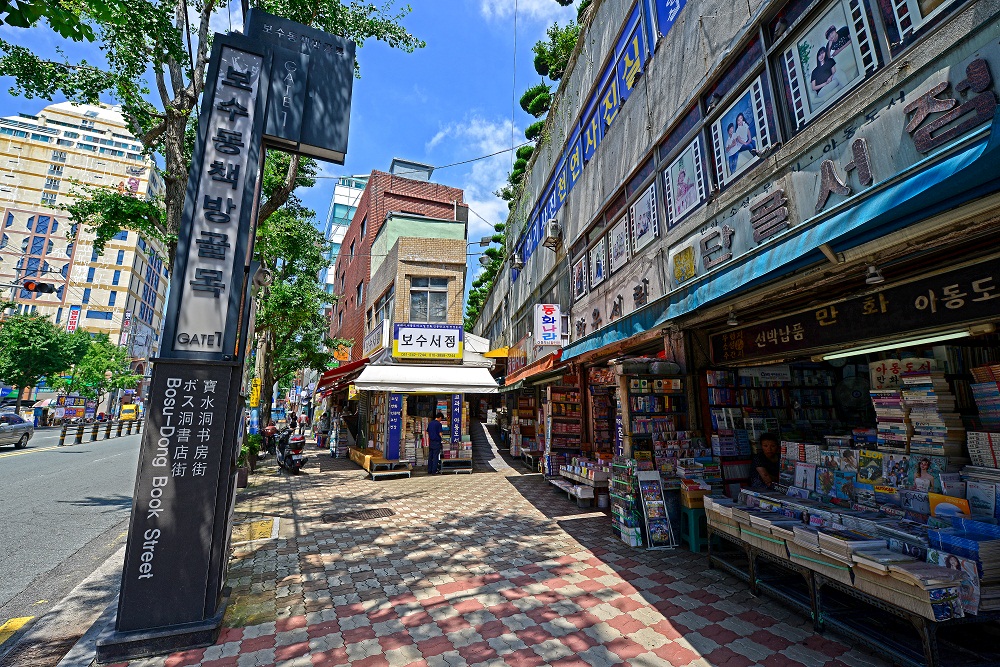
– Homepage
http://www.bosubook.com
http://cafe.naver.com/bosubook
http://bosubook.alltheway.kr (Korean only)
[The used bookstore that sells memories]
Bosu-dong Book Street has a unique background. It was formed after the independence of Korea (August 15) as a residential area in the empty place where the previous Gukje Market was demolished. Book stores began opening one-by-one and soon the street became known as Bosu-dong Book Street. The street is popular amongst booklovers for their used books as well as new books, and amongst travelers for the street’s unique atmosphere. Many young adults also frequent the street because there are many specialty shops for comic books. Every year, the Bosu-dong Culture Festival takes place and visitors can participate in events such as, make-your-own book cover, make-your-own book, and so on. The festival not only gives an opportunity to learn about the history of Bosu-dong Book Street, but have a good time as well.
⊙ Yangsanjip (양산집)
View detailed guide on Korea Trip Guide →
A long-standing dwaeji gukbap restaurant beloved by both vendors and visitors of the Kkangtong Market. The restaurant is small, so it’s often necessary to wait for a seat. Despite this, it remains popular among regulars, who are more than willing to wait. The popular menu item is the suyuk baekban (boiled pork slices set menu), which includes soup, rice, and separately served boiled pork.
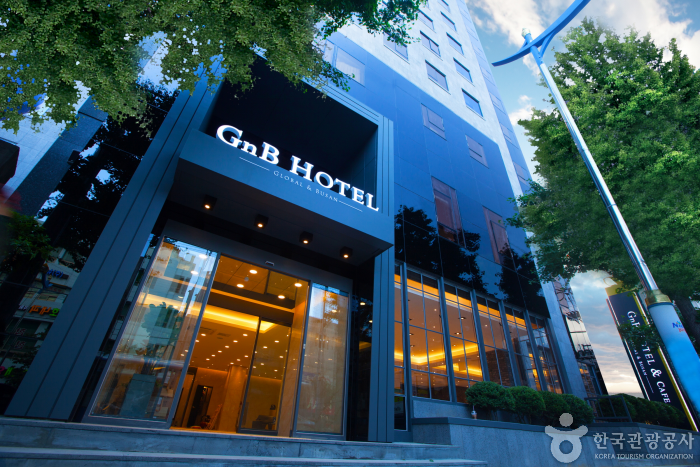
⊙ GnB HOTEL (지엔비호텔(GNB호텔))
– Homepage
https://busangnbhotel.modoo.at/
GnB Hotel is a large-scale hotel located 10 minutes’ walk from Jagalchi Station on the Busan Subway. It offers a wide range of room types, including Standard, Deluxe, Suite, and Penthouse. Specifically, the Penthouse and Penthouse+ rooms, which are the pride of the hotel, feature whirlpool spas where you can relax after a long journey while taking in the scenery of downtown Busan. They are also equipped with an induction cooktop and kitchenware. The restaurant on the B1 floor serves breakfast. The business center on the first floor provides guests with free access to a printer and scanner.
⊙ Busan Modern & Contemporary History Museum – Main Building (부산근현대역사관 본관)
View detailed guide on Korea Trip Guide →
– Homepage
www.busan.go.kr/mmch
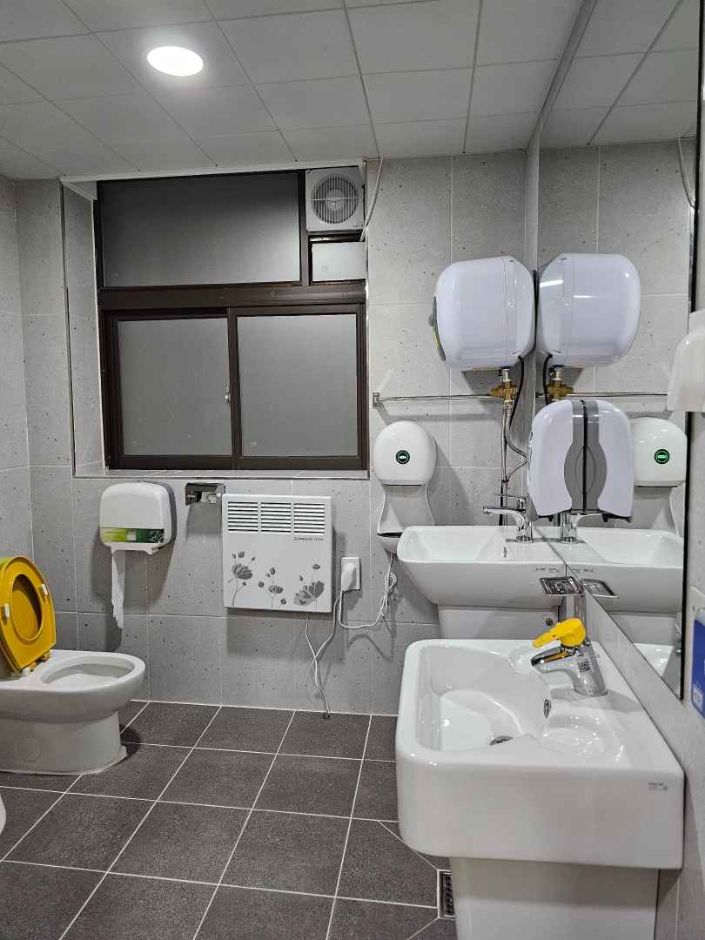
Busan Modern & Contemporary Museum showcases the evolving identity of Busan through various exhibitions and programs. Housed in the former Bank of Korea Headquarters building, the museum’s main building is a first-generation Korean architectural building. It features exhibitions and performances by young artists on the basement floor, and houses the Bank of Korea archive room, a café, a lounge and a gift shop on the first floor. The second floor is dedicated to special exhibitions, while the third and fourth floors offer educational spaces and historical exhibitions that trace Busan’s changing identity from the turbulent colonial period to the present day, offering visitors a meaningful glimpse into modern Korean history.
⊙ Busan Tower (부산타워)
View detailed guide on Korea Trip Guide →
– Homepage
www.bisco.or.kr
Busan Tower, standing at 120 meters tall, is an iconic observation tower situated in Busan’s Yongdusan Park. This tower offers visitors panoramic views of Busan Port and Yeongdo Island. A highlight is the nightly fireworks mapping show, where graphical displays are projected onto the windows, creating a mesmerizing backdrop against the colorful night view of Busan Port Bridge. The lower floor of the tower is a haven of amusement, themed around a flying submarine. On the second floor, visitors will find a photo zone and rooms decorated with themes representing famous travel destinations in Busan.
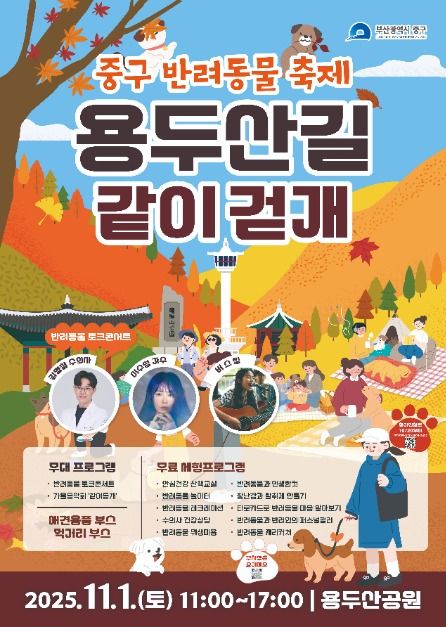
⊙ Busan Jung-gu Pet Festival (부산중구반려동물축제)
View detailed guide on Korea Trip Guide →
– Homepage
www.bsjunggu.go.kr
– Tel
+82-70-8893-2437
Busan Jung-gu Pet Festival is a pet cultural event featuring various programs such as walking programs, health consultations, and behavior training programs that pets and their owners can participate in together. The event aims to spread the culture of responsible pet ownership and revitalize the local pet industry.
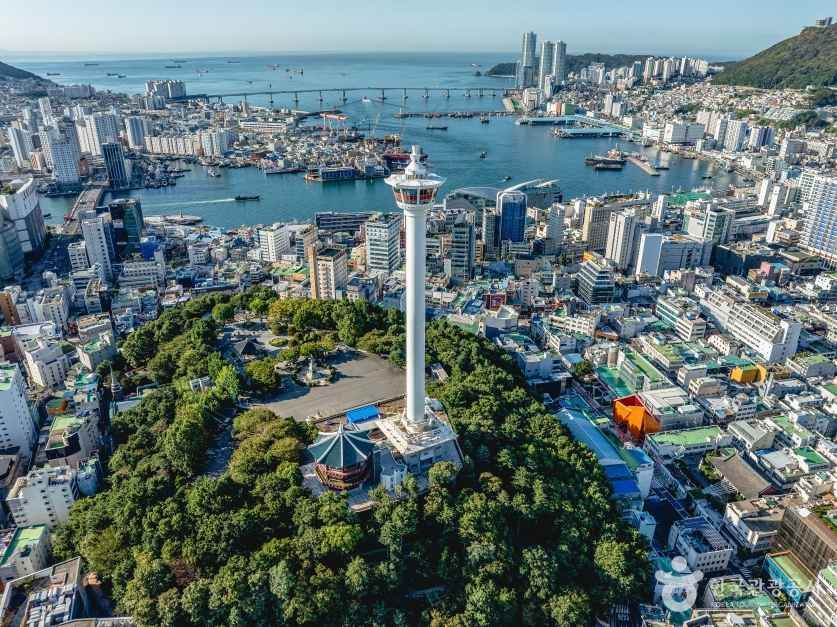
⊙ Yongdusan Park (용두산공원)
View detailed guide on Korea Trip Guide →
– Homepage
bisco.or.kr/yongdusanpark
Situated at the heart of Busan, Yongdusan Park is famous for its escalators, which connect the Nampo-dong area with the park. The park has a great view of the Busan Port and the Yeongdo area. Notable sights in the area include the Busan Tower, the Statue of Admiral Yi Sunsin, a bell pavilion, a flower clock, and a sculpture of a dragon. The observatory on the Busan Tower offers an expansive view of Busan’s city center, the Busan Port, and the South Port at the distance. The view of the city at night is also not to be missed. Nearby tourist sites include many of Busan’s famous sights, from Gwangbok-dong Cultural & Fashion Street to Jagalchi and Gukje Markets.
![Codegraphy – Lotte Premium Outlets Dongbusan Branch [Tax Refund Shop] (코드그라피 롯데프리미엄아울렛 동부산점)](https://ktrip.blogsailing.com/wp-content/uploads/2026/07/4044841_image2_1.jpg)
](https://ktrip.blogsailing.com/wp-content/uploads/2026/07/4022859_image2_1.jpg)
](https://ktrip.blogsailing.com/wp-content/uploads/2026/07/4023880_image2_1.jpg)
](https://ktrip.blogsailing.com/wp-content/uploads/2026/07/4024036_image2_1.jpg)