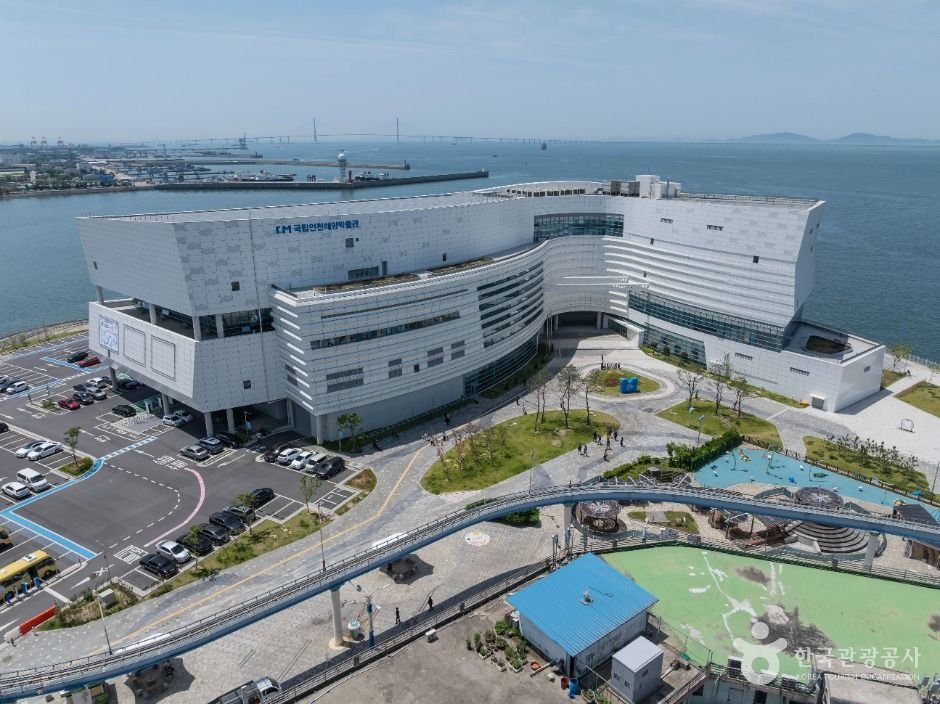
Incheon National Maritime Museum (국립인천해양박물관)
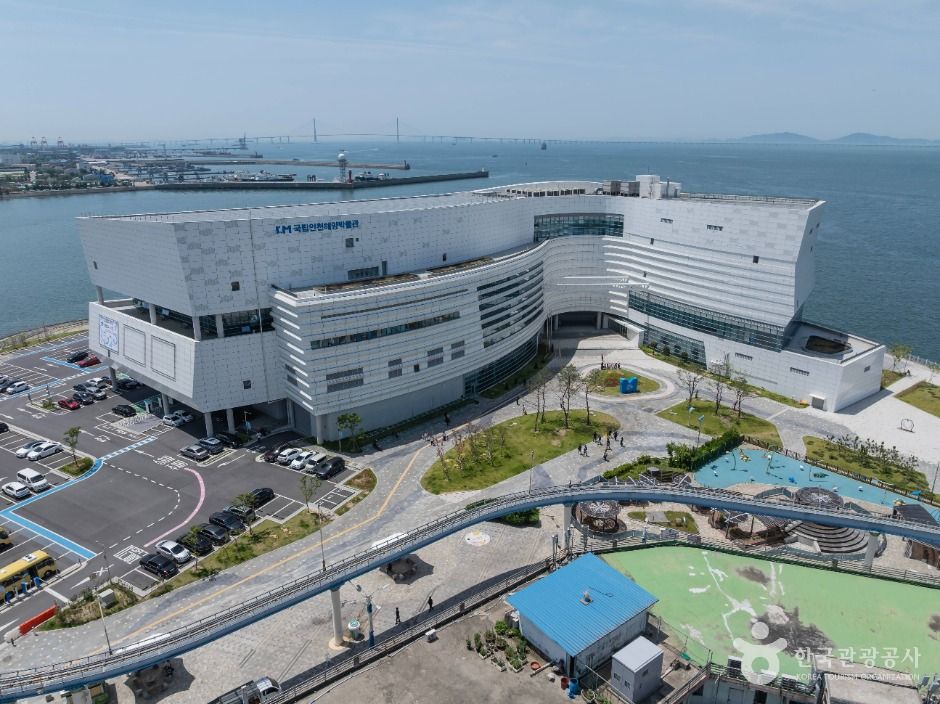
Incheon National Maritime Museum (국립인천해양박물관)
 – Homepage
www.inmm.or.kr
Incheon National Maritime Museum, located on Wolmido Island, is the first maritime cultural facility in the metropolitan area. Established in December 2024, the museum features permanent exhibition halls, a children’s museum, immersive video rooms, and special exhibition halls, offering visitors a glimpse into marine culture, including the history of maritime and port development.
– Address : 294 Wolmi-ro, Jemulpo-gu, Incheon
※ Presentation Information
– Information and Guides
+82-32-620-1095
– Parking
Available
– Day Off
Mondays, January 1, the day of Seollal (Lunar New Year’s Day) & Chuseok (Korean Thanksgiving Day)
– Usage Fee
Free
– Operating Hours
10:00-18:00 (Last admission 17:30)


◎ Nearby Tourism Infobox
⊙ Wolmi Zzang Land (Wolmi Theme Park) (월미짱랜드)
View detailed guide on Korea Trip Guide →
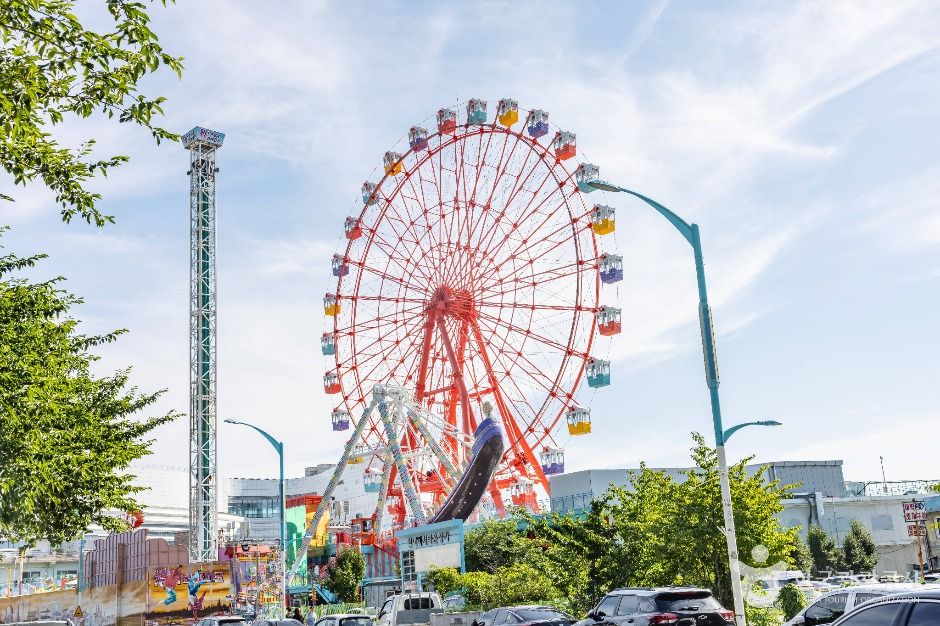
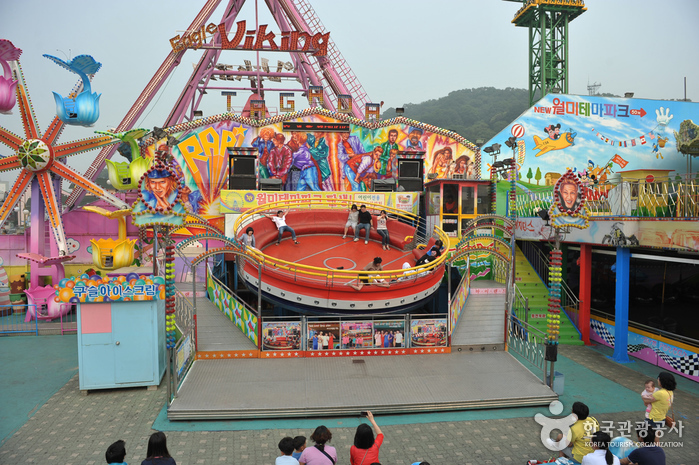
Wolmi Zzang Land (Wolmi Theme Park) is located on Wolmido Island in Incheon. Spanning 13,200 square meters, it features various amusement rides including a ferris wheel, swing boat, and go-karts. One of its highlights is the tagada ride, where riders sit on circular seats that move in all directions to the beat of music while a DJ adds to the excitement. Visitors can also enjoy panoramic views of Songdo Town, the Incheon Bridge, and Yeongjongdaegyo Bridge from the ferris wheel.
⊙ Wolmi Culture Street & Moonlight Music Fountain (월미문화의거리 & 달빛음악분수)
View detailed guide on Korea Trip Guide →
– Homepage
itour.incheon.go.kr
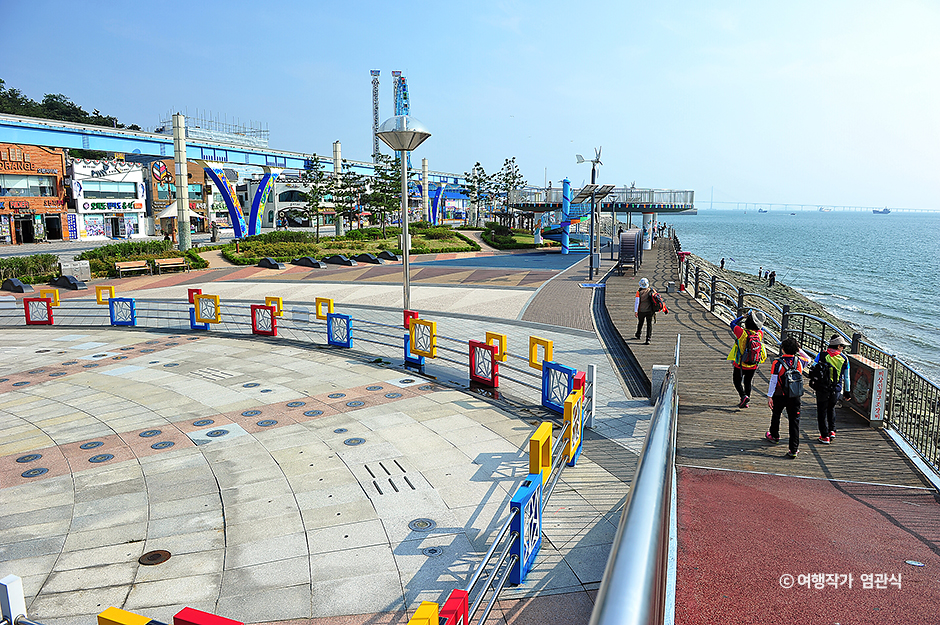
Wolmi Culture Street is a pedestrian-only street located in Wolmido, one of Incheon’s major attractions. The street is lined with benches for people to rest, and one can usually find artists here drawing portraits. The street passes Wolmi Park and Wolmi Observatory, providing outstanding views of Incheon Port and the Wolmido area. Family visitors and couples enjoy stopping by Wolmi Theme Park to enjoy the amusement rides. The Moonlight Music Fountain is rather small in size, but is a beloved attraction of Wolmi Culture Street.
⊙ My Land (마이랜드)
View detailed guide on Korea Trip Guide →
– Homepage
http://www.my-land.kr/
◎ Travel information to meet Hallyu’s charm
Sung-kyu from the web show “Tour Fairy” and foreign tourists enjoyed Disco Tagada in My Land, a representative theme park in Wolmido Island. After enjoying the ocean views and thrilling rides, you can take a stroll to the nearby Wolmi Observatory and Songwol-dong Fairy Tale Village.
⊙ Yejeon (예전)
View detailed guide on Korea Trip Guide →
– Homepage
https://blog.naver.com/yejeon1979
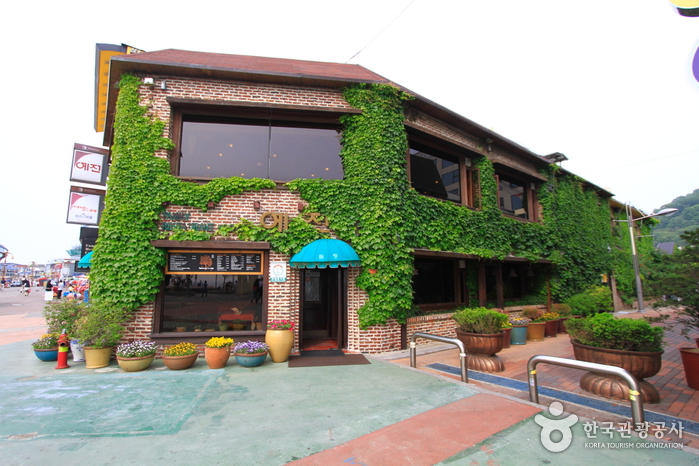
Yejeon is a western food restaurant and is considered one of the establishments that first created Wolmido Island’s café culture. Located in the middle of Wolmido’s Munhwa Street (Culture Street), this Western-style redbrick building resembles that of a European atmosphere in Korea.
⊙ Wolmido Island (월미도)
View detailed guide on Korea Trip Guide →
– Homepage
www.icjg.go.kr
Wolmido Island has very few historical records, despite being the location of a temporary palace, built in 1653 during the reign of King Hyojong. The palace was built on the eastern side of the island, but it is impossible to find traces of it now. From the late 1920s until the ’30s, the island was transformed into a resort, a very popular destination at the time. Wolmi Culture Street opened in July 1989 and helped improve the area’s fame.
On weekends and holidays, people flock to Wolmido Island to enjoy coffee and fresh seafood at the cafes and restaurants overlooking the sea. Despite being 1 kilometer off the coast, Wolmido is no longer an island, being connected to the mainland through modern construction techniques. It is now an easily accessible retreat for locals and tourists alike.
⊙ Wolmi Park (월미공원)
View detailed guide on Korea Trip Guide →
– Homepage
https://www.icjg.go.kr
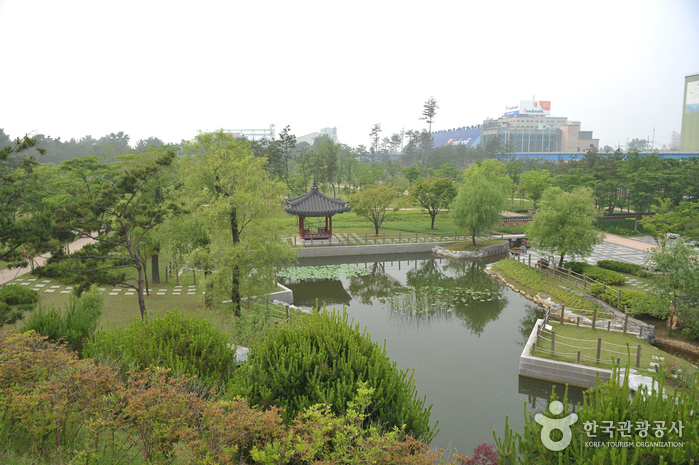
Wolmi Park, once a military zone for 50 years following the Korean War (1950-1953), has been transformed into a park preserving its natural ecosystem. Centered around Wolmi Mountain, the park features traditional Korean gardens such as Palace Garden, Hermitage Garden, and Tradition Private House Garden. Visitors can enjoy views of Incheon Port and the sunset over the Seohae Sea from the nearby Wolmi Observatory. It is conveniently located near Wolmi Cultural Street.
⊙ Incheon Baendaengi Street (연안부두 밴댕이회무침거리)
View detailed guide on Korea Trip Guide →
– Homepage
itour.incheon.go.kr
The Gwanghwado and Incheon areas are known for their plentiful catches of baendaengi (large-eyed herring). After a little street started specializing in serving baendaengi some 30 years ago, the fish has continued to grow in popularity.
Located in Guwol-dong, across from the Incheon Culture & Arts Center, Baendaengi Street has expanded, and so has the variety of dishes served. Visitors can try baendaengi prepared sashimi-style, roasted, or in a spicy soup. For this particular species of herring, locals believe the flavor is best in March and April when they grow to their largest size. Salted Baendaengi also makes an excellent side-dish for Korean meals.
* Baendaengi is one of many types of small prey fish referred to as ‘Soeo’ for their fierce struggle in fishing nets. Soeo have internal organs that are proportionally smaller than other species of fish and are known for their feisty nature. These attributes are thought to signify a stress-filled life, which is why many Koreans refer to narrow-minded or hot-tempered people as ‘baendaengi.’
⊙ Sangsang Platform (상상플랫폼)
View detailed guide on Korea Trip Guide →
– Homepage
sangsangplatform.or.kr
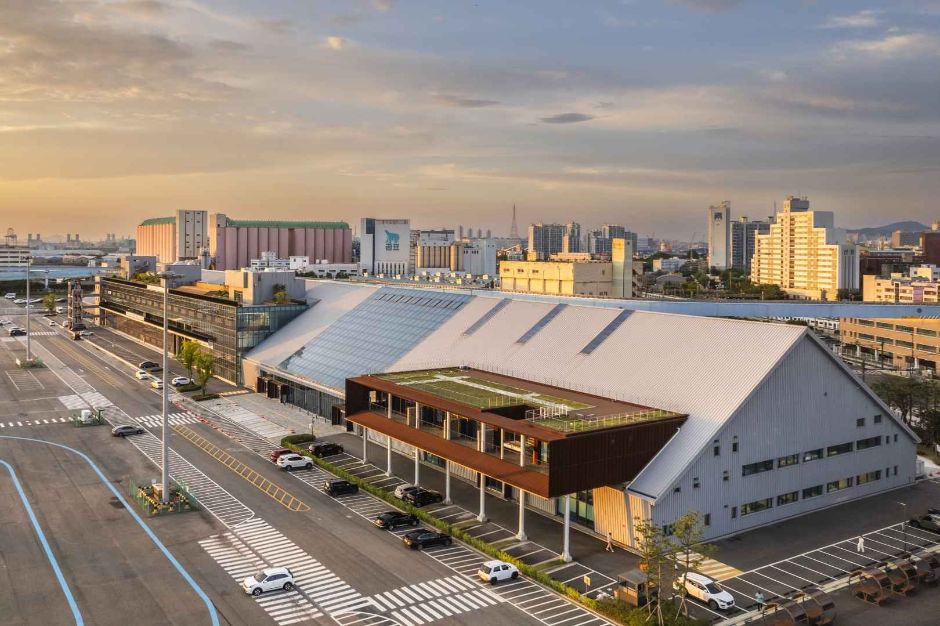
When the Incheon port opened in 1883, the Wolmi-ro area became the gateway to Korea, welcoming vistiors from overseas countries via sea route. Before transforming into the cultural and art complex of today, Sangsang Platform located by the Incheon Open Port used to be Asia’s largest granary. Sangsnag Platform is remodeld to preserve the old granary structure while adding a contemporary touch that matches modern-day aesthetics. As the building once connected Incheon to the world, it now serves connect Incheon’s past and the future as a multipurpose cultural tourism complex.
![Nike – LF Square Incheon Branch [Tax Refund Shop] (나이키 LF스퀘어 인천점)](https://ktrip.blogsailing.com/wp-content/uploads/2026/06/4042651_image2_1.jpg)
![Eider – MODA Outlet Incheon Branch [Tax Refund Shop] (아이더 모다아울렛 인천점)(아이더 모다아울렛 인천점)](https://ktrip.blogsailing.com/wp-content/uploads/2026/06/4020959_image2_1.jpg)
](https://ktrip.blogsailing.com/wp-content/uploads/2026/06/4020392_image2_1.jpg)
](https://ktrip.blogsailing.com/wp-content/uploads/2026/06/4021135_image2_1.jpg)
](https://ktrip.blogsailing.com/wp-content/uploads/2026/06/4017631_image2_1.jpg)
2 Comments