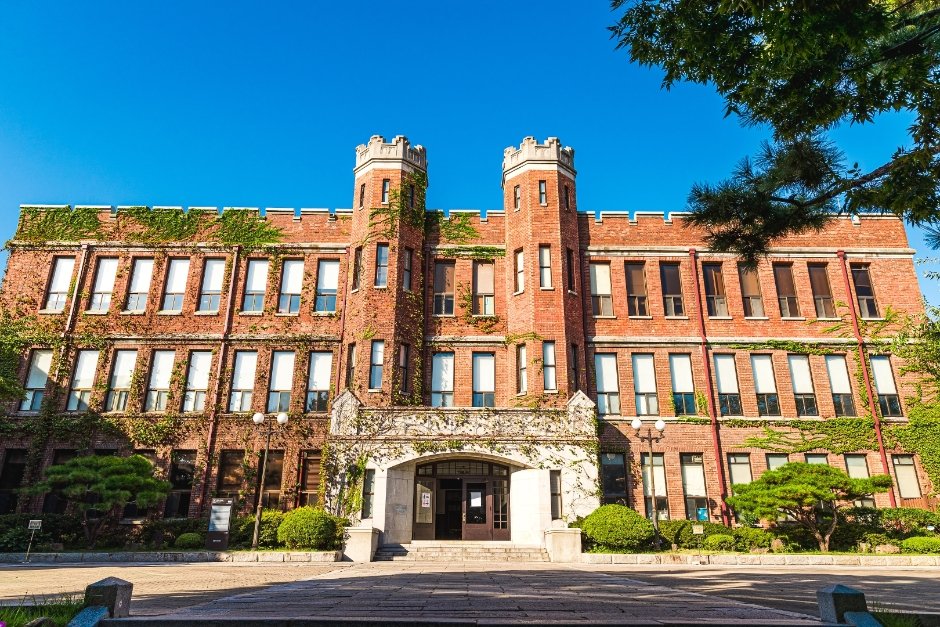
Keisung Middle School (계성중학교)
Keisung Middle School (계성중학교)
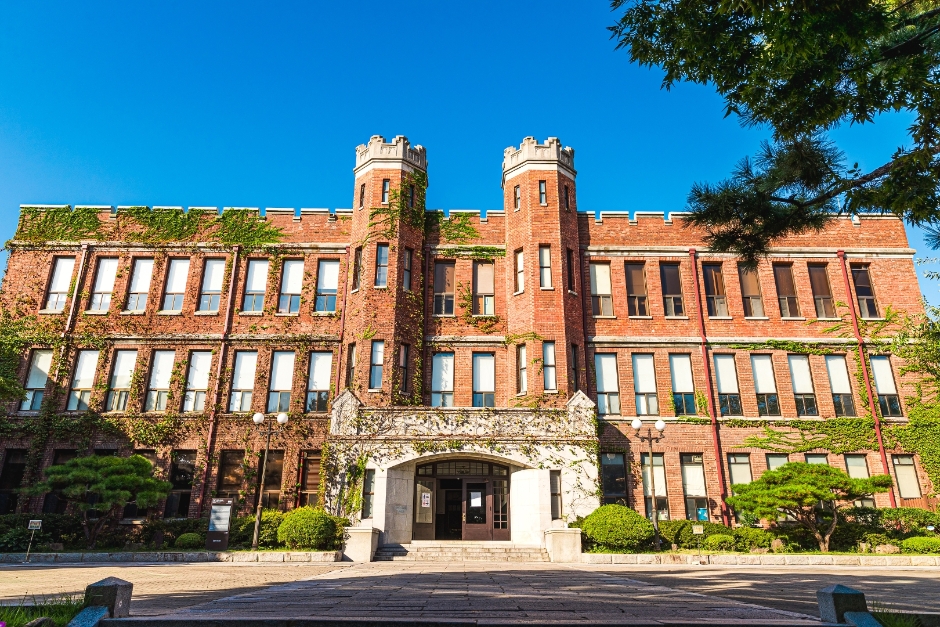 – Homepage
https://keisung.dge.ms.kr/keisungm
https://www.grandculture.net/daegu/
The hit song “DITTO” by NewJeans encapsulates a nostalgic old camcorder sentiment in its music video. The place that contributed to this feeling is one of the primary filming locations: Keisung Middle School. It’s a functioning school where students regularly attend, but it’s also renowned for its historical cultural buildings, making it a tourist attraction. Why not go on a NewJeans music video tour at the historically rich Keisung Middle School?
– Address : 35 Dalseong-ro, Jung-gu, Daegu
※ Presentation Information
– Information and Guides
+82-53-232-8351
– Parking
Available
– Day Off
Monday-Friday
– Usage Fee
free
– Operating Hours
Saturday-Sunday Open 24 hr


◎ Nearby Tourism Infobox
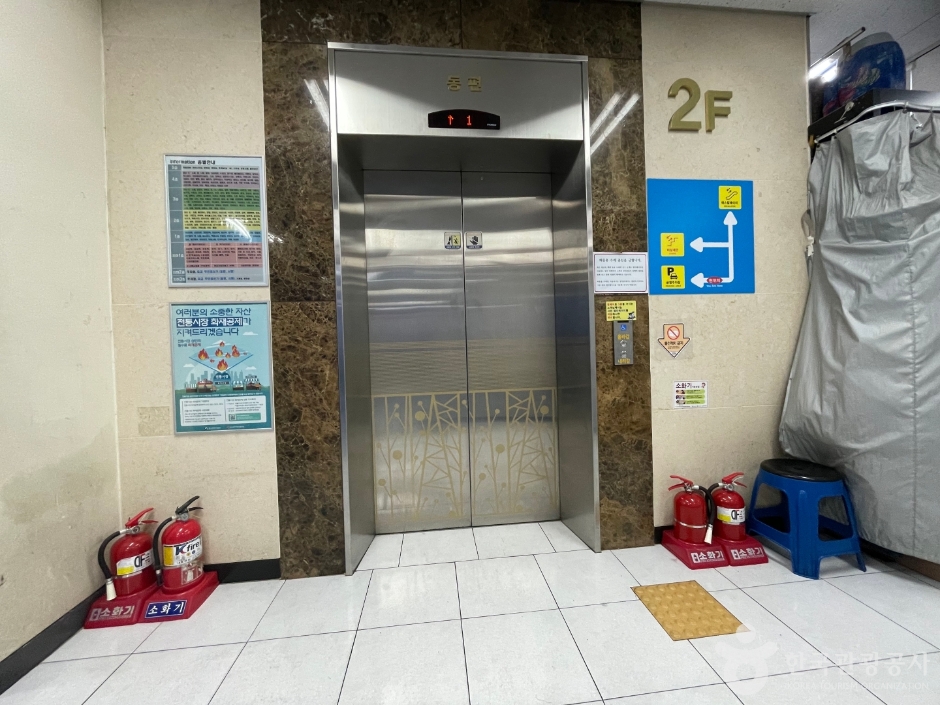
⊙ Daegu Seomun Market & Seomun Night Market (대구 서문시장 & 서문시장 야시장)
– Homepage
www.nightseomun.com
Seomun Market opened in its current location in the 1920s after reclaiming the Cheonhwangdangji Reservoir, but it has a much longer history. In the Joseon dynasty, Seomun Market was one of three major markets in the nation. It was called Seomun Market because it was located on the west side of the Daegu Fortress. Despite relocating, the alleyways of the original market still feature names of the items available there, such as Hongdukkae Pancake and Chicken Pancake Alley. Textile-related goods are the main products available now, but they also offer a little bit of everything else, including silk goods, dry goods, undershirts, crafts, dishes, clothes, and dried seafood.
⊙ House of Missionary Chamness (선교사챔니스주택)
View detailed guide on Korea Trip Guide →
– Homepage
gu.jung.daegu.kr
www.cha.go.kr
House of Missionary Chamness was the home of American Christian missionary Chamness and his family. It was built in the Western-style and provides a glimpse into the daily life of American missionaries in Korea. The house, a simple building in comparison with the houses of America at the time, is now considered a very important treasure of Korea’s modern history. The building has been converted into a small museum using artifacts from the missionaries to bring the past to life.
⊙ Dongsan Cheongna Hill (동산청라언덕)
View detailed guide on Korea Trip Guide →
– Homepage
www.jung.daegu.kr
Cheongna Hill is the place where Christian missionaries resided during the early 20 century, planting many ivies along the site. It is also called Dongsan Cheongna Hill for being on the eastern side of Daegu’s center. There are many attractions in this beautiful garden including Chamness’ House, Switzer’s House, Blair’s House, 90 stairs, Daegu 3.1 Independence Movement Road, Daegu’s first western apple tree, a memorial stone inscribed with the song “Thinking of My Friend” , and the cemetery of the missionaries and their family. Cheongna Hill is also the starting point of Daegu’s Street Tour Course 2 as well as a popular drama film location.
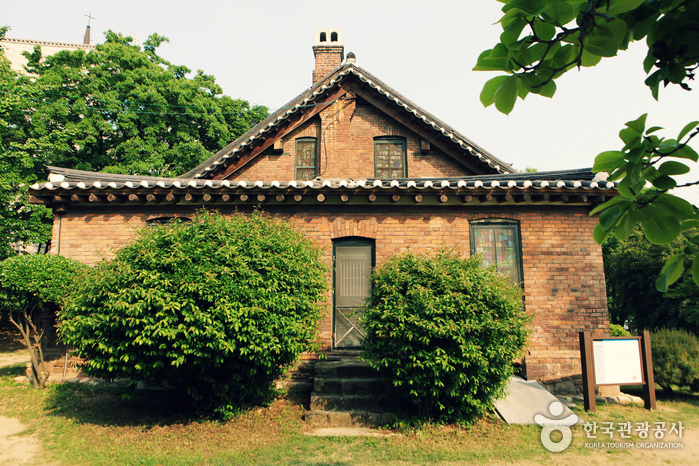
⊙ House of Missionary Switze (선교사스윗즈주택)
View detailed guide on Korea Trip Guide →
– Homepage
www.grandculture.net
The House of Missionary Switze served as home for a host of American missionaries. Built between 1906 and 1910, the home is a Western-style structure with two above-ground floors and one basement level. In 1981, the house was used as company housing for doctors at the nearby Dongsan Hospital, at which point changes were made to the interior and exterior of the house. It was later changed into a missionary museum, displaying items used by the missionaries who lived in.
⊙ March 1st Independence Movement Road (3·1만세운동길)
View detailed guide on Korea Trip Guide →
– Homepage
www.jung.daegu.kr
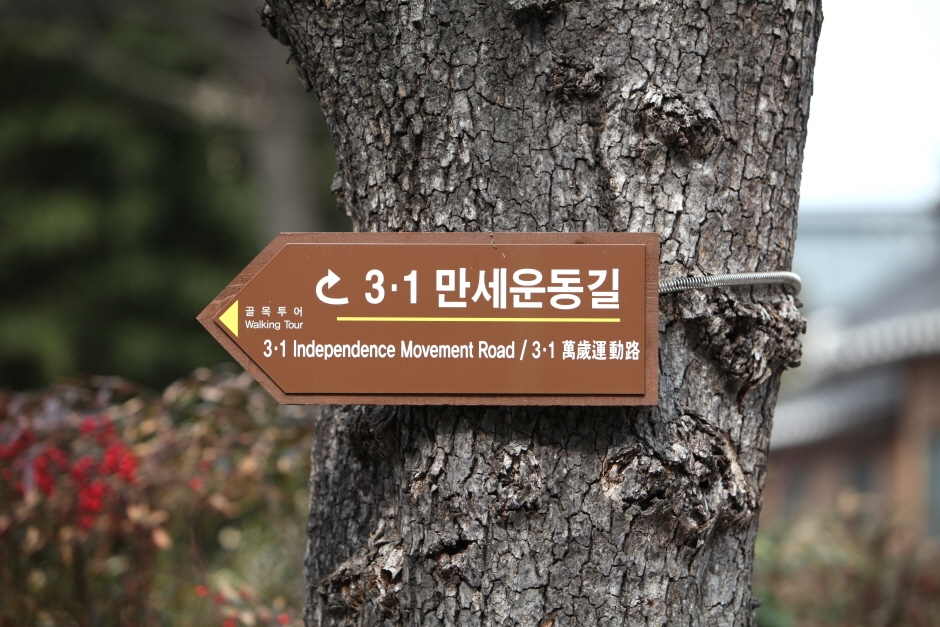
March 1st Independence Movement Road is a historical location where Daegu citizens gathered for the independence movement on March 8, 1919, and the midpoint of Daegu Modern Alley Tour Course 2. Passing Cheongna Hill Missionary’s House and Jeil Church, you will come to a road with murals of the independence movement. The March 1st Independence Movement Road is a hilly road leading to Gyesan Cathedral. It is also called 90 Stairs because there are 90 steps. On the wall of the stairs, there is an augmented reality (AR) experience zone along with site photos from history. By scanning the QR code is a 3D video that vividly reproduces the independence movement, enabling a realistic experience of history. Follow the signs of the Daegu March 8th Independence Movement marching road to reach the main road and it will lead to the the 100th anniversary monument of the March 1st Movement and the starting point of the March 8 Movement. A guided alley tour is available for free with an online reservation on the official website.
⊙ Hanok 1957 (한옥1957)
– Homepage
http://facebook.com/profile.php?id=100002443214606
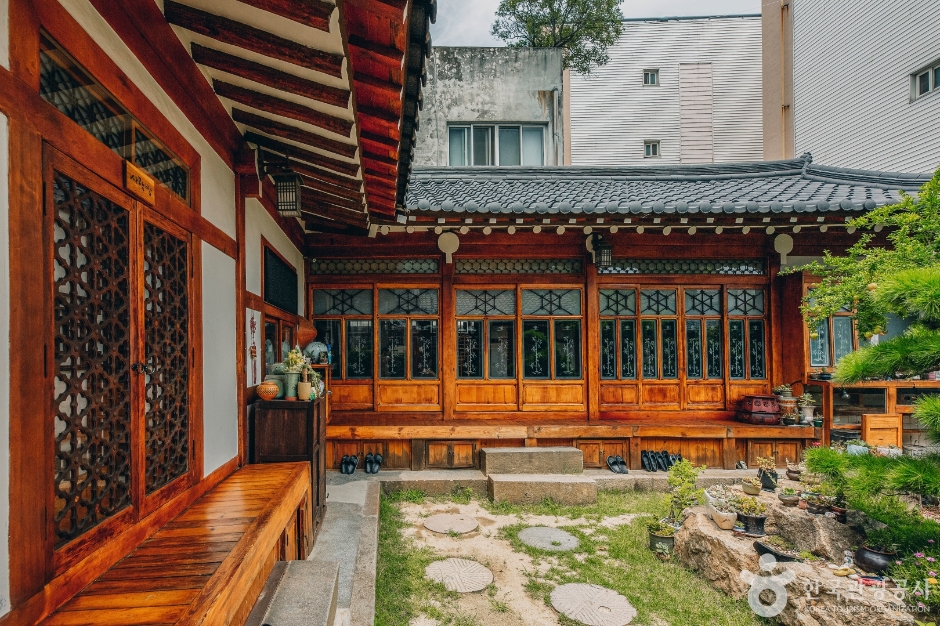
Located downtown Daegu, Hanok 1957 is a traditional Korean hanok built with red pine and woven with clay and straw roof tiles. The rafters, beams, and cabinets inlaid with mother-of-pearl add comfort and tranquility to the interior. There are five guest rooms, all of which are ondol (underfloor heated) rooms with bathrooms. There is a shared kitchen where you can cook simple meals. Seomun Market Station and Daegu Station are within walking distance, and nearby attractions include Dalseong Park and Seomun Market are also nearby.
⊙ Daegu Gyesan Cathedral (대구 계산동성당)
View detailed guide on Korea Trip Guide →
– Homepage
www.gyesancathedral.kr
Daegu Gyesan Cathedral is one of Daegu’s main churches, designed by Father Poisnel, who also designed Myeongdong Cathedral and imported stained glass for the windows directly from France. Being located in the city center, the cathedral is especially beautiful when seen at night.
⊙ House of Seo Sang-don (서상돈 고택)
View detailed guide on Korea Trip Guide →
– Homepage
www.jung.daegu.kr
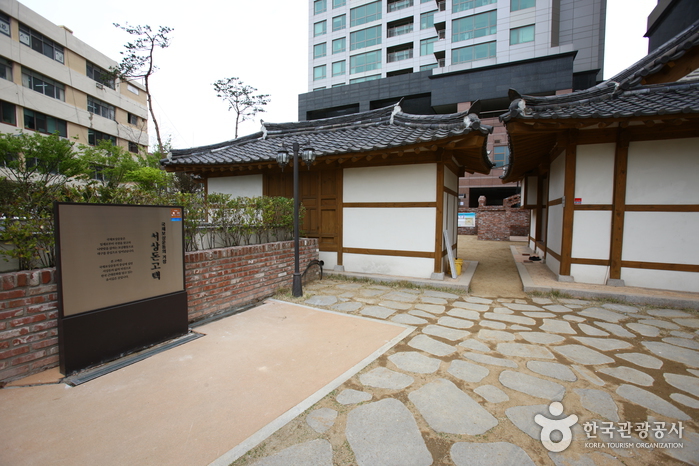
The house of entrepreneur and activist Seo Sang-don is located in the heart of Daegu. In 1907, in an effort to repay national debt and to gain independence from Japan, Seo launched the National Debt Repayment Movement as well as a nationwide campaign calling for people to quit smoking.
In celebration of Seo’s leadership, the City of Daegu restored Seo’s old house and opened it to the public. The City also built the National Debt Repayment Park and erected a statue of Seo in his honor.
⊙ House of Yi Sang-hwa (이상화 고택)
View detailed guide on Korea Trip Guide →
Yi Sang-hwa was a nationalist poet, who resisted the Japanese colonialism. This was his house from 1939 until his death in 1943. His house was neglected after he died, until a citizens’ movement in 1999 to preserve the house urged the Military Mutual Aid Association to purchase it, and donate it to the City of Daegu on October 27, 2005. It has been restored and opened to the public, serving as the center for education of the poet’s brave spirit and work.
](https://ktrip.blogsailing.com/wp-content/uploads/2026/06/4044157_image2_1.jpg)
](https://ktrip.blogsailing.com/wp-content/uploads/2026/06/4044124_image2_1.jpg)
](https://ktrip.blogsailing.com/wp-content/uploads/2026/06/4020259_image2_1.jpg)
](https://ktrip.blogsailing.com/wp-content/uploads/2026/06/4043238_image2_1.jpg)
](https://ktrip.blogsailing.com/wp-content/uploads/2026/06/4028133_image2_1.jpg)
](https://ktrip.blogsailing.com/wp-content/uploads/2026/06/4044010_image2_1.jpg)
One Comment