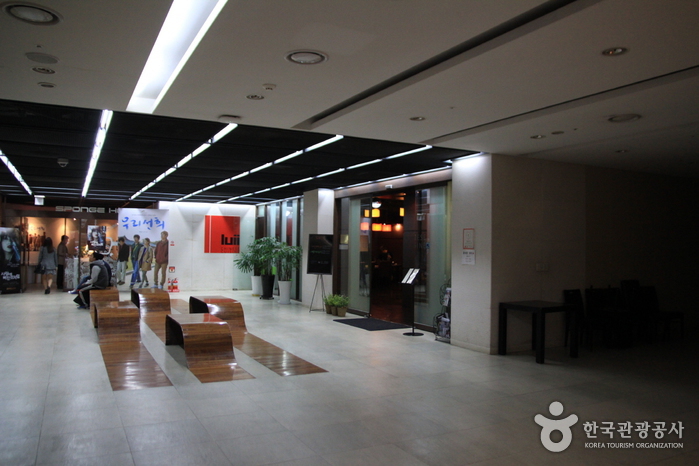
Luii (루이)
Luii (루이)
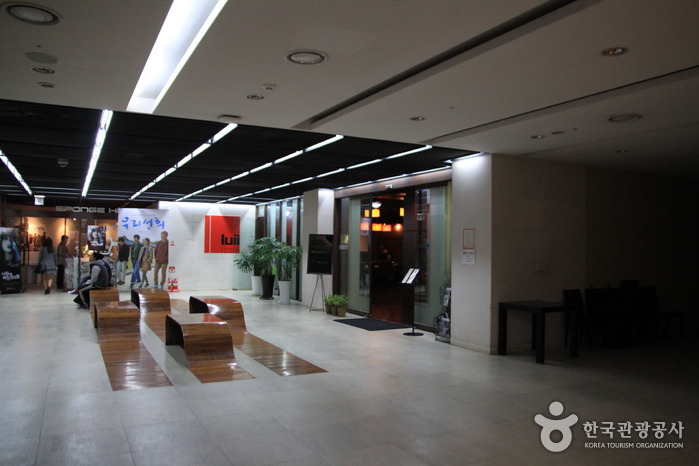 – Homepage
www.luii.co.kr (Korean only)
– Tel
+82-2-736-8889
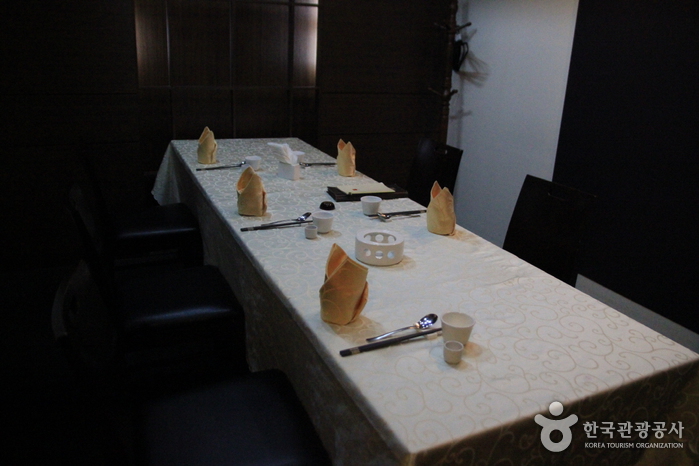
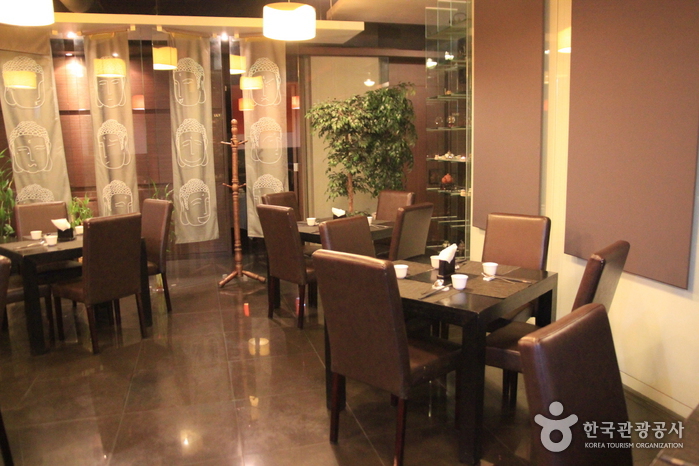
Luii is a Chinese restaurant operated by a veteran chef with extensive experience in Chinese cuisine. The restaurant has several rooms of different sizes to accommodate various events. It also has a VIP room for more private gatherings.
– Address : 40, Sejong-daero 21-gil, Jung-gu, Seoul
※ Presentation Information
– Main Dish
Chinese cuisine
– Information and Guides
• 1330 Travel Hotline: +82-2-1330
(Korean, English, Japanese, Chinese)
• For more info: +82-2-736-8889
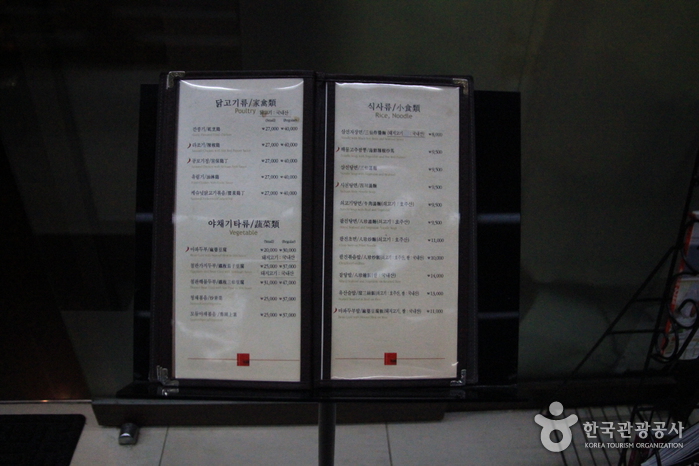
– Menu
* Course Menu
– Opening Date
December 7, 2007
– Opening Hours
11:30-21:30
* Breaktime: 14:30-17:00
– Parking
Available (paid parking)
– Reservation Information
Tel: +82-2-736-8889
– Day Off
N/A (Open all year round)
– Smoking Area
Non-smoking only
◎ Nearby Tourism Infobox
⊙ CU – Koreana Hotel Branch [Tax Refund Shop] (cu코리아나호텔점)
–
⊙ Gwanghwamun Gukbap (광화문국밥)
View detailed guide on Korea Trip Guide →
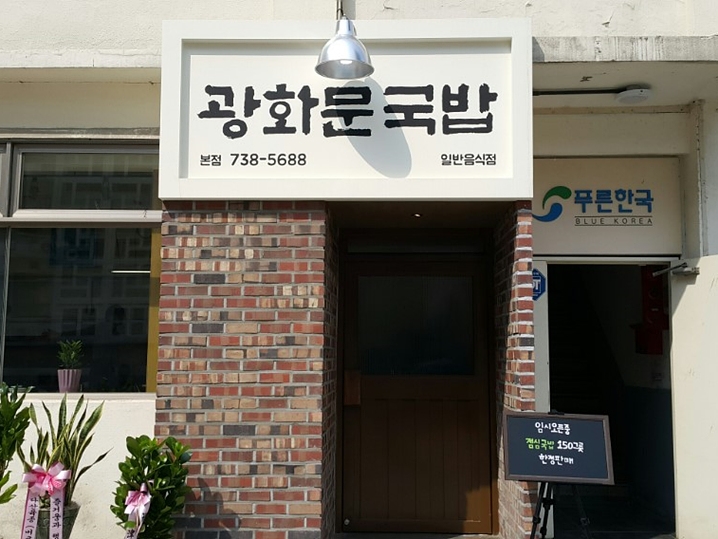
Gwanghwamun Gukbap is a dwaeji gukbap (pork and rice soup) restaurant operated by Chef Park Chanil. Its distinctive feature lies in using only black pork loin and shoulder to enhance the flavor. The signature dish is the dwaeji gukbap, which boasts a mild, clean, and deep flavor. In addition to that, they also offer dwaeji suyuk (boiled pork slices) and pisundae (sundae with pork blood). Known for its authentic taste of rice soup and rich broth, it’s a popular destination for many.
⊙ Re-Heater(리히터)
View detailed guide on Korea Trip Guide →
⊙ Dalgaebi (달개비)
View detailed guide on Korea Trip Guide →
– Homepage
www.dalgaebi.com (Korean only)
– Tel
+82-82-2-765-2035, 2068
Dalgaebi is a restaurant specializing in Korean table d’hote, using fresh seasonal ingredients. Its flagship menu is the teukseon sangcharim jeongsik (special set menu), which includes porridge, seasonal dishes, main courses, and desserts. The galbi sangcharim (galbi course), featuring premium Korean beef galbi grilled over charcoal and served with soybean paste jjigae, is also popular. Known for its private dining spaces and upscale ambiance, reservations can be made via phone.
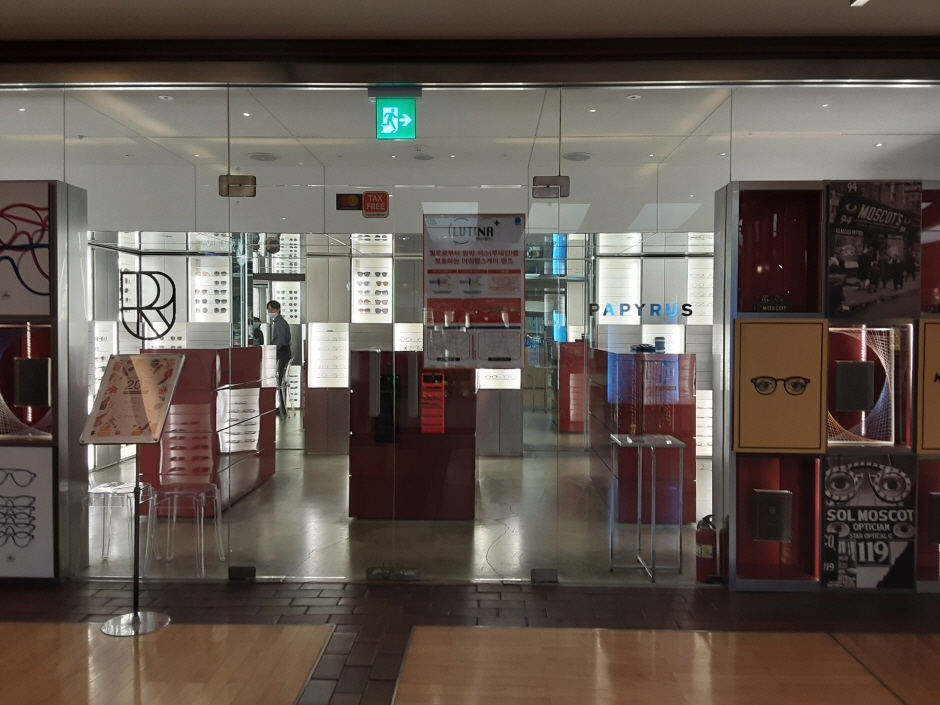
⊙ Seoul Papyrus [Tax Refund Shop] (서울파피루스)
– Homepage
www.papy.co.kr
–
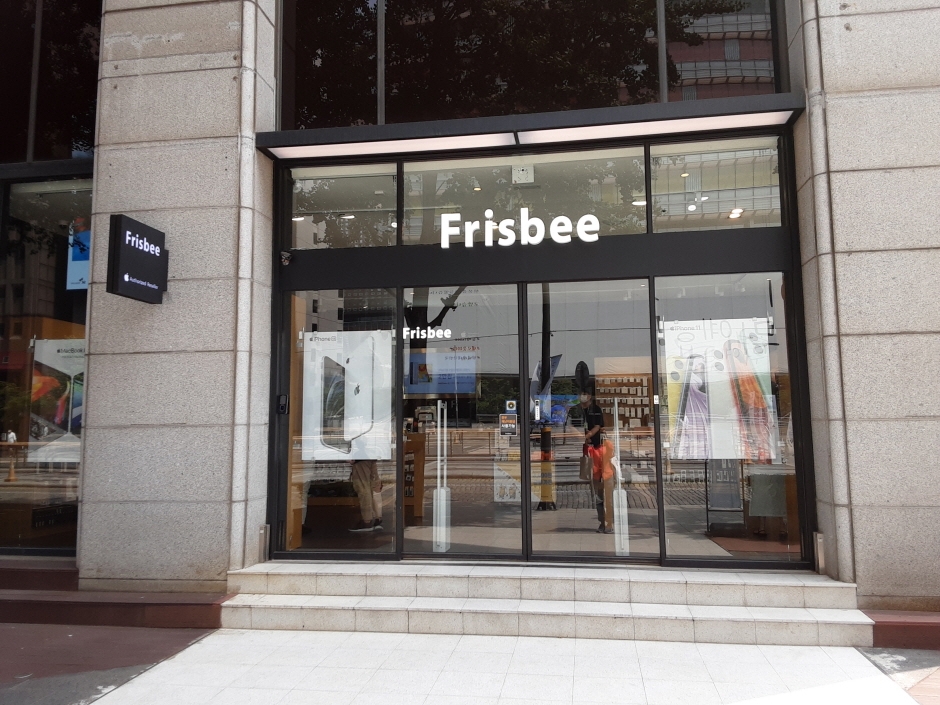
⊙ Frisbee – Gwanghwamun Branch [Tax Refund Shop] (FR광화문점(금강 프리스비))
– Homepage
www.frisbeekorea.com
–
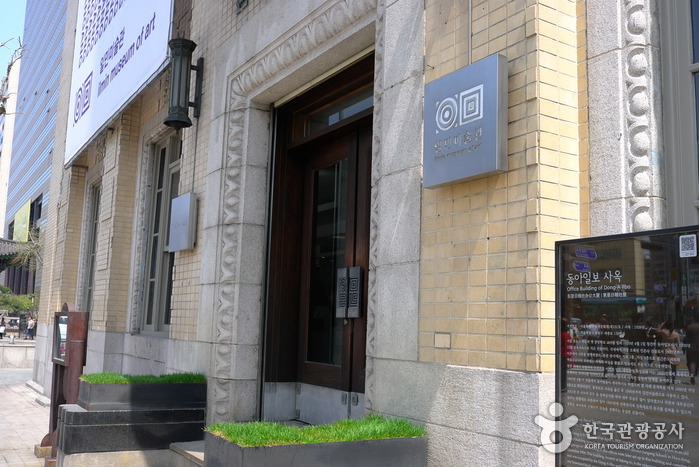
⊙ Ilmin Art Museum (일민미술관)
View detailed guide on Korea Trip Guide →
– Homepage
www.ilmin.org
The Ilmin Art Museum located in former Dong-A Newspaper Building, was formed in honor of their honorable and late CEO Kim Sang-man. The museum was established in December of 1996, and with a full renovation in 2001, large exhibition hall and Ilmin collection was placed in. Through the renovation, the combination of glass and steel made Artrium aimed to become one of the best comtemporary museum, connecting the museum to the streets of Gwanghwamun.
This museum boasts a large Ilmin collection. There are 430 pieces of Ilmin collection from Goryeo dynasty (918-1392) to present, 1,200 pieces in the Donga Newspaper’s collection of art, and 100 pieces of art owned by Hyundai Corporation. The Ilmin Collection mostly consists of pieces that Kim Sang-man collected from ceramics to aesthetic paintings. The Dongah Newspaper’s collection has time-relevant pieces that are important in history.
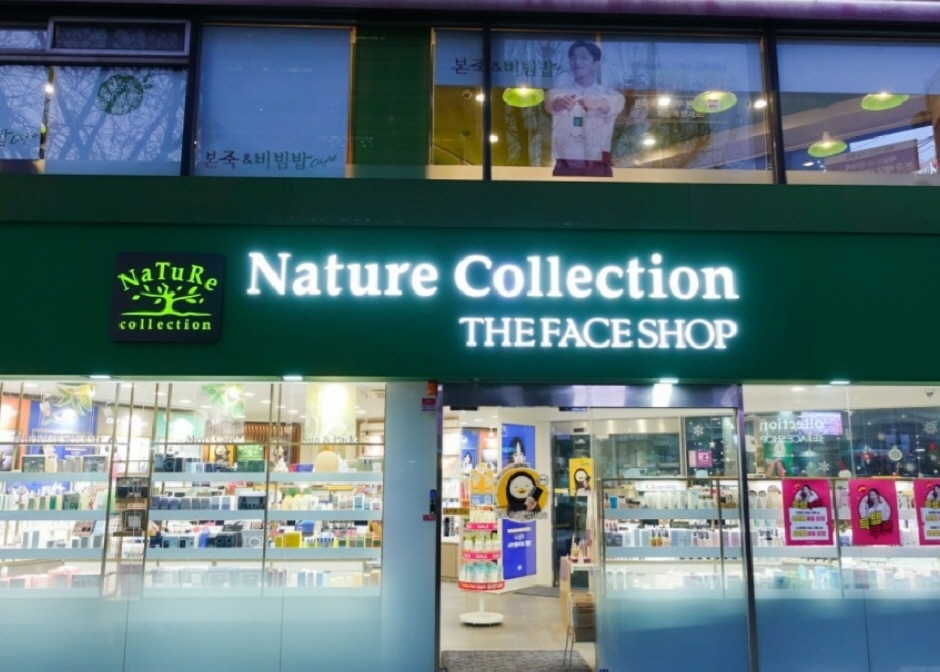
⊙ Nature Collection – Gwanghwamun Branch [Tax Refund Shop] (네이처컬렉션 광화문)
–
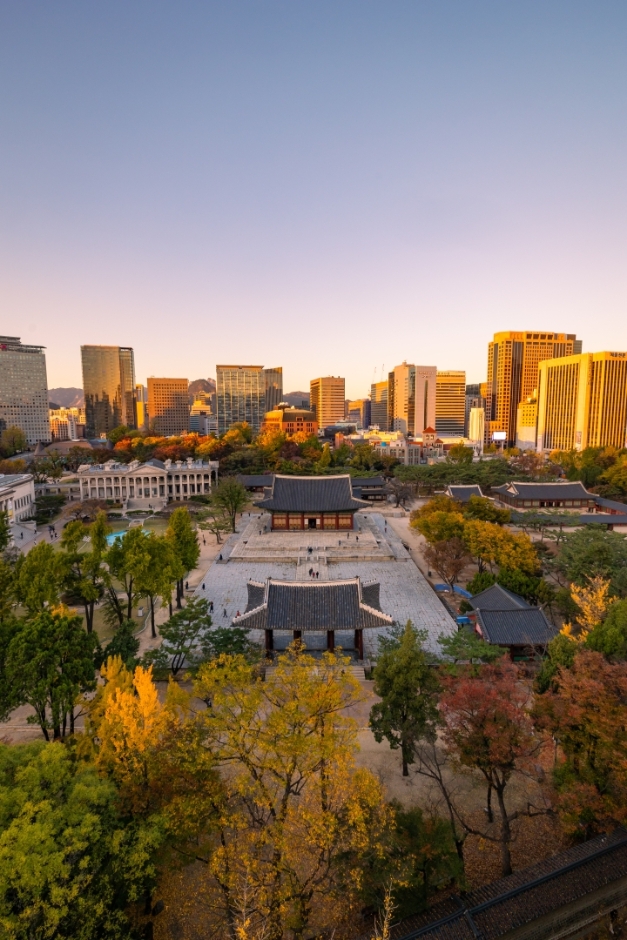
⊙ Deoksugung Palace (덕수궁)
View detailed guide on Korea Trip Guide →
– Homepage
royal.khs.go.kr
Registered as a Historic Site, Deoksugung Palace was initially not a royal palace, but the residential home of Grand Prince Wolsan (1454-1488), the older brother of King Seongjong (1469-1494) of the Joseon dynasty. It wasn’t until 1593 that the palace was used as a temporary palace of the royal family after their home was burned down during the Imjin War. King Seonjo also stayed at Deoksugung Palace after returning to the city. It became a proper palace when Gwanghaegun (1575-1641) ascended to the throne and gave this royal residence the name Gyeongungung Palace in 1611. Over the following decades, the palace alternated between being an official palace and a temporary residence. The name did not change officially to Deoksugung Palace, meaning the “palace of virtuous longevity,” until 1907. While the palace once encompassed a vast area with many buildings, the current palace grounds are just a small shadow of the prior splendor, with very few structures remaining.
![Galaxy – Hyundai D-CUBE City Branch [Tax Refund Shop] (갤럭시 현대 디큐브)](https://ktrip.blogsailing.com/wp-content/uploads/2026/02/2880172_image2_1.jpg)
![Sieg [Tax Refund Shop] (지이크)](https://ktrip.blogsailing.com/wp-content/uploads/2026/01/3313281_image2_1.jpg)
![Olzen [Tax Refund Shop] (올젠)](https://ktrip.blogsailing.com/wp-content/uploads/2026/01/3313172_image2_1.jpg)
](https://ktrip.blogsailing.com/wp-content/uploads/2026/03/4017222_image2_1.jpg)
](https://ktrip.blogsailing.com/wp-content/uploads/2026/03/4024785_image2_1-768x576.jpg)
2 Comments