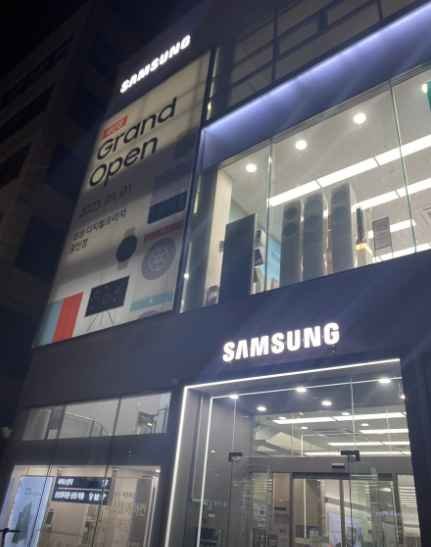
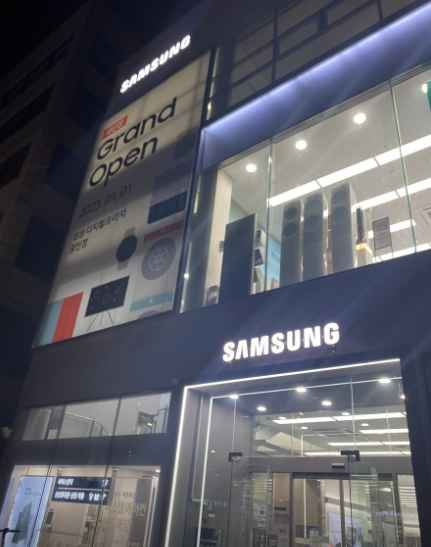
Samsung Store Gwangjin [Tax Refund Shop](삼성스토어 광진)
Samsung Store Gwangjin [Tax Refund Shop](삼성스토어 광진)
 – Homepage
www.samsungstore.com/
Samsung Store is a premium electronics retail space where customers can experience Samsung Electronics’ latest home appliances and mobile devices and receive tailored consultations from experts. Through differentiated AI technology and convenient connectivity, it presents innovative solutions that make everyday life smarter.
– Address : 252, Neungdong-ro, Gwangjin-gu, Seoul
※ Presentation Information
– Fair Day
Monday – Sunday
– Information and Guides
0507-1381-7212
– Opening Hours
10:30~20:30
– Day Off
Seollal (Lunar New Year’s Day) & Chuseok (Korean Thanksgiving Day) holidays
– Parking
Available
– Restroom
Available
– Items for Sale
Electronic / digital products
◎ Nearby Tourism Infobox
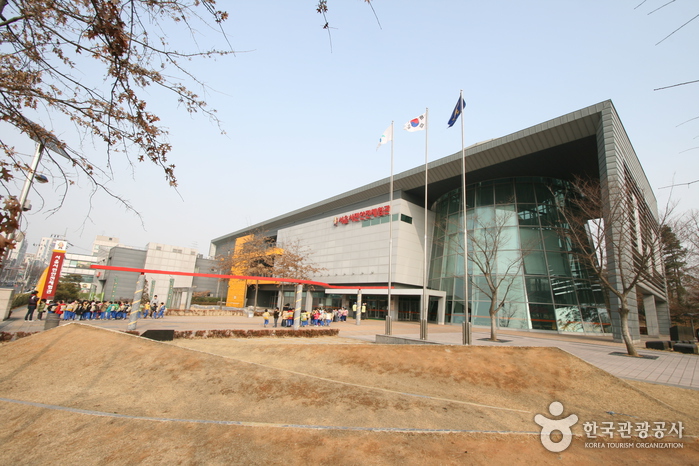
⊙ Gwangnaru Safety Experience Center (광나루안전체험관)
View detailed guide on Korea Trip Guide →
– Homepage
fire.seoul.go.kr
– Tel
+82-2-2049-4061
Gwangnaru Safety Experience Center was founded in 1999 after two fire accidents in which many children lost their lives. These tragedies emphasized the necessity of establishing a disaster training center for common citizens.
Gwangnaru Safety Experience Center is a three-story building with one basement floor, covering an area of more than 5,000 m². The basement floor includes a small theater. The first floor is set up for natural disaster training and consists of an orientation hall, storm simulation training room, earthquake simulation room, computer tests on fire safety knowledge and others. The second floor is a place for artificial catastrophe training. It consists of a smoke escape training room, fire extinguisher training room, first-aid (CPR) training room and practice place for calling 119. The third floor is used for rescue training and consists of a rescue training room, screening room, training for professionals and video examples of the five biggest disasters that have occurred in Seoul. Overall there are about 20 training areas established, so citizens can experience the imitation of a disaster by themselves and learn easily and in an interesting way how to cope with a disaster.
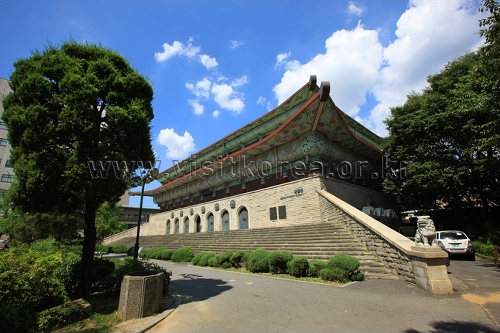
⊙ Sejong University Museum (세종대학교 박물관)
View detailed guide on Korea Trip Guide →
– Homepage
museum.sejong.ac.kr
– Tel
+82-2-3408-3876
Sejong University Museum exhibits folk art, wooden crafts, clothing, accessories, pottery, paintings and calligraphy collected for over 40 years by the couple who founded the present day Sejong University, Dr. Ju Young-ha and Dr. Choi Ok-ja. This museum has its origins in the Soodo Gallery, which was built in Chungmuro, the campus’ original location, in 1959. Needing more space to house additional artifacts, the museum moved to its current location, which first opened on May 5, 1973 in a four-story concrete building inspired by traditonal tower design from the Baekje era. This building was later expanded on May 20, 1977.
After the university’s name was changed to Sejong University in 1979, the museum was also renamed the Sejong University Museum. The museum showcases unique artifacts to both scholars and students from home and abroad in contribution to the research of Korea’s culture, arts, and archeology.
⊙ Seoul Children’s Museum (서울상상나라)
View detailed guide on Korea Trip Guide →
– Homepage
www.seoulchildrensmuseum.org
– Tel
+82-2-6450-9500
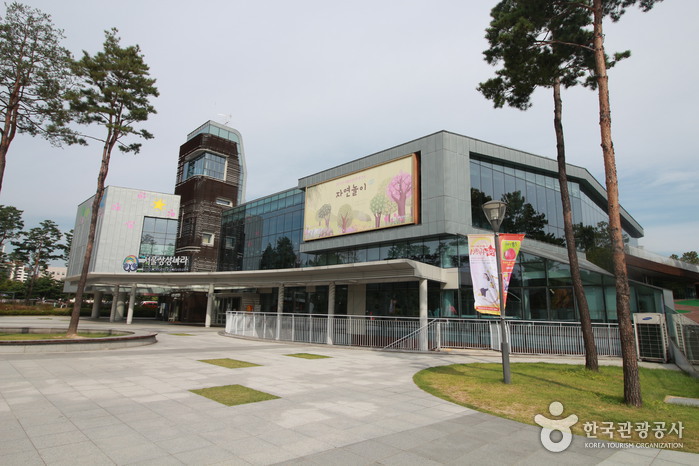
Seoul Children’s Museum is a multifaceted cultural space established in 2013 to foster children’s creativity and imagination. Spanning from the basement floor to the third floor, it boasts over a hundred interactive exhibits. These exhibits cover a wide range of areas including art, imagination, thought, and physical play, organized into ten distinct zones. It’s a popular destination where children can learn and expand their imagination through play. Advanced booking is required, and reservations can be made through the website.
⊙ Seoul Children’s Grand Park (서울어린이대공원)
View detailed guide on Korea Trip Guide →
– Homepage
www.sisul.or.kr
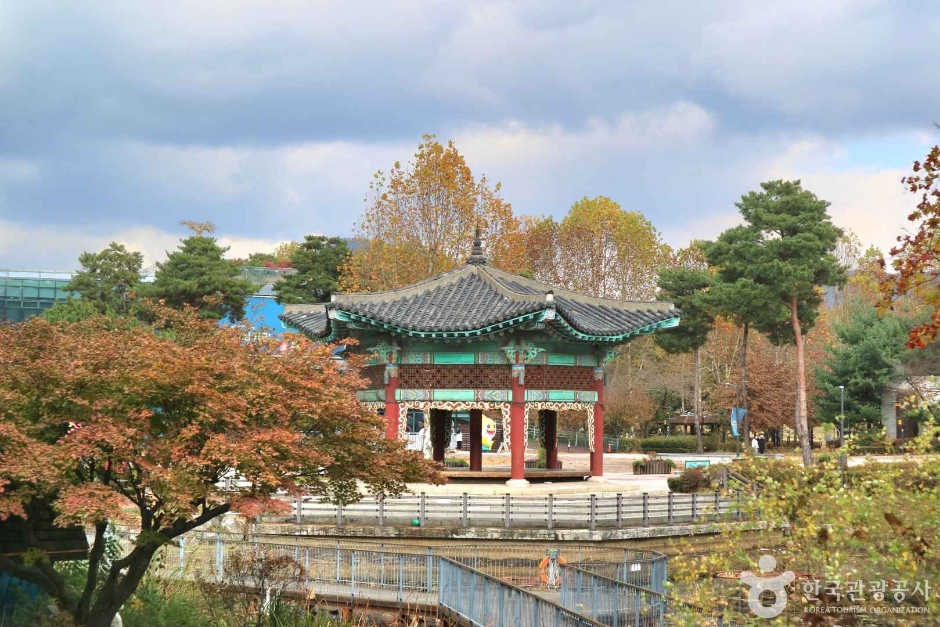
Opened in May 1973, Seoul Children’s Grand Park is a theme park situated among green forests and fields with a total area of 56,552㎡. It contains a zoo, arboretum, amusement park, and performance venues. Seoul Children’s Grand Park has been a beloved part of Seoul, a paradise for children and a living venue for education. For grown-ups, it functions as an area of refuge and culture within the city. The Grand Park offers facilities that everyone in the family can enjoy, so everyone can find their own fun in the Grand Park.
⊙ Junggok-dong Furniture Street (중곡동 가구거리)
View detailed guide on Korea Trip Guide →
– Tel
010-5508-0089
Junggok-dong Furniture Street stretches between Achasan Subway Station and Gunjagyo Bridge, hosting a concentration of furniture stores on either side of the main road. This area accommodates a diverse range of furniture stores, featuring well-known domestic and international brands alongside smaller and medium-sized furniture shops. It serves as a convenient destination for customers to compare and purchase various furniture items, including beds, sofas, dining tables, wardrobes, chairs, and interior accessories, all within close proximity. The accessibility to Gunja Subway Station makes it easily reachable via public transportation.
⊙ Madang Jokbal (마당족발)
View detailed guide on Korea Trip Guide →
– Tel
+82-2-468-3030
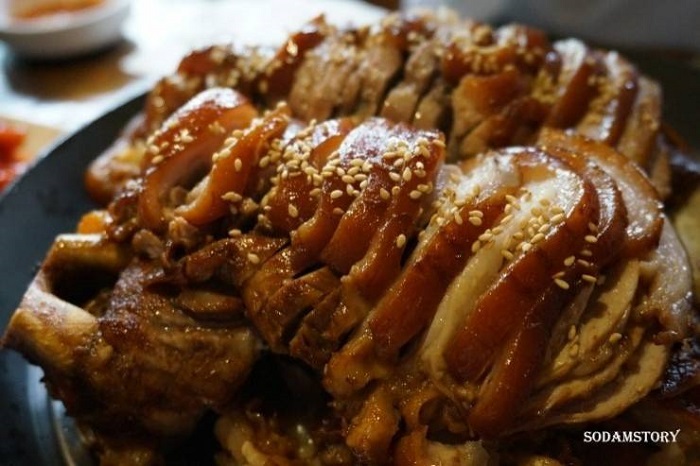
It is a restaurant with an outdoor terrace. This Korean dishes restaurant is located in Gwangjin-gu, Seoul. The most famous menu is braised pigs’ feet.
⊙ Perbacco (페르바코)
View detailed guide on Korea Trip Guide →
– Homepage
https://www.instagram.com/perbacco.seoul
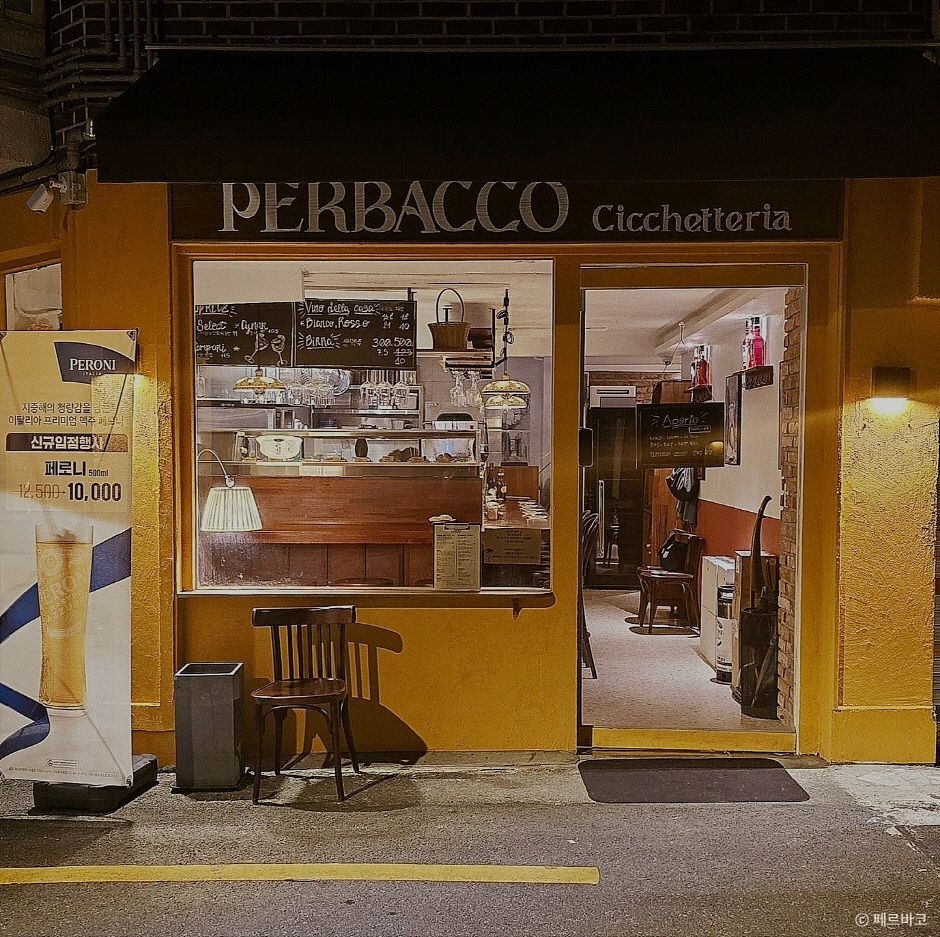
Perbacco is a Venetian style pub, better known as a chicchetteria. The pub offers lesser-known Italian snack fare from Venice, with their main dish being cicchetti, flat slices of bread piled with various ingredients, usually focusing on seafood.
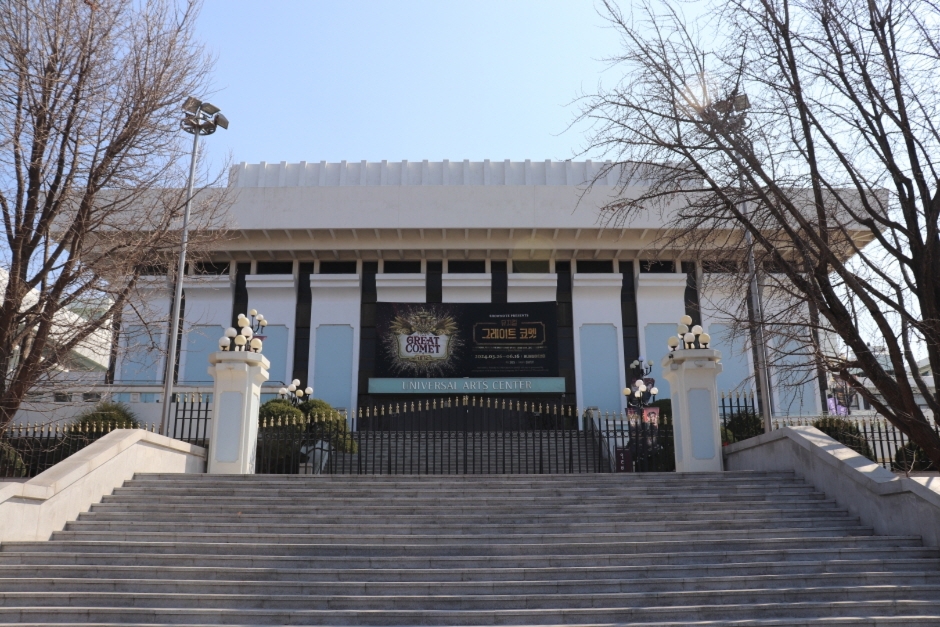
⊙ Universal Arts Center (유니버설아트센터)
View detailed guide on Korea Trip Guide →
– Homepage
www.uac.co.kr (Korean only)
Universal Arts Center, inaugurated in 1981, stands as a prominent venue for performances. Renowned for its splendid and classic architectural interior, it is celebrated for its distinctiveness. Its main facilities include the Grand Theater, the Luna Hall capable of accommodating up to 300 guests for banquets, and an audience lounge. It serves as a harmonious space where performance venues, artistic community, and art educational institutions converge. Here, visitors can enjoy a diverse array of performances ranging from ballet and musicals to concerts.
⊙ Mouse Rabbit (마우스래빗)
View detailed guide on Korea Trip Guide →
– Homepage
www.instagram.com/mouserabbit_official
SUPER JUNIOR Yesung
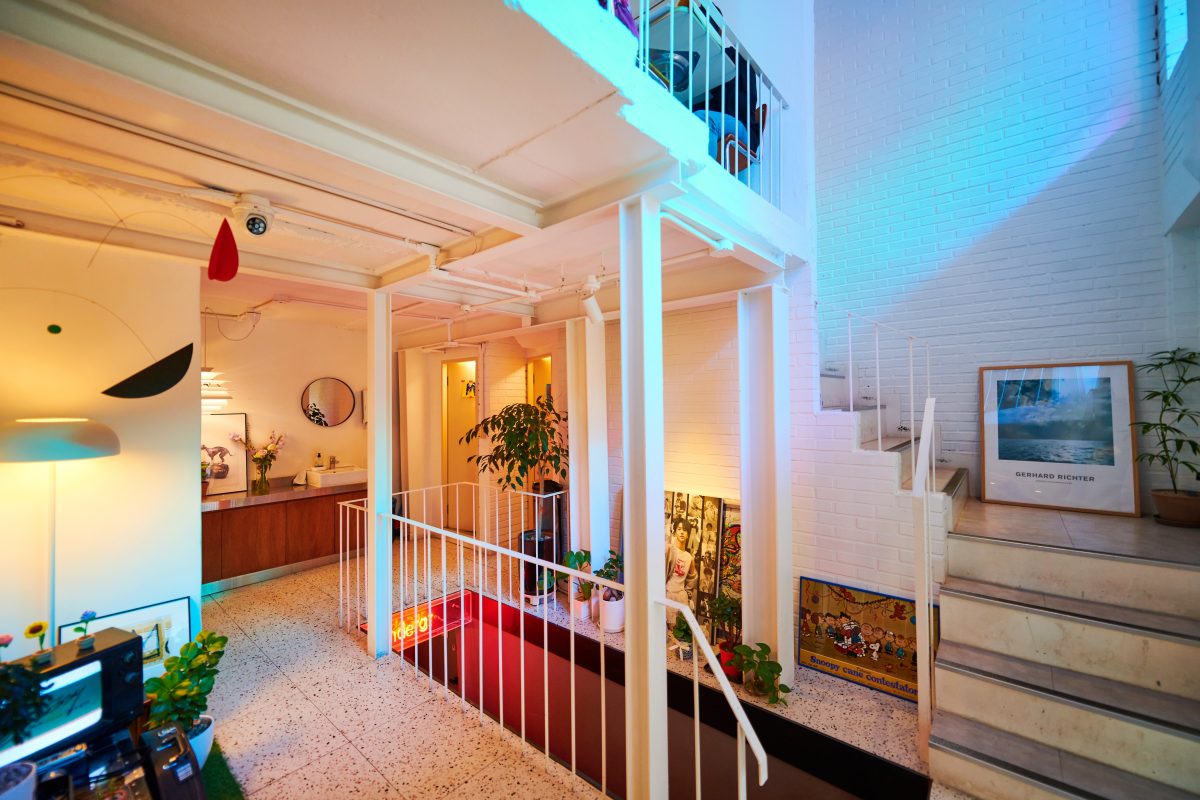
SUPER JUNIOR’s Yesung, who loves coffee, opened this cafe with her younger brother. It is also called ‘Yesung Cafe’ and is visited by domestic fans as well as foreign customers. Yesung serves himself, and it is decorated like a hideout. The cafe building, which consists of the first basement floor and the second floor above ground, catches the eye with a different theme for each floor. Ssamanko Smoothie and Icy Blue Smoothie are popular menu items.
⊙ Konkuk University Medical Center (건국대학교병원)
View detailed guide on Korea Trip Guide →
Founded in 1931, Konkuk University Medical Center utilizes the latest medical technologies and advanced equipment to provide the highest level of healthcare services. We have state-of-the-art medical devices and equipment including the latest robotic surgery systems and a complete medical computerization system, 842 beds, 9 focus centers,14 specialized treatment centers, and a healthcare center for accurate early diagnosis.
Under the safe treatment system, our best medical staff and employees who communicate and empathize with patients do our best to create a patient-centered hospital that both patients and their families can trust the most.
](https://ktrip.blogsailing.com/wp-content/uploads/2026/05/4044150_image2_1.jpg)
](https://ktrip.blogsailing.com/wp-content/uploads/2026/04/4019134_image2_1.jpg)
](https://ktrip.blogsailing.com/wp-content/uploads/2026/03/4017512_image2_1.jpg)
](https://ktrip.blogsailing.com/wp-content/uploads/2026/05/4018374_image2_1.jpg)
](https://ktrip.blogsailing.com/wp-content/uploads/2026/04/4018478_image2_1-2.jpg)