Saturday Gugak Concert(토요명품)
Saturday Gugak Concert(토요명품)
– Address : 2364, Nambusunhwan-ro, Seocho-gu, Seoul
※ Presentation Information
– Age Limit
8 years old or older
– Booking Place
https://www.gugak.go.kr/site/program/performance/month_list?menuid=001001001001&lang=en
– Location
Umyeondang Hall, National Gugak Center, 2364, Nambusunhwan-ro, Seocho-gu, Seoul
– Event Duration
80 minutes (depending on the performance)
– Sponsor
국립국악원
– Co-Sponsor Phone
02-580-3300
– Programs
The National Gugak Center continues the tradition of Korea’s royal music institution dating back to the Silla, Goryeo, and Joseon dynasties. It not only preserves and inherits Korean musical resources but also presents Korean music to domestic and international audiences.
Every Saturday, the center’s Umyeondang Hall hosts a permanent performance called the Saturday Gugak Concert. It has been the center’s most famous performance for nearly 40 years. Its main feature is that it combines several genres of Korean music, from singing to playing and dancing, on one stage. For example, Daechwita, a military ceremonial music played during the procession of kings and dignitaries, Bakjeommu, a dance depicting the fluttering of butterflies, and Seodo Minyo, folk songs from the western provinces, are performed for 80 minutes. It’s a great opportunity for those who are new to Traditional Korean music.
The performers on stage are also first class. Four regular performance groups are ready for the concert: Court Music Orchestra, Folk Music Group, Dance Theater, and Contemporary Gugak Orchestra. They have a rich repertoire of Korean music, ranging from traditional court music to folk music. Certainly, the performances are of high quality and quantity. Still, tickets are affordable at around 20,000 to 30,000 won. After the performance, it’s worth visiting the Gugak Museum.
◎ Nearby Tourism Infobox
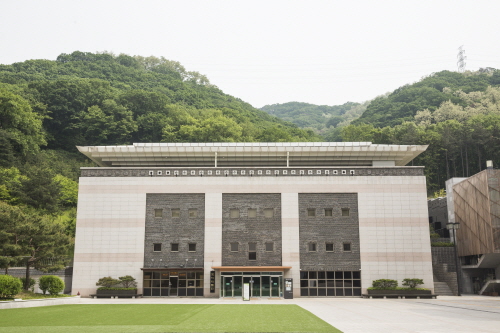
⊙ National Gugak Museum (국립국악박물관)
View detailed guide on Korea Trip Guide →
– Homepage
www.gugak.go.kr
– Tel
+82-2-580-3130
The National Gugak Museum opened on February 23, 1995 as the first gugak museum in Korea, featuring approximately 6,000 pieces of gugak-related materials and relics which have both historical and cultural value. It is comprised of seven themed permanent exhibition halls that present 250 pieces of audio and video clips regarding gugak. In the 3D room, visitors can enjoy 3D animation at all times. The museum also hosts special exhibitions in unique and interesting themes.
⊙ National Gugak Center (국립국악원)
View detailed guide on Korea Trip Guide →
– Homepage
www.gugak.go.kr
The National Gugak Center is the governing body established to preserve and promote traditional Korean performing arts. The center can accommodate every type of traditional performing arts, such as palace music, court music, and all other genres including major productions of changgeuk (Korean musical drama). Originally opened in Busan in 1951, the center moved to its current location in Seoul in 1987. The center also opened branch locations in Namwon, Jindo, and Busan in 1992, 2004, and 2008 respectively.
⊙ Seoul Arts Center (예술의전당)
View detailed guide on Korea Trip Guide →
– Homepage
www.sac.or.kr
The Seoul Arts Center is the representative art complex of Korea. It is comprised of the Opera House, Concert Hall, Art Gallery, Calligraphy Museum, Art Material Hall, and an outdoor stage. You can enjoy various performances and exhibitions all in one site.
The Opera House and Concert Hall consist of a total of five performance halls offering an average of 800 performances ever year, whereas the Art Gallery and Calligraphy Museum has seven exhibition halls providing various exhibitions throughout the year. The outdoor stage also provides various genres of performances all year round.
⊙ Hangaram Art Museum in Seoul Arts Center (예술의전당 한가람미술관)
View detailed guide on Korea Trip Guide →
– Homepage
www.sac.or.kr
– Tel
+82-2-580-1300
Hangaram Art Museum, located in the left wing of the Seoul Arts Center, displays a unique exhibition of formative arts. Established in 1990, the museum has a total area of 15,540 ㎡ and contains 6 exhibition halls (including one for oversized artwork), a storage area, and an art shop. The building features a lighting system that controls the humidity and temperature and is equipped with a luminous ceiling system that captures natural sunlight and feeds it into the museum, allowing visitors to enjoy a brightly lit viewing area.
The Art Square in front of the museum houses a wide range of exclusive artwork and serves as a venue for various events such as the Cloz Art Market. Visitors may also enjoy the open-air café right in front of the building or dine at “Yehyang,” a traditional Korean restaurant right down the stairs.
⊙ Bongsanok (봉산옥)
View detailed guide on Korea Trip Guide →
– Tel
+82-2-525-2282
Bongsanok, located near the Seoul Arts Center, specializes in manduguk (mandu soup), known for its signature spicy twist with a generous sprinkling of chili pepper powder. The restaurant’s celebrated manduguk features Hwanghae-do-style mandu, stuffed with a savory blend of minced meat, kimchi cabbage, bean sprouts, and chives, all served in a rich beef brisket broth that has been meticulously boiled for twelve hours.
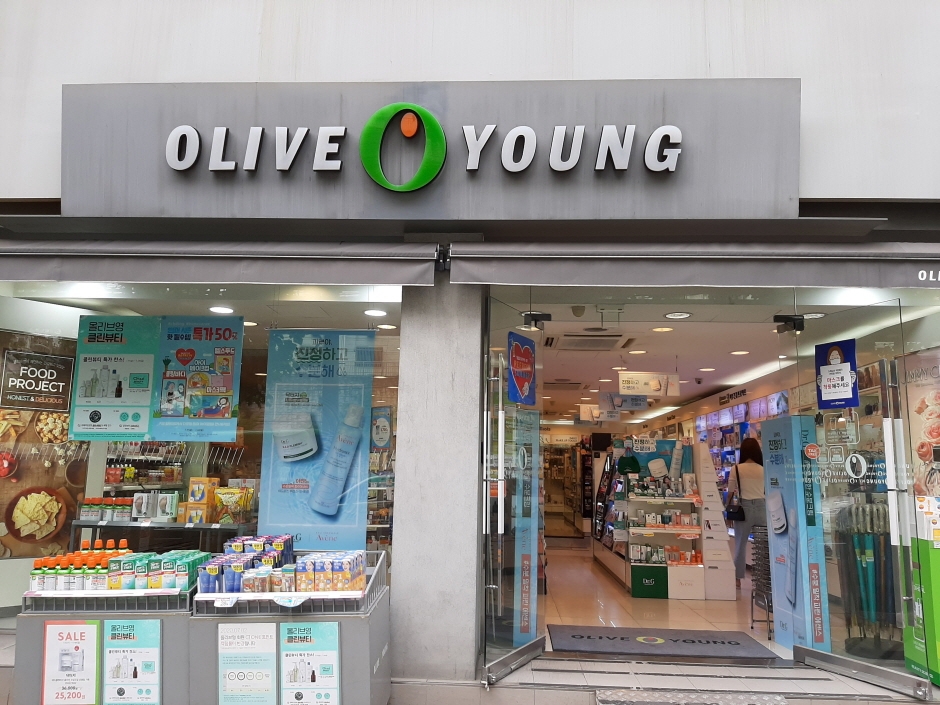
⊙ Olive Young – Nambu Bus Terminal Branch [Tax Refund Shop] (올리브영 남부터미널)
–
⊙ 21 Century Hospital (서울21세기병원)
View detailed guide on Korea Trip Guide →
Opened in 1999, 21st Century Hospital has a long-standing medical staff, most of whom have worked for the hospital for many years.
This safety has attracted many patients to our hospital.
⊙ Jangdeok Hospital of Korean Medicine (장덕한방병원)
View detailed guide on Korea Trip Guide →
Jangdeok Korean Medicine Hospital provides integrative care through collaboration of Korean and Western medicine, operating specialty centers in shoulder, knee, spine, dermatology, brain health, and prostate. Its dermatology center specializes in resistant pigmentation removal and long-lasting deep wrinkle lifting.
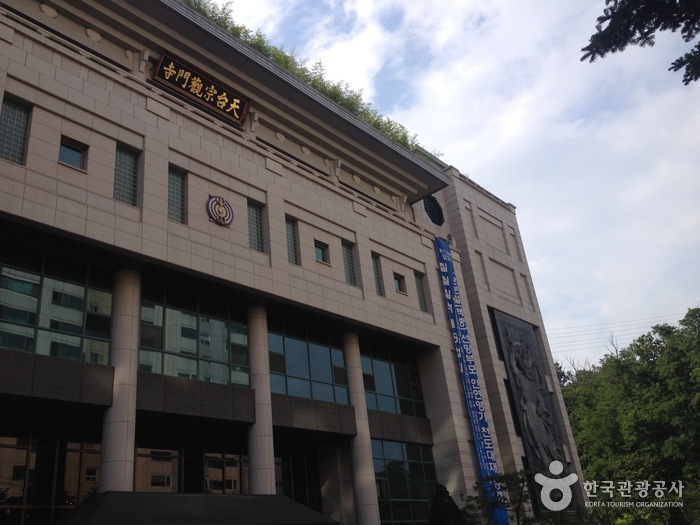
⊙ Seoul Gwanmunsa Temple (관문사(서울))
View detailed guide on Korea Trip Guide →
– Homepage
gwanmunsa.templestay.com
– Tel
+82-2-3460-5300
Located at the foot of Umyeonsan Mountain in Seocho-gu, Seoul, Gwanmunsa Temple had its ground-breaking ceremony in 1993 and construction was completed in October 1998.
The temple site has a total area of 22,148.76 ㎡ with seven ground levels and four basement levels. The temple was constructed with a mixture of modern and traditional Buddhist architectural designs. Inside the temple, cutting-edge facilities are used for various cultural events, conferences, and sacred ceremonies.
Neighbored by Cheonggyesan Mountain, Umyeonsan Mountain, and Yangjaecheon Stream, the temple is located near many natural spots visitors can enjoy. In particular, Umyeonsan Mountain (alt. 293 m), where Gwanmunsa Temple is located, gets its name for its shape resembling a cow lying down. Designated as a city park and managed by Seoul Metropolitan Government, Umyeonsan Mountain has several valleys with clear spring waters and a dense forest inhabited by diverse animals and plants.
](https://ktrip.blogsailing.com/wp-content/uploads/2026/03/4024779_image2_1.jpg)
](https://ktrip.blogsailing.com/wp-content/uploads/2026/03/4017764_image2_1-768x576.jpg)
![Artbox – Yeongdeungpo Time Squre Branch [Tax Refund Shop] (아트박스 영등포타임스퀘어점)](https://ktrip.blogsailing.com/wp-content/uploads/2025/12/2880057_image2_1.jpg)
4 Comments