Seokjangni Museum (석장리박물관)
Seokjangni Museum (석장리박물관)
 – Homepage
www.gongju.go.kr/sjnmuseum: Visit site
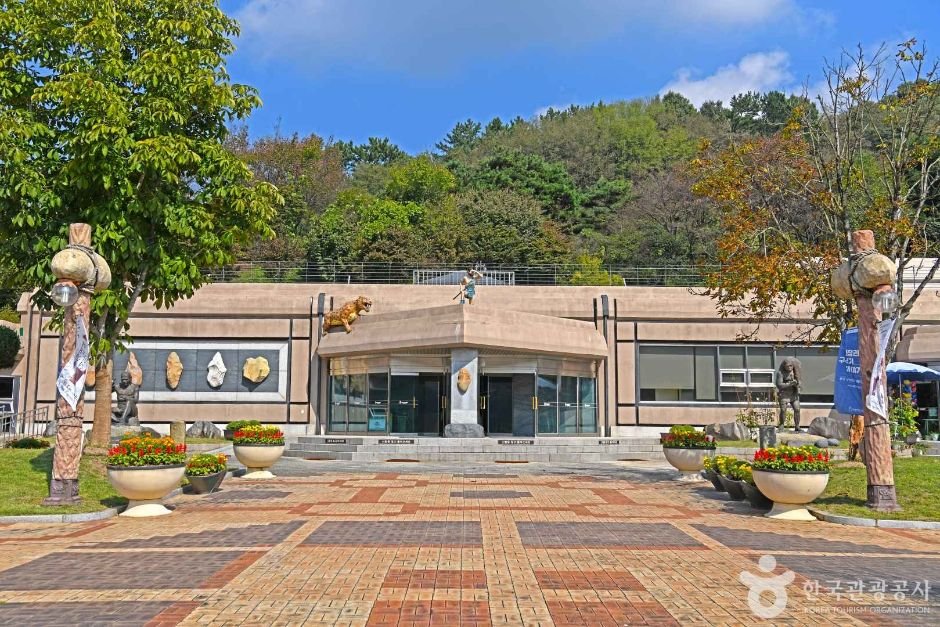
Located in Gongju, Chungcheongnam-do, Seokjangni Museum was established in September 2006 to preserve and introduce the culture of the Old Stone Age. There are a variety of exhibitions of relics excavated from the Seokjeong-ri area as well as educational programs available for visitors to learn more about the Paleolithic Period. The museum is divided into permanent exhibitions, planned exhibitions and outdoor exhibitions. Overall, visitors can understand the history better through the exhibition halls, prehistoric park, and the Archaeological Site in Seokjang-ri, Gongju.
– Address : 990 Geumbyeok-ro, Gongju-si, Chungcheongnam-do
※ Presentation Information
– Information and Guides
+82-41-840-8924
– Day Off
January 1, the day of Seollal (Lunar New Year’s Day) & Chuseok (Korean Thanksgiving Day)
– Usage Fee
Individuals – Adults 3,000 won / Teenagers 2,000 won / Children 1,000 won
* Free admission applies to preschoolers (ages 6 & under), senior citizens (ages 65 & older), and on the last Wednesday of the month
– Operating Hours
March-October 09:00-18:00November-February 09:00-17:00* Last admission is 30 min before closing


◎ Nearby Tourism Infobox
⊙ Archaeological Site in Seokjang-ri, Gongju (공주 석장리 유적)
View detailed guide on Korea Trip Guide →
– Homepage
www.sjnmuseum.go.kr (Korean only) www.cha.go.kr (Korean, English, Japanese, Chinese): Visit site · Visit site
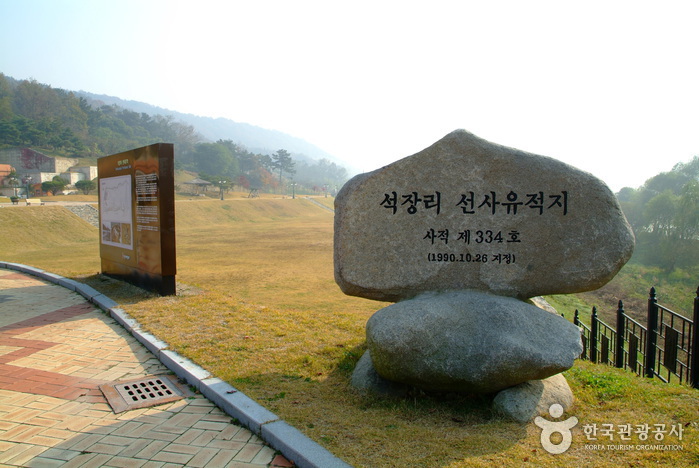
The Archaeological Site in Seokjang-ri, Gongju is located approximately 6 kilometers out of the city of Gongju, on the northern banks of the Geumgang River. The site is one of Korea’s representative relic sites of the Old Stone Age, and is designated Historic Site No. 334. The site was excavated 10 times between 1964 and 1974 by teams from Yonsei University Museum. The excavation of 27 layers of stratum produced relics proving people lived in the area through 11 cultural eras. The area was excavated again in 1990 and 1993, producing even more cultural artifacts and helping to create a clearer image of the people living in that time.
](https://ktrip.blogsailing.com/wp-content/uploads/2026/06/4023265_image2_1.jpg)