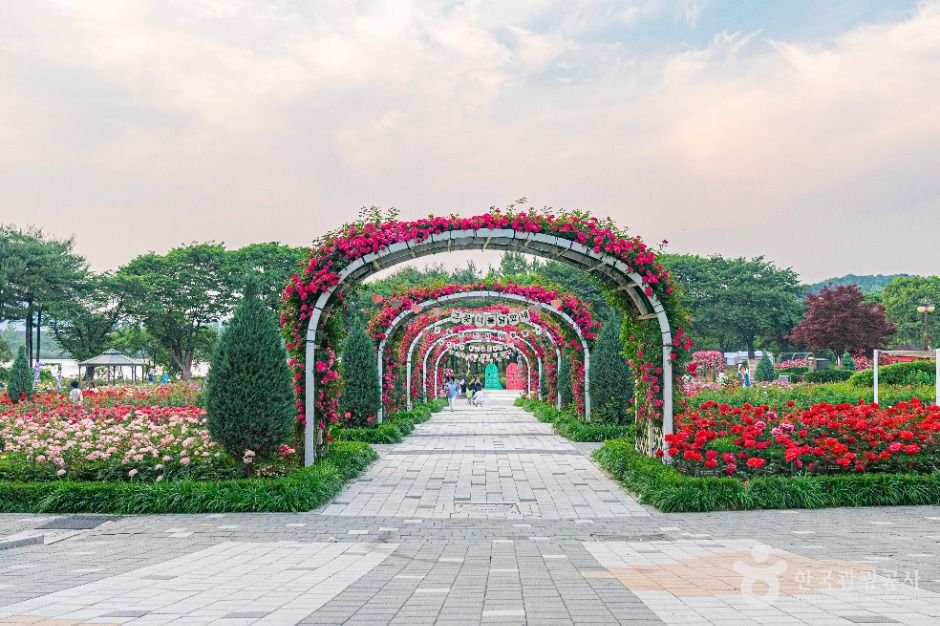
Seoul Grand Park (서울대공원)
Seoul Grand Park (서울대공원)
 – Homepage
grandpark.seoul.go.kr: Visit site
Seoul Grand Park is a comprehensive theme park located in Gwacheon, Gyeonggi-do. Since its opening in 1984, it has been a beloved complex recreational space where visitors can enjoy nature, culture, and leisure together. It features Seoul Zoo , the nation’s leading Zoo dedicated to wildlife conservation, research, and education, as well as the Seoul Grand Park Botanical Garden, the country’s first public arboretum showcasing over 1,600 diverse plant species.
Seoul Grand Park , which offers even richer attractions in conjunction with the adjacent Seoul Land and the National Museum of Modern and Contemporary Art, has established itself as a leisure space for many citizens, including family visitors, where they can simultaneously enjoy relaxation in nature and ecological learning.
– Address : 102 Daegongwongwangjang-ro, Gwacheon-si, Gyeonggi-do
※ Presentation Information
– Information and Guides
+82-2-500-7335
– Parking
Available
– Day Off
N/A (Open all year round)
– Operating Hours
[March-April/September-October] 09:00-18:00 (Last admission 17:00)[May-August] 09:00-19:00 (Last admission 18:00)[November-February]09:00-17:00 (Last admission 16:00)


◎ Nearby Tourism Infobox
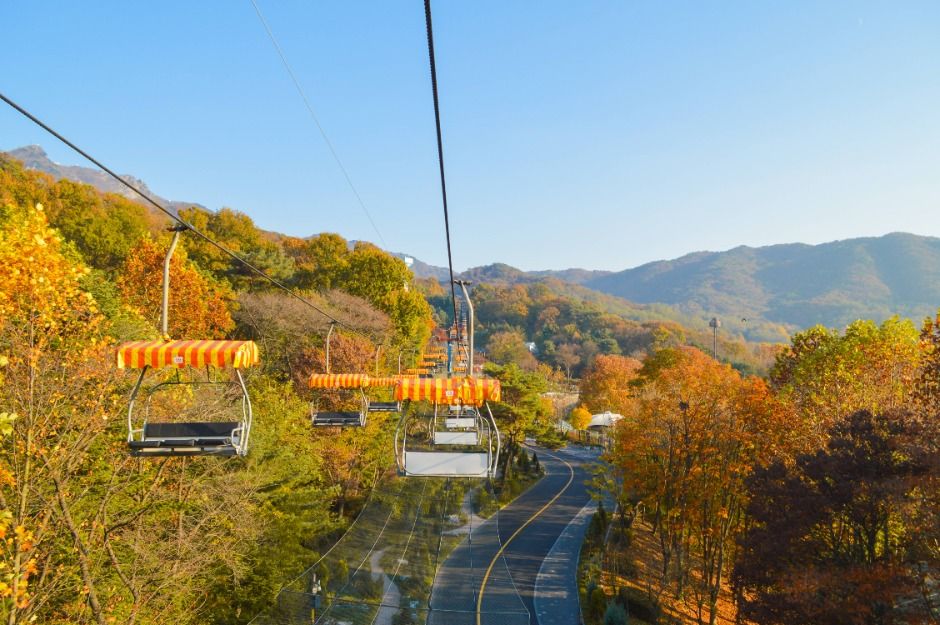
⊙ Skylift (스카이리프트)
View detailed guide on Korea Trip Guide →
– Homepage
www.instagram.com/seoulgrandpark_skylift: Visit site
The Seoul Grand Park Skylift is an experiential transportation and tourist facility that operates within Seoul Grand Park. It consists of two lines, Line 1 and Line 2, and operates from the entrance of Seoul Grand Park to the north gate of the zoo, and from the north gate of the zoo to the top of the carnivore animals zone, respectively. It serves to connect major tourist destinations such as the zoo, themed gardens, and children’s zoo, allowing visitors to move around efficiently. Visitors can also enjoy the natural scenery of Seoul Grand Park’s lakes, forests, and flower paths while traveling on the lift. Available all year round, visitors can enjoy seasonal scenery such as cherry blossoms in spring, greenery in summer, autumn leaves in fall, and snowy landscapes in winter.
⊙ Seoulland Sledding Hills (서울랜드 눈썰매장)
View detailed guide on Korea Trip Guide →

– Homepage
www.seoulland.co.kr: Visit site
Seoulland Sledding Hills offers two slopes, one for children (50 meters long) and another for adults (120 meters long). Amenities include food stands that sell various foods, including eomuk (fish cake) soup, resting lounge and medical office. Various performances are also prepared to entertain visitors at the main stage nearby the sledding hill.
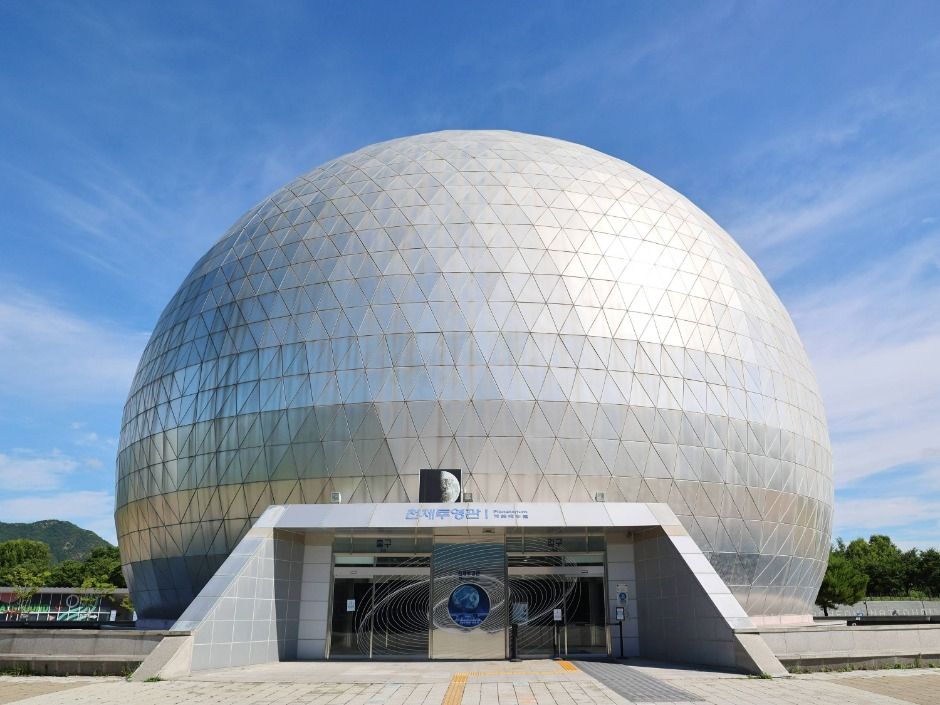
⊙ Gwacheon National Science Museum (국립과천과학관)
View detailed guide on Korea Trip Guide →
– Homepage
www.sciencecenter.go.kr: Visit site
As a landmark facility representing Korea’s advanced science and technology capabilities, Gwacheon National Science Museum strives to encourage young visitors to become interested in science and shares with the public scientific principles that govern daily life. The museum has permanent exhibition halls, special exhibition halls, a planetarium, outdoor exhibitions, and more. Over 50% of the exhibition items on display are interactive, allowing visitors to jump in and experience science first-hand using their minds and their imagination.
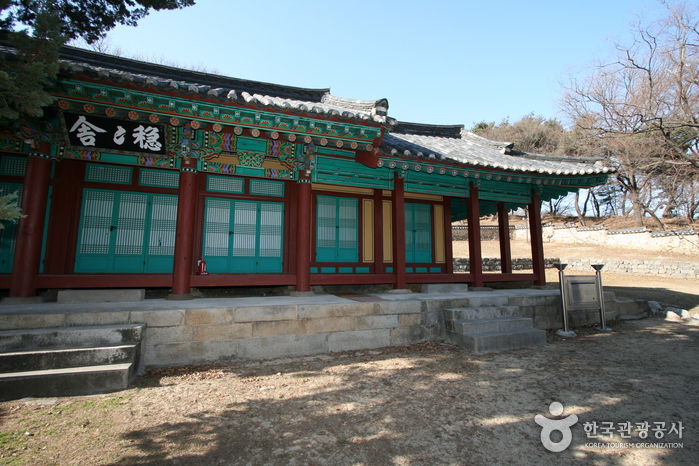
⊙ Ononsa Guesthouse (온온사)
View detailed guide on Korea Trip Guide →
– Homepage
www.gccity.go.kr: Visit site
Though Ononsa, which was a guesthouse in Gwacheon, was constructed in the 27th year of King Injo’s reign in the Joseon dynasty (1649), the name, “Ononsa,” was given to this area during the reign of King Jeongjo. On February 11, 1790 during his royal procession to the tomb of his father, Crown Prince Sado, stayed at an inn in Gwacheon and, as he felt that it “has nice views and provides a comfortable stay,” he bestowed upon the place plaques that he wrote himself – “Ononsa” to Seoheon and “Burimheon,” which was the old nickname of Gwacheon, to Dongheon. This is how this place began to be called Ononsa.
It was designated as a Tangible Cultural Heritage of Gyeonggi-do on June 2, 1980, and it was restored on December 2, 1986 after being torn down.

](https://ktrip.blogsailing.com/wp-content/uploads/2026/06/4018871_image2_1.jpg)
](https://ktrip.blogsailing.com/wp-content/uploads/2026/06/4027677_image2_1.jpg)


](https://ktrip.blogsailing.com/wp-content/uploads/2026/06/4021007_image2_1.jpg)
3 Comments