Siwon (시원)
Siwon (시원)
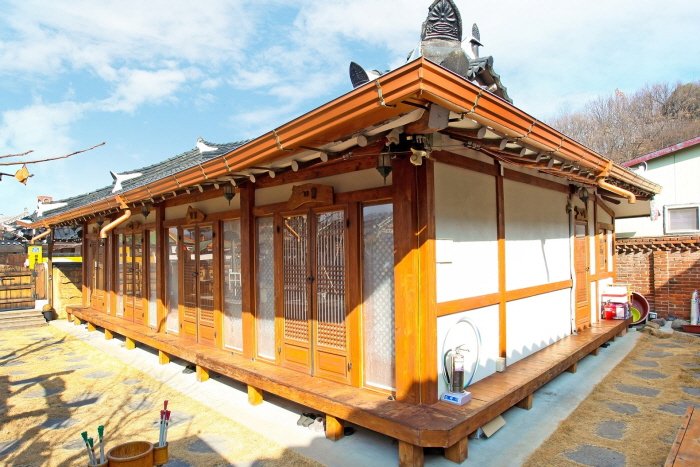
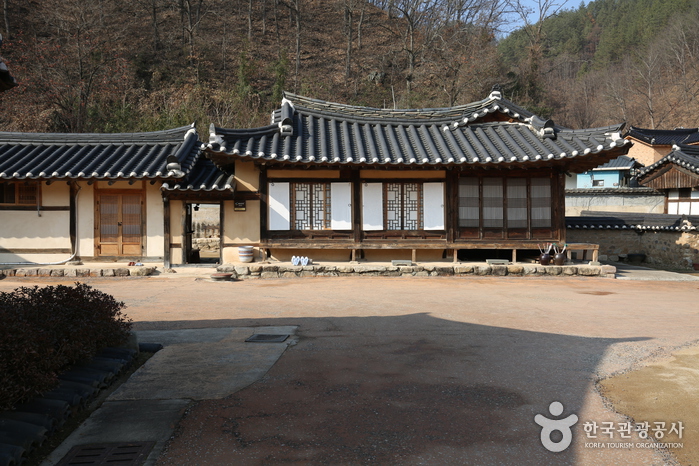
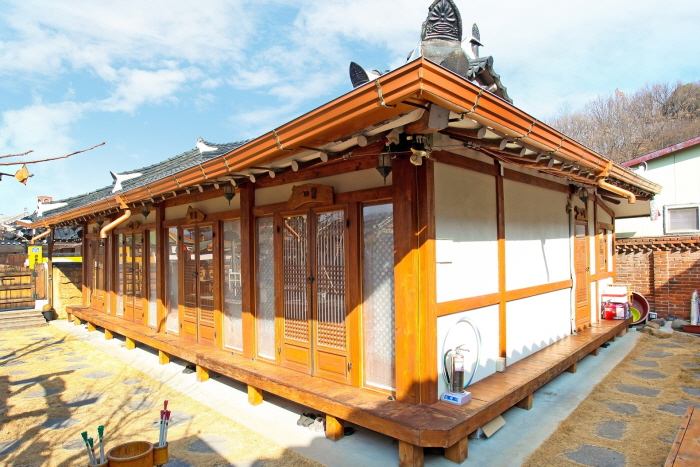 Siwon is a timber and clay-built hanok stay, part of Jeonju Hanok Village in Jeonbuk State. It has three guestrooms. The rooms have all been insulated and draft-proofed to keep visitors warm and comfortable. In the yard is a small garden and guests can play folk games such as tuho and jegichagi.
– Address : 45-41 Omokdae-gil, Wansan-gu, Jeonju-si, Jeonbuk-do
※ Presentation Information
– Check-in Time
14:00
– Check-out Time
10:30
– Daily Rate
Not available
– Parking Fee
Available


◎ Nearby Tourism Infobox
⊙ 2521 (이오이일)
View detailed guide on Korea Trip Guide →
– Homepage
cafe.naver.com/onesyouth2521: Visit site
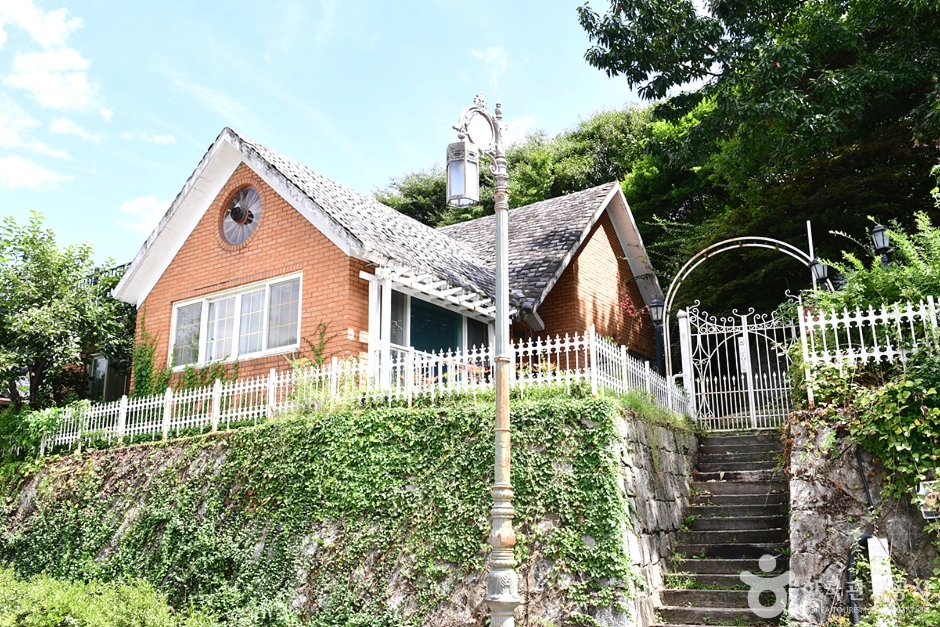
2521, pronounced yi-o-yi-il in Korean, a private guesthouse located in Jeonju Hanok Village. It was made popular as Na Hee-do’s house in the drama “Twenty-Five, Twenty-One (2022).” Upon booking, the owner will set the scene just like from the drama. Guests can enjoy a barbeque party at the yard and the view of the hanok village from the rooftop. The guesthouse can accommodate up to eight guests.
⊙ Omokdae and Imokdae Historic Sites (오목대와 이목대)
View detailed guide on Korea Trip Guide →
– Homepage
tour.jeonju.go.kr: Visit site
Omokdae Historic Site is located on top of a steep hill and is one of the places where Yi Seong-gye, who later became King Taejo, the first king of the Joseon dynasty, stopped to celebrate his victory on his way home from a war against the Japanese army at Unbong Peak of Hwangsan Mountain. Across the bridge from Omokdae is Imokdae Historic Site, situated at the foot of Seungamsan Mountain. Approximately 80 meters downhill from Imokdae are memorial stones and a building where Mokjo, the great-great-grandfather of King Taejo, once used to live. The engraved letters on the stones are the handwritings of Emperor Gojong. Mokjo moved to Hamgyeongdo as a result of a dispute with the then minister of Jeonju, an incident which King Taejo believed to have laid the foundation for him to shape the Joseon dynasty.
⊙ Veteran Kalguksu (베테랑칼국수)
View detailed guide on Korea Trip Guide →
– Homepage
Visit site
Veteran Kalguksu, located in Jeonju Hanok Village, has been operating since 1977, attesting to the great taste of their broth, made using sesame, meal, and eggs. The noodles are also cut much thinner than other restaurants, while maintaining their chewy texture. Another popular menu at the restaurant is their kongguksu.
◎ Travel information to meet Hallyu’s charm
The restaurant was a favorite spot for the cast of the drama “Twenty Five Twenty One.” Lead actress Kim Tae-ri, who played Na Hee-do, even visited for breakfast during her vlog shoots. She drew attention for enthusiastically finishing a bowl of noodles down to the last strand. Nearby is the private rental house “2521,” which was featured as Hee-do’s home in the drama, making it worth visiting after enjoying a meal at the restaurant.
⊙ Jeonjuhyanggyo Local Confucian School (전주향교)
View detailed guide on Korea Trip Guide →
– Homepage
www.jjhyanggyo.or.kr: Visit site
Jeonjuhyanggyo is a local Confucian school that was established during the Joseon dynasty (1392-1910) and is a designated Historic Treasure. This was a national education center during the Joseon period. The school was originally located at the Gyeonggijeon Shrine site, but was relocated in 1603. The mortuary tablets of seven Chinese Confucian scholars and 18 Korean scholars are enshrined in the main building of Daeseongjeon Hall. The site is popular for its 400-year-old ginkgo tree in the front yard, and is the most beautiful in fall.
⊙ Namcheongyo Bridge Cheongyeonru (남천교 청연루)
View detailed guide on Korea Trip Guide →
– Homepage
tour.jeonju.go.kr: Visit site
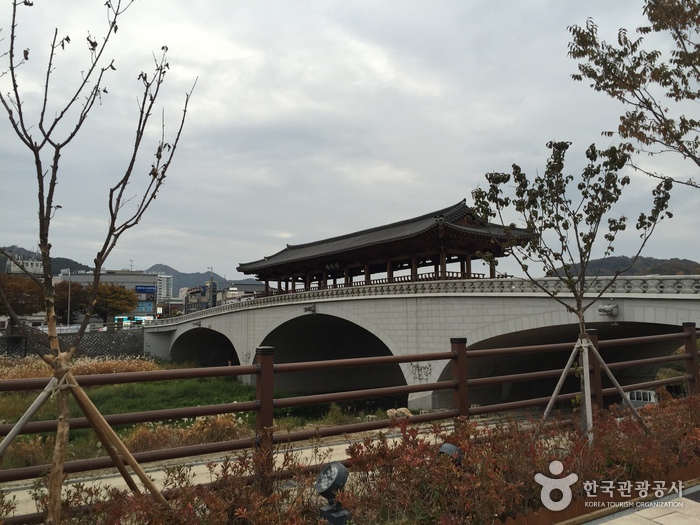
Namcheongyo Bridge is the main bridge to the entrance of Jeonju Hanok Village. Through “Jeonju Namcheongyo Luxury Project,” the area went through renovation strengthening infrastructure and adding Cheongyeonru Pavilion to the bridge. Visitors can enjoy a panoramic view of the area from the hanok pavilion or rest from the heat.
⊙ Ilrakdang sarangchae (일락당사랑채)
View detailed guide on Korea Trip Guide →
– Homepage
Visit site
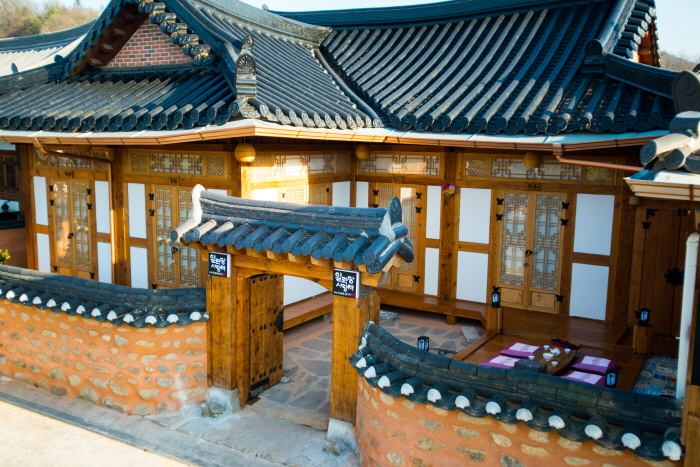
A must visit place for tourists in Jeonju, Ilrakdang Sarangchae is located in the middle of the traditional Korean house village of Jeonju. The very first of three enjoyments for noble man, as indicated by Menicus, the existence of parents and brothers with no troubles is what the place is named after. Standing in the garden, you can easily see the stone walls of Gyeonggijeon and also you are within the range of walking distance to Jeondong catholic church, Omokdae, Southern market, Jeonju Hyanggyo, and the wall painting village of Jaman.
The rooms are called, Haengbokchae, Sarangbang, Mitum band, Monday, Tuesday, Wednesday, Thursday, Friday, Saturday, Sunday and so on. Haengbok room 1/2, a living room with furnace, a big sized attic above the living room are shared together, which makes it most suitable for big families or a small group of tourists. The Monday/Tuesday/Friday/Saturday/Sunday rooms all have a small, cozy attic and in every guest room’s wall, column and doors are mainly made of woods which makes them feel very warm. On every morning, in the shared kitchen, simple breakfasts mainly consisting of toasts, jams, coffee and juice are served. All guests are provided with discounts on Korean costume rental(30%), motor bikes(30%) and waengi bean sprout soup with rice (1000KRW). Besides, there are various services such as introduction to tasty restaurants in partnerships with traditional Korean house villages, as well as discounts, and try out of Korean rice cake making experiences and so on.
⊙ Jeonju Jeondong Catholic Cathedral (전주전동성당)
View detailed guide on Korea Trip Guide →
– Homepage
www.jeondong.or.kr: Visit site
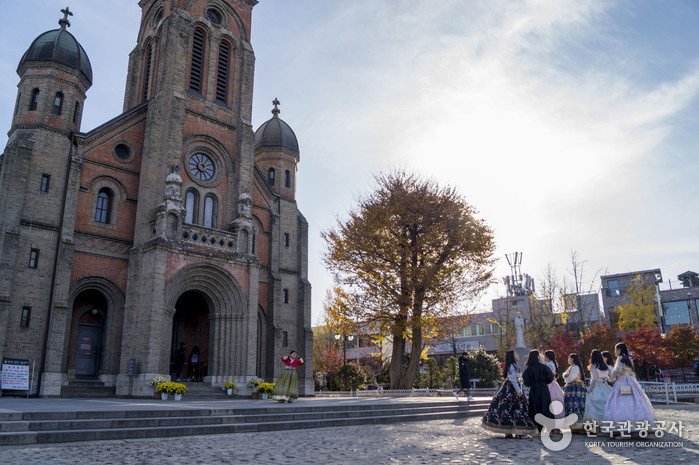
Jeondong Catholic Cathedral in Jeonju was built in honor of Roman Catholic martyrs of the Joseon dynasty on the very same spot the martyrs lost their lives. The land was purchased by French Priest Baudenet in 1891 (28th year of King Gojong), but construction of the church did not begin until 1908. Construction was completed in 1914, a time during which Korea was under Japanese rule. Though originally built just outside of Pungnammun Gate, the site of the martyrs, the church was later moved to its current location for expansion.
The first Romanesque building in the Honam region, Jeondong Catholic Cathedral is made of gray and red bricks and bears a striking resemblance to the Myeongdong Cathedral in Seoul, also designed by Priest Poinel. Not only considered one of the most beautiful Catholic churches in Korea, some even go so far as to say it is one of the most beautiful structures in all of Korea, citing the church’s unique combination of Byzantine and Romanesque architectural styles. The rectangular building is topped with three Byzantine bell towers (to the right, center, and left) and boasts arched ceilings, several of which meet in the form of a cross.
It is interesting to note that some of the bricks used in construction of the church were made using materials from the Jeonjueupseong Walled Town, which was torn down by the Japanese. It is also said that the cornerstone of the church came from a wall of Jeonjueupseong Walled Town near Pungnammun Gate.
⊙ Seohak Art Village Library (서학예술마을도서관)
View detailed guide on Korea Trip Guide →
– Homepage
tour.jeonju.go.kr: Visit site
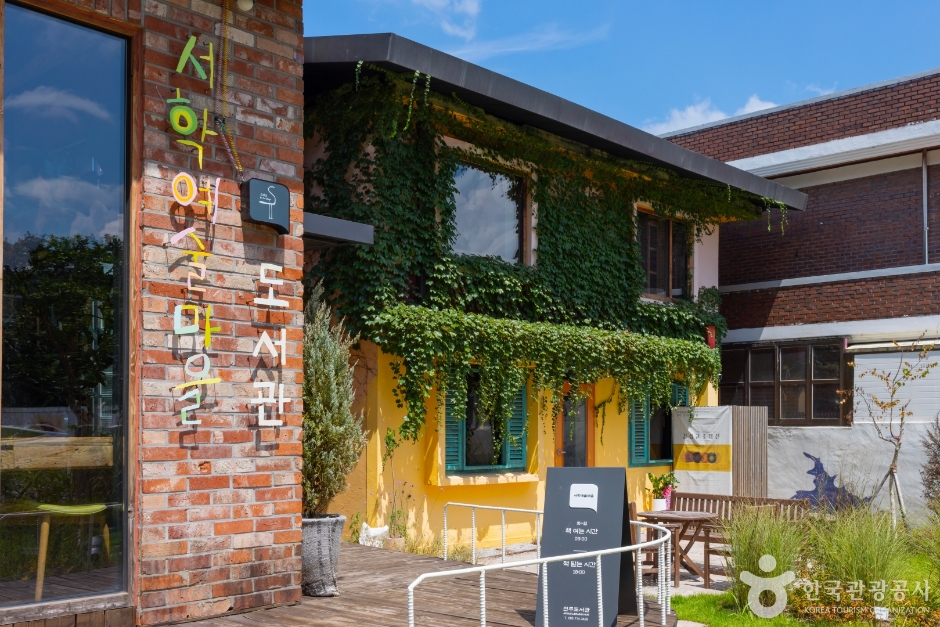
Seohak Art Village Library opened June 2022 in Jeonju, Jeollabuk-do. The library consists of nearly 1,000 books, making it rather small. However, the library makes up for its size with pretty decorations, making visitors want to stay longer. The library is located in an old building that was previously a cafe and gallery, so the library feels more like a book cafe.
⊙ Jeonju Pungnammun Gate (전주 풍남문)
View detailed guide on Korea Trip Guide →
– Homepage
tour.jb.go.kr: Visit site
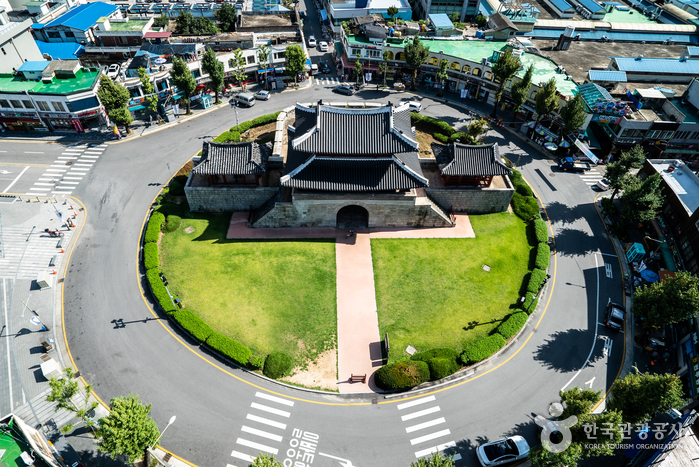
Pungnammun Gate was built during the Joseon dynasty in 1734 and is a designated Treasure. Pungnammun Gate was the southernmost gate among the four city gates of Jeonju. The structure was severely damaged by fire in 1767, followed by the restoration of the gate tower afterward. The gate was burnt down once again during the Imjin War and was restored to the gate that is seen today.
⊙ Jeonju Traditional Liquor Museum (전주 전통술박물관)
View detailed guide on Korea Trip Guide →
– Homepage
urisul.net: Visit site
Jeonju Traditional Liquor Museum offers visitors the unique chance to explore the world of traditional Korean liquor and engage in related hands-on experience programs. At the museum, visitors can see the tools, machines, and the process used in the making of home-made traditional liquor and even taste them. Guests can also try their hand at making homemade wine and rice wine after making a reservation.
![8 Seconds – Jeonju Branch [Tax Refund Shop] (에잇세컨즈 전주점)](https://ktrip.blogsailing.com/wp-content/uploads/2026/06/4020490_image2_1.jpg)
3 Comments