Soje-dong Cafe Street (소제동 카페 거리)
Soje-dong Cafe Street (소제동 카페 거리)
 – Homepage
https://www.donggu.go.kr
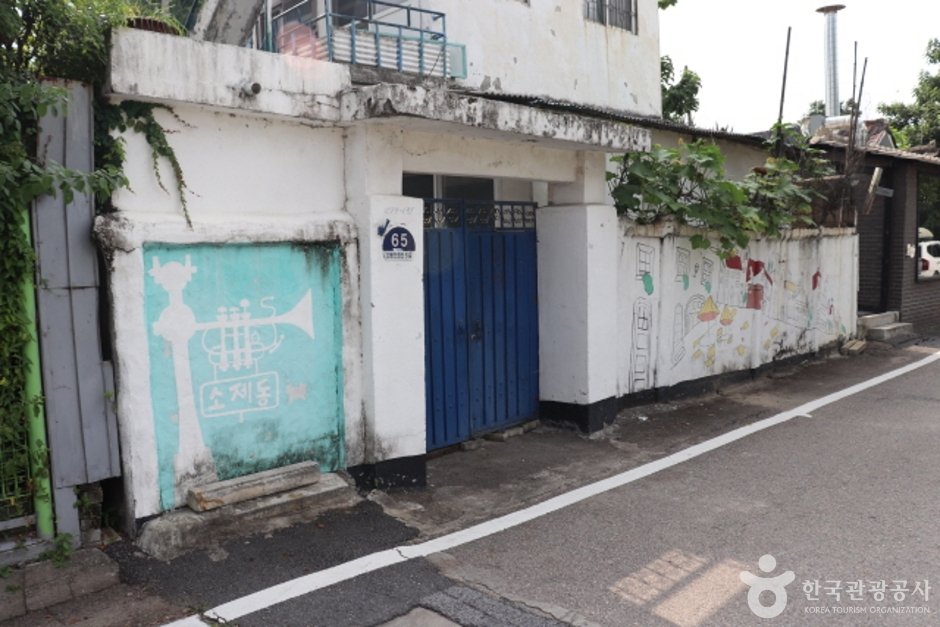
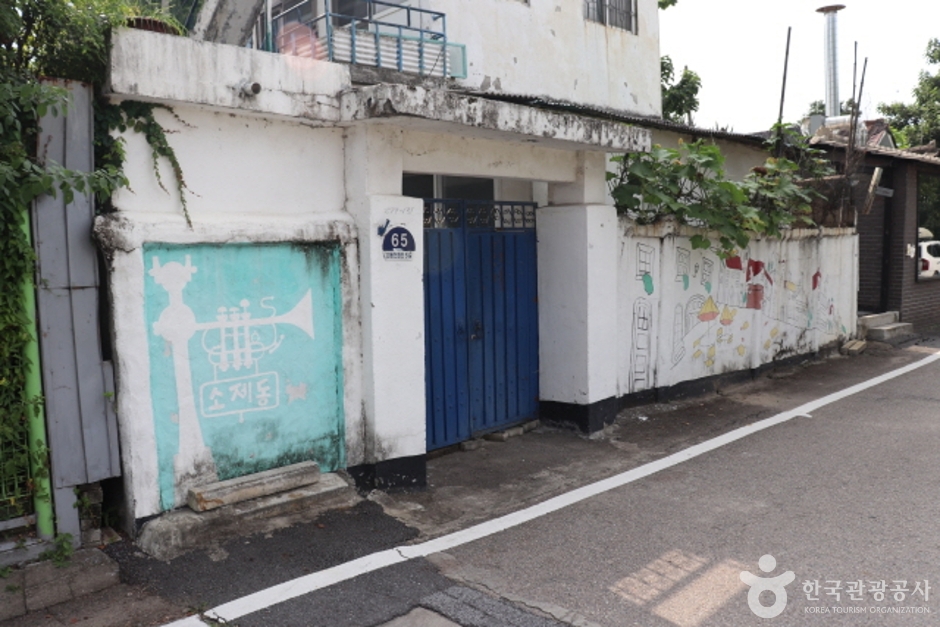
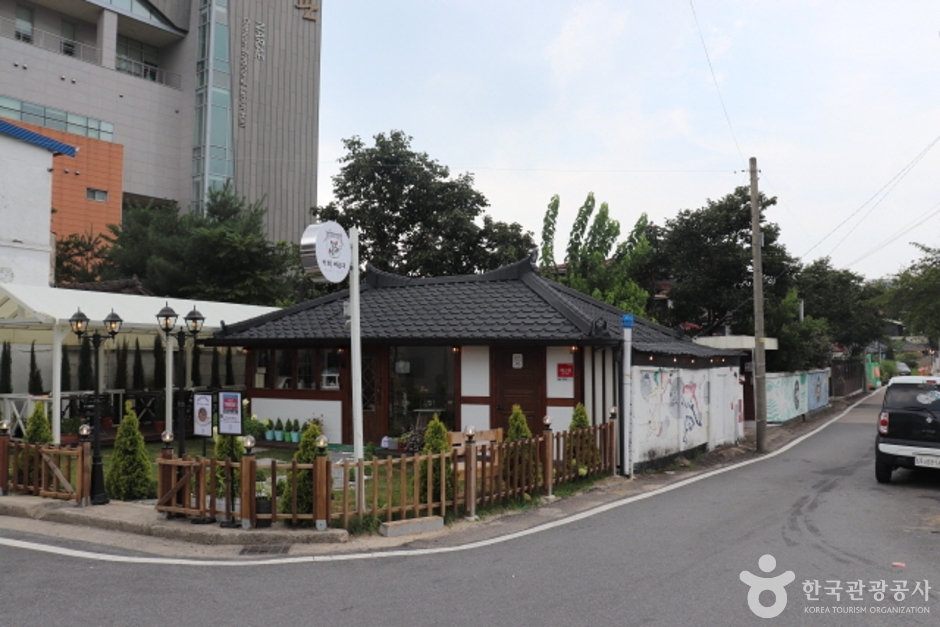
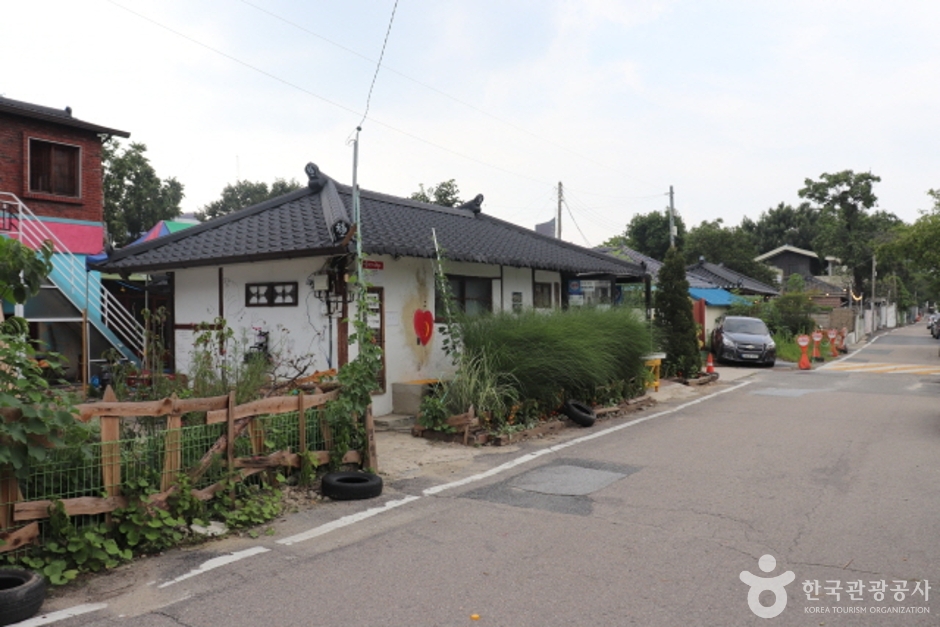
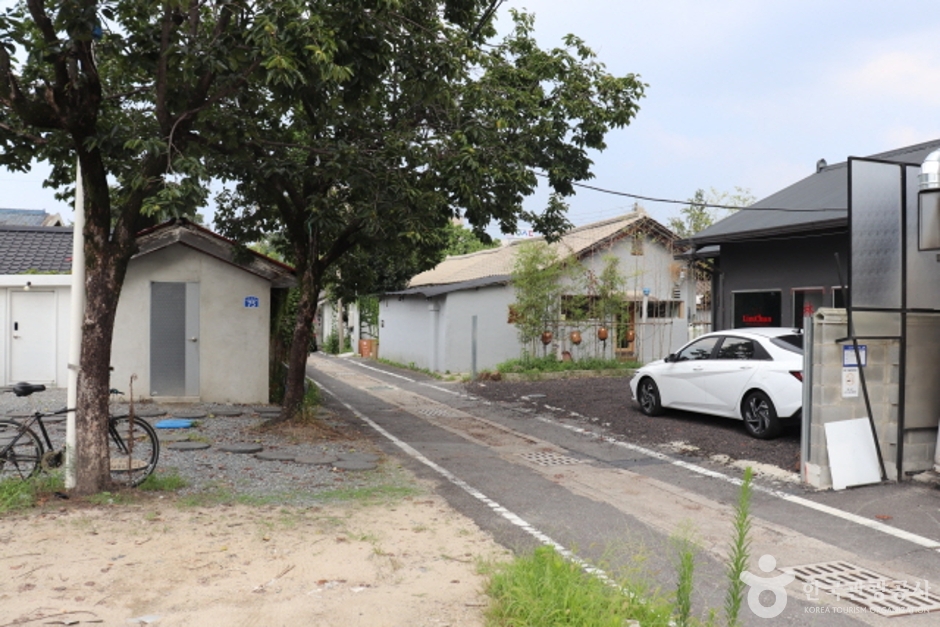
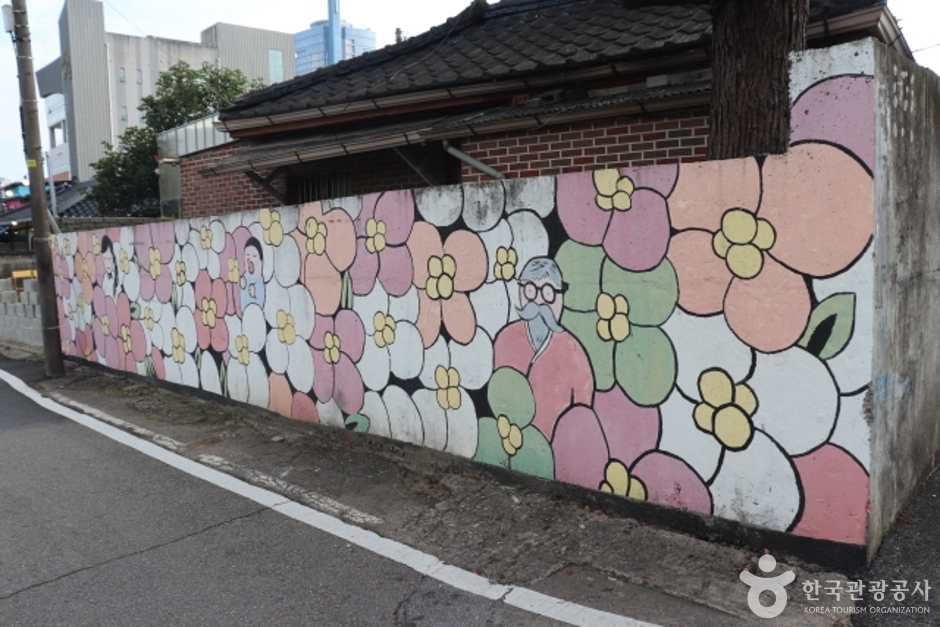
Soje-dong Cafe Street is a cafe village located in Daejeon. This area has long been neglected and underdeveloped. However, recently, various shops have opened, adding a youthful touch to the old buildings, from Italian restaurants remodeled from old buildings to unique cafes and restaurants converted from over 70-year-old buildings. With a retro sentiment that evokes nostalgia for middle-aged and older generations, it has transformed into a cafe street, attracting diverse visitors. While it’s nice to choose a cafe in Soje-dong Cafe Street to enjoy tea or visit a gallery to appreciate artworks, another way to enjoy this place is to take an alley tour in Soje-dong and stroll through the cafe street to admire the murals painted on the walls. Soje-dong Cafe Street is conveniently located near Daejeon Station, making it easy for visitors to reach.
– Address : 53 Suhyang-gil, Dong-gu, Daejeon
※ Presentation Information
– Information and Guides
+82-42-861-1330
– Opening Hours
Vary by store
– Day Off
Vary by store






◎ Nearby Tourism Infobox
⊙ Railway Residency Village (Sollangsiul-gil) (철도관사촌(솔랑시울길))
View detailed guide on Korea Trip Guide →
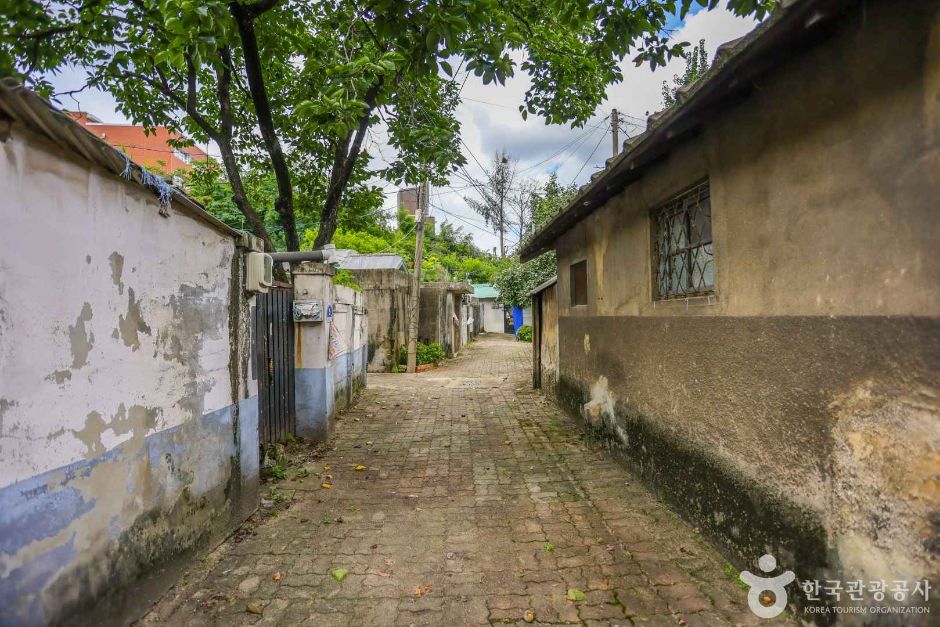
Railway Residency Village, located near Daejeon Station, retains much of its old charm, offering visitors the feeling of stepping back in time. Daejeon’s modern history is closely tied to the development of its railroads. With the opening of the Gyeongbu Line in 1905 and the Honam Line in 1911, the city emerged as a major transportation hub. As traditional villages began to disappear, people flocked to Daejeon, transforming it into a growing metropolis. During the Japanese occupation in the 1930s, the area housed many Japanese railway engineers, which is why Japanese-style architecture can still be found today. At the time, there were over 100 government buildings, though only about 40 have survived. Several of these have been recognized as Registered Cultural Properties for their historical significance. Among them, Building No. 42 now serves as a cultural space that occasionally hosts exhibitions. A stroll along the quiet Solangseoul-gil offers visitors a chance to admire charming murals adorning the walls, adding to the nostalgic atmosphere of the village.
⊙ Sindo Kalguksu Main Store (신도칼국수 본점)
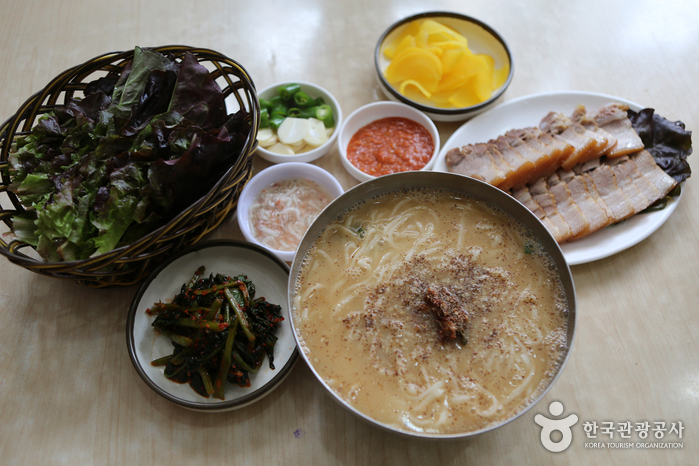
Established in 1961, this restaurant is still regarded as one of the best places for kalguksu in the Daejeon area. The broth, made from beef bones and anchovies, is enriched with perilla seed powder, creating a rich and nutty flavor. For the full experience, try pairing it with suyuk (boiled pork slices) or dubu duruchigi (stir-fried bean crud).
⊙ Kkumdori House (꿈돌이 하우스)
View detailed guide on Korea Trip Guide →
– Homepage
www.djto.kr
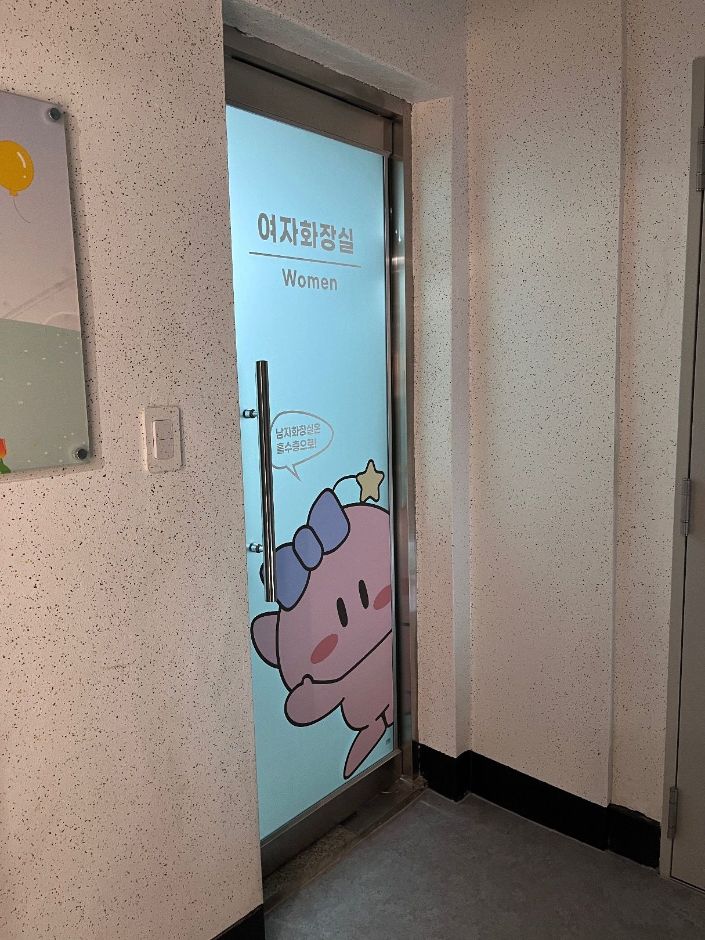
Located near Daejeon Station, Kkumdori House promotes the city’s tourist attractions and sells souvenirs. The first floor offers a variety of merchandise featuring “The Kkum Family,” the symbol of Daejeon. On the second floor, visitors can enjoy a VR drive through Daejeon. The third floor showcases photos and media art of major attractions, such as the Daejeon Observatory and Sangso-dong Forest Park.
⊙ Daejeon Jungang Market (대전 중앙시장)
– Homepage
www.donggu.go.kr
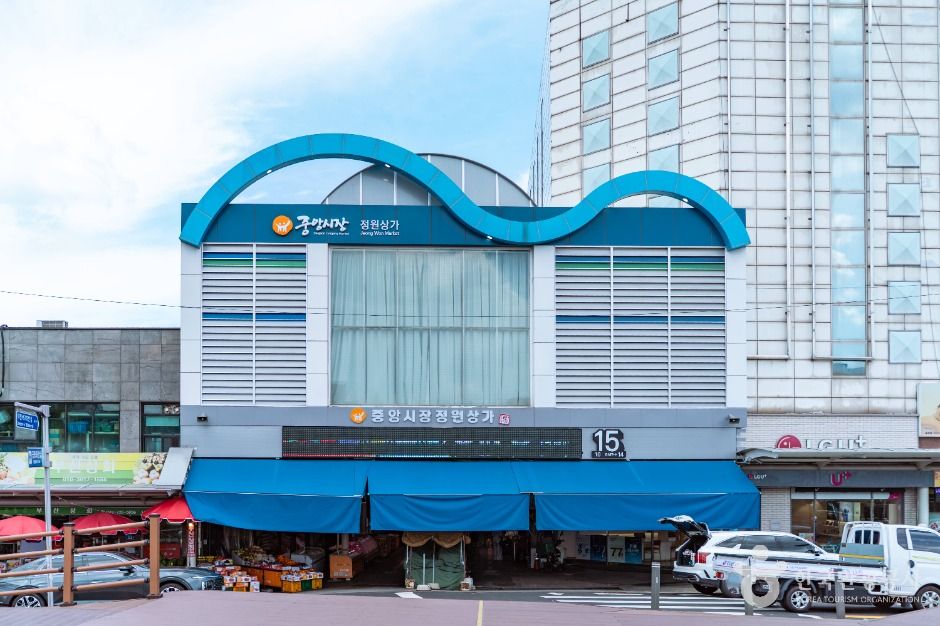
Daejeon Jungang Market is a large comprehensive market consisting of many smaller markets including the Jungang Comprehensive Market, Jungang Arcade Market, Jayu Wholesale Market, New Jungang Market, and Jungang Wholesale Market. Daejeon Jungang Market is located in downtown Dong-gu and is one of the most famous traditional markets in the city. The market has many different sections (dried seafood street, hardware street, fish street, herbal medicine street, hanbok street, delicacy street, etc.) which stretch all the way from Daejeon Station to the banks of the Daejeoncheon Stream.
⊙ Daejeon Travel Lounge (대전트래블라운지)
View detailed guide on Korea Trip Guide →
– Homepage
www.instagram.com/travellounge_dj
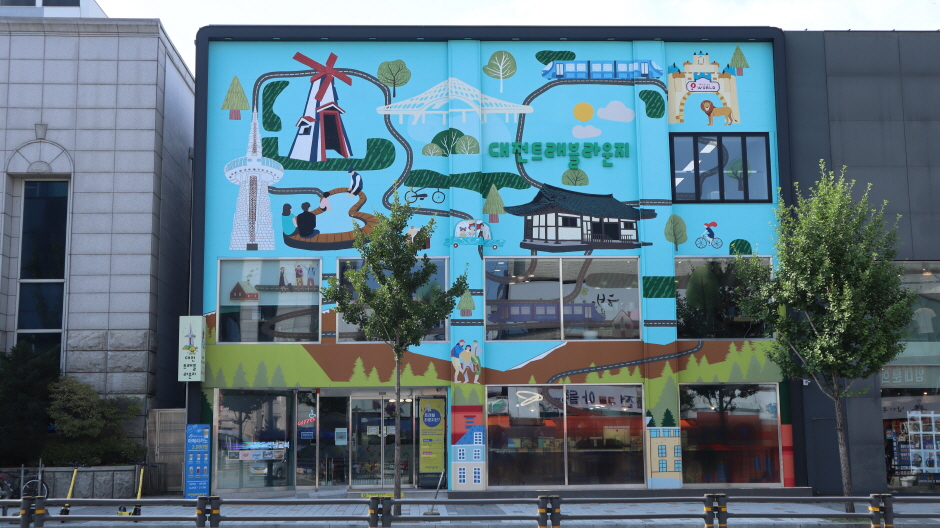
Daejeon Travel Lounge is a cultural complex that provides tourist information and relaxation for those visiting Daejeon. Daejeon Travel Lounge offers a variety of experiences such as old school uniforms, Enlightenment Era clothing, DIY and culture concerts, and also features an unmanned cafe, souvenir shop, Wi-Fi, tourist information search kiosk, and many other convenience facilities.
⊙ Euneungjeongi Culture Street (으능정이문화의거리)
– Homepage
www.djjunggu.go.kr
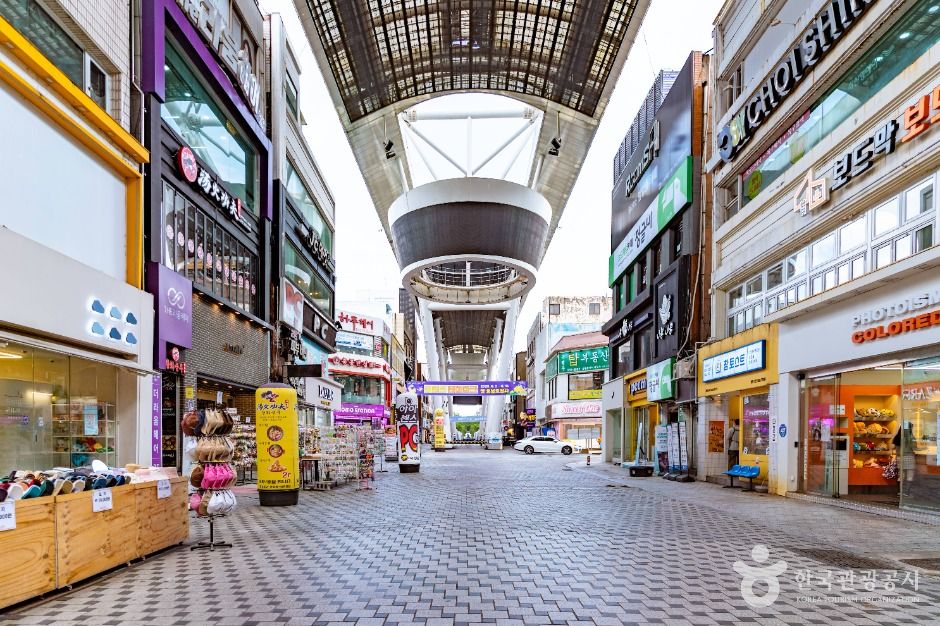
Euneungjeongi Culture Street is a street located in Daejeon’s original city center, resembling Seoul’s Myeong-dong area. It features clothing stores, restaurants, and cafés. Various cultural events are held here, making it a car-free street and attracting many visitors.
⊙ Sonamujip (소나무집)
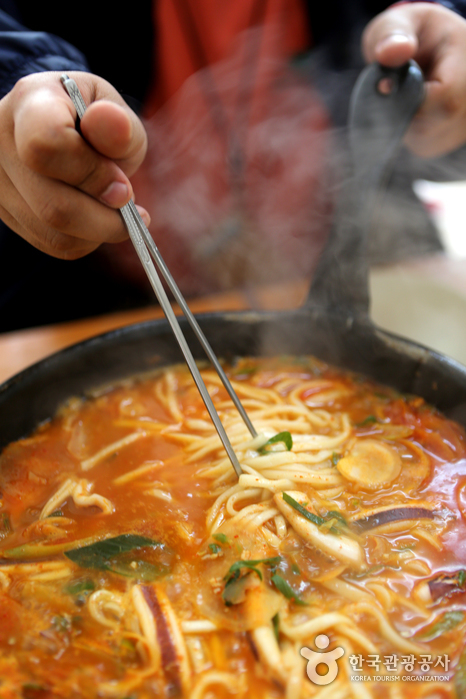
The signature dish here is ojingeo jjigae (squid stew) made by adding whole radish and water to spicy stir-fried squid and simmering it into a hearty stew. However, most visitors who visit Sonamujip add noodles to their ojingeo jjigae, turning it into what’s known as ojingeo kalguksu (noodle soup with squid). Ojingeo jjigae is a great example of how people in Daejeon enjoy adding their own twist on kalguksu.
⊙ OC Kalguksu (오씨칼국수)
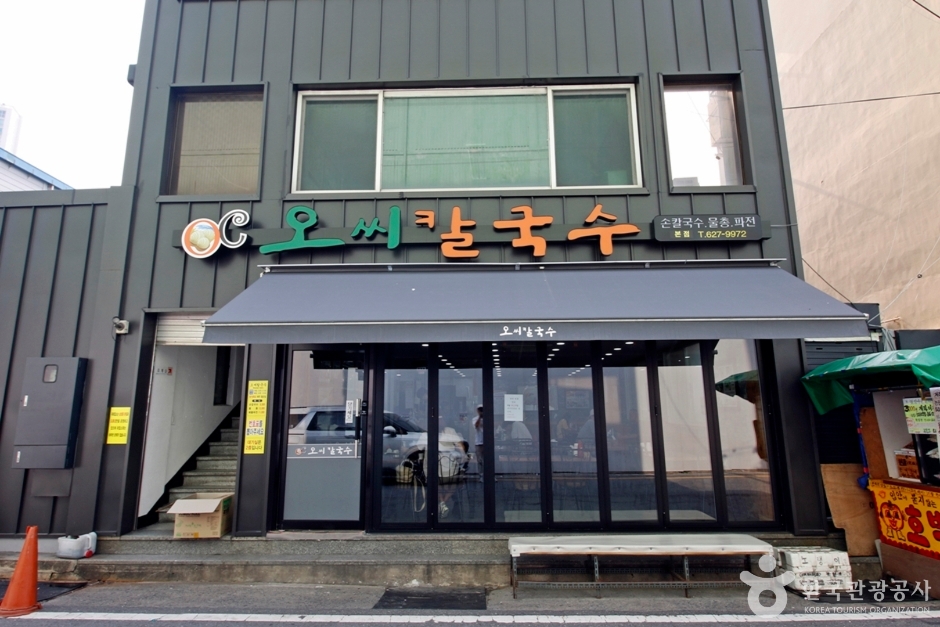
This is a specialty kalguksu restaurant known for its broth made with surf clams. When you order the mulchong, or dongjuk jogaetang (surf clam soup), you’ll be surprised by the generous amount of clams piled above the pot. The broth, made with anchovies and surf clams, is spiced to enhance its flavor, making it more flavorful and less plain.
⊙ Sungsimdang (성심당)
– Homepage
www.sungsimdang.co.kr
Sungsimdang was first established as a small bakery selling jjinbbang (steamed bun) in front of Daejeon Station in 1956, and has since become an iconic bakery that represents Daejeon as well as Korea’s baked goods. Baked goods at Sungsimdang are all handmade using quality ingredients and reach almost 400 in variety, including breads that uses slow-bread process which requires a 16-hour fermentation.
](https://ktrip.blogsailing.com/wp-content/uploads/2026/06/4029275_image2_1.jpg)
![Umbro – Hyundai Premium Outlets Daejeon Branch [Tax Refund Shop] (엄브로 현대프리미엄아울렛 대전점)](https://ktrip.blogsailing.com/wp-content/uploads/2026/06/4044268_image2_1.jpg)
](https://ktrip.blogsailing.com/wp-content/uploads/2026/06/4028234_image2_1.jpg)
![Golden Dew – Hyundai Premium Outlets Daejeon Branch [Tax Refund Shop] (골든듀 현대프리미엄아울렛 대전점)](https://ktrip.blogsailing.com/wp-content/uploads/2026/06/4044288_image2_1.jpg)
](https://ktrip.blogsailing.com/wp-content/uploads/2026/06/4028209_image2_1.jpg)