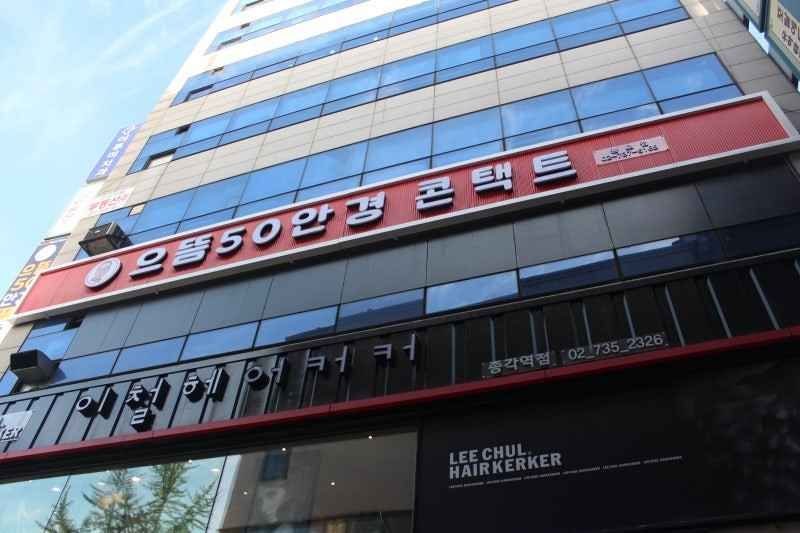
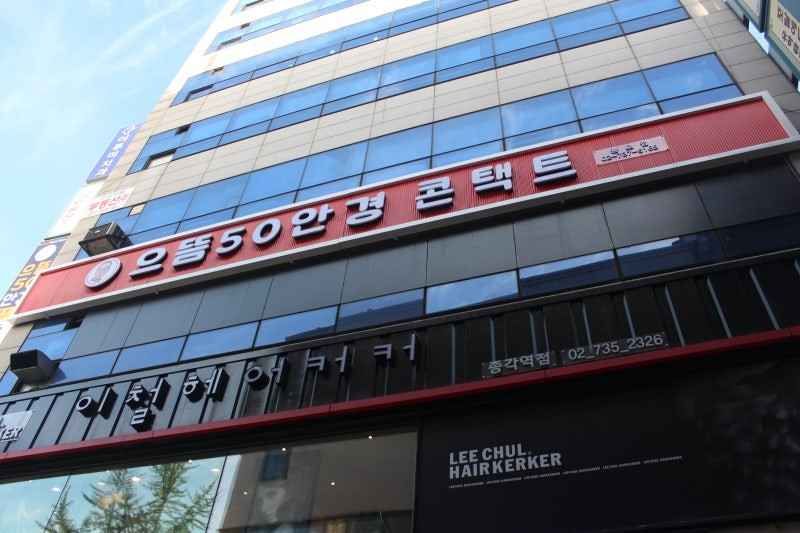
Top50 Glasses Jongno Branch [Tax Refund Shop](으뜸50안경 종로점)
Top50 Glasses Jongno Branch [Tax Refund Shop](으뜸50안경 종로점)
 – Homepage
top50glasses.com/
Top50 Glasses is an optical chain brand that offers high-quality eyewear and contact lenses at near-lowest prices through distribution innovation. With reasonable pricing and reliable eye exams, it leads price disruption in the optical market.
– Address : 5F, 70, Jongno, Jongno-gu, Seoul
※ Presentation Information
– Fair Day
Monday – Sunday
– Information and Guides
02-734-5050
– Opening Hours
10:00~20:00
– Day Off
Seollal (Lunar New Year’s Day) & Chuseok (Korean Thanksgiving Day) holidays
– Parking
Not available
– Restroom
Available
– Items for Sale
Medicines / medical devices
◎ Nearby Tourism Infobox
⊙ Sonjung Bossam (손정보쌈)
View detailed guide on Korea Trip Guide →
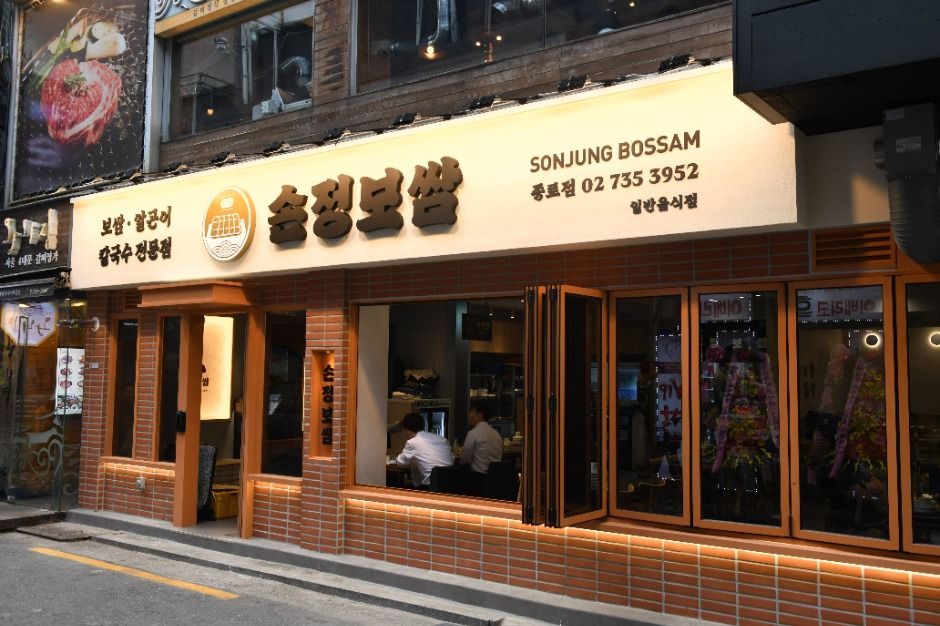
Sonjung Bossam offers dishes with a modern touch by reinterpreting traditional meals. Passed down for three generations, this restaurant values sincerity and careful attention in food making in order to serve every customer a heartwarming meal. Sonjung Bossam’s signature dish Premium Gabri Bossam takes only the rarest pork cut, the blade-end fatback called “gabri” in Korean, and boils the meat using the restaurant’s secret recipe for tender, juicy meat. The restaurant also serves their own special version of spicy stir-fried fish roe and intestines and haemultang (spicy seafood stew), boasting a generous amount of various seafood and rich broth. All meals are prepared wholeheartedly as if they are being served to a family.
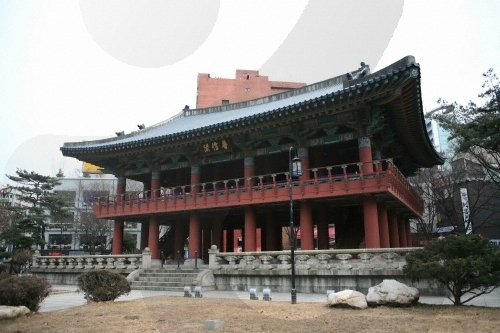
⊙ Bosingak Belfry (보신각 터)
View detailed guide on Korea Trip Guide →
– Homepage
tour.jongno.go.kr
Bosingak Belfry is also known as Jonggak. It was the site in which a large bell, used to keep the time in Seoul, was found during the Joseon period (1392-1897). Bosingak Belfry was burned down during the Korean War (1950-1953) and was reconstructed in 1979. The original bell was moved to the Gyeongbokgung Palace, and a new bell was forged in 1985. At midnight, January 1, the bell at the Bosingak Belfry is rung to welcome the new year. Many people gather around the belfry to make a wish for their new year.
⊙ NKDB North Korean Human Rights Exhibition Hall (북한인권전시실)
View detailed guide on Korea Trip Guide →
– Homepage
nkdb.org/nkhrmuseum
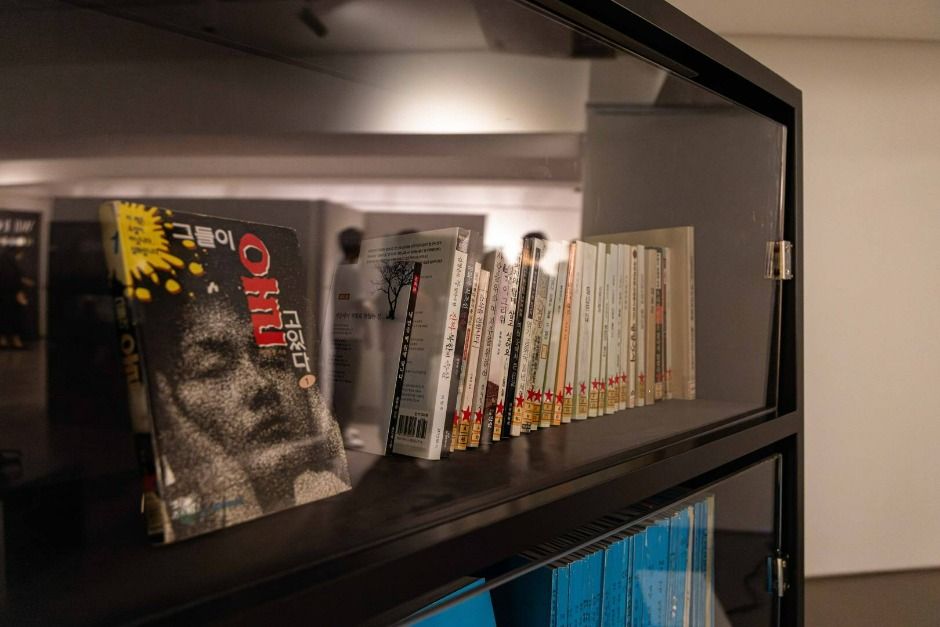
The NKDB North Korean Human Rights Exhibition Hall is a permanent exhibition space dedicated to North Korean human rights. Although it is a small space, it resonates deeply and serves as a “dark tourism” site that records and testifies to the ongoing reality of human rights violations in North Korea. The North Korean Human Rights Information Center (NKDB), which operates this exhibition hall, is the organization that collects and archives the most extensive records of human rights concerning North Korean residents in the world. The testimonies and records presented here represent a living history, a story unfolding in the present, unavailable elsewhere. Through donated North Korean artifacts, including these records, visitors can glimpse the present-day North Korea and encounter artwork by North Korean defectors.
⊙ Alive Museum (Insa-dong Branch) [박물관은 살아있다(인사동점)]
View detailed guide on Korea Trip Guide →
– Homepage
www.alivemuseum.com
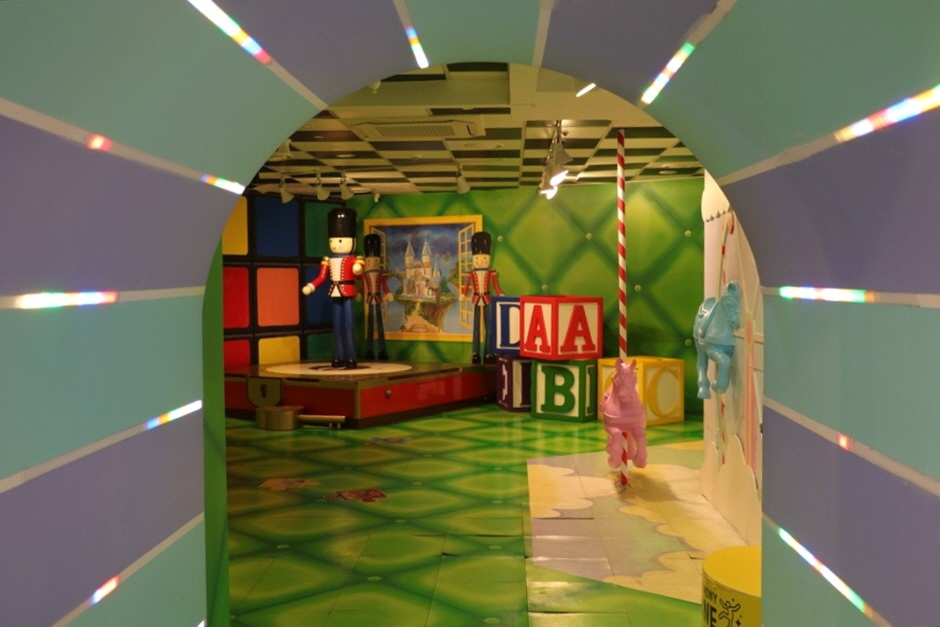
The Alive Museum is a media theme park located in Insa-dong. The exhibition here is made up of optical illusion art, large objet, and digital media pieces, which allow you to delve into the land of mystery. It is made up of different sections like the Insadong Photo Studio, Game Village, and the Toy Village.
⊙ Dynamic Maze (Insa-dong) (다이나믹 메이즈 (서울 인사동점))
View detailed guide on Korea Trip Guide →
– Homepage
www.dynamicmaze.com
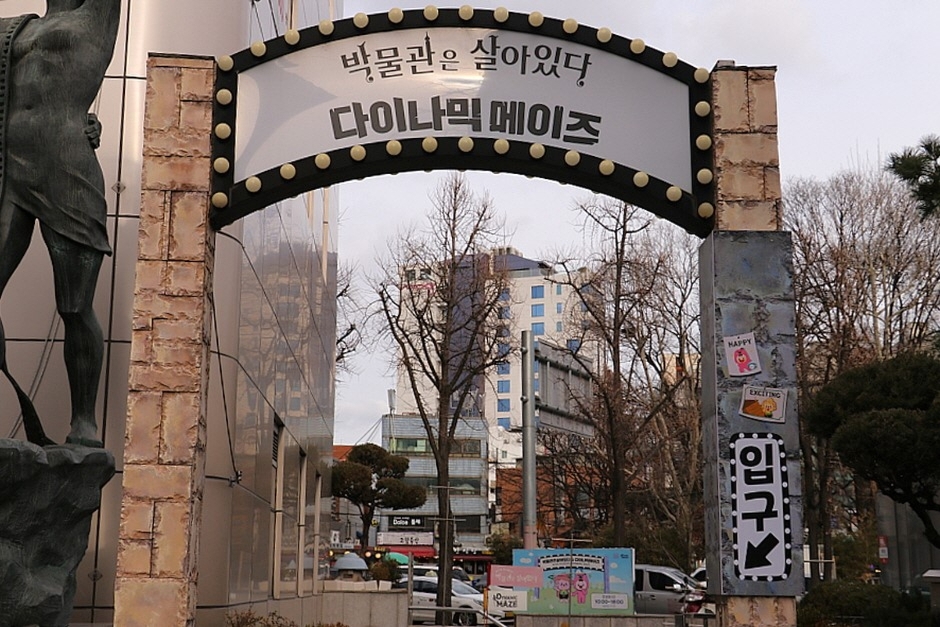
Dynamic Maze is an indoor space in Insa-dong dedicated to an exciting adventure: A maze filled with obstacles, requiring participants to work together and overcome the barriers through quickness and focus. Go through the hall of mirrors, climb the wall, and cross the suspension bridge to finally escape from the maze.
⊙ Tapgol Park (탑골공원)
View detailed guide on Korea Trip Guide →
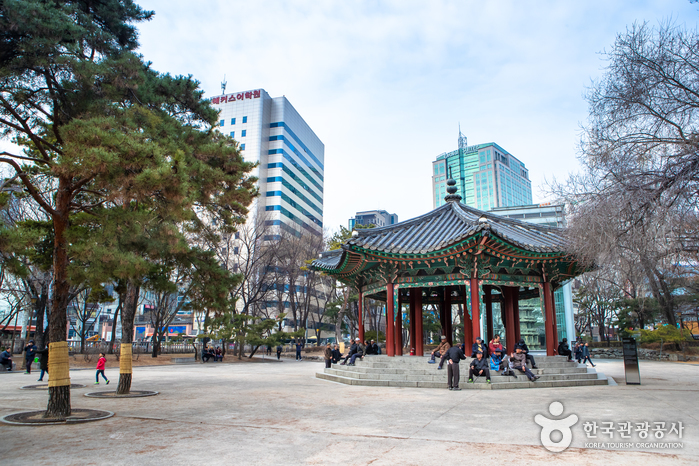
Tapgol Park is the first modern park in Seoul. Having been the site of the Buddhist temple of Wongaksa Temple since 1467, the land was turned into a park in 1897. The park has a significant presence in Korean history, being the place where the March 1 Independence Movement began in 1919. One can find historical sites that hearken back to the struggle, such as the Palgakjeong Pavilion, the center of the movement; cultural heritage sites such as the Ten-story Stone Pagoda of Wongaksa Temple Site and the Stele for the Construction of Daewongaksa Temple at Wongaksa Temple Site; and monuments such as the independence movement relief plate, murals, the statue of Son Byeong-hee, and the statue of Han Yong-un.
⊙ Insadong Cultural Street (인사동 문화의 거리)
View detailed guide on Korea Trip Guide →
– Homepage
https://korean.visitseoul.net
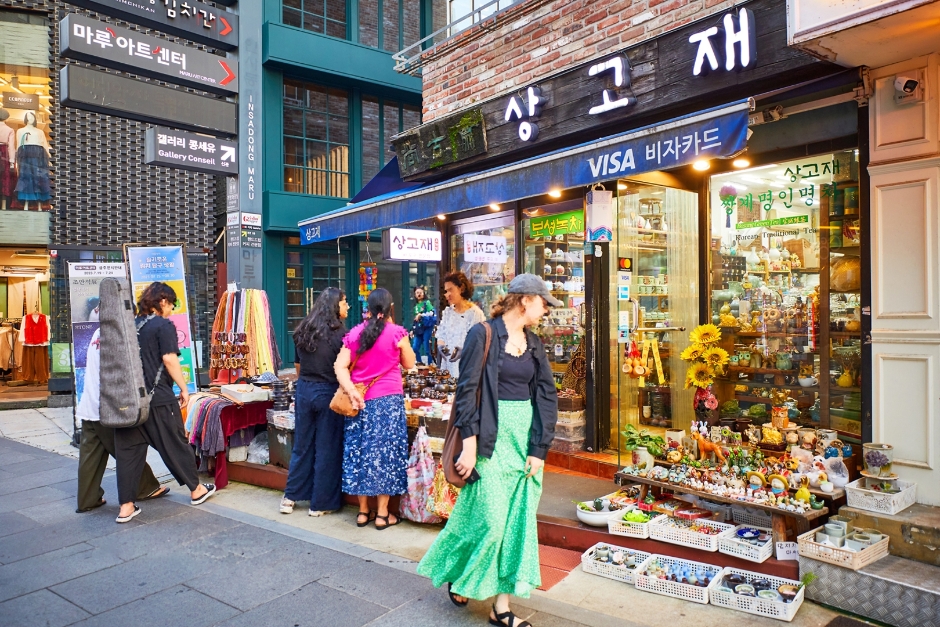
Insadong Cultural Street is a popular tourist destination for visitors from all around the world, thanks to its numerous art galleries, restaurants serving Korean table d’hote, traditional teahouses, and street vendors lining the streets. Its most recognizable feature is the use of Hangeul (Korean script) in storefronts, which allows the visitors to really see just what makes this place so special. Unlike the nearby Ikseon-dong Hanok Street, Insadong Cultural Street has larger streets with wider stores, so it is much easier to traverse. On evenings and weekends, one can find buskers performing on the side of the road.
⊙ Imun Seolnongtang (이문설농탕)
View detailed guide on Korea Trip Guide →
– Homepage
imun.modoo.at
Imun Seolnongtang has been serving its hearty seolleongtang for over a hundred years since it first opened in 1907. Even its name has a long history: the word imun comes from Imun-gol, the now-obsolete name of the restaurant’s location, and seolnongtang, an old variation of the word seolleongtang. During the Japanese colonial rule, the restaurant’s regular customers included Gijeong Son, the marathon gold-medalist at the 1936 Berlin Olympics. The meal served at this restaurante is reputed to stay consistent from the Japanese colonial period.
⊙ HiKR Ground (하이커 그라운드)
View detailed guide on Korea Trip Guide →
– Homepage
hikr.visitkorea.or.kr
www.instagram.com/hikrground_official
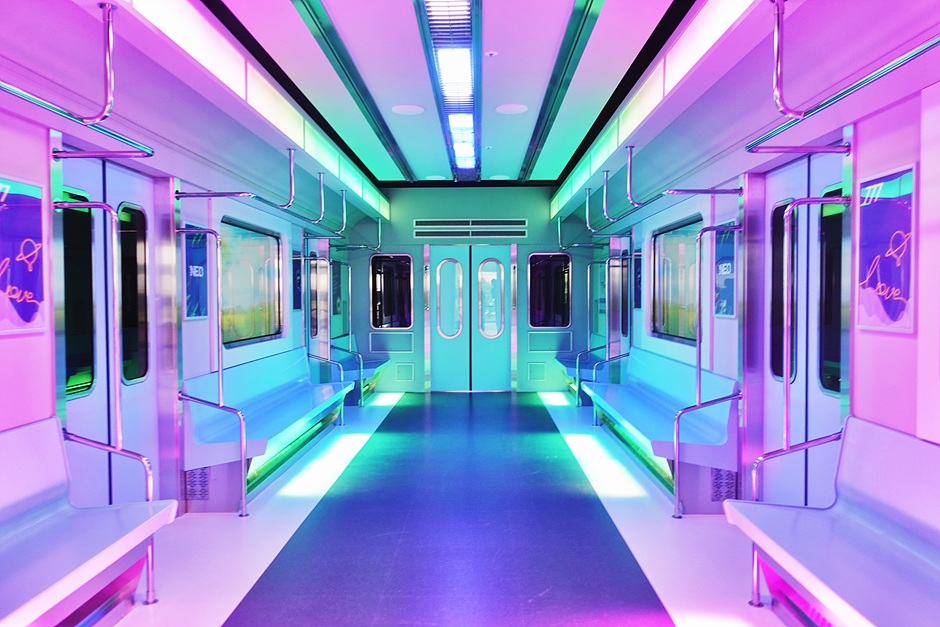
Located inside the Korea Tourism Organization Seoul Center, HiKR Ground is a Korean tourism publicity center where visitors can experience K-pop and view media art at the same time. The name “HiKR Ground” embodies the meaning that Korea (KR) will greet (“Hi”) global tourists and become a playground. Notably, it provides Korean tourism content in multiple ways for the younger generation to enjoy. On the first floor, there is a space to enjoy various media arts through the large media screen HiKR Wall, where visitors can see “Landscape of the New City” by media artist Lee Lee-nam, and Korean tourism videos submitted by global hallyu fans. On the second floor, visitors can make their own K-pop music videos using the XR Live Studio. At the window facing the restored Cheonggyecheon Stream, there is a mesmerizing artwork called ”North Wall” by installation artist Suh Do-ho. On the third and fourth floors, visitors can get immersed in Korean local tourism through various arts, experiences, and exhibitions.
⊙ We Ride (위라이드)
View detailed guide on Korea Trip Guide →
– Homepage
weridekorea.com
“The best way to tour Seoul”
With WeRide’s certified tour guides, travelers can experience unforgettable memories by riding an electric bicycle to attractions hidden all over Seoul. The tour takes 2 hours and 30 minutes, and participants can safely tour around Seoul with a professional guide. The fun of electric bicycles adds to the joy of the guide’s story of Korean culture. If there are guests who cannot ride bicycles, they can use electric rickshaws. There is also a bicycle rental service for bicycle riders traveling in Korea.
](https://ktrip.blogsailing.com/wp-content/uploads/2026/03/4020452_image2_1.jpg)
](https://ktrip.blogsailing.com/wp-content/uploads/2026/05/4043915_image2_1.jpg)
![Toebox [Tax Refund Shop] (토박스)](https://ktrip.blogsailing.com/wp-content/uploads/2026/01/3313056_image2_1.jpg)
](https://ktrip.blogsailing.com/wp-content/uploads/2026/03/4019404_image2_1.jpg)
![Burberry – Lotte Avenuel Branch [Tax Refund Shop] (버버리 롯데 에비뉴엘점)](https://ktrip.blogsailing.com/wp-content/uploads/2026/02/2889829_image2_1.jpg)