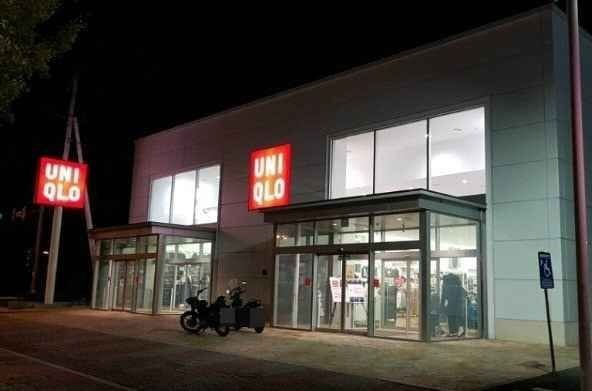
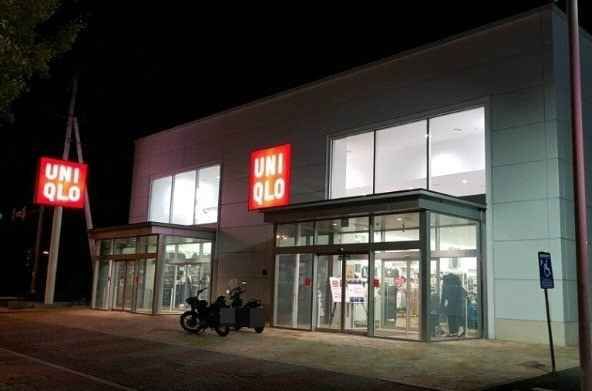
Uniqlo – Incheon Hang-dong Branch [Tax Refund Shop](유니클로 인천항동점)
Uniqlo – Incheon Hang-dong Branch [Tax Refund Shop](유니클로 인천항동점)
 – Homepage
uniqlo.com
UNIQLO is a global SPA fashion brand known for reliable everyday essentials. It offers seasonal functional wear, such as HEATTECH and AIRism, at accessible prices, with clean lines and simple styling for everyone.
– Address : 3, Sinpo-ro, Jemulpo-gu, Incheon
※ Presentation Information
– Fair Day
Monday – Sunday
– Information and Guides
032-764-5022
– Opening Hours
11:30~20:30
– Parking
Available
– Restroom
Available
– Items for Sale
Clothing
– Shop Guide
Refund method (Time-frame) : Claim for refund
◎ Nearby Tourism Infobox
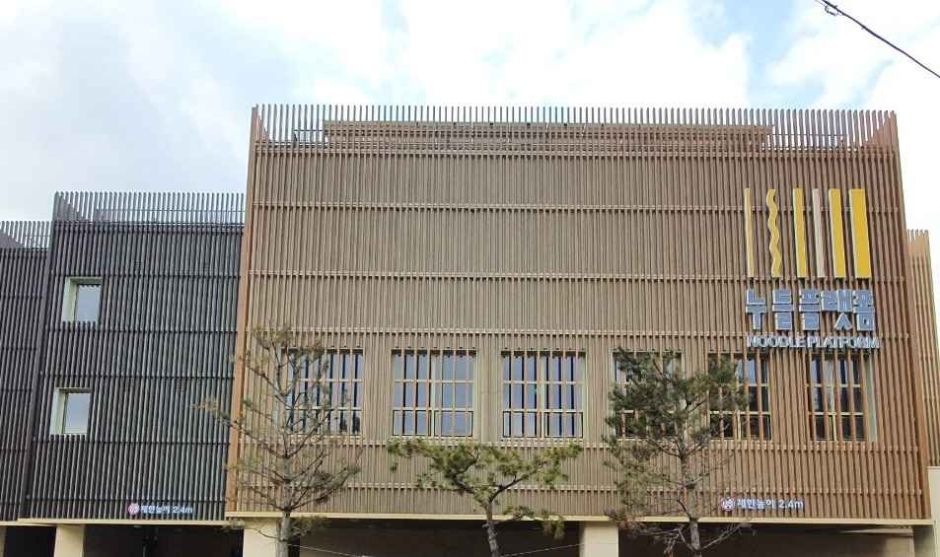
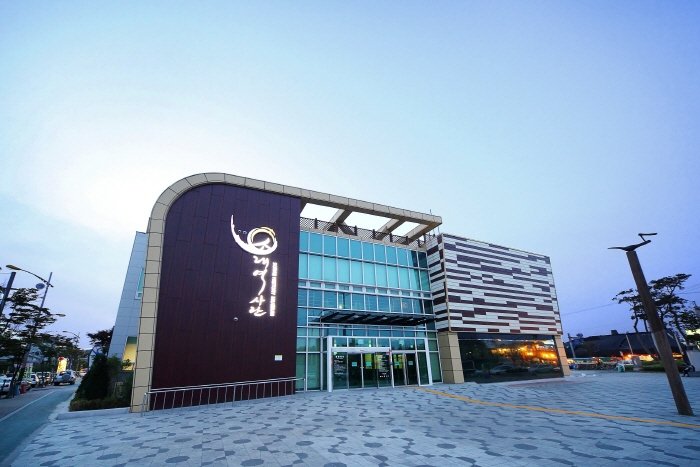
⊙ Noodle Platform (누들플랫폼)
View detailed guide on Korea Trip Guide →
– Homepage
ijcf.or.kr
Noodle Platform is a noodle-themed cultural complex in Incheon, offering exhibitions, educational programs, and hands-on experiences centered around noodles. The three-story complex features an exhibition space that explores the development of noodle dishes in Incheon, such as jjajangmyeon (black bean sauce noodles) and jjolmyeon (spicy chewy noodles); a noodle experience zone; and an educational area where visitors can learn how to cook noodle dishes.
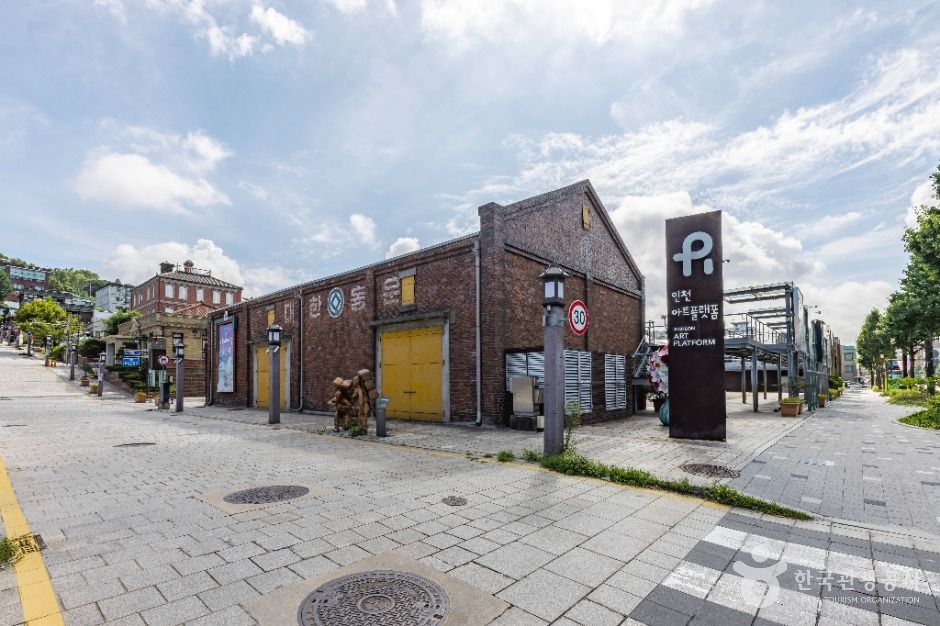
⊙ Incheon Art Platform (인천 아트플랫폼)
View detailed guide on Korea Trip Guide →
– Homepage
inartplatform.kr
Incheon Art Platform, located in Haean-dong, Incheon, is known for its well-preserved architectural heritage and buildings that showcase a blend of traditional and modern architecture. The complex was established by remodeling structures built in the 1930s and 1940s. Centered around its residency program, it offers exhibitions, performances, and educational programs, and plays a significant role in promoting the free exchange of art and culture. By providing creative spaces for artists and venues for cultural exchange, the platform fosters interaction between artists and visitors.
⊙ Gaehangjang (Open Port Area) Street (개항장 거리)
View detailed guide on Korea Trip Guide →
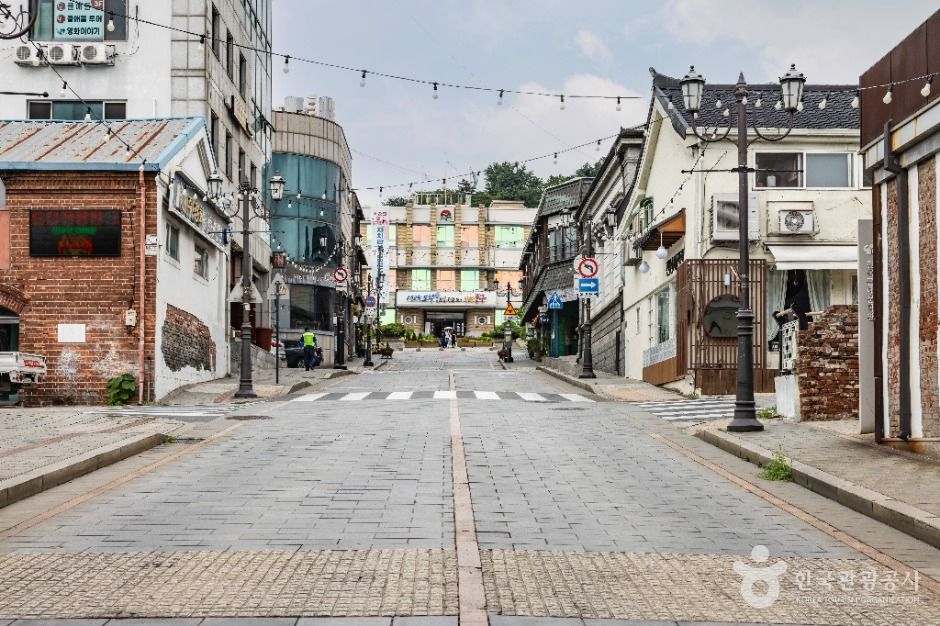
– Homepage
itour.incheon.go.kr
As the Incheon Port was opened in 1883, this is where one could feel the rich history and culture accumulated over 126 years. Formerly used by the Japanese consulate, the Jung-gu Office, the Incheon branch of Japan’s 1st, 18th and 58th Bank and other modern historical architecture can be found intact here. Other historical remains like Former Japan Mail and Shipping Inc., Incheon Art Platform, Jemulpo Gurakbu, and more are also available for visitors to see at the Incheon Gaehangjang (Open Port Area). For those who are interested in learning more, a guided tour by an Incheon cultural tourism expert is available upon reservation.
⊙ Incheon Open Port Museum (인천개항박물관)
View detailed guide on Korea Trip Guide →
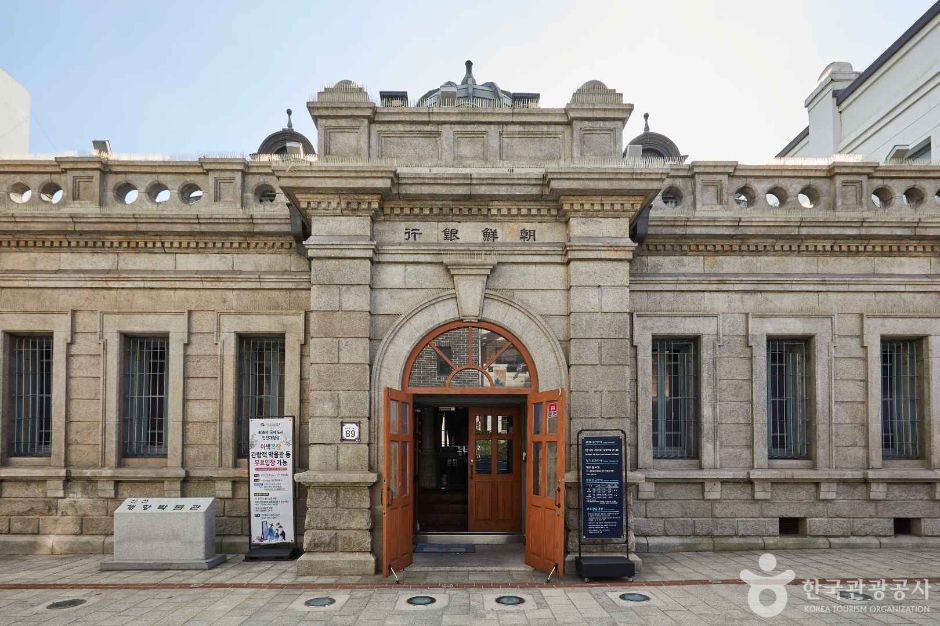
– Homepage
ijcf.or.kr
Designated as a Tangible Cultural Heritage of Incheon Metropolitan City, the Incheon Open Port Museum is housed in the former Bank of Japan building, an architectural masterpiece constructed in the late Renaissance style. With four permanent exhibitions, the museum offers a glimpse into various aspects of modern culture and artifacts that were first introduced after the opening of Incheon Port. (Credit: Incheon Jung-gu Cultural Foundation)
⊙ Incheon Japanese Street (인천일본풍거리)
View detailed guide on Korea Trip Guide →
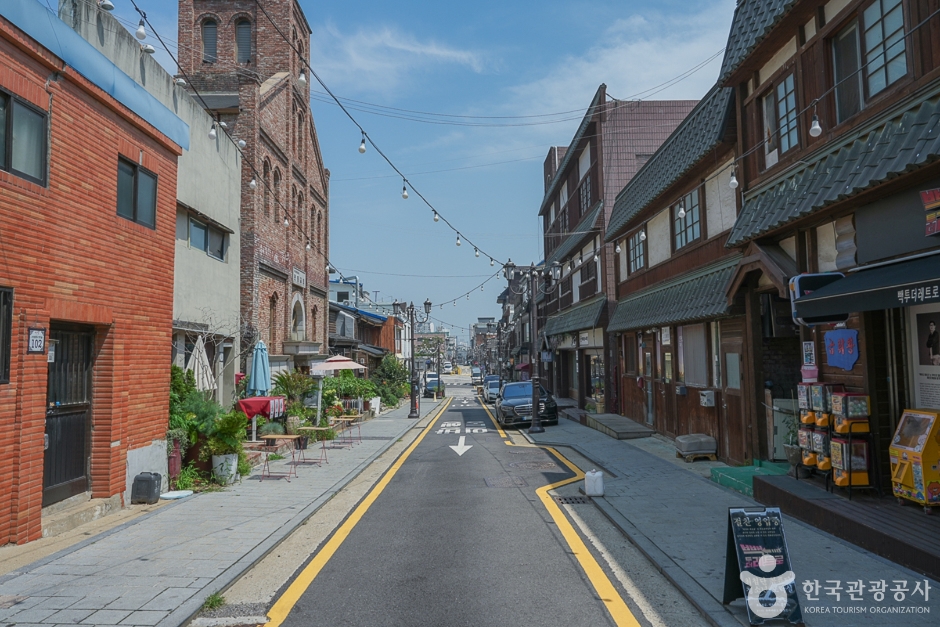
Incheon Japanese Street, established following the opening of Incheon and Jemulpo Ports in 1883, was home to the Japanese concession. It preserves several Japanese-style wooden houses and stone structures from that era. These wooden houses, designed in the distinctive style of Japanese architecture where a storefront is integrated into the residential building, have been renovated and are now serving as cafés and exhibition halls. Nearby, visitors can also explore Incheon Chinatown and the Gaehangjang (Open Port Area) Street.
⊙ Sinpo International Market (신포국제시장)
View detailed guide on Korea Trip Guide →
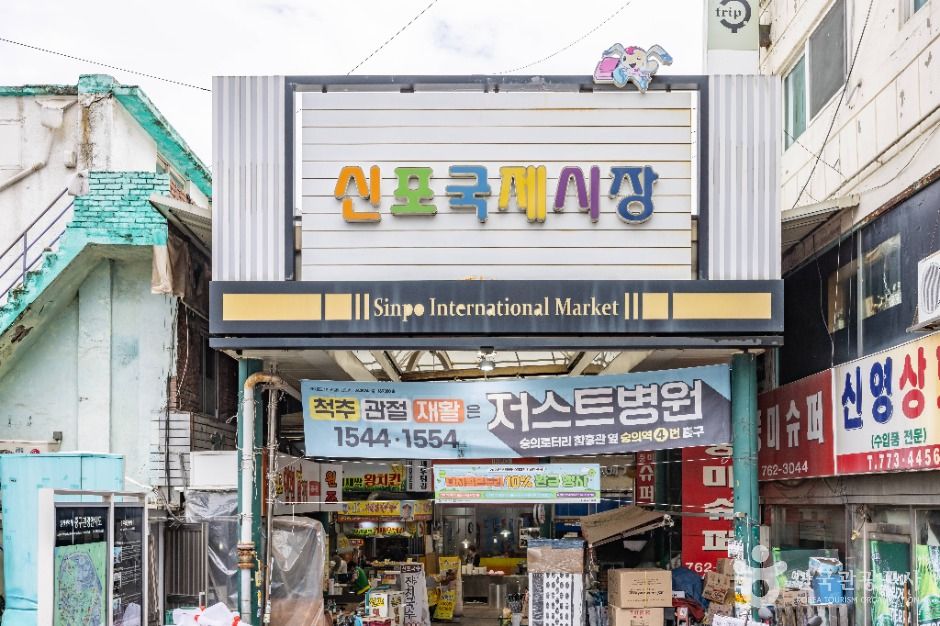
– Homepage
www.sinpomarket.com (Korean, English, Japanese, Chinese)
Located in Sinpo-dong, Incheon, Sinpo Market dates back to the late 19th century when vendors began selling fresh vegetables to the Japanese, Chinese, and Westerners who settled in the area. Sinpo Market was officially registered as a market in 1970 and now boasts over 140 stores.
An increasing number of tourists and international merchants have visited Incheon by ferries and cruise ships, turning the local market into an international shopping area over the past few decades. The information desk and office at the market even provide a variety of services (translation services, trade and shopping information, etc.) for tourists and merchants from home and abroad.
The most famous item of the market is dakgangjeong, a Korean dish of crispy fried chicken coated in a sweet and spicy sauce. Other popular dishes include yuni jjajang, egg tart, freshwater fish jeon, mandu, and jjolmyeon (chewy noodles).
⊙ Daebul Hotel Exhibition Hall (대불호텔전시관)
View detailed guide on Korea Trip Guide →
– Homepage
ijcf.or.kr
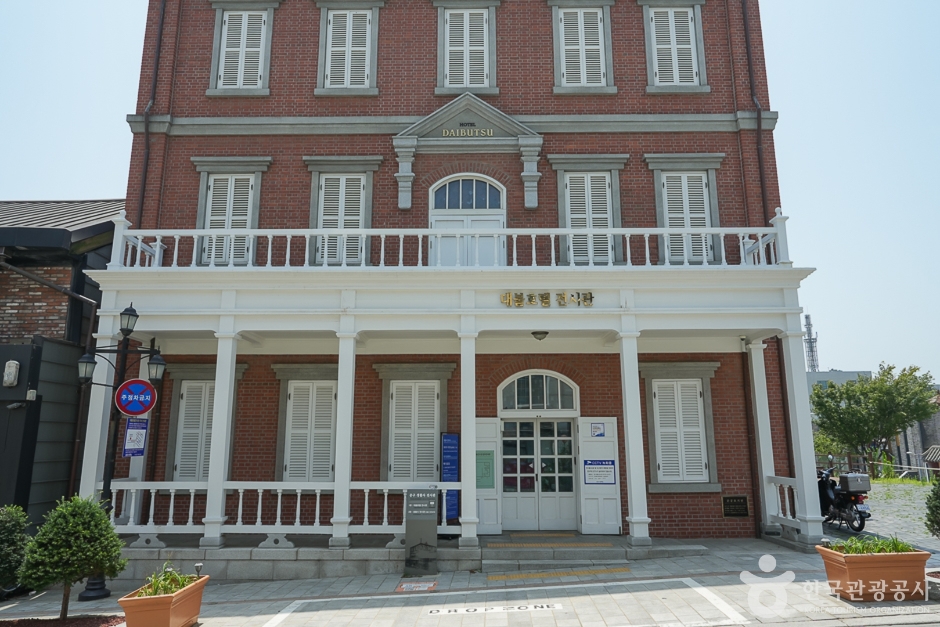
This museum is located on the site of Daebul Hotel, Korea’s first Western-style hotel, established in 1889. The hotel was demolished in 1978, but parts of the hotel structure were discovered in 2011 and rebuilt to preserve the hotel’s original appearance. The first floor is the Daebul Hotel Exhibition Hall, through which visitors can see traces of Daebul Hotel at the time. The second floor is the Jung-gu Life History Museum, where visitors can get a glimpse of life in Incheon’s Jung-gu area in the 1960s and 1970s.
⊙ Jemulpo Club (제물포구락부)
View detailed guide on Korea Trip Guide →
– Homepage
jemulpoclub.org
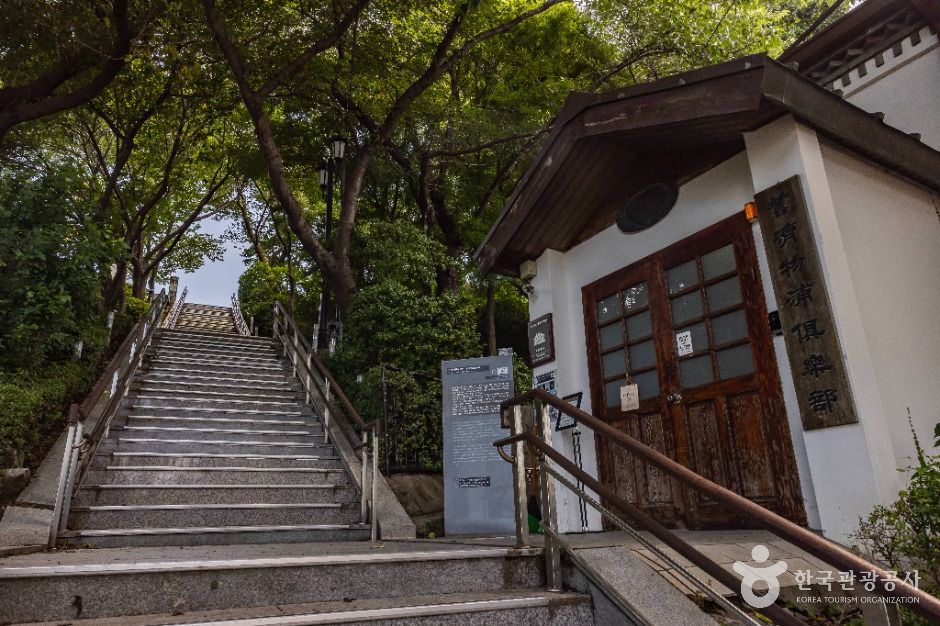
Jemulpo Club, also called Jeumulpo Gurakbu, was established in 1901 to be used as the venue for foreigners such as American, English, German, French, Russian and a small minority of Chinese and Japanese all living in Incheon to build up friendships before opening the port. The two-story brick building was comprised of a library room, pool table, tennis court and others facilities.
The site was used as Incheon Museum from 1953 to 1990 and Incheon Cultural Center from 1990 to 2006. In 2007, the name was changed to Jemulpo Gurabu, imphasizing the Japanese pronunciation of “club.” It now offers a site for experiencing modern culture interactions.
⊙ Cheongil Jogyeji Stairway (청일조계지 경계 계단)
View detailed guide on Korea Trip Guide →
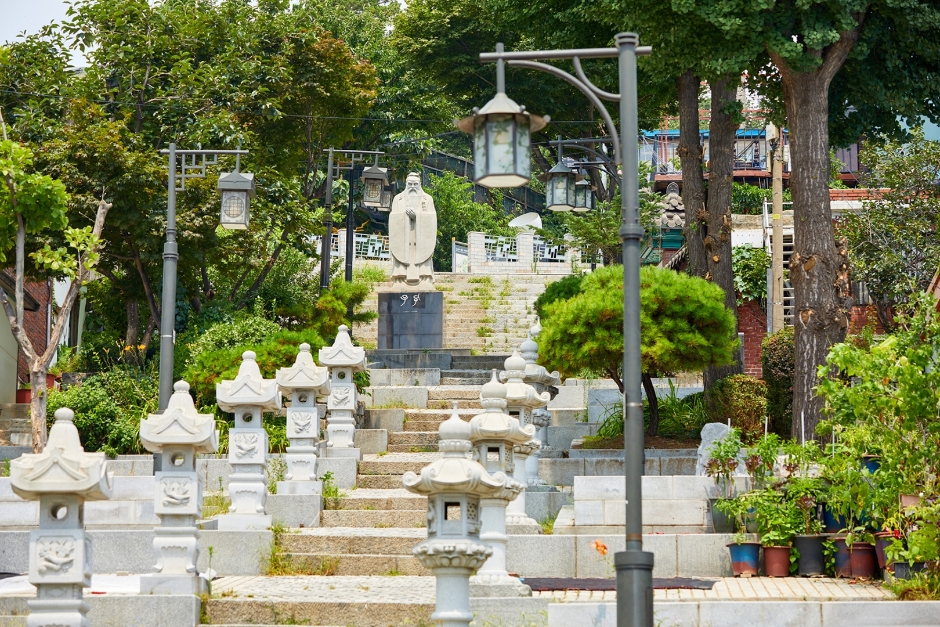
The border stairs of the Sino-Japanese Concession (an exclusive residential area set up for foreigners to live freely in ports opened for foreign trade) are located on a steep hill southwest of Jayu Park. It is a meaningful attraction with a history of about 120 years. The concession areas are divided into the Qing Dynasty concession on the left and the Japanese concession on the right with the stone stairs in the center. The buildings on the left and right clearly show each country’s architectural styles and characteristics of the past.
⊙ Incheon Chinatown (인천 차이나타운)
View detailed guide on Korea Trip Guide →
– Homepage
itour.incheon.go.kr
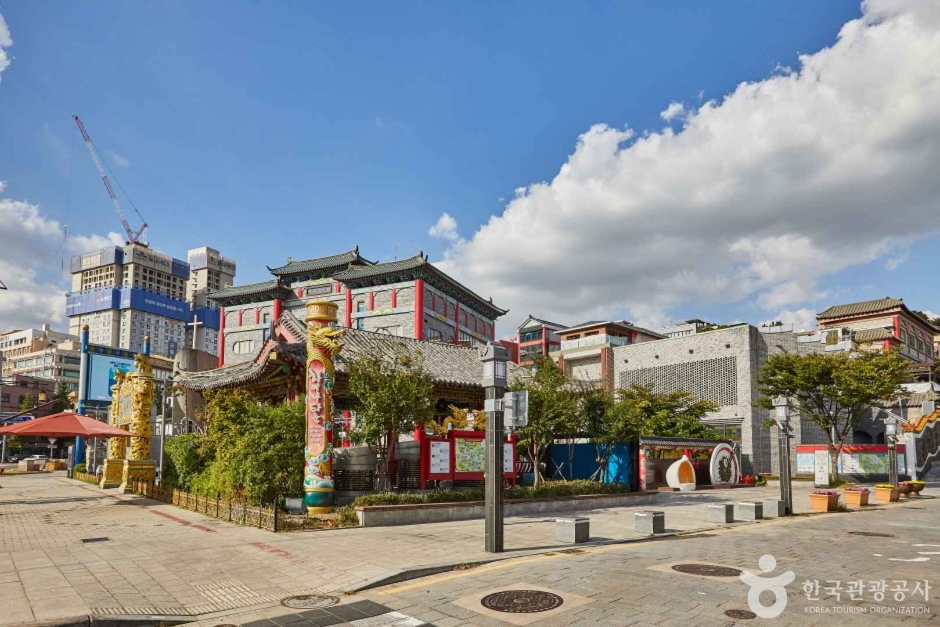
Incheon’s Chinatown came into being with the opening of Incheon Port in 1883 and Incheon’s designation as an extraterritoriality of the Ching dynasty in the following year. In the past, the area held many stores trading goods imported from China, but currently most Chinese businesses in the area are restaurants. Today, the residents of Chinatown are mostly 2nd or 3rd generation Chinese, descendents of the early Chinese settlers. The area harbors many of the flavors of China, while the traditional culture of the first generation is preserved.
](https://ktrip.blogsailing.com/wp-content/uploads/2026/06/4021458_image2_1.jpg)
](https://ktrip.blogsailing.com/wp-content/uploads/2026/06/4020977_image2_1.jpg)
](https://ktrip.blogsailing.com/wp-content/uploads/2026/06/4045685_image2_1.jpg)
](https://ktrip.blogsailing.com/wp-content/uploads/2026/06/4042738_image2_1.jpg)
![SOiE – MODA Outlet Incheon Branch [Tax Refund Shop] (소이 모다아울렛 인천점)(소이 모다아울렛 인천점)](https://ktrip.blogsailing.com/wp-content/uploads/2026/06/4021179_image2_1.jpg)