Buam-dong (부암동)
Buam-dong (부암동)
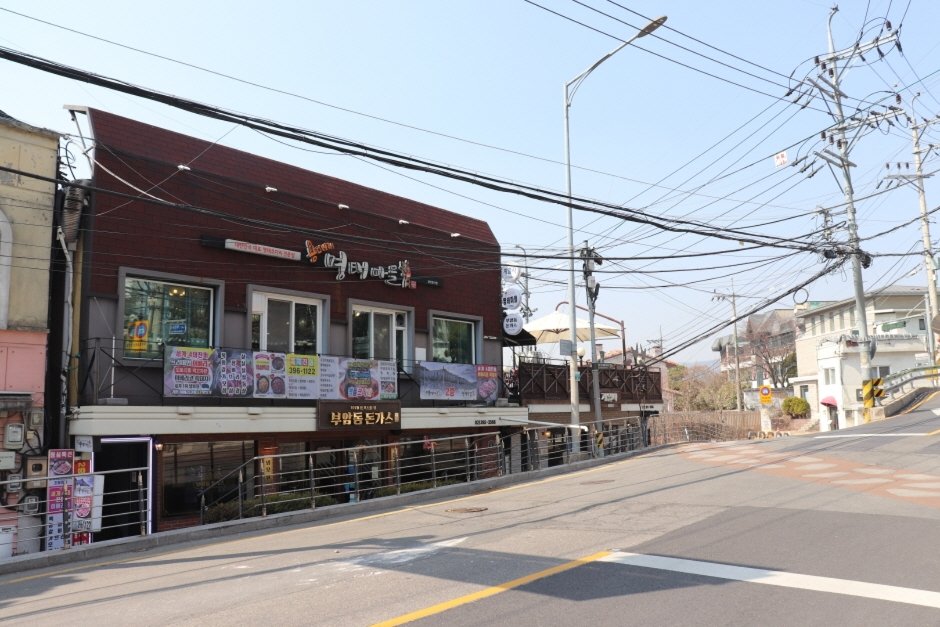
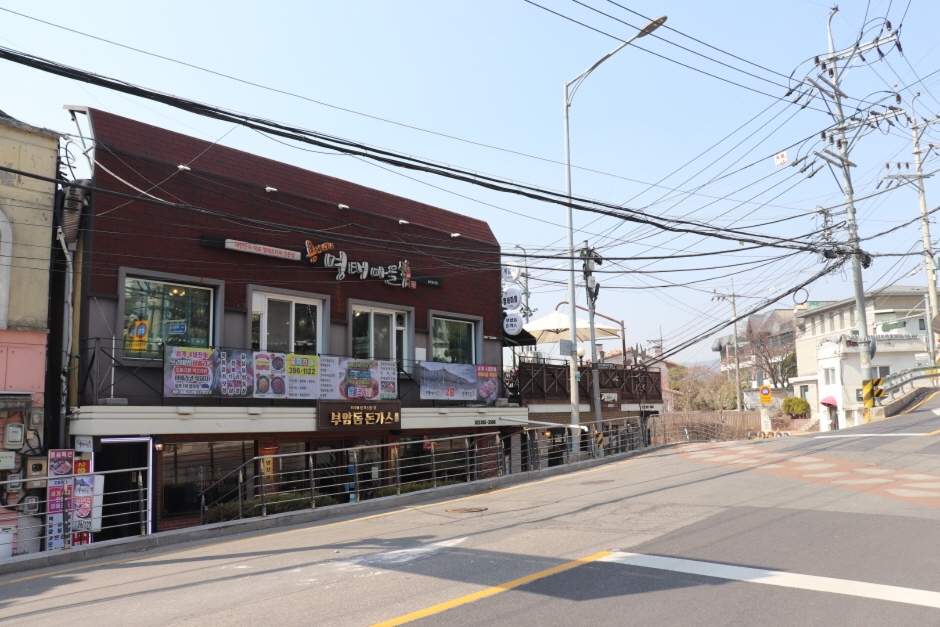 Buam-dong, located in Jongno-gu, is a neighborhood featuring winding alleyways that perfectly preserve both the sophisticated atmosphere of Samcheong-dong and the rustic charm of the past. In Buam-dong, art museums, unique cafes, and restaurants coexist with mills and barbershops from the 1960s and 70s. Originally a neighborhood where artists from various fields lived a leisurely life, it has recently become famous for distinctive cafes and shops. It is a neighborhood with diverse characteristics, offering both a pleasant walking course and the vibe of a tourist destination.
– Address : 145 Changuimun-ro, Jongno-gu, Seoul
※ Presentation Information
– Parking
Not available
– Day Off
N/A (Open all year round)
– Operating Hours
Open 24 hr


◎ Nearby Tourism Infobox
⊙ Bugaksan Mountain (북악산)
View detailed guide on Korea Trip Guide →
– Homepage
www.jongno.go.kr/English: Visit site
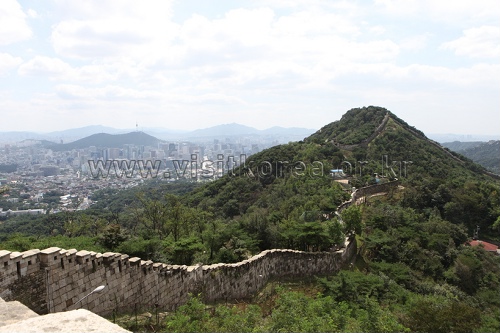
Bugaksan Mountain is the mountain that one can see behind the Gyeongbokgung Palace and the Cheong Wa Dae to the north. Hanyangdoseong, the city wall that surrounded the historic capital of Hanyang, was built by connecting the ridges of this mountain. These walls can still be found today, having been preserved quite well. Different trails weave through the area along the Hanyangdoseong, the Seoul City Wall, and one can visit these trails at night as well. Bugak Skyway is a road that connects Changuimun Gate to Jeongneung Royal Tomb, and one can get a great view of Seoul’s city center from the Palgakjeong Pavilion on Bugak Skyway.
⊙ Whanki Art Museum (환기미술관)
View detailed guide on Korea Trip Guide →
– Homepage
www.whankimuseum.org: Visit site
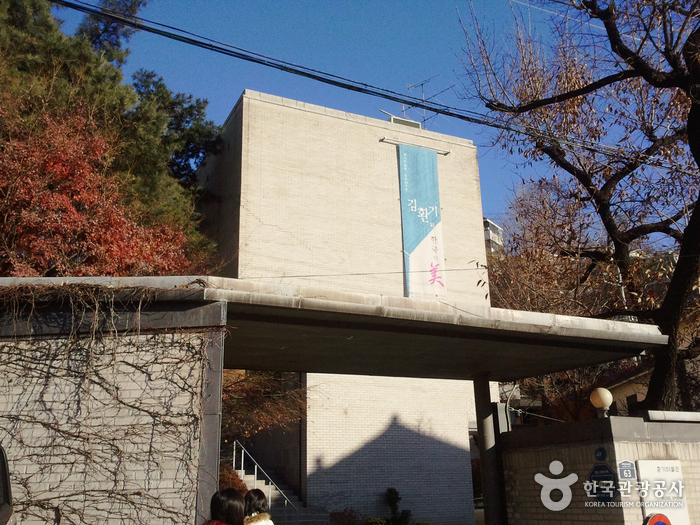
Whanki Art Museum exhibits the works of Kim Whanki (1913-1974), the pioneer of Korean abstract art. Kim was inspired by traditional features such as Korean mountains and streams, the sky, moons and clouds, the white porcelain and traditional patterns, and worked to express them in abstract forms through points, lines, and surfaces. The main collection features nearly 300 works by Kim. One can also find an art shop and a café.
⊙ Cheongun Literature Library (청운문학도서관)
View detailed guide on Korea Trip Guide →
– Homepage
www.jfac.or.kr: Visit site
Cheongun Literature Library is located at the foot of Inwangsan Mountain and can be reached by following the mountain’s walking trail starting from Changuimun Gate along the fortress wall. This public hanok library is designed in consideration of the sloped topography and the natural scenery of Inwangsan Mountain. The library consists of two floors: an underground floor and a ground floor. While the ground floor is designed as a traditional hanok, the underground floor is made of concrete to support the hanok building and the spacious outdoor yard. By implementing the natural slope in the library’s design, the underground southern entrance is exposed, allowing sunlight to enter. The underground floor features a wide collection of books while the ground floor serves as a place for reading. The natural environment surrounding the library adds to the hanok building’s traditional and peaceful charms.
⊙ Suseongdonggyegok Valley (수성동계곡)
View detailed guide on Korea Trip Guide →
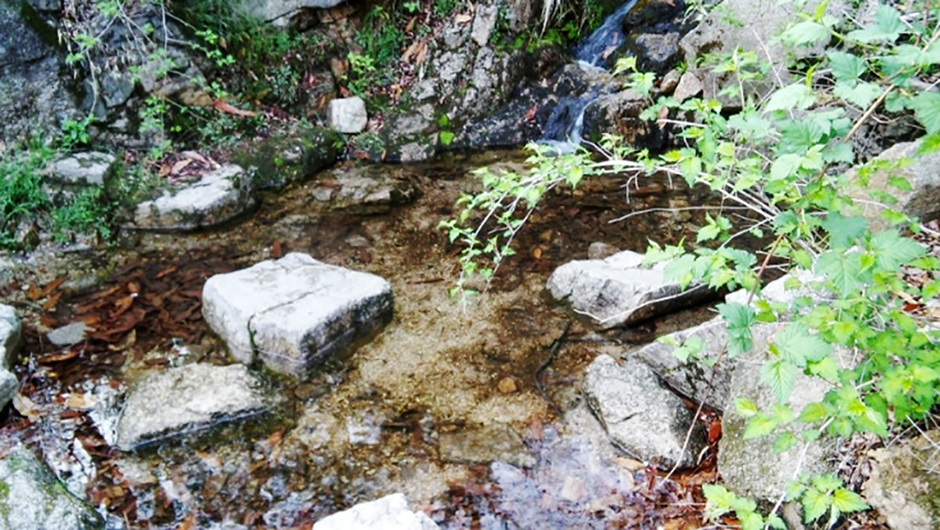
Suseong-dong Valley’s stream runs down from Inwangsan Mountain and joins Cheonggyecheon Stream, and it is said that the name of the village was called Suseong-dong during the Joseon dynasty due to the loud and clear sound of the flowing water. It appears in the painting “Jangdong Palgyeongcheop,” which is Jangdong Eight Scenic Views, that depicts the eight scenic views of Bugaksan Mountain and Inwangsan Mountain as well as in other historical books of the Joseon dynasty as a place of scenic beauty. The valley was so famous for its beauty, that Prince Anpyeong of the Joseon dynasty built his house “Bihaedang” to fully enjoy the view, and the valley and its stone bridge were designated as a cultural property of Seoul in 2010.
⊙ Sangchonjae House (상촌재)
View detailed guide on Korea Trip Guide →
– Homepage
www.jfac.or.kr/site/main/content/sangchj01: Visit site
Sangchonjae House, run by the Jongno Cultural Foundation, is a traditional hanok cultural space located in Sejong Village, Ogin-dong, Jongno-gu, and operates various cultural Korean programs such as exhibitions, educational experiences, and events to fully experience Korea’s four seasons. The name Sangchonjae was conceived from the old name of Sejong Village, the western part of Gyeongbokgung Palace and the birthplace of King Sejong. The house reflects the lifestyle of an ordinary peasant during the Joseon dynasty. It consists of three buildings: the main building, the guesthouse known as sarangchae, and the annex. There is an experience center indoors offering tea ceremonies and traditional game experiences.
⊙ The Street in front of Cheongwadae (The Blue House) (청와대 앞길)
View detailed guide on Korea Trip Guide →
– Homepage
tour.jongno.go.kr (Korean, English, Japanese, Chinese): Visit site
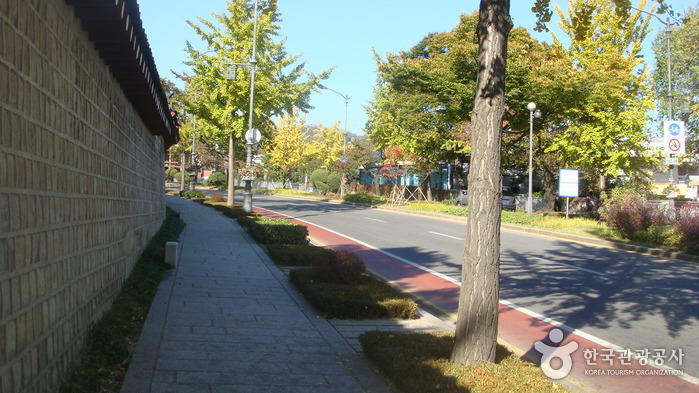
The street in front of Cheongwadae (the Blue House) is open to the public and includes both Hyoja Samgeori (Hyoja three-way intersection) in Hyoja-dong and Palpan Samgeori (Palpan three-way inetersection) in Palpan-dong. When walking along Hyoja-ro Road from Gyeongbokgung Station, sights include a fountain, Mugunghwa Garden, Yeonmugwan Hall, and Daegogak & Yeongbingwan Hall.
Cheongwadae Sarangchae consists of one basement level and two above-ground levels, including Korean Culture Exhibition Hall, Planned Exhibition Hall, a gift shop, and rest area (Korean Food Promotion Hall, Café) on the first floor and Cheongwadae Hall and Haengboknuri Hall on the second floor. Daegogak Hall houses a book donated to former president, Kim Young-sam for expressing the past spirit of Sinmungo (Petitioner’s drum from Korean History). Yeonmugwan Hall is a martial art and fitness center for guards. Mugunghwa Dongsan, formed after the ansa (Safe House) was demolished in 1993, includes a well, mock fortress, and rest area. Located behind Mugunghwa Dongsan is Apostolic Nunciature in Korea and Chilgung (Seven Palaces).
At the beginning of the street in front of Cheongwadae, dense trees and beautiful flower gardens decorating both sides of the road make it a nice place for taking a walk. The area from the north gate of Gyeongbokgung Palace, Chunchumun, to the main gate of Gyeongbokgung Palace, Geonchunmun, is Samcheongdong-gil Road. This road is home to many art galleries, including Kukje Gallery, Growrich Gallery, Gallery Hyundai, and Jin Art gallery, in the area of Hyoja-ro.
⊙ Haeunjae (하은재)
View detailed guide on Korea Trip Guide →
– Homepage
Visit site
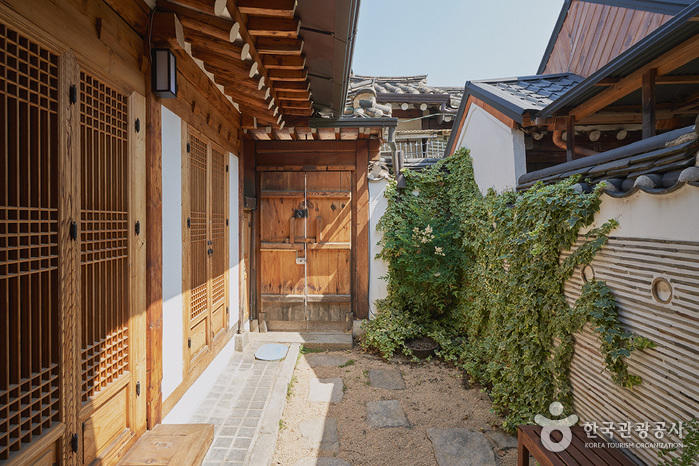
Ha Eunjae is a private hanok stay in Seochon Village, just west of Gyeongbokgung Palace in Seoul. The accommodation comprises a bedroom with queen-size bed, a kitchen, a movie room, and two bathrooms. The movie room is fitted out with a Bose sound system, a beam projector, and a large screen, with a movable footbath as a bonus. The kitchen is equipped for simple cooking. Guests staying 2 nights or more during the week receive a 10% discount, and towel replacement and cleaning services are provided for stays of 3 nights or more. Ha Eunjae is close to major tourist attractions such as Gyeongbokgung Palace and Samcheong-dong.
⊙ Nuwa (누와)
View detailed guide on Korea Trip Guide →
– Homepage
Visit site
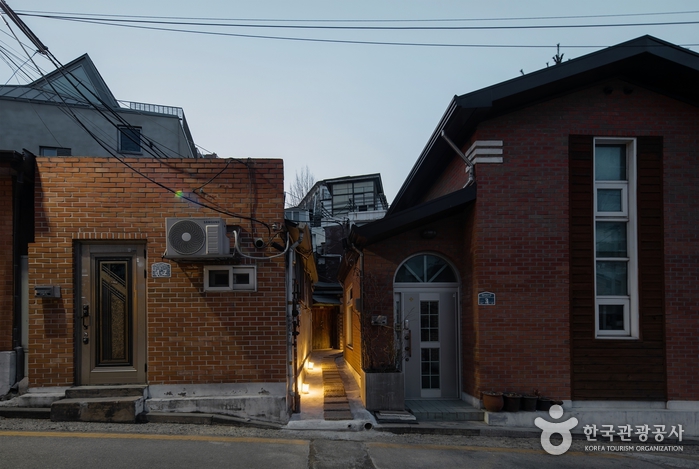
Nuwa is a small, tastefully-renovated private hanok in the Seochon Village residential area to the west of Gyeongbokgung Palace in Seoul. It gets the light through a window wall in the living room, which contains a walnut table where guests can take tea, and a bathtub: weary travellers will feel better after taking a foot bath or half-body bath. High-quality tea and bath salts are provided. The sleeping space has an unusual round window, like a full moon, facing the bed, through which guests can see the top of Inwangsan Mountain as they fall asleep.
⊙ Hanok Guesthouse Dongchonchae (한옥 게스트하우스 동촌재)
View detailed guide on Korea Trip Guide →
– Homepage
Visit site
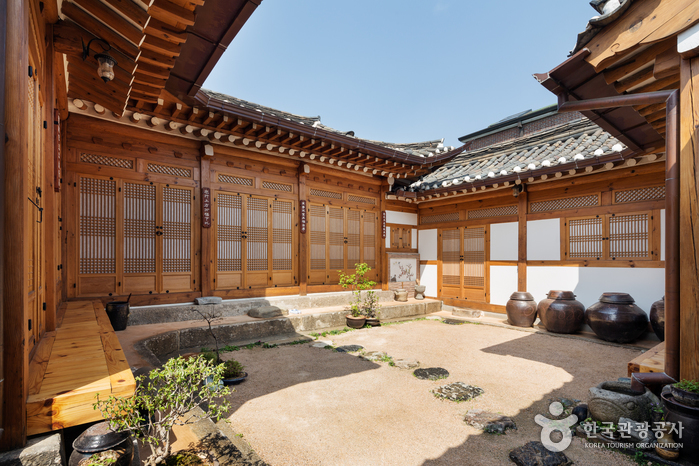
Dongchonjae is a hanok guesthouse in Seochon, Jongno, Seoul. The the Anchae(women’s quarters) consists of four sleeping rooms and a cheongmaru lounge space, plus kitchen and toilet. (There are also shared toilets in the yard.) Cooking is not allowed, but guests are welcome to bring in prepared food. A free breakfast is provided. Guests can watch movies in the yard or main hall, and can use the refrigerator and washing machine. A guided night tour of Seoul City Wall is offered, as is a tea ceremony, and rice-cake making experience.
⊙ Daeo Bookstore (대오서점)
View detailed guide on Korea Trip Guide →
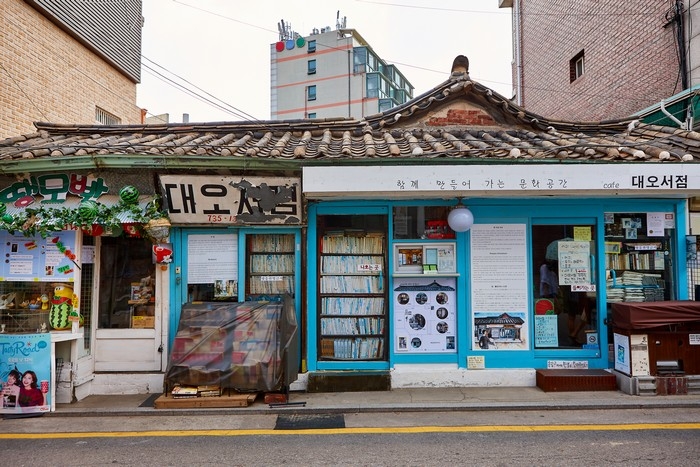
Daeo Bookstore is the oldest bookstore in Seoul that has been maintained in one place since it opened in 1951. Recently, it has been refurbished as a cultural space with a cafe, where one can enjoy coffee, exhibitions, and performances while looking at the yard. Visitors who just want to browse can purchase a souvenir postcard set for admission. Taking a closer look at books that feel the years and objects that have traces of use, they appear to come rather new.
](https://ktrip.blogsailing.com/wp-content/uploads/2026/05/4043742_image2_1.jpg)
](https://ktrip.blogsailing.com/wp-content/uploads/2026/05/4044756_image2_1.jpg)

](https://ktrip.blogsailing.com/wp-content/uploads/2026/05/4042988_image2_1.jpg)

5 Comments